
From Waves to Wings: Seaplanes Glide Into Andhra and Kerala’s Tourism Dreamscape
Imagine the allure of taking off from serene waters and soaring above lush landscapes, only to gently glide onto another aquatic paradise. This dreamlike travel experience is becoming a reality in Andhra Pradesh and Kerala , where seaplanes are rewriting the rules of tourism. These marvels of engineering, capable of transitioning seamlessly between land and water, have sparked excitement and debate in equal measure. As they carve ripples in the tourism sector, the stakes are high—offering luxury and exclusivity while grappling with the harsh realities of cost, logistics, and sustainability.

The seaplane saga in Kerala began with an iconic landing at the Bolgatty Waterdrome, courtesy of the ‘De Havilland Canada’ aircraft. Operated by a Swiss company in partnership with SpiceJet, its journey from Vijayawada to Cochin marked a milestone, complete with a water salute and the presence of dignitaries like Tourism Minister P. A. Mohamed Riyas. Trial runs soon followed between Bolgatty Palace and the picturesque Mattupetty Dam, fueling aspirations for enhanced regional connectivity under the Ministry of Civil Aviation’s UDAN scheme. Kerala’s ambitions were clear: redefine luxury tourism with waterdromes in places like Kumarakom, Kovalam, and Ashtamudi.

In Andhra Pradesh, the narrative is equally ambitious. Chief Minister Chandrababu Naidu’s inauguration of a seaplane demo flight between Vijayawada and Srisailam underscored the state’s intent to attract affluent travelers. With its extensive river systems and scenic coastline, Andhra envisions seaplanes as a gateway to unexplored destinations while generating employment and fostering technological innovation in tourism.
Yet, this journey is far from smooth sailing. Seaplane operations are financially demanding, with expenses piling up from fuel, pilot salaries, infrastructure, and rigorous maintenance to counteract saltwater corrosion. With a capacity of just 12 to 30 passengers per trip, the economics favour only high-end travellers. Viability Gap Funding (VGF) or state-backed subsidies become indispensable to keep ticket prices somewhat accessible. Even then, this niche mode of transport is reserved for those willing to pay a premium for the blend of adventure and luxury.
To justify the expense, seaplane tourism must transcend the flight itself. Comprehensive packages that include seamless transfers, upscale accommodations, curated sightseeing, and unique experiences like temple visits or guided backwater tours are essential. Travelers must perceive not just a journey, but an exclusive lifestyle, making each trip a story worth sharing.

Kerala’s vision of integrating seaplane travel into its tourism fabric involves more than just scenic routes. Building and maintaining waterdromes is a herculean task, requiring hydrographic surveys, significant infrastructure investment, and careful coordination with local authorities. Andhra’s roadmap echoes similar challenges, balancing logistical demands with a commitment to elevate the tourism sector.
Environmental sustainability emerges as a crucial consideration. While proponents argue that seaplanes have a minimal ecological footprint, concerns persist among local communities. Fishermen worry about disruptions to aquatic ecosystems, while conservationists highlight potential noise pollution and harm to fragile water bodies. These issues demand robust regulatory oversight and community engagement to ensure that development does not come at the cost of ecological balance.

Adding to the complexity is India’s labyrinthine aviation regulations. From permissions by local governments to clearances from agencies like the Indian Navy and Cochin Port Trust, the procedural hurdles are formidable. These intricacies inflate operational costs, posing questions about long-term viability. Moreover, competition from conventional air travel, which often offers lower fares and greater convenience, further complicates the equation.
Globally, seaplanes have found success in niche markets, particularly in luxury destinations like the Maldives. Here, they serve as a vital link between remote islands and premium resorts. India, with its sprawling coastlines and extensive river networks, offers similar potential, albeit with unique challenges. Kerala’s subsidized rates and Andhra’s aggressive promotional campaigns reflect an understanding that seaplanes must be part of a larger tourism ecosystem, offering something no other mode of travel can replicate.
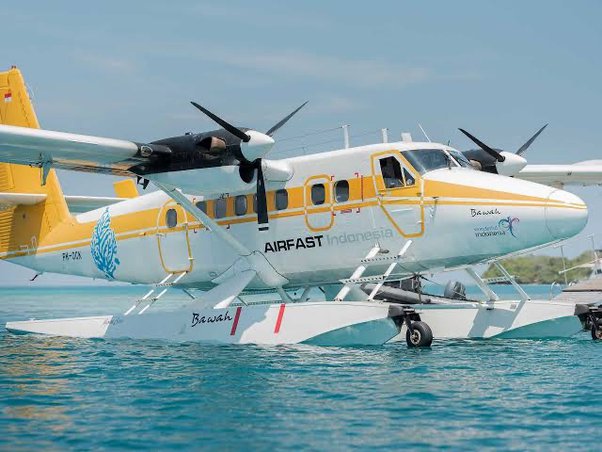
Operationally, seaplanes are no walk in the park. Their reliance on visual navigation restricts flights to daylight hours. Factors like water currents, the risk of metal fatigue, and shorter aircraft lifespans necessitate constant vigilance and frequent maintenance. Pilots, trained to manage these unique conditions, face added challenges, further increasing operational intricacies.
Despite these hurdles, the romance of seaplane travel is undeniable. There’s a poetic charm in the idea of soaring over lush landscapes, gliding onto pristine waters, and stepping out into a new world of exploration. This blend of aviation and marine travel offers an experience that few other modes can match. Both Kerala and Andhra Pradesh hope to capitalize on this mystique, attracting not just tourists but also investors willing to take a calculated risk on a promising yet demanding venture.
The success of seaplane tourism could mark a turning point in India’s global tourism aspirations. By offering a mix of traditional attractions and cutting-edge travel options, these states aim to position themselves as premier destinations for luxury and adventure. However, the balancing act between ambition and practicality will determine whether this venture takes off or stalls.
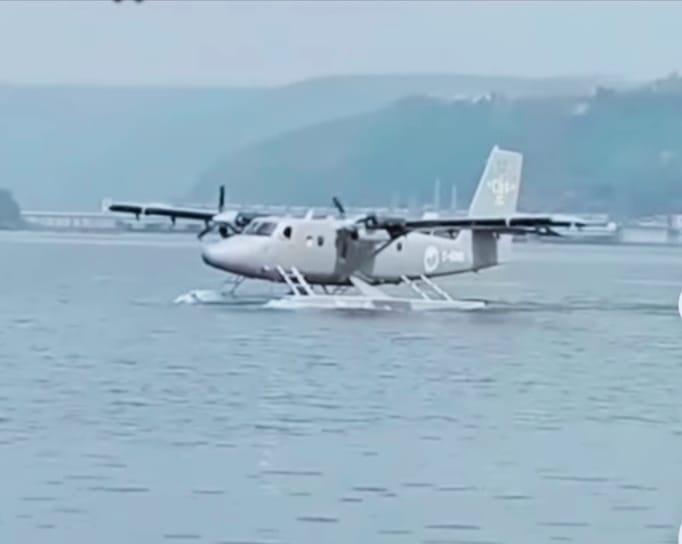
Andhra Pradesh and Kerala’s seaplane initiatives are a fascinating blend of aspiration and experimentation. With their promise to transform tourism, they highlight the possibilities of luxury travel while exposing the financial and logistical hurdles involved. Strategic subsidies, well-crafted packages, and a focus on exclusivity could ensure that seaplanes find their niche. For now, these aquatic aircraft symbolize a bold leap into the future, where the waves of ambition meet the winds of innovation. Whether they soar or sink will depend on navigating the turbulent waters of economic, environmental, and regulatory challenges.
Visit arjasrikath.in for more insights
 SOCIAL PERSPECTIVES