
From CEOs to Titans: India’s Business Giants Deserve Our Celebration and Support
In a world increasingly driven by globalization, the narrative surrounding Indian entrepreneurs and their contributions to national wealth has never been more critical. While we often find ourselves celebrating the achievements of Indian-origin CEOs leading major corporations abroad, it’s essential to recognize and honor the substantial impact made by Indian businessmen operating within the country. These titans of industry are not merely figures in a corporate landscape; they are the architects of India’s economic future, creating jobs, wealth, and innovation that benefit millions.
When an individual of Indian origin rises to the helm of a global corporation—be it Sundar Pichai at Google, Satya Nadella at Microsoft, or Parag Agrawal at Twitter—the reaction among many Indians is a mix of pride intertwined with a sense of self-loathing. There seems to be a sentiment that we have somehow conquered the corporate world, with these leaders channeling their focus back to Indian interests. However, the reality is starkly different. These leaders are first and foremost beholden to their respective corporations and shareholders, and they have long since surrendered their Indian citizenship. While we admire their achievements, we must also acknowledge that their primary allegiance lies with the very companies they lead—not with India.

In stark contrast, business magnates like Mukesh Ambani, Gautam Adani, Ratan Tata, Lakshmi Mittal, Jindal, and Kumar Mangalam Birla have remained firmly rooted in India. They have devoted their careers to creating products and services tailored for the Indian market. Their companies have provided significant shareholder wealth and transformed multiple sectors, including telecommunications, renewable energy, food supply chains, and digital infrastructure. In doing so, they have not only contributed to the economy but have also revolutionized the way millions of Indians live and work.
Ambani and Adani, in particular, have faced considerable criticism in India, often being vilified for their wealth and perceived influence. Yet, the contributions of these individuals and their conglomerates cannot be overstated. The wealth generated by Ambani and Adani has far surpassed that created by 20 Nadellas, 200 Pichais, or even 1000 Agrawals. This is not merely a numerical assertion; it reflects a larger truth about the significance of domestic entrepreneurship in fostering national growth.
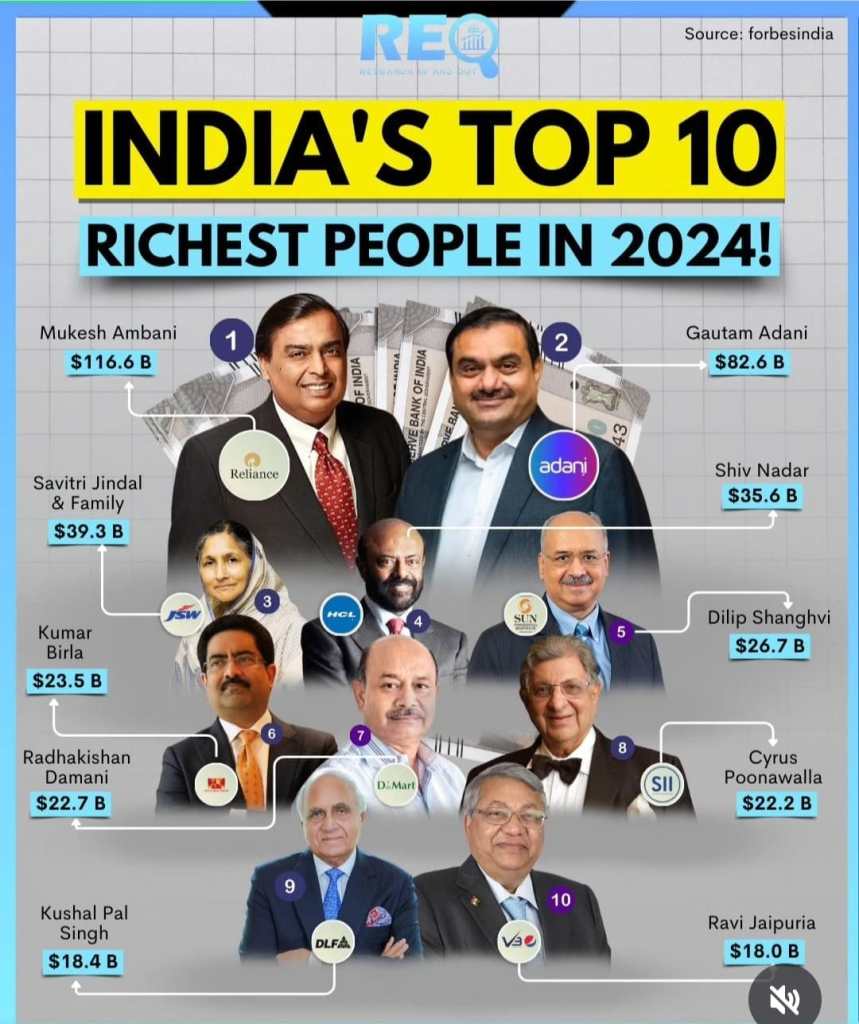
Take, for instance, the employment statistics from some of India’s largest corporations. Tata Group employs approximately 750,000 people, while L&T employs around 338,000. Infosys and Mahindra each provide jobs for 260,000 individuals, and Reliance Industries employs 236,000. Wipro, HCL, HDFC Bank, and ICICI Bank add to this impressive tally, collectively employing nearly 2.5 million Indians. These figures highlight a crucial point: the organized private sector offers more jobs than the entire central government combined. In fact, these ten companies alone employ more individuals than all the government jobs in a large state like Karnataka.
The Indian government provides jobs to over one crore citizens—around 1% of the population—whereas the organized private sector employs a mere 6-8%. This leaves a staggering 92% of the workforce engaged in the unorganized sector, often with minimal job security and benefits. Therefore, it is imperative to recognize that the engine driving India’s economic growth and job creation resides firmly within the private sector.

As India transitions into becoming the world’s fastest-growing startup ecosystem, boasting over 70 unicorns—companies valued at more than $1 billion, with 50 being minted in 2023 alone—the narrative surrounding wealth creation must shift. Instead of harboring resentment towards successful entrepreneurs like Ambani and Adani, the country should celebrate their achievements and support their valued contributions both domestically and internationally.
The narrative that portrays Indian entrepreneurs as villains or as symbols of inequality does a disservice to the broader economic landscape. These individuals are not merely wealthy; they are job creators who provide livelihoods for millions of families. They are innovators who push the boundaries of technology and infrastructure, contributing to the betterment of society at large. The success of these business leaders should inspire, rather than evoke envy or disdain.
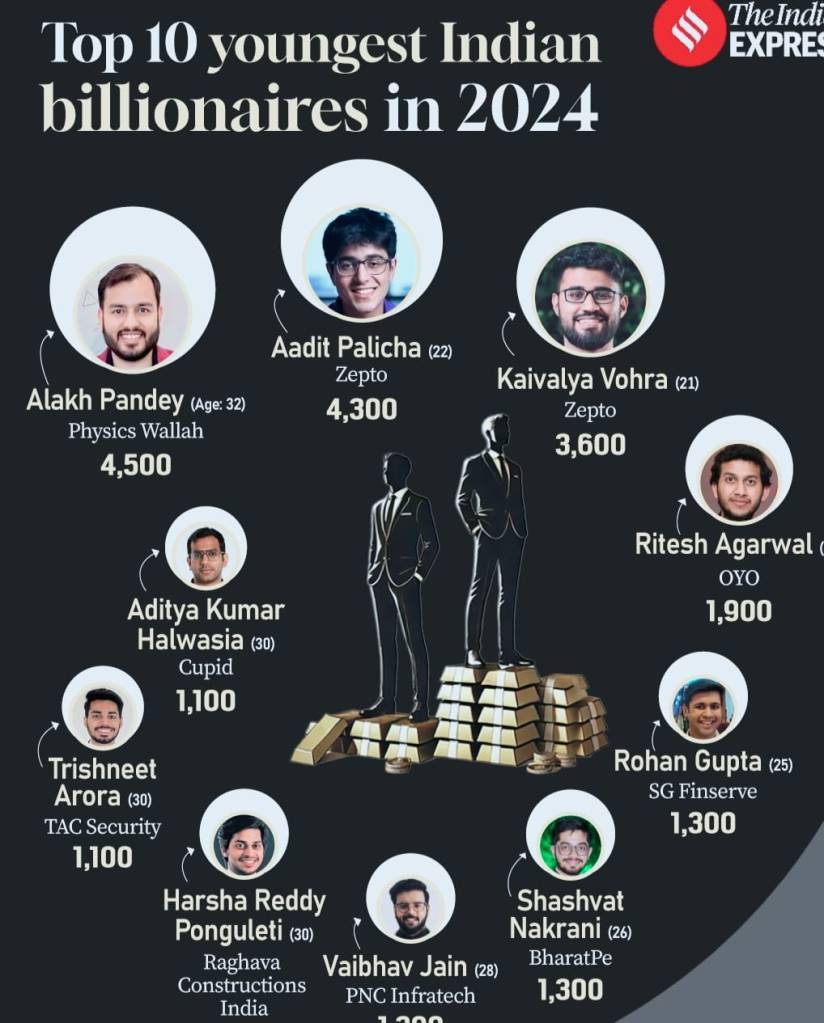
Moreover, as we look toward the future, India needs more business operators who can not only thrive domestically but also dominate in the international arena. The global market is increasingly competitive, and Indian companies must expand their horizons to remain relevant. This requires not only supportive government policies but also a collective effort from the populace to back and encourage their local conglomerates.
It is time to shift our focus from the fleeting pride associated with Indian-origin CEOs abroad to the steadfast contributions of Indian entrepreneurs at home. The goal should not merely be to celebrate individual successes but to foster a culture that encourages the growth of new corporations, innovations, and high-paying jobs. This is essential for creating a sustainable economy that can stand tall on the global stage.
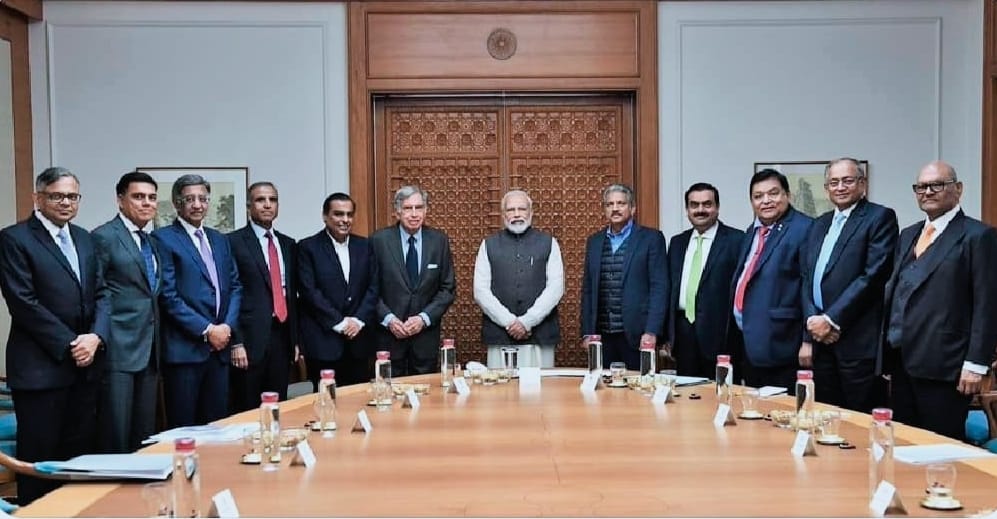
In this context, we must rally behind our business leaders, recognizing their role in shaping the nation’s future. The success of companies like Reliance, Tata, Birla, Mittal, Jindal, and Adani should serve as a source of national pride, showcasing the potential of Indian entrepreneurship. The narrative of a nation that worries about brain drain while simultaneously vilifying its wealth creators must change. As citizens, we should embrace the achievements of those who have chosen to build their dreams in India rather than tear them down.
In conclusion, India’s vibrant entrepreneurial spirit is a treasure that deserves celebration and support. By acknowledging the immense contributions of homegrown business leaders, we can foster an environment that nurtures new ventures and empowers future generations. Let us take pride in our entrepreneurs, for they are the true architects of our nation’s wealth and the key to a prosperous future.
visit arjasrikanth.in for more insights
 SOCIAL PERSPECTIVES