
Redefining Rights and Breaking Barriers—Inside Chandrachud’s Era of Judicial Transformation, from Privacy to Equality
Chief Justice D.Y. Chandrachud’s tenure stands as a defining era in India’s judicial history, marked by rulings that resonated far beyond courtroom walls, embracing a vision that made the judiciary an agent of social transformation. His legacy is characterized not just by landmark judgments but by an unwavering commitment to human dignity, inclusivity, and transparency. From his early days in the Bombay High Court to his tenure in the Supreme Court, Chandrachud displayed a profound understanding of the law as a living document, adapting to societal shifts and becoming a facilitator of dialogue on pressing social issues. His retirement closes a chapter where the judiciary evolved from a body of law interpreters to a force championing the values and promises enshrined in India’s Constitution.

In his years on the bench, Chandrachud authored judgments that expanded the scope of individual rights and civil liberties, with landmark cases that redefined the contours of justice in modern India. His ruling on privacy as a fundamental right strengthened personal freedom in an era dominated by digital surveillance, offering citizens a renewed assurance of autonomy in their personal lives. Similarly, his historic ruling decriminalizing homosexuality represented a bold stance on equality and inclusion, rectifying years of injustice against LGBTQ+ communities. Each judgment under his leadership went beyond the confines of the law, fostering societal conversations on the very essence of freedom and democracy in India. Chandrachud emphasized that a judge’s influence is not merely in the number of cases resolved, but in the societal shifts these rulings inspire, reinforcing the judiciary’s role in not only interpreting but upholding the Constitution’s promises for every citizen.

In his reflections, Chief Justice Chandrachud frequently discussed the unique pressures that modern-day judges face, particularly in the context of public scrutiny. In today’s digital age, where rulings are dissected across media platforms and every decision is intensely scrutinized, judges operate under a spotlight that was previously unknown. Social media has amplified this pressure, adding a new dimension to judicial accountability, and judges must now carefully balance constitutional obligations with an ever-watchful public gaze. Chandrachud acknowledged this challenge, stressing that while public sentiment is significant, a judge’s primary responsibility lies in upholding constitutional principles without fear or favour. Navigating this tension, especially in politically sensitive cases, represents one of the judiciary’s most formidable tasks in an era where the line between public opinion and judicial independence grows increasingly fine.

Under Chandrachud’s leadership, the judiciary evolved into more than a body for legal resolutions; it became a forum for democratic dialogue. He envisioned the judiciary as a platform where diverse social conflicts could be addressed respectfully, fostering an environment for understanding amid growing societal polarization. His leadership encouraged the judiciary to serve as a mediator, not merely a final authority, in resolving divisive issues. This vision extended to making judicial proceedings accessible to the public, a move aimed at demystifying the judiciary and bringing transparency to its workings. Chandrachud’s commitment to openness, however, also exposed the judiciary to unprecedented levels of public critique, reflecting the delicate balance between public engagement and the sanctity of judicial autonomy.

Chief Justice Chandrachud’s tenure also underscored the judiciary’s expanding role in addressing social issues. He understood that the court’s purview could extend beyond traditional legal boundaries, especially in cases that touched on contemporary concerns like same-sex marriage, abortion rights, and religious freedoms. Rather than shying away from these contentious issues, Chandrachud advocated for judicial courage in addressing them, believing that the judiciary should facilitate a space where these topics can be openly discussed. His support for same-sex marriage, for example, was emblematic of his view that the judiciary should act as a progressive force for social justice, challenging entrenched biases and promoting inclusivity. Through these efforts, Chandrachud reaffirmed the judiciary’s commitment to safeguarding dignity for all, irrespective of background or belief.

However, Chandrachud’s tenure was not without its challenges. He highlighted the inherent difficulties within India’s judicial system, particularly the inconsistencies between the Supreme Court’s rulings and their implementation in lower courts. This discrepancy often results in unequal access to justice, with the practical application of Supreme Court judgments varying across jurisdictions. To address this issue, Chandrachud called for a unified judicial ethos across all levels, reinforcing the importance of consistent judicial standards. His reflections shed light on the systemic issues within the judiciary, including the high volume of cases and the intense pressures on judges, highlighting the need for reforms that can reduce case backlogs and improve judicial efficiency.
At the heart of Chandrachud’s judicial philosophy was a steadfast commitment to upholding human dignity. He believed that justice must recognize the inherent worth of every individual, and that the judiciary’s role is to protect this dignity, especially for marginalized and vulnerable communities. His rulings often reflected a sensitivity toward those at society’s fringes, emphasizing that justice should not be a privilege of the powerful but a right accessible to all. In his view, the judiciary’s responsibility is to ensure that every judgment upholds this principle, affirming the idea that a just society is one where the dignity of each person is respected. This focus on human dignity underscores his belief that the judiciary is not just an instrument of law but a guardian of humanity’s fundamental rights and values.
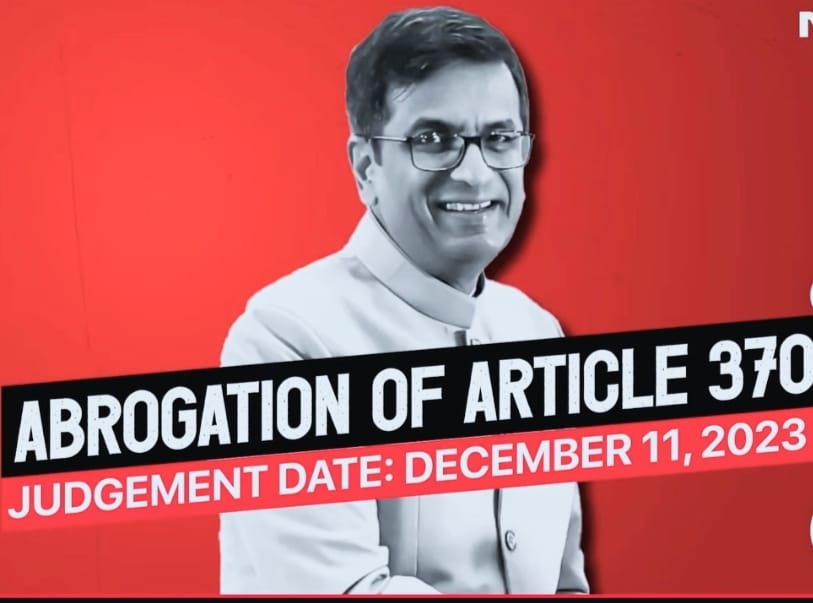
One of Chandrachud’s enduring contributions was his commitment to preserving judicial independence, an essential pillar of a functioning democracy. He argued that the judiciary must maintain a distinct boundary from the executive branch to ensure unbiased decision-making, free from external pressures. Judicial autonomy, he insisted, is critical to upholding public trust in the legal system and safeguarding the judiciary’s integrity. In an era where political influence can easily encroach upon judicial affairs, Chandrachud’s emphasis on independence serves as a powerful reminder of the need to protect the judiciary from any potential conflicts of interest.
In sum, Chief Justice D.Y. Chandrachud’s tenure has left an indelible mark on India’s judicial landscape, elevating the judiciary as a champion of social justice, inclusivity, and democratic dialogue. His vision for a judiciary rooted in human dignity, committed to fostering societal harmony, and resilient against external pressures has set a high standard for future generations. As the Indian judiciary continues to navigate the complexities of a rapidly changing society, Chandrachud’s principles and insights offer valuable guidance, reaffirming the judiciary’s role as a bastion of impartiality and equity.
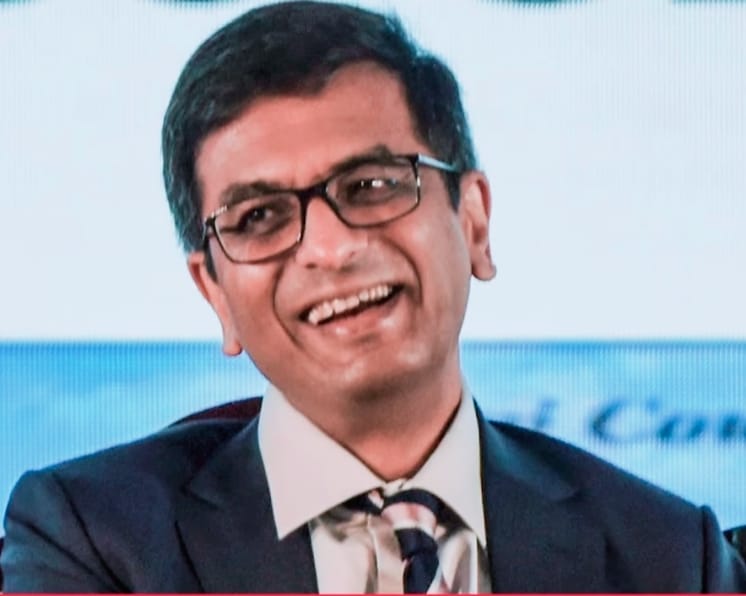
Chandrachud’s legacy is a reminder that justice is not solely a matter of legal interpretation but a profound commitment to shaping a society where dignity, inclusivity, and respect for constitutional values prevail. His philosophy and leadership have laid a foundation that will inspire judges to continue the pursuit of a just, compassionate, and inclusive India. The journey ahead is challenging, yet with Chandrachud’s guiding ideals, the judiciary is well-positioned to uphold its role as a steadfast guardian of justice and equality for all.
Visit arjasrikanth.in for more insights
 SOCIAL PERSPECTIVES