
“The Farm Loan Fiasco: Political Promises Are Sabotaging India’s Agriculture!”
In a recent political move, the Puducherry government made a partial payment of ₹2 crore to an agriculture cooperative credit society, the first of several instalments to forgive ₹12 crore in farm loans. This gesture is just one chapter in India’s deep-rooted history with farm loan waivers—a practice dating back to the 14th century, when Sultan Muhammad bin Tughlaq offered financial support to struggling farmers. This was furthered by Firoz Shah Tughlaq, who took similar steps amid a famine, marking the beginning of a long tradition of agricultural loans in India.
Fast forward to modern India, and the cycle of farm loan waivers continues, albeit with a new twist. The first large-scale waiver under the Agricultural and Rural Debt Relief Programme (ADR) in 1990 saw ₹10,000 forgiven per farmer, with nearly ₹7,800 crore distributed. The ADR may have ended, but the practice of waiving farm loans has persisted, especially during election seasons when politicians use this measure as a strategic tool to secure votes. While the central government has waived farm loans only twice post-independence, state governments frequently promise debt forgiveness just before elections, often as a strategy to woo the rural electorate.
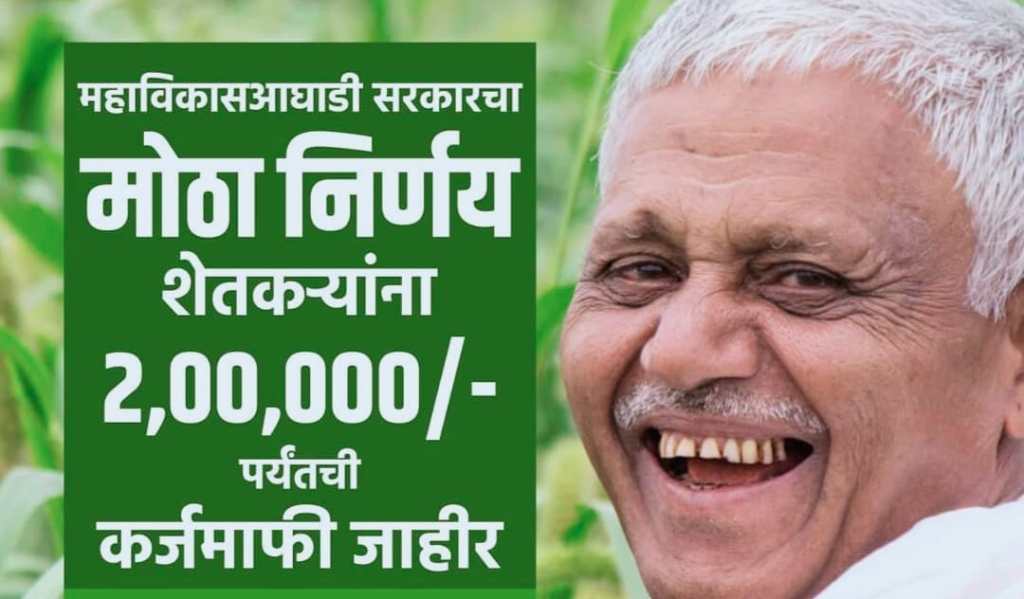
However, this seemingly benevolent approach to alleviating farmers’ struggles is far from straightforward. Despite the goodwill associated with loan waivers, they are often narrowly targeted, benefiting only select groups of farmers—usually small and marginal ones who borrow from specific cooperatives. Once in power, political parties allocate budget funds to reimburse banks and financial institutions, helping them cover the losses from waived loans. But with limited resources, only a portion of needy farmers receive these benefits, leaving others still burdened by debt.
While farm loan waivers are intended to relieve farmers from rising input costs, poor crop yields, and unpredictable weather, they serve an equally potent political purpose. The effectiveness of these waivers, however, remains questionable. A 2022 report from the State Bank of India (SBI) shows that farm loan waivers have little impact on improving crop productivity, agricultural investments, or wage growth, suggesting that these measures are more about optics than practical benefit.

The statistics are startling: in multiple states, more than 80% of farm loan waivers target standard loan accounts (loans that are being paid on time) or non-performing assets (NPAs), leaving behind half of the farmers who might benefit the most. Over the last decade, state governments have waived around ₹3 lakh crore in farm loans, constituting a mere 1% of India’s GDP. Yet, due to systemic flaws, only half of the intended beneficiaries receive this assistance.
Audit reports by the Comptroller and Auditor General (CAG) highlight the issue: roughly 9% of loan waivers go to ineligible recipients, while 14% of eligible farmers miss out. Such gaps reveal a breakdown in the loan distribution process, inadvertently encouraging a risky attitude among farmers who see little incentive to repay debts. The hope for future waivers cultivates a culture of non-repayment, eroding the credibility of the entire agricultural credit system. For those farmers who diligently repay, the cycle of waivers only creates frustration, leading some responsible borrowers to question the necessity of timely payments when waivers appear inevitable.

As loan repayments diminish, banks experience a surge in non-performing assets. Every time a waiver is announced, loan defaults skyrocket, driving up the NPA figures and placing further stress on financial institutions. Without prompt compensation from the government, these unpaid loans become a financial burden, constraining banks from extending fresh credit to the farmers who need it most.
Over the past ten years, loan waivers in 18 states have led to agricultural NPAs skyrocketing by 30% to 85%. Public sector banks, such as Union Bank, Central Bank of India, and SBI, report agricultural NPAs close to 25%, while private banks have managed to keep this rate to a healthier 4%. As public banks bear the brunt, they grow increasingly wary of lending to farmers, further depriving the rural economy of essential financial support.
But the repercussions of these waivers extend beyond the banks. When the government steps in to cover the losses from unpaid farm loans, it is ultimately the taxpayer who shoulders the cost. Funds that could be allocated toward essential services like infrastructure, healthcare, and education are redirected to cover loan waivers, which in turn strain state budgets, leading to deficits. In response, governments borrow more to bridge the gap, infusing excess money into the economy without real growth. The result is inflation, driving up the cost of living and restricting private businesses’ access to affordable credit. Rising interest rates deter investment, hindering economic expansion and limiting job creation in other vital sectors.

Economists and Reserve Bank of India (RBI) officials have long criticized loan waivers for these reasons. They argue that such waivers disrupt fiscal policy and constrain the RBI’s ability to stabilize the economy. There have even been instances where state ministers, bowing to political pressure, have urged banks to approve loans without assessing credit scores, even stopping recovery agents from collecting debts owed by defaulters. Such moves, driven by political gain rather than economic rationality, further erode the lending culture.
The question remains: who truly benefits from these farm loan waivers? While they appear to offer relief to farmers, the primary beneficiary often seems to be political parties eager to sway voters. If politicians are genuinely interested in supporting the farming community, they could instead focus on strengthening agricultural research and development (R&D). As of 2023, India’s agricultural R&D investment hovers at a mere 0.4% of GDP, a stark contrast to countries like Brazil and China, which invest around 1.8% and 0.6%, respectively.
Ramping up R&D investment in agriculture would bring transformative benefits, fostering innovations that improve crop yields, reduce costs, and protect farmers from unpredictable weather. Direct income support for farmers, rather than indirect debt relief, could create more sustainable livelihoods, providing a real economic cushion against adversity.
But the political appeal of waivers continues to trump these longer-term solutions. Despite repeated evidence of the inefficacy of waivers, politicians persist in dangling this “quick-fix” before election cycles. For the farmers, this cycle of waiver dependency creates false hope and fosters systemic stagnation in the agricultural credit sector.
In conclusion, India’s recurring farm loan waivers reflect a dual reality. While intended as lifelines for struggling farmers, they often end up serving political interests more than the actual needs of the agricultural sector. If India truly wants to revitalize its farming community, it must shift focus from temporary debt relief to durable investments in agricultural R&D and direct support mechanisms. Only through these sustainable measures can Indian agriculture hope to achieve long-term resilience, food security, and economic stability for the country.

The recurring cycle of farm loan waivers in India highlights a conflict between short-term political gains and the genuine needs of the farming sector. Although waivers appear to provide immediate relief, they often fail to reach the most vulnerable farmers, undermining the country’s credit culture and draining essential public funds. To create lasting change, India’s focus must shift toward structural solutions like agricultural R&D and direct support for farmers. This shift would empower farmers to become self-reliant, ensuring both food security and a more stable economy. The future of Indian agriculture depends on moving beyond waivers to achieve sustainable progress for farmers and the nation alike.
Visit arjasrikanth.in for more insights
 SOCIAL PERSPECTIVES