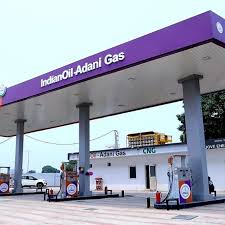
“From West Bengal to Nationwide Reach, the City Gas Distribution Revolution is Fuelling India’s Shift to Cleaner, Affordable Energy and Slashing Carbon Emissions”
India’s journey toward a cleaner, more sustainable future is increasingly anchored in the City Gas Distribution (CGD) sector, which is emerging as a critical pillar in the country’s energy landscape. Focused on reducing carbon emissions and lowering dependency on traditional fossil fuels, the CGD sector has grown rapidly, bringing eco-friendly alternatives like natural gas into the mainstream. Indian Oil-Adani Gas Pvt. Ltd. (IOAGPL), a joint venture between Indian Oil Corporation and Adani Total Gas, is at the forefront of this green revolution. Through initiatives that replace coal and diesel with natural gas across industries, transportation, and residential areas, IOAGPL is playing a significant role in transforming India’s energy consumption patterns.
In West Bengal, IOAGPL’s activities are setting new benchmarks in sustainable energy deployment, creating extensive pipelines, and developing CNG stations across cities like Burdwan, Asansol, and Panagarh. These initiatives are helping reduce emissions, enhance energy accessibility, and position India on the path to becoming a low-carbon economy. The CGD sector’s scope, combined with IOAGPL’s projects, underscores a collective effort toward sustainable energy distribution and the development of a cleaner, greener future.

As a backbone of India’s green economy, the CGD sector has evolved to address both the environmental concerns and the growing energy demands of the country. The sector covers four primary segments—Compressed Natural Gas (CNG) for vehicles and Piped Natural Gas (PNG) for domestic, commercial, and industrial use. Under the Petroleum and Natural Gas Regulatory Board (PNGRB) Act of 2006, the CGD sector has expanded with national pipeline projects that aim to link vast stretches of the country with a reliable, clean energy source. Key national pipelines such as the Jagdishpur-Haldia/Bokaro-Dhamra (JHBDPL) Pipeline, which stretches from Uttar Pradesh to West Bengal, enhance the availability of gas in eastern India, addressing historical infrastructure gaps in this region. Meanwhile, the North East Region (NER) Gas Grid and the Kochi- Koottanad- Bangalore- Mangalore (KKBMPL) Phase- II Pipeline cover southern and north-eastern regions, facilitating gas-based energy access to millions.
The Indian government’s vision to cover 88% of the country’s geographical area and 98% of its population with natural gas infrastructure is gradually becoming a reality. This will not only enhance energy affordability and reduce pollution but will also foster urbanization by making clean energy accessible across urban and rural spaces alike.
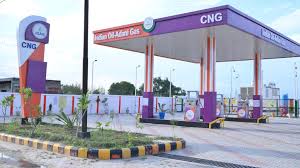
The CGD sector’s reach is expansive, covering 297 geographical areas (GAs) across 27 states and union territories. Each GA is a designated region authorized by PNGRB to develop necessary infrastructure for natural gas distribution. This distribution network extends from major urban centers to smaller towns, reflecting the sector’s mission to provide cleaner fuel alternatives nationwide. Within IOAGPL’s network, over 19 GAs are currently operational, backed by approximately 300 compressor stations supplying CNG and PNG across domestic, commercial, and industrial segments. This spread illustrates how companies like IOAGPL are instrumental in India’s efforts to transition to natural gas.
The exclusive rights granted to IOAGPL for distributing natural gas in places like Burdwan, West Bengal, demonstrate the government’s commitment to promoting sustainable energy solutions. This initiative aligns with India’s ambitious goal of increasing natural gas’s share in the primary energy mix from 6% to 15% by 2030, as the country works towards reducing its carbon footprint and mitigating climate change impacts.
IOAGPL’s projects in West Bengal reflect the nation’s broader goals for sustainable development. With a planned investment of ₹1,200 crore, IOAGPL is setting up the infrastructure to distribute natural gas across east and west Burdwan, serving industries, households, and the transportation sector. The venture aims to establish 80 CNG stations by 2026, benefiting both private and public vehicle owners while targeting a substantial increase in PNG connections, aiming to reach over 250,000 households in the next decade.
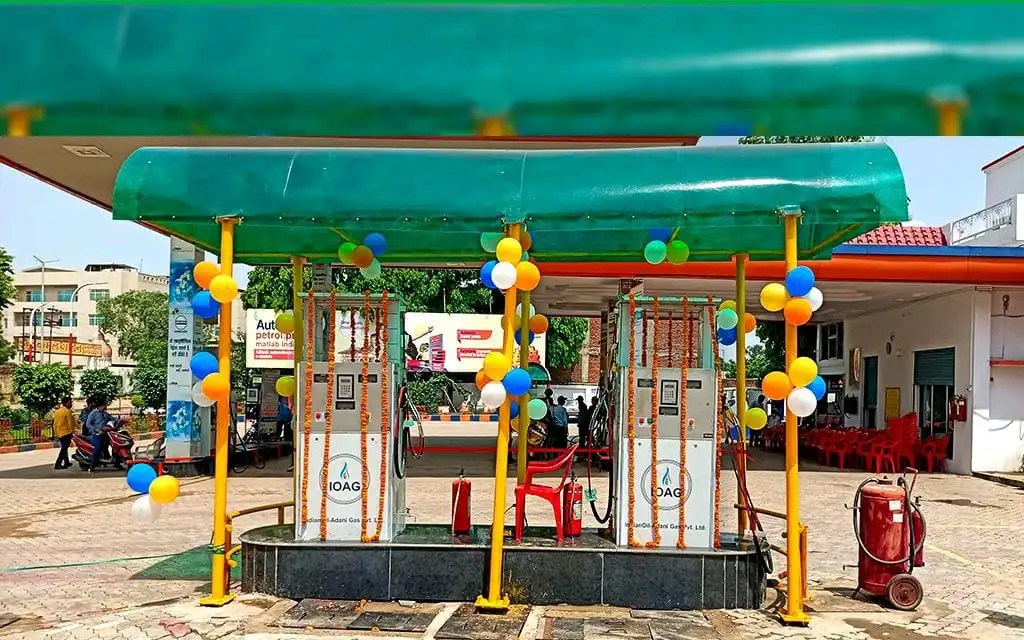
IOAGPL’s efforts are not only environmentally beneficial but economically viable as well. PNG, for instance, is priced competitively with subsidized LPG cylinders, while CNG offers considerable savings compared to traditional fuels—approximately 60% cheaper than petrol and 45% cheaper than diesel. This economic advantage further encourages consumers to shift towards cleaner fuel alternatives.
In Panagarh, IOAGPL has established a mother station that serves as a gas hub for West Bengal, facilitating natural gas distribution to multiple areas, including Kolkata and Asansol. Positioned along National Highway 2, this station sources its natural gas from the JHBDPL pipeline, providing a sustainable energy supply across the state. Panagarh’s CNG facility alone services around 90 trucks daily, supplying over 35,000 kg of gas and contributing to a reduction of around 28,000 kg of CO₂ emissions each day, thereby playing a crucial role in improving West Bengal’s air quality.
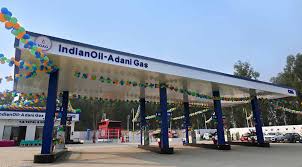
Similarly, in Asansol, IOAGPL has partnered with the South Bengal State Transport Corporation (SBSTC) to advance CNG usage in public transport. SBSTC’s fleet of CNG-powered buses, manufactured by Ashok Leyland, serves Asansol and nearby areas, offering a green alternative to traditional diesel vehicles. This partnership is a significant milestone as West Bengal works toward making Kolkata’s transportation network fully CNG or electric by 2030. In Asansol alone, this collaboration fuels around 35 buses daily, providing a sustainable commuting option for thousands of passengers while reducing toxic emissions.
Despite its numerous advantages, the CGD sector faces challenges, primarily related to infrastructure demands, consumer adaptation, and regulatory hurdles. Converting existing vehicles to CNG, for instance, requires installing specialized fuel tanks, which might reduce trunk space, a potential inconvenience for some users. However, the economic benefits, including significantly lower fuel costs and reduced emissions, make CNG a compelling choice for environmentally conscious consumers.
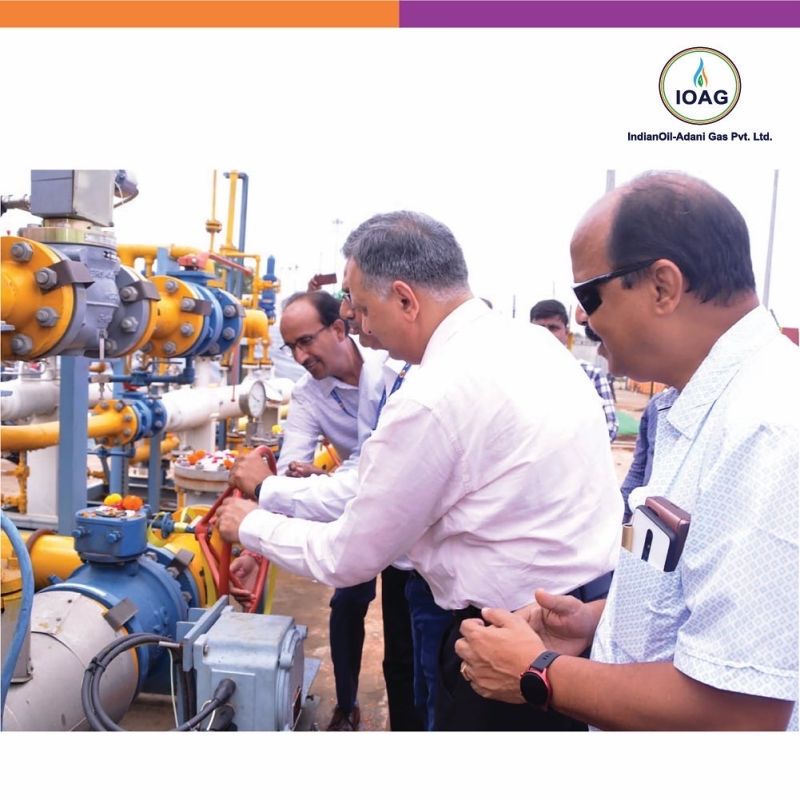
The adoption of PNG in households, although advantageous, also requires consumer awareness and regulatory support to facilitate a smooth transition from LPG. IOAGPL is proactively addressing these challenges by offering flexible payment options, including bi-monthly billing and refundable deposits, which help ease the financial burden of the initial switch to PNG for many consumers.
The future of India’s energy landscape looks promising as the country embraces CGD as a core component of its low-carbon strategy. With the rapid expansion of CGD networks led by companies like IOAGPL, the government’s commitment to promoting a sustainable energy mix is evident. In West Bengal, the vision for a future powered by CNG and electric vehicles seems attainable, with IOAGPL’s projects in Burdwan, Panagarh, and Asansol acting as catalysts for positive change.
Beyond West Bengal, the CGD sector in India is expected to grow at a rate of 10% per year, driven by increased urbanization, favourable government policies, and a shift in consumer preferences toward sustainable energy. Advances in technology, such as the implementation of smart meters and Supervisory Control and Data Acquisition (SCADA) systems, are enhancing the consumer experience in the CGD sector. These innovations allow for real-time monitoring of gas usage, leak detection, and supply adjustments, ensuring both safety and efficiency in the distribution process.
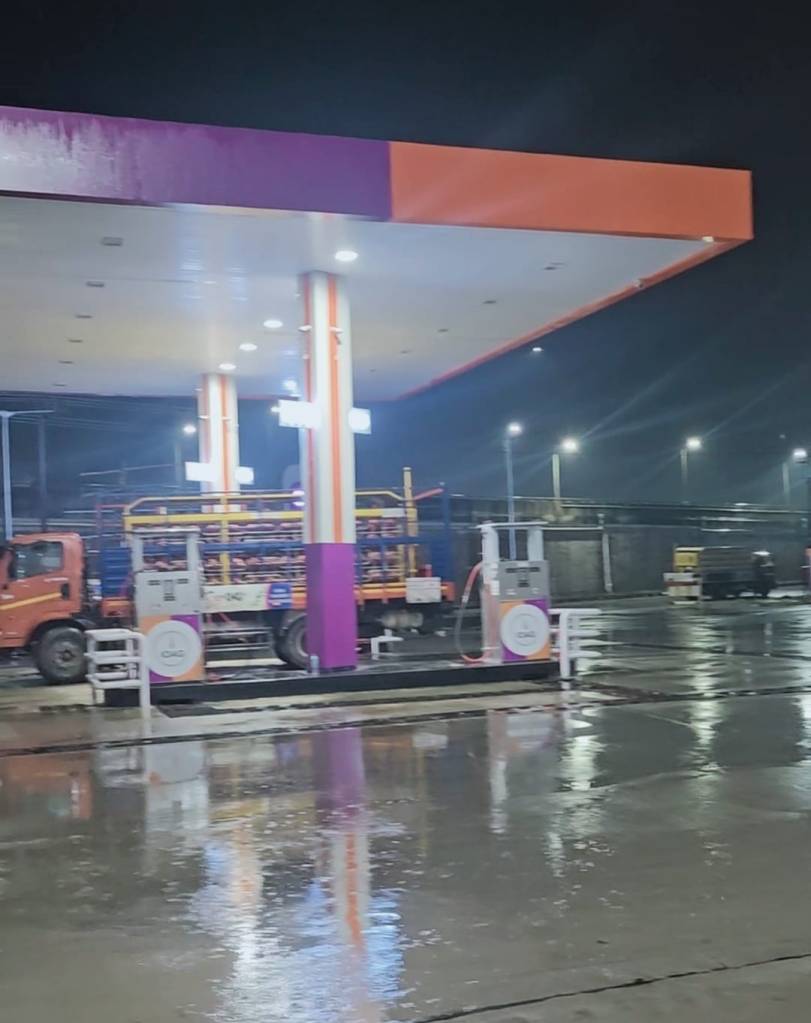
In conclusion, IOAGPL’s contributions to West Bengal underscore the transformative impact of the CGD sector in addressing India’s dual challenges of energy demand and environmental sustainability. From the mother station in Panagarh to CNG facilities across Asansol and Durgapur, IOAGPL is turning the region into a model of sustainable energy distribution. Through fuel alternatives like PNG and CNG, IOAGPL is not only fulfilling the state’s immediate energy needs but also aligning with India’s broader vision of a gas-based economy.
As West Bengal looks toward full CNG and electric adoption by 2030, IOAGPL’s developments in cities like Burdwan demonstrate how local initiatives can ripple outward, generating national benefits, curbing pollution, enhancing economic savings, and accelerating the transition to cleaner fuel. Every CNG station, PNG connection, and technological advancement made by IOAGPL and the CGD sector as a whole represents another step toward India’s green, low-carbon future.
Visit arjasrikanth.in for more insights
 SOCIAL PERSPECTIVES