
From Fake Arrests to Fear-Based Extortion, the Rise of a New Cybercrime Empire Targets the Vulnerable and Vigilant Alike
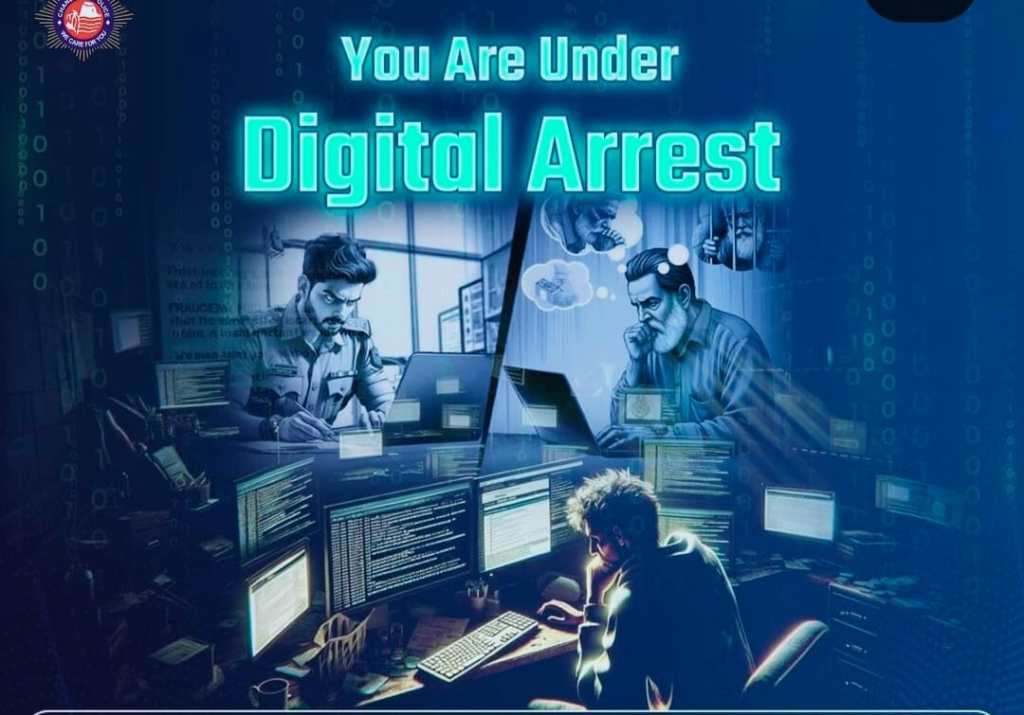
In the unsettling landscape of modern cybercrime, the “digital arrest” scam stands out as a chilling, manipulative tactic, designed to instil fear and compel compliance. Especially prevalent in India, this scam sees fraudsters posing as government officials or law enforcement officers to extort money from unsuspecting individuals. Through fear of legal repercussions, scammers wield phone and video calls as tools of psychological manipulation, employing tactics as far-reaching as impersonating officers, staging mock police operations, and producing fake legal documents to deepen the ruse.
Picture yourself receiving an unexpected phone call or WhatsApp message from someone claiming to be an official from a respected government agency. The caller accuses you of a grave crime, explaining that a “digital arrest” has been issued against you. While this accusation may seem unbelievable, for those caught in the scammers’ net, the intimidation is all too real. Scammers heighten their authenticity by wearing official-looking uniforms or doctoring images of real law enforcement agents, often from prestigious bodies like the Central Bureau of Investigation (CBI) or the Narcotics Department. By using the term “digital arrest” — a fabrication with no standing in law — they create an atmosphere of panic, leaving little time for victims to question the legitimacy of the claim.
A particularly heart-wrenching example involved an elderly man in Ahmedabad who fell victim to scammers posing as top judicial officials, including the Chief Justice of India. The scammers persuaded him over hours of pressure to transfer ₹1.26 crore, falsely accusing him of criminal affiliations and creating a desperate need to “settle” his supposed charges. Similarly, journalist Richa Mishra endured an intense interrogation after scammers falsely linked her Aadhaar details to a narcotics crime. In both cases, the psychological toll was enormous, with victims agreeing to pay large sums to avoid imagined legal consequences.

The economic impact of digital arrest scams is vast. The National Cybercrime Reporting Portal (NCRP) reported that during just the first four months of 2024, Indian citizens lost a staggering ₹120 crore to such cyber schemes. The alarming frequency of these scams led Prime Minister Narendra Modi to address the issue directly in his *Mann Ki Baat* broadcast, urging citizens to remember that no official agency would ever contact individuals over phone or video to initiate legal actions. His warning was clear: digital arrest scams are baseless intimidation tactics with no foundation in Indian law.

Digital arrest scams are only one branch of cyber fraud’s wide-reaching tree. Digital crime ranges from identity theft and data breaches to more personalized forms of harassment. Fraudsters have become adept at exploiting fear through convincing impersonations, leveraging people’s desire to resolve supposed legal threats as quickly as possible. Their impersonation of genuine agencies is a manipulative means to exploit the psychology of fear, trapping victims in a web of lies.
The Indian Computer Emergency Response Team (CERT-In) advises the public to verify the identity of anyone claiming to represent a government agency. People should never disclose personal or financial information without confirming the caller’s legitimacy. CERT-In also urges citizens to report suspicious activities to the cyber-security helpline (1930) or through the government’s cybercrime website. Nevertheless, despite these recommendations, victims often find themselves emotionally entrapped by the fear instilled by scammers, paralyzed by anxiety and often struggling to respond rationally in the moment.

In a particularly distressing case, a 44-year-old man from Hyderabad became ensnared in an intense scam after receiving a dawn call claiming his Aadhaar number had been linked to money laundering. The caller, pretending to be from a FedEx agency, demanded that he isolate himself from family while they “investigated.” Over a grueling 30 hours, the man was cut off from his loved ones and bombarded by ceaseless accusations, drained of his confidence and rationality. Isolated and overwhelmed, he lost all ability to think clearly and became an emotional prisoner, tightly held by the fear that the scammers had instilled.
What makes these scams particularly harrowing is their capacity to ensnare not only elderly citizens but also highly educated professionals—doctors, government officials, and even educators. Those who might otherwise consider themselves savvy are still vulnerable to high-stakes scenarios crafted by fraudsters. The scams’ success reflects the psychological expertise with which these criminals operate, keeping their victims off-balance and unable to assess their situation with clarity.
For example, Dr. Ruchika Tandon, a professor from Lucknow, faced harrowing phone calls from scammers who threatened her with criminal allegations, claiming her phone number was involved in illegal activities. Armed with falsified documents and posing as government officials, these fraudsters intimidated her into transferring funds. Only later did she realize she had become another victim in the growing network of digital arrest scams. Beyond the financial toll, these scams leave a lasting psychological impact, eroding victims’ confidence and security, with many feeling a profound violation of their trust.

The greatest irony of the digital arrest tactic is that it has no legal basis; “digital arrests” do not exist under Indian law. The term itself was invented solely for manipulation. India’s judicial system has no provision for arrests by phone or video call, yet this lack of public knowledge becomes the scammers’ most effective weapon. As these scams continue to evolve, raising public awareness becomes critical, empowering citizens to question any unsolicited interactions.
Psychologists argue that staying calm and collected during suspicious calls can prevent one from succumbing to emotional manipulation. Panic only obscures judgment, enabling fraudsters to increase their demands. The knowledge that no legitimate official would ask for sensitive information or immediate payment over the phone is a simple yet powerful defense against these tactics.
Fighting digital fraud requires a twofold approach: personal vigilance and systemic action. Education campaigns should prioritize equipping citizens with online safety knowledge. Government and community organizations can focus on vulnerable groups—such as the elderly and those in rural areas—educating them about the warning signs of scams. Schools, workplaces, and local councils could also incorporate cybersecurity awareness into their programs, cultivating a culture of digital safety.
But education is only part of the solution. Technology must be harnessed in the fight against digital crime. Law enforcement agencies and cyber units need access to sophisticated tools, such as AI-powered fraud detection, to stay ahead of scammers. A collaborative effort between public bodies, private companies, and cybersecurity professionals will bolster defenses against this evolving threat. With data analytics and machine learning, it’s possible to identify scam patterns and intercept fraud before it ensnares new victims.
As digital fraud evolves, citizens must treat cyber hygiene as seriously as they do physical safety. Just as they secure their homes, they must also protect their digital presence, utilizing secure passwords, multi-factor authentication, and careful vetting of online contacts.
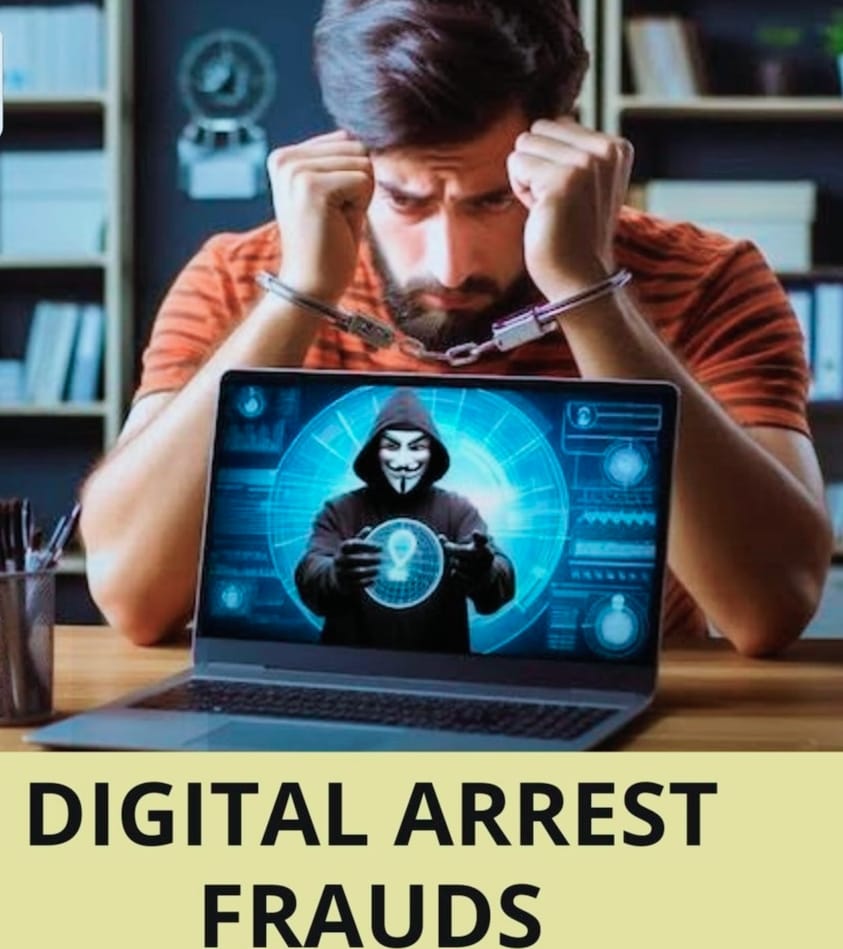
Digital arrest scams highlight vulnerabilities in India’s cyber infrastructure and public knowledge. As these scams grow more sophisticated, responses must adapt accordingly, prioritizing both vigilance and innovation. Stories like those of Dr. Tandon and the Hyderabad man underscore the dangers lurking in our digital interactions, reminding us of the urgency of proactive engagement in the fight against cyber fraud. In a digital era, personal awareness becomes our strongest line of defense—knowledge is not merely empowering; it’s vital. By fostering trust, transparency, and digital security, we can forge an online environment where people feel secure, and cybercriminals find no foothold. Together, we can dismantle deceit and make digital spaces a place of progress, not panic.
Visit arjasrikanth.in for more insights
 SOCIAL PERSPECTIVES