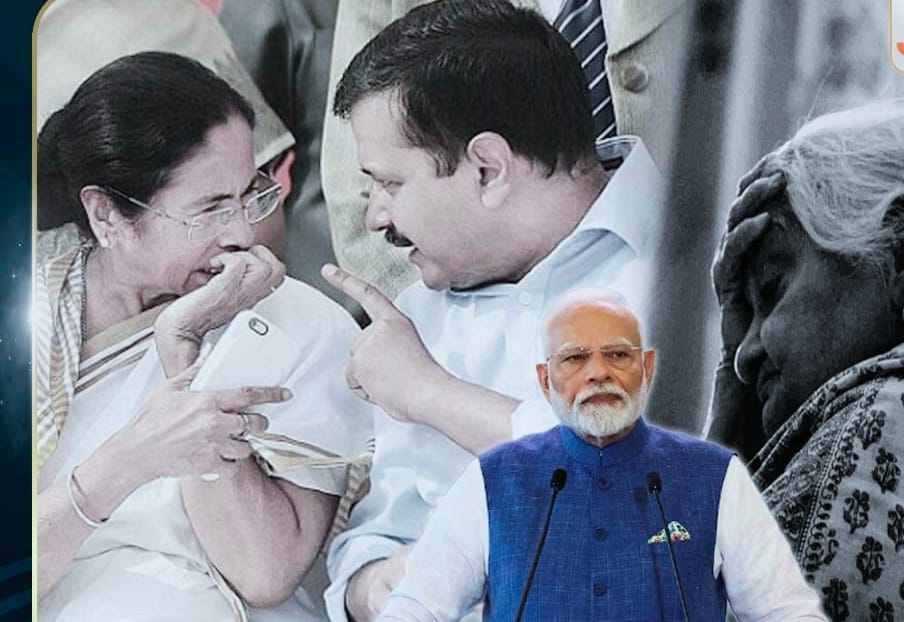
Healthcare Hoedown: Ayushman Bharat’s Grand Performance vs. State Schemes’ Star Power!
In the bustling theater of Indian politics, where colors, sounds, and opinions mix in a constant whirlwind, the healthcare debate stands out as an intense drama—a crucial discussion that affects millions. At the heart of this discourse is the competition between the central government’s Ayushman Bharat scheme and various state healthcare initiatives like Delhi’s Arogya Scheme and West Bengal’s Swasthya Sathi. Each scheme promises revolutionary benefits, yet the burning question remains: which plan genuinely prioritizes the common person’s needs as India grapples with issues of healthcare access, affordability, and quality? As the festive season unfolds, bringing an even sharper focus on public well-being, the stakes are higher than ever, and the noise of competing healthcare promises intensifies.
Ayushman Bharat, introduced by the central government, stands as a formidable player in this debate, aiming to provide robust health insurance coverage of up to ₹5 lakh per family per year. It targets around 12 crore families, primarily from vulnerable socioeconomic backgrounds, covering roughly 40% of India’s population. The scheme’s funding model involves a 60-40 cost-sharing arrangement between the central and state governments, creating a collective commitment to bridging gaps in healthcare across India. With a promise to reduce financial strain from medical expenses, Ayushman Bharat represents a step toward more equitable healthcare access, especially in underserved regions where health infrastructure is lacking. However, the scheme’s real-world performance reveals areas where it still struggles to deliver seamless, comprehensive care.
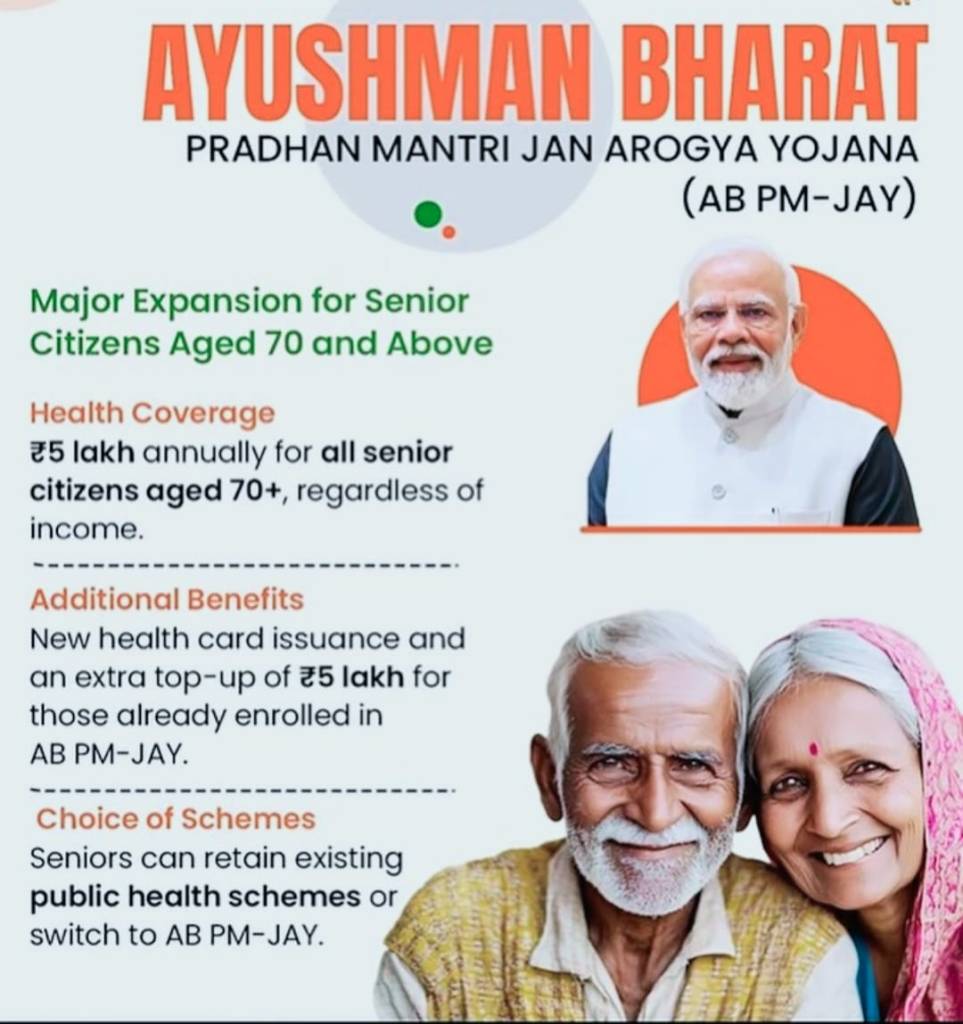
In contrast, Delhi’s Arogya Scheme takes on Ayushman Bharat with a few distinct advantages. This ambitious initiative also provides health insurance up to ₹5 lakh per family but goes a step further by eliminating treatment cost caps, offering 100% state funding, and removing restrictions on coverage for outpatient services. By covering outpatient treatments in addition to hospitalizations, the Arogya Scheme delivers a broader safety net, allowing citizens greater access to preventive and routine healthcare without the stress of unexpected expenses. This expanded coverage appeals particularly to Delhi’s urban population, which often faces high medical costs. As a result, the Arogya Scheme has become a distinctive model, setting a new bar for state-funded healthcare initiatives.
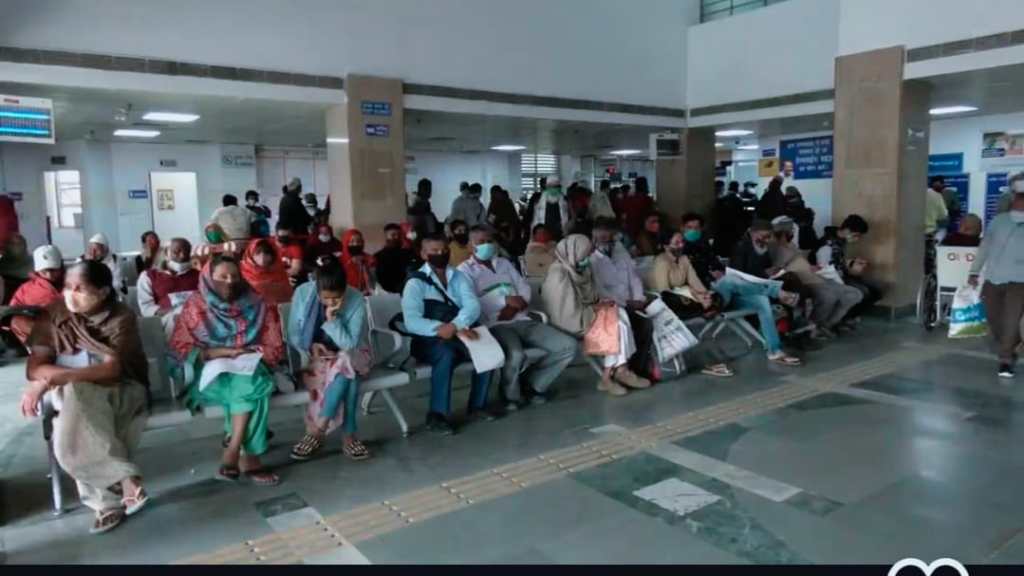
Meanwhile, in West Bengal, the Swasthya Sathi scheme has crafted a similar response, aiming to address healthcare needs at the grassroots level with an emphasis on full state funding. Swasthya Sathi, which covers around 1.5 crore families, focuses on inclusivity and financial relief, making healthcare access a priority for economically marginalized groups across the state. Although the scheme mirrors Ayushman Bharat in terms of insurance coverage, its 100% state funding model removes the complications of cost-sharing, enabling a more direct approach in delivering health services. Swasthya Sathi has received praise for its effectiveness in reducing out-of-pocket expenses for families and extending essential services to rural areas where medical facilities are sparse. However, like Ayushman Bharat, Swasthya Sathi is not without its challenges, such as managing resource allocation and ensuring efficient, transparent implementation.

The competition between Ayushman Bharat and state initiatives underscores an urgent need for a more unified approach. Although Ayushman Bharat has achieved success with a large number of hospital admissions, state-led schemes like Delhi’s Arogya and West Bengal’s Swasthya Sathi clearly demonstrate that healthcare strategies tailored to regional needs can yield impressive results. The divergence between these localized successes and Ayushman Bharat’s broad goals highlights the complexity of India’s healthcare landscape, where one-size-fits-all approaches may not be the most effective solution.
In addition to the successes, Ayushman Bharat has faced issues that reveal the importance of transparent governance and strong oversight. Reports by the Comptroller and Auditor General (CAG) have brought up concerns regarding data accuracy, fraud, and the proper distribution of funds, raising questions about the scheme’s efficiency and reach. These challenges emphasize the need for greater cooperation between central and state governments to create a healthcare system that addresses issues of corruption and mismanagement while prioritizing the needs of the people.

As healthcare policy in India becomes increasingly complex, it’s clear that the emphasis must shift from rivalry to collaboration. The role of technology in this transformation is undeniable, with digital tools like telemedicine, electronic health records, and AI-driven diagnostics offering ways to expand service reach and enhance the efficiency of healthcare delivery. By incorporating technology, India’s healthcare system can move towards a more synchronized approach where states and the center work together, leveraging shared resources to deliver better services nationwide, particularly in remote areas that often go underserved.
Ultimately, the competition between Ayushman Bharat and state-specific schemes provides both a challenge and an opportunity within India’s healthcare narrative. While rivalry can drive innovation, it should not overshadow the larger goal: a healthcare system that is accessible, affordable, and efficient for every Indian citizen. By embracing collaboration, transparency, and the potential of digital health innovation, India’s healthcare ecosystem can evolve to meet the nation’s diverse needs. This festive season, as the country gathers in celebration and reflection, the collective spirit can inspire a renewed commitment to health equity and a focus on building a future where healthcare access is not a privilege but a universal right.

In conclusion, the healthcare debate unfolding across India is both a testament to the progress made and a reminder of the journey ahead. Ayushman Bharat, Delhi’s Arogya, and West Bengal’s Swasthya Sathi each represent efforts to redefine healthcare in their own ways, addressing specific challenges and responding to local needs. If India can transcend the limitations of regional politics and adopt a collaborative, technology-driven approach to healthcare, a brighter, healthier future may indeed be within reach. In this shared vision, the common man—the everyday citizen who longs for reliable and affordable healthcare—becomes the ultimate beneficiary, turning the stage of healthcare into a platform for transformative change rather than competitive theater.
Visit arjasrikanth.in for more insights
 SOCIAL PERSPECTIVES