
CCTV and the Road to Order: Transforming India’s Chaotic Traffic Culture
In India’s sprawling urban jungles, driving can feel like participating in a survival game where speed and quick reflexes determine your odds of making it through in one piece. Streets overflow with a blend of cycles, scooters, motorcycles, autorickshaws, private cars, and lumbering trucks, each driver jockeying for position in a relentless rush to reach their destination first. The one rule everyone seems to share is that rules are merely suggestions, inconveniences to be ignored for the sake of progress. This frenzied road culture, born from an ingrained impatience to keep moving, leads to chaos—blocking intersections, creating traffic jams, and turning even the simplest commute into a maze of obstacles. But a game-changing shift is underway as India embraces advanced surveillance and streamlined policing to tame its streets and instill a sense of order.
At the heart of this initiative lies the goal of curbing signal-jumping, a notorious cause of intersection pileups and crashes. Impatient drivers, intent on saving seconds off their travel time, often plunge into busy intersections even against a red light, creating a cacophony of honking, skidding, and near-misses. As they dodge pedestrians and weave through other vehicles, they momentarily revel in their small victory of crossing first, unaware of the broader ripple effects they set off. This behavior, while routine, results in wasted time, resources, and even lives. Indian authorities are now turning the tide, deploying an army of surveillance cameras to make roads safer, holding violators accountable, and instilling a collective respect for road rules.
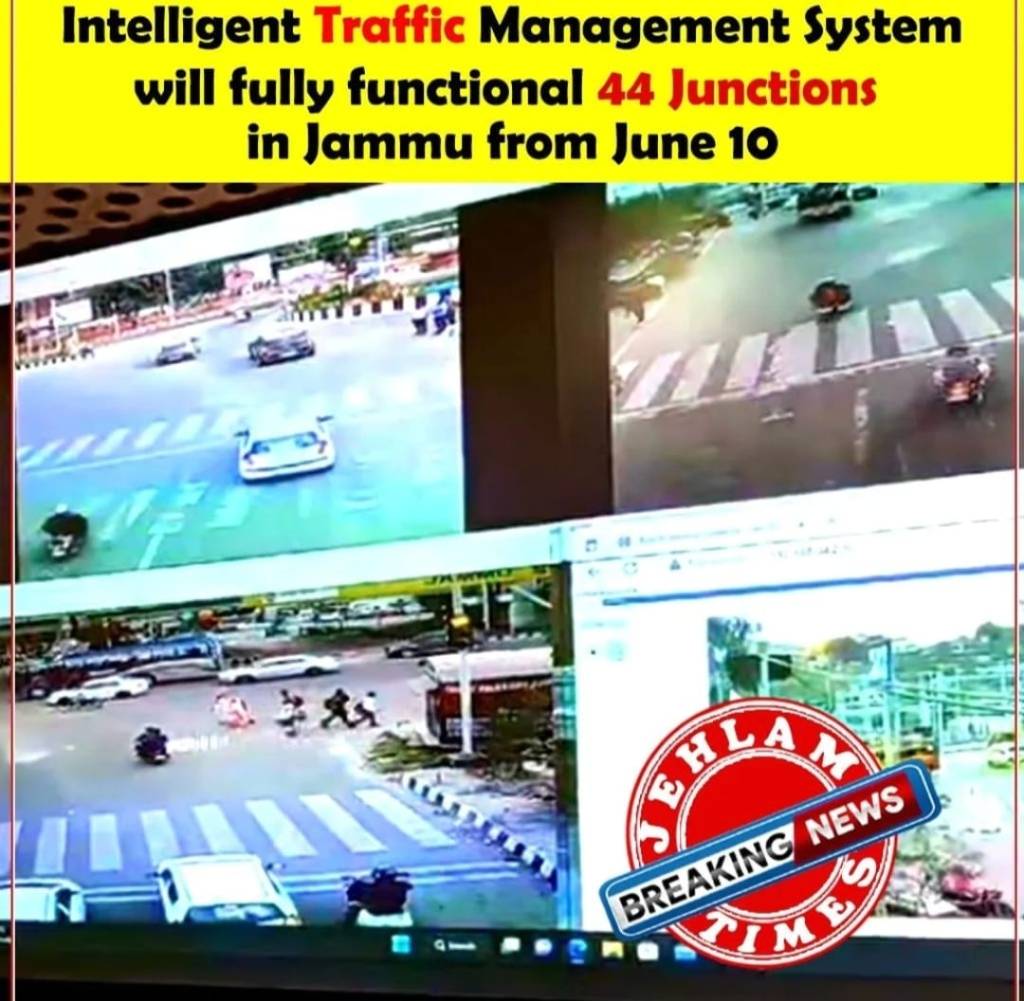
In cities across the country, major investments have transformed traffic enforcement. High-tech CCTV systems, equipped with recording capabilities and direct feeds to centralized control rooms, monitor every corner and intersection. When a driver ignores a red light or makes a reckless lane change, the camera captures it, sending evidence directly to the police. Violators, soon after, receive an electronic fine (e-challan) on their mobile devices, an immediate reminder of the new traffic norms. Unlike traditional enforcement, where violations could be overlooked or negotiated away, this system has no gaps, and no one is invisible. The cameras, impartial witnesses to all that happens on the road, leave little room for the old practices of negotiation or argument.
But these cameras aren’t only about penalizing; they’re also transforming mindsets. For decades, many Indian drivers have treated traffic laws as optional, prioritizing speed over caution, and often vying for position as if the road was a battleground. The introduction of surveillance means these drivers are constantly under watch, encouraging them to reconsider their actions. Knowing that their movements are monitored, many have begun to pause at red lights, hesitate before changing lanes erratically, and consider their choices. Where once impatience dominated the streets, a newfound caution is beginning to take hold, especially in areas with active surveillance. Signal-jumping has declined, and some intersections once infamous for their anarchy now see more orderly behavior, even if cautiously so.
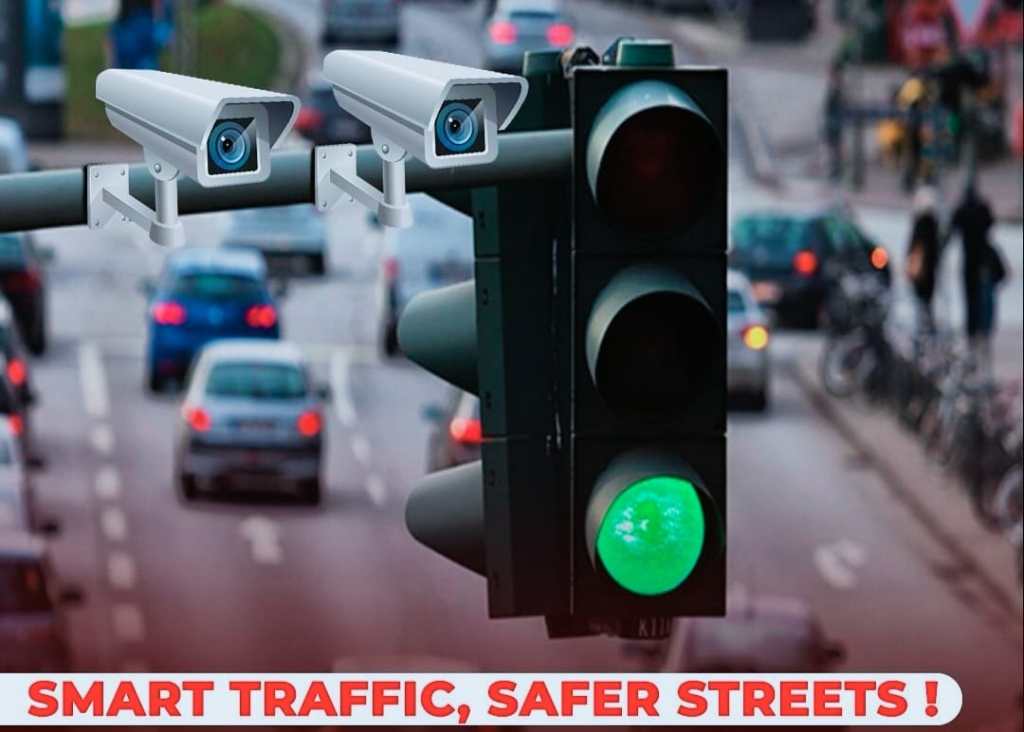
Beyond immediate enforcement, the data generated by these CCTV systems is a goldmine for urban planners and traffic management authorities. Previously, city officials relied on periodic field observations, which gave only a limited view of traffic dynamics. Now, real-time data paints a comprehensive picture, revealing everything from peak congestion hours to accident-prone zones. Such insights allow for strategic interventions—traffic lights can be synchronized to alleviate gridlock, and resources can be allocated to areas that truly need them. This data-driven approach shifts traffic management from reactive to proactive, helping cities tackle issues before they escalate, and enabling a more efficient flow on increasingly congested roads.
However, the rise of surveillance in public spaces hasn’t come without its share of criticism. Privacy advocates worry that the ever-watchful cameras may encroach on individual freedoms, raising questions about the security of stored footage and the limits of government oversight. To address these concerns, transparency is essential. Clear policies around data handling, access protocols, and the scope of monitoring can help strike a balance, ensuring that public safety doesn’t come at the cost of personal liberty. Building public trust in these systems will be crucial to their long-term success, as citizens need to see these measures as protective rather than intrusive.
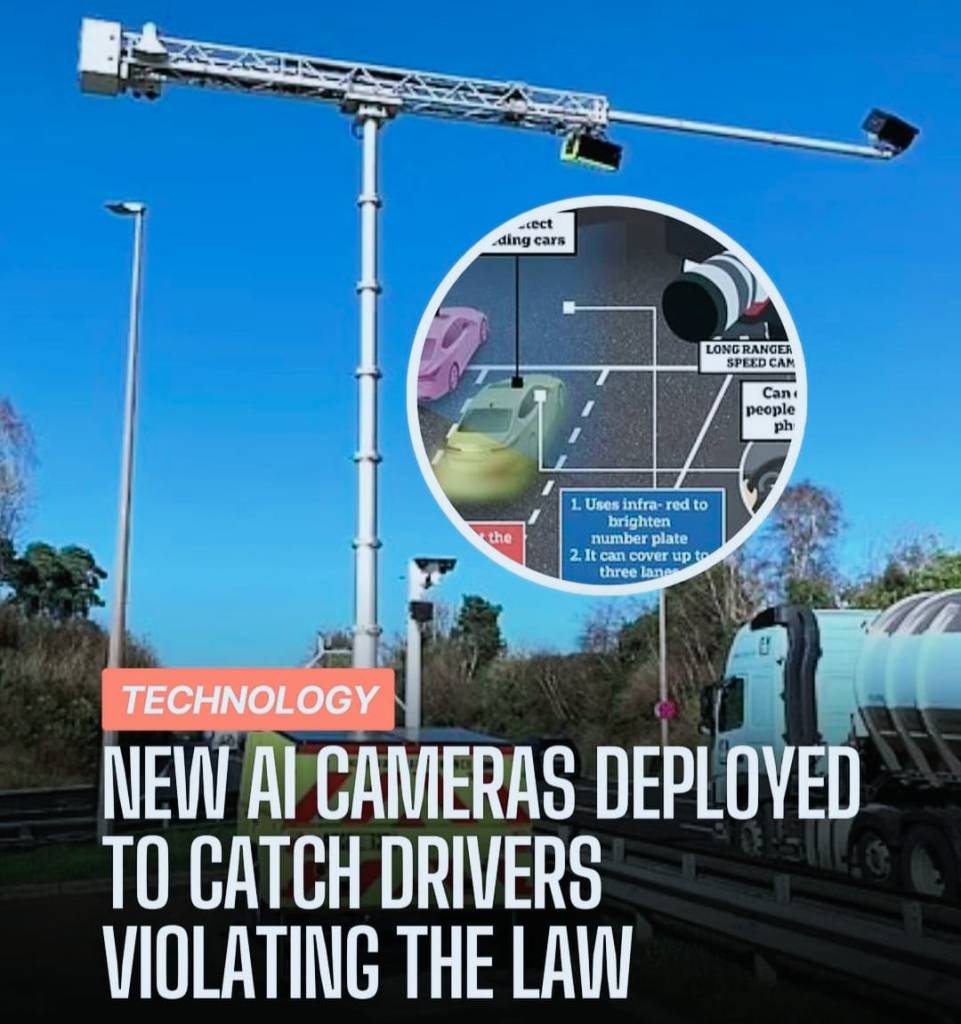
Meanwhile, a cultural shift is also underway within law enforcement. Historically, traffic enforcement in India was susceptible to leniency, where drivers could occasionally persuade officers to look the other way or settle violations with a minor negotiation. Now, with surveillance footage providing indisputable proof, these practices are disappearing. The cameras level the field, capturing every violation without bias, making it clear that rules are universally binding. This consistency has not only reduced incidents of favoritism but also strengthened public faith in the fairness of the system, sending a powerful message that everyone is equal before the law.
Central to this system’s efficiency is the integration of India’s centralized vehicle registry, which links each vehicle to its owner. This connectivity enables authorities to send e-challans directly to vehicle owners, minimizing excuses and ensuring accountability. The owner bears responsibility for their vehicle’s actions, regardless of who is driving. The e-challan system also helps the police allocate their time and resources more effectively, allowing them to concentrate on serious urban issues rather than every minor traffic infraction. This collaboration between transportation and police departments exemplifies a level of administrative coordination that underscores the government’s commitment to improving road safety and reducing traffic-related incidents.
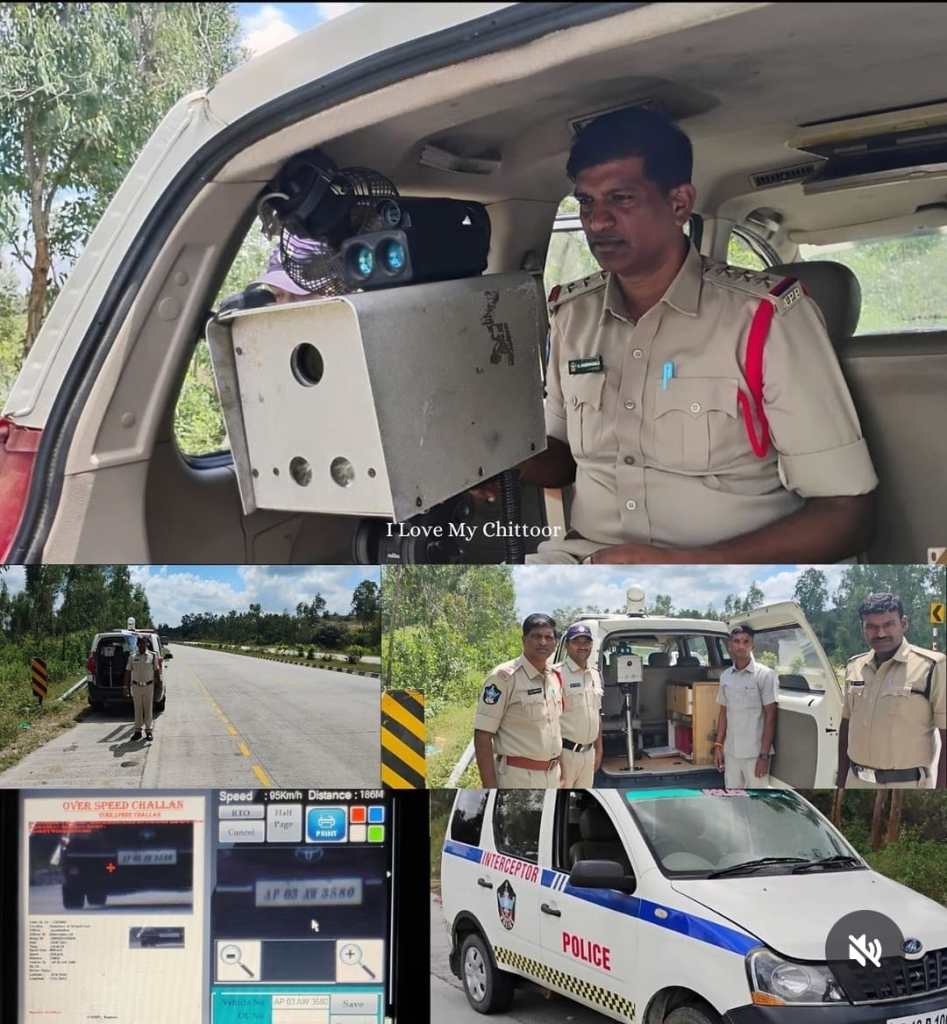
Surveillance has an undeniable psychological effect; studies show that people alter their behavior when they know they are being watched. On India’s roads, this change is already visible. Drivers approach intersections with a bit more caution, pedestrians cross with a sense of security, and everyone, from cab drivers to luxury car owners, is conscious of the ever-present cameras. This behavioral shift is reshaping India’s road culture, instilling a greater respect for traffic norms and creating a safer environment. Over time, as this awareness becomes ingrained, it is likely to lead to a sustained commitment to road discipline that transcends generations.
The impact of these surveillance initiatives is tangible. In cities where cameras are operational, traffic accidents have decreased, congestion has improved, and compliance with traffic rules is on the rise. What was once thought impossible—a functional, organized road network in India’s bustling cities—is now slowly becoming reality. This transformation goes beyond enforcing regulations; it signifies a national commitment to creating shared public spaces that everyone can navigate safely. The push for road safety highlights the role each individual plays in the broader movement toward respectful and responsible road usage.

As India embraces technology-driven traffic management, the country is taking a step towards international standards, adapting global best practices to suit its unique challenges. These cameras symbolize a larger truth: road safety isn’t just an individual concern but a collective responsibility. The vision is clear—a nation where road rules are respected, safety is prioritized, and chaos gives way to order.
In conclusion, India’s urban landscapes are undergoing a pivotal transformation, as surveillance cameras help reshape a culture of reckless driving into one of accountability. This technological leap forward emphasizes safety while respecting privacy, illustrating a balance between the two in the journey toward smoother, safer roadways. Drivers and pedestrians alike are adjusting, becoming active participants in a shared goal to make India’s streets safer. With each compliance, each observance of a traffic rule, they contribute to a larger mission: reclaiming the roads, making them accessible and secure for all.
Visit arjasrikanth.in for more insights
 SOCIAL PERSPECTIVES
One response to “Eyes in the Sky: India’s Battle Against Chaos on Wheels”
Nice post 🌺🌺
LikeLike