
“Neon Nirvana: How Diwali Went from Flickering Flames to Selfie Showdowns and Sparkly LEDs!”
Diwali, known as the “Festival of Lights,” is an enchanting celebration that transcends time, reflecting unity, mythology, and spirituality rooted in Indian tradition. The festival, deeply symbolic and rich in cultural heritage, has been celebrated for millennia. It is a vivid illustration of how traditions evolve while maintaining their essence. From its ancient beginnings in the regal courts of India’s dynasties to the vibrant LED displays of today, Diwali embodies the spirit of triumph over adversity, light over darkness, and unity amidst diversity.
Historically, Diwali traces its roots back to the great epic tales of the Ramayana. It celebrates the triumphant return of Lord Rama to Ayodhya after his fourteen years of exile and the conquest of the demon king Ravana. The city welcomed Rama with rows of oil lamps that illuminated the night sky, symbolizing hope and victory. This moment sparked a tradition that has grown to signify the universal themes of hope, warmth, and spiritual triumph, resonating with people across different regions and cultures.
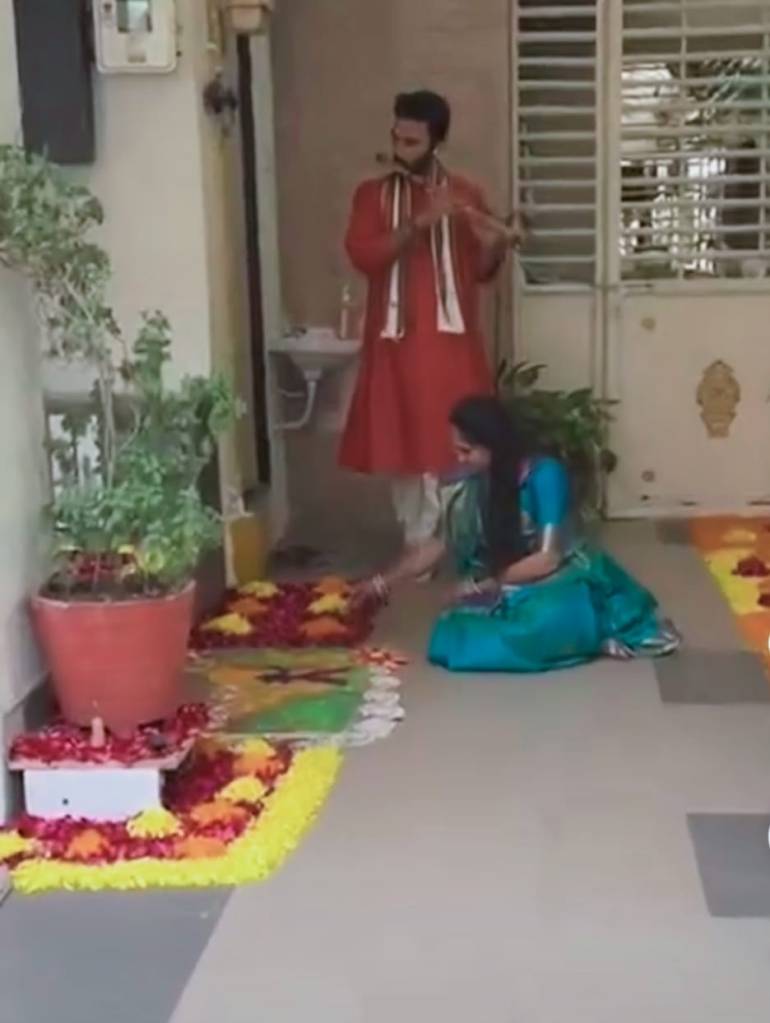
In ancient India, particularly during the reign of various dynasties, Diwali held immense significance. The Chola Dynasty, for instance, celebrated Diwali with elaborate rituals at grand temples, such as the Brihadeeswarar Temple in Thanjavur. Countless oil lamps adorned the temple, representing the victory of light over darkness. Rituals dedicated to Goddess Lakshmi featured offerings of sweets and the sharing of coconut laddoos, reinforcing the connection between prosperity and familial bonds.
During the 7th century, Emperor Harsha referred to the festival as *Dīpapratipadotsava*, the “festival of the first day of light,” which speaks to its early associations with illumination and renewal. By the 9th century, the scholar Rajasekhara noted the tradition of decorating homes and streets with oil lamps, highlighting the long-standing practice of celebrating light and wealth. The festival’s five-day observance incorporates significant rituals, such as Dhanteras, Naraka Chaturdashi, and Bhai Dooj, each adding depth and cultural meaning to the festivities.
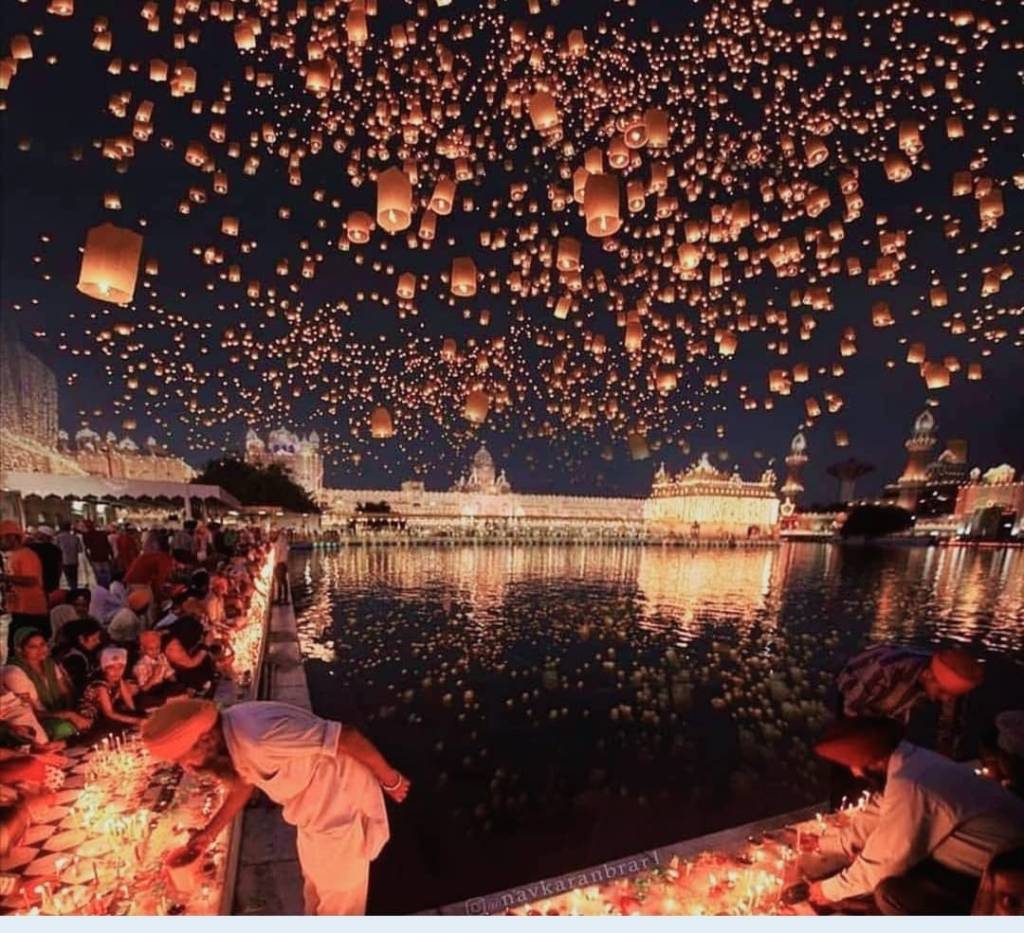
As Diwali spread throughout the subcontinent, regional variations emerged, reflecting local folklore and traditions. In Southern India, it marks the victory of Lord Krishna over the demon Narakasura, celebrating purification and the bond of family through shared rituals and sweets. In Western India, the festival focuses on honoring Lakshmi, the goddess of wealth, with vibrant fireworks and elaborate decorations lighting up the night sky. Similarly, in Eastern India, Diwali intertwines with the worship of Goddess Kali, showcasing diverse cultural expressions through dance, music, and communal feasting.
Statistically, the economic impact of Diwali is significant, particularly in the realm of gifting. The gifting market in India surpassed $27 billion in recent years, with projections indicating sales could reach Rs 2.8 trillion in 2024. This boom not only highlights the festival’s economic importance but also emphasizes the continued value of shared joy and connection among families and communities during this festive time.
However, as Diwali entered the modern age, its celebration transformed dramatically. The warm glow of traditional clay diyas gave way to dazzling LED lights, illuminating urban landscapes with vibrant displays. Today, neighborhoods are adorned with elaborate decorations, often synchronized with music, creating a spectacle that mirrors the changing dynamics of society. Public gatherings showcase stunning fireworks, with many revelers opting for high-energy celebrations that contrast sharply with the quiet intimacy of earlier times.
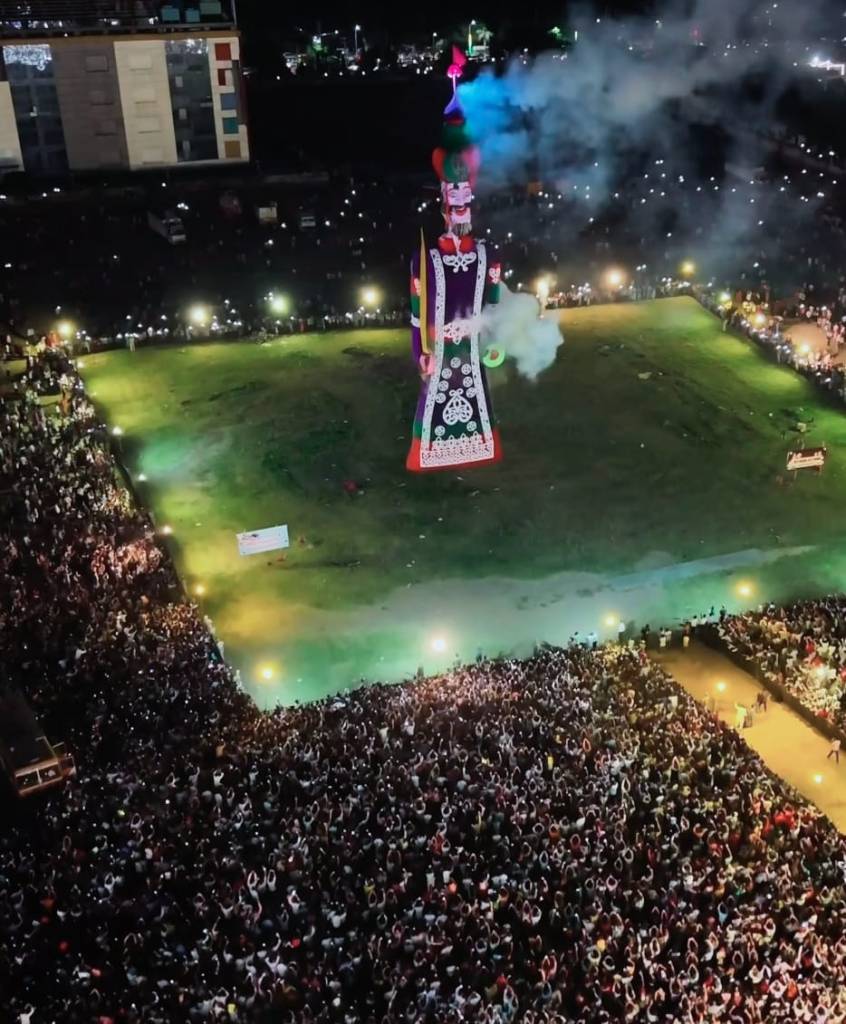
The advent of technology and social media has further reshaped Diwali into a global phenomenon. Platforms like Instagram, Facebook, and WhatsApp allow individuals to share their celebrations, extending the festival’s reach far beyond India. People from all corners of the world participate in the festival’s spirit, exchanging greetings and showcasing their celebrations through photos and videos. This new digital dimension fosters a sense of unity, as communities come together to celebrate cultural diversity and shared values.
While the modern celebration of Diwali embraces technology and globalization, it has also raised environmental concerns. The shift from biodegradable oil lamps to fireworks and plastic decorations has sparked significant discussions around sustainability. In response, a growing movement advocates for “green” Diwali practices, promoting the use of eco-friendly decorations, minimizing firecracker use, and a return to traditional oil lamps. This evolution towards environmental awareness is a testament to society’s growing consciousness regarding the ecological impact of celebrations.
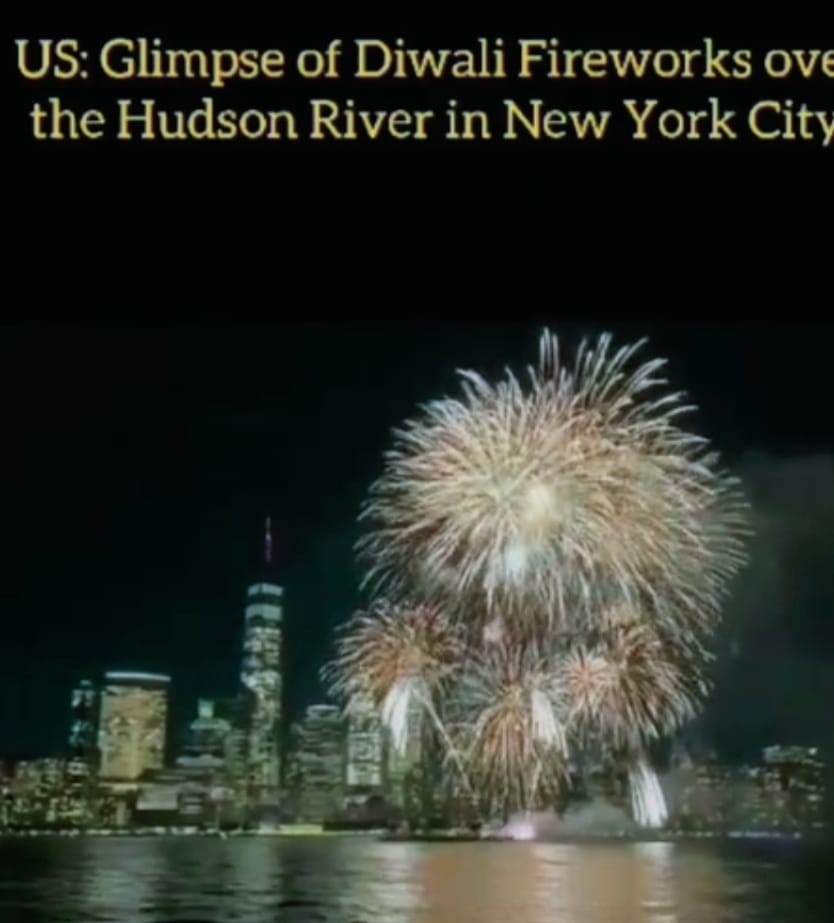
Moreover, Diwali’s inclusivity continues to broaden its appeal across cultures and religions. While predominantly celebrated by Hindus, Sikhs, Jains, and Buddhists also partake in the festivities for various reasons. Sikhs observe “Bandi Chhor Divas,” marking the release of Guru Hargobind, while Jains celebrate Lord Mahavira’s attainment of nirvana. This spirit of inclusivity makes Diwali a cross-cultural celebration, embodying the essence of unity in diversity, a hallmark of India itself.
Despite these shifts, the heart of Diwali remains constant. The festival’s essence—symbolizing light, hope, and togetherness—endures amidst societal changes. The stories that inspired its origins, whether the triumphant return of Lord Rama or the simple act of lighting a lamp, resonate deeply within the hearts of millions. As the festival continues to evolve, its core values of joy, gratitude, and unity endure, making it a timeless occasion that binds generations and cultures together.
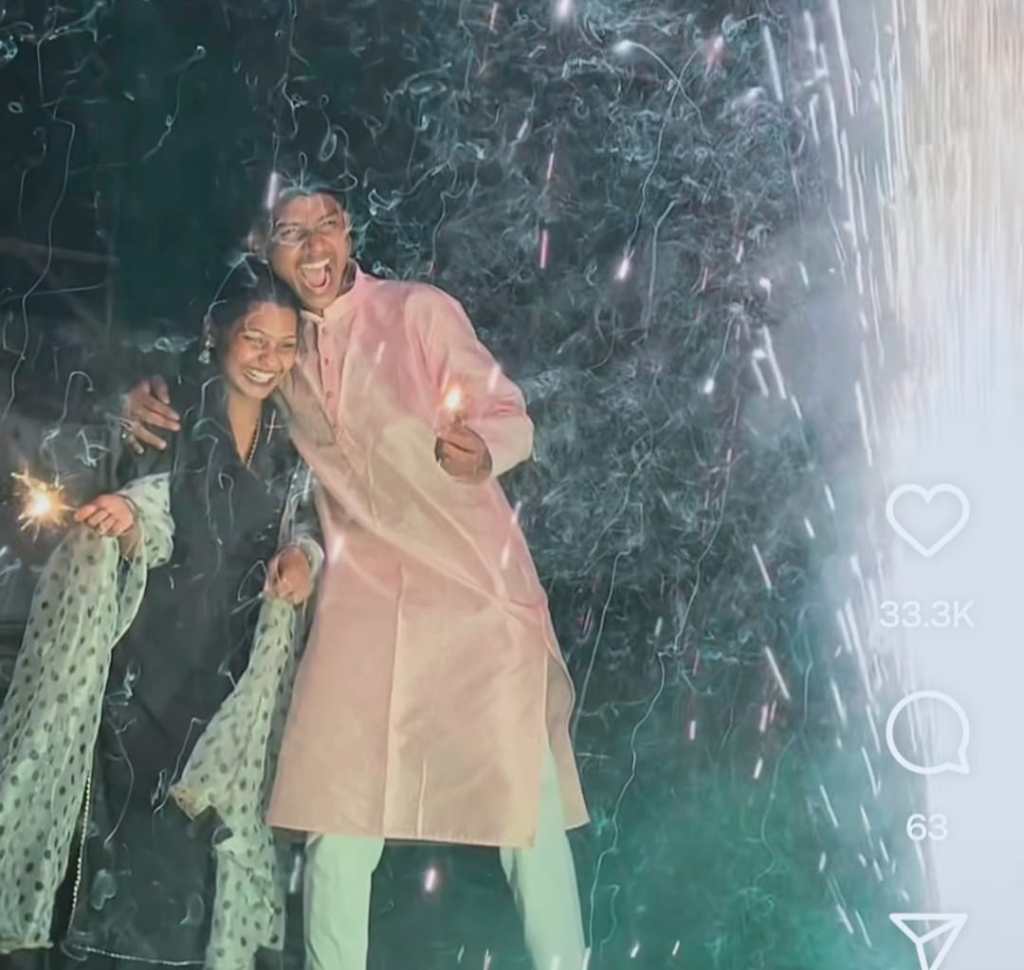
In conclusion, Diwali has transformed from modest oil lamps to elaborate LED displays, yet its heart remains constant. The festival reflects a blend of ancient and modern, simplicity and grandeur, reminding us that traditions can evolve while retaining their core values. Diwali’s journey mirrors India’s own evolution, encapsulating the spirit of light and unity across time and space. As we navigate the complexities of contemporary life, Diwali serves as a beacon of hope, illuminating our shared humanity and connecting communities in a celebration that transcends borders. Whether celebrated with traditional diyas or dazzling lights, the spirit of Diwali—the triumph of light over darkness and good over evil—remains unbroken, lighting up hearts around the world in an ever-changing yet constant glow.
Visit arjasrikanth.in for more insights
 SOCIAL PERSPECTIVES