
Egg Freezing to Empowered Choices: The Battle Against Biological Clocks and Societal Norms
Put in a penny for every time we’ve heard the words “your biological clock is ticking,” and we could move to Venus and run our own planet. It’s an unfortunate reality that, unlike men, women are bound by biological constraints when it comes to having children. Born with a finite number of eggs, the quantity and quality of these eggs drastically decline after the age of 37, shaping societal norms and expectations around women’s fertility for centuries. However, advancements in science have given women the option to control their reproductive timelines through egg freezing, a practice rapidly gaining traction in urban India.
The concept of egg freezing, formally known as oocyte cryopreservation, emerged in the 1980s when scientists discovered how to preserve human eggs. This ground breaking technology was like a time capsule for women’s fertility, allowing them to delay motherhood while pursuing education and careers. For decades, the technology was not widely accessible, but as it became more mainstream, educated women across the globe began to embrace it. In the United States and certain European countries, this trend has flourished and is gradually making its way into the metropolitan cities of India.

As India’s social fabric evolves, an increasing number of women are attaining higher levels of education and achieving financial independence. However, this progress has introduced an unexpected challenge: many educated women struggle to find suitable partners who align with their aspirations and values. The rise of partnerships, particularly among career-driven women, has fostered a new narrative surrounding motherhood and relationships. Independent thinking is now a defining characteristic of modern women, while the emergence of cohabiting relationships and the growing visibility of the LGBTQ community further complicate traditional norms.
A growing number of women are taking charge of their reproductive futures by opting to freeze their eggs. One such professional decided to undergo this procedure at the age of 30, viewing it not only as a way to extend her career but also as a form of insurance for her future. She noted, “I know that for the next five years at least, I don’t want kids. But what if, ten years later, I change my mind?” This perspective resonates with many women who are considering egg freezing—not just as a means to climb the corporate ladder, but as a way to keep the option of motherhood open when they feel ready.

Interestingly, research indicates that many women are not choosing to freeze their eggs primarily for career advancement. Studies reveal that the majority of women opting for this procedure do so due to challenges in finding committed partners. A significant percentage indicated that their primary motivation for freezing their eggs stems from the difficulty of locating an eligible partner with whom they could envision building a family. This so-called “meeting gap” has led to the emergence of a new reproductive landscape, where women are proactively taking steps to secure their futures as mothers, even if it means considering solo motherhood.
This phenomenon raises questions about the changing dynamics of relationships and the expectations placed on women. In a society where traditional roles are still prevalent, the notion of a woman opting for motherhood without a partner challenges long-standing norms. The women surveyed voiced their frustration at the difficulty of finding suitable partners, often citing a lack of commitment from men or the inability to find educated, equal partners interested in starting a family.
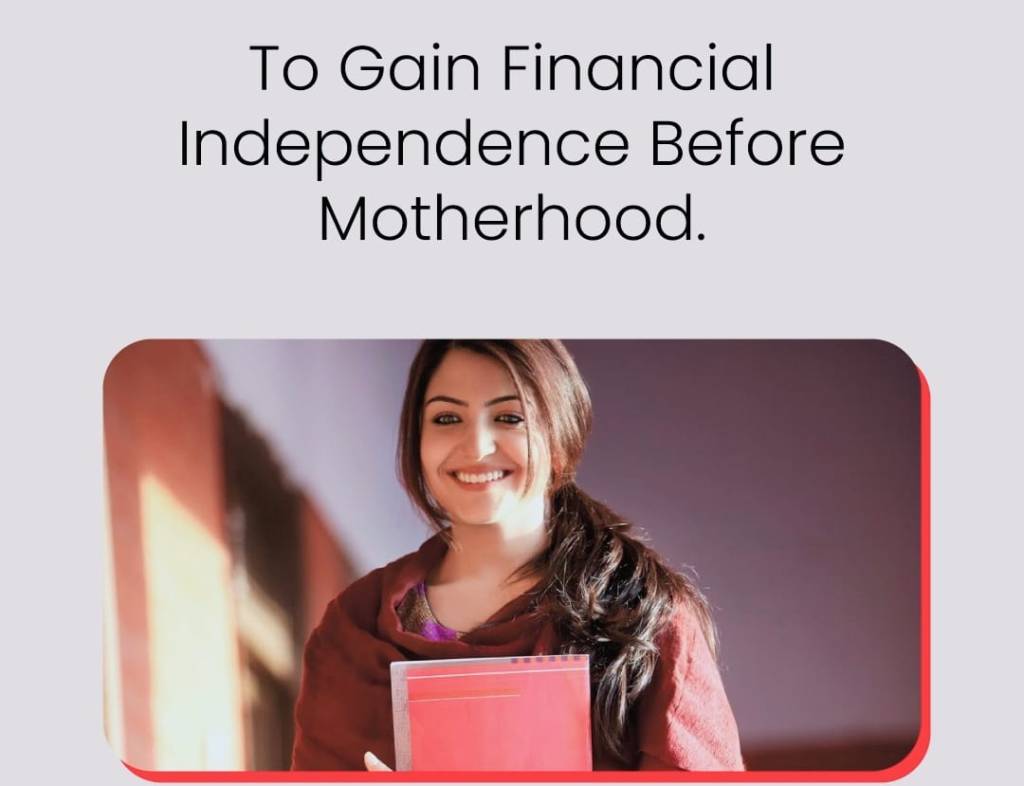
In India, the narrative surrounding women who freeze their eggs is often clouded by stereotypes. They are perceived as ambitious, career-driven individuals postponing motherhood in pursuit of professional success. However, the reality is more complex. While professional aspirations play a role, many women are motivated by the desire for partnership, pregnancy, and parenthood. They want to secure their reproductive options in a world where finding the right partner has become increasingly challenging.
As women in India continue to pursue higher education and stable careers, they often face the harsh reality of the dating landscape. The growing educational disparities between men and women have created a scenario where many women are left searching for partners who match their academic and professional aspirations. This disconnect has led to a re-evaluation of what partnership means and how it fits into the modern narrative of womanhood.

Interestingly, findings from a survey conducted in India reflect trends observed in similar studies from the United States. Many women in their 30s expressed a strong desire to have children but reported challenges in finding stable partnerships. The definition of the “ideal partner” has shifted, with women increasingly seeking companions who not only align with their personal aspirations but also share their core values and perspectives on life. This evolution underscores the changing dynamics of relationships and the importance of compatibility in modern partnerships.
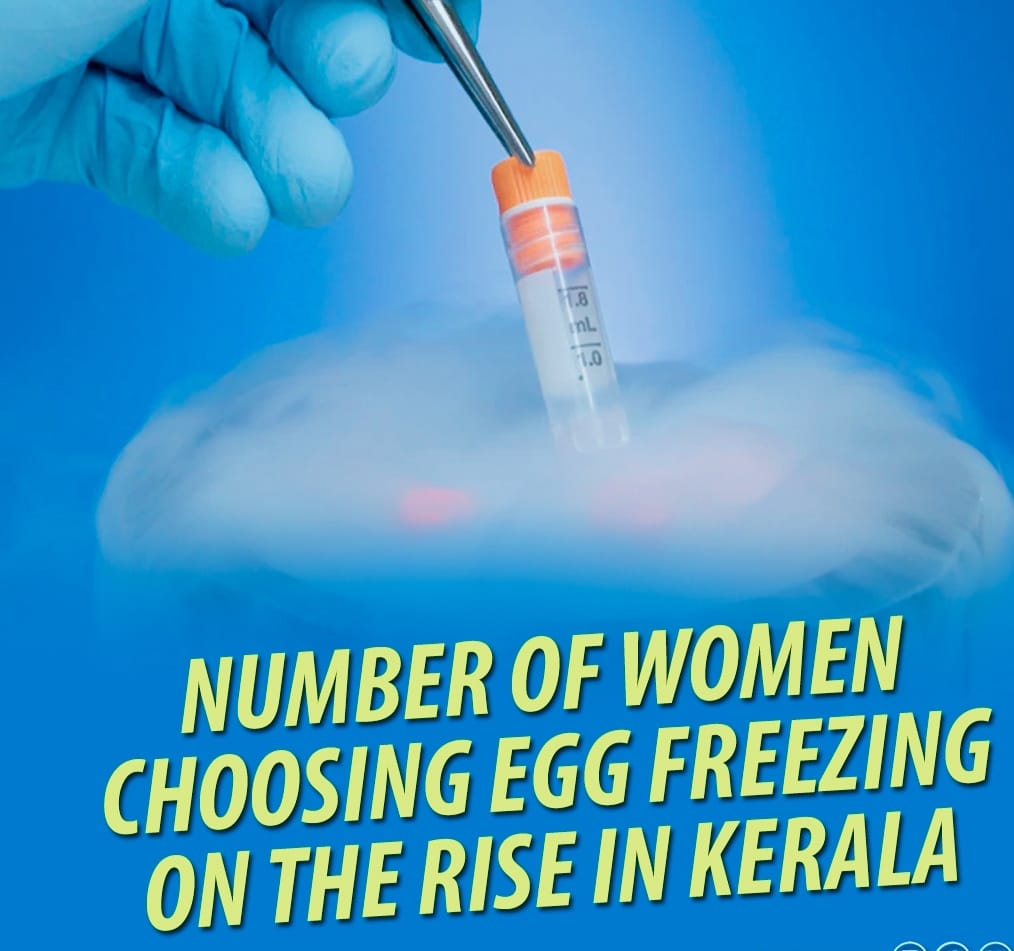
In metropolitan areas like Bangalore, Mumbai, and Chennai, the trend of egg freezing is gaining momentum. Women from various educational backgrounds are increasingly considering this option as a means of taking control of their reproductive futures. The survey yielded fascinating insights: while career success was the third most popular reason for considering egg freezing, the desire for biological security and the search for a suitable partner ranked higher.
The stark reality is that many women are postponing motherhood due to the absence of committed partners. The traditional notion of the nuclear family is being redefined, as more women are willing to embrace single motherhood if necessary. The growing acceptance of solo parenthood is a testament to the changing landscape of relationships and family structures.
Furthermore, the financial aspect of egg freezing cannot be overlooked. In India, the procedure is significantly more affordable than in Western countries, making it accessible to a larger demographic. This affordability, combined with the increasing availability of fertility clinics, has contributed to a burgeoning fertility market in India. As more women opt for egg freezing, the country is positioning itself as a potential hub for fertility treatments.

The rise of egg freezing in India reflects broader societal changes and the empowerment of women. It provides them with the freedom to make choices about their bodies and their futures. The narratives surrounding motherhood are evolving, with women now able to envision a life that allows for both career fulfilment and family life on their own terms.
As the egg freezing trend continues to grow in India, it invites us to reflect on the changing landscape of relationships, partnerships, and motherhood. The challenges faced by educated women in finding compatible partners highlight the need for societal shifts in perceptions and expectations. The journey toward motherhood is becoming increasingly complex, and as women navigate these changes, they are redefining what it means to be a woman in the modern world.

In conclusion, the egg freezing revolution is not just about preserving fertility; it is about empowering women to take control of their reproductive choices. As educated women in India continue to break barriers and challenge societal norms, they are paving the way for a future where motherhood can be embraced on their own terms. The narrative surrounding women’s fertility is changing, and with it, the expectations placed upon them. The journey toward motherhood is now a multifaceted experience, shaped by education, independence, and the evolving dynamics of relationships. The world is changing, and women are taking charge—after all, the clock is ticking, but now they can decide when to press the snooze button.
Visit arjasrikanth.in for more insights
 SOCIAL PERSPECTIVES