From Dreams of Healing to a Struggle for Survival in a Technological Tsunami
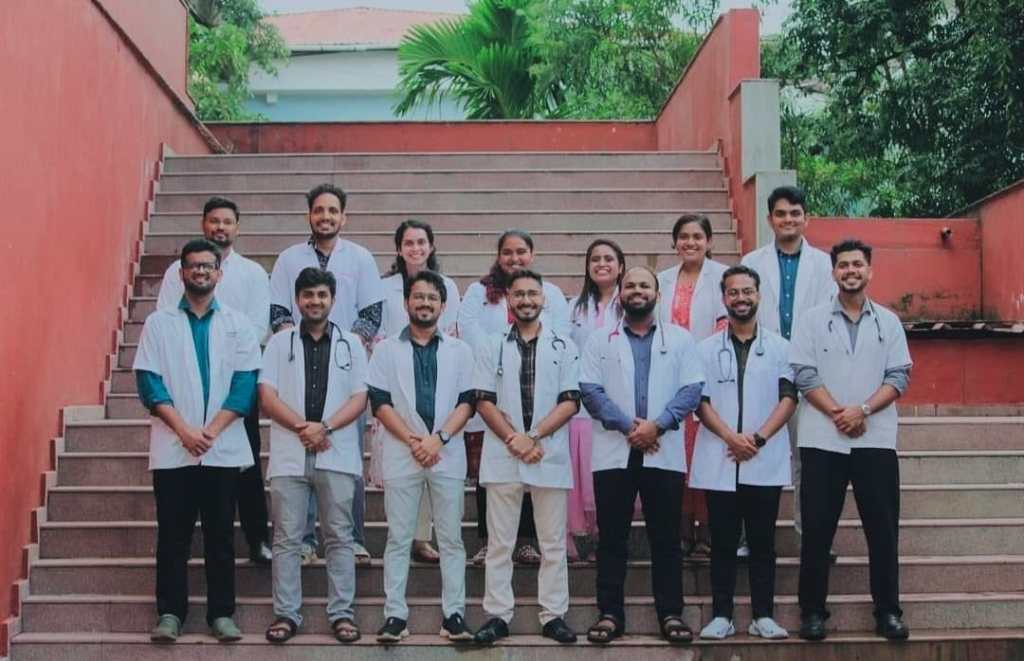
Once upon a time, in the bustling landscape of India, becoming a doctor was synonymous with job security and elevated social status. Families would beam with pride at the mention of their loved ones donning white coats, wielding stethoscopes, and saving lives. However, today’s aspiring healers find themselves grappling with a disheartening reality that stands in stark contrast to that illustrious dream. With the healthcare sector undergoing seismic shifts, young doctors face a bewildering array of challenges that threaten to overshadow their years of dedication and sacrifice.
Imagine a 32-year-old doctor who has devoted His/ Her youth to the rigorous study of medicine, pouring both time and substantial financial resources into his/ her education. After completing demanding internships and specializing further, the doctor opened a modest practice in an affluent neighbour hood, setting consultation fee at ₹1,000—a rate considered relatively low for the area. Despite impressive qualifications and dedication, Doctor struggles to attract patients and cover even the overhead costs. This leaves questioning whether the arduous journey to becoming a doctor was truly worth the financial burden. Unfortunately, this story is far from unique; it resonates deeply with the experiences of many young doctors in India today.
The harsh reality is that nearly half of all medical seats in India are in private and deemed medical colleges, where the cost of an MBBS degree can skyrocket to anywhere between ₹50 lakh and ₹1 crore. These exorbitant fees create an overwhelming burden of student debt, turning the once-vibrant dream of independent practice into a distant mirage. A gynecologist and counselor for medical entrance exams highlights this grim situation: the financial strain does not ease upon graduation. Aspiring doctors often find themselves compelled to pursue further specialization, which can require an additional ₹2 to ₹2.5 crore for postgraduate degrees.
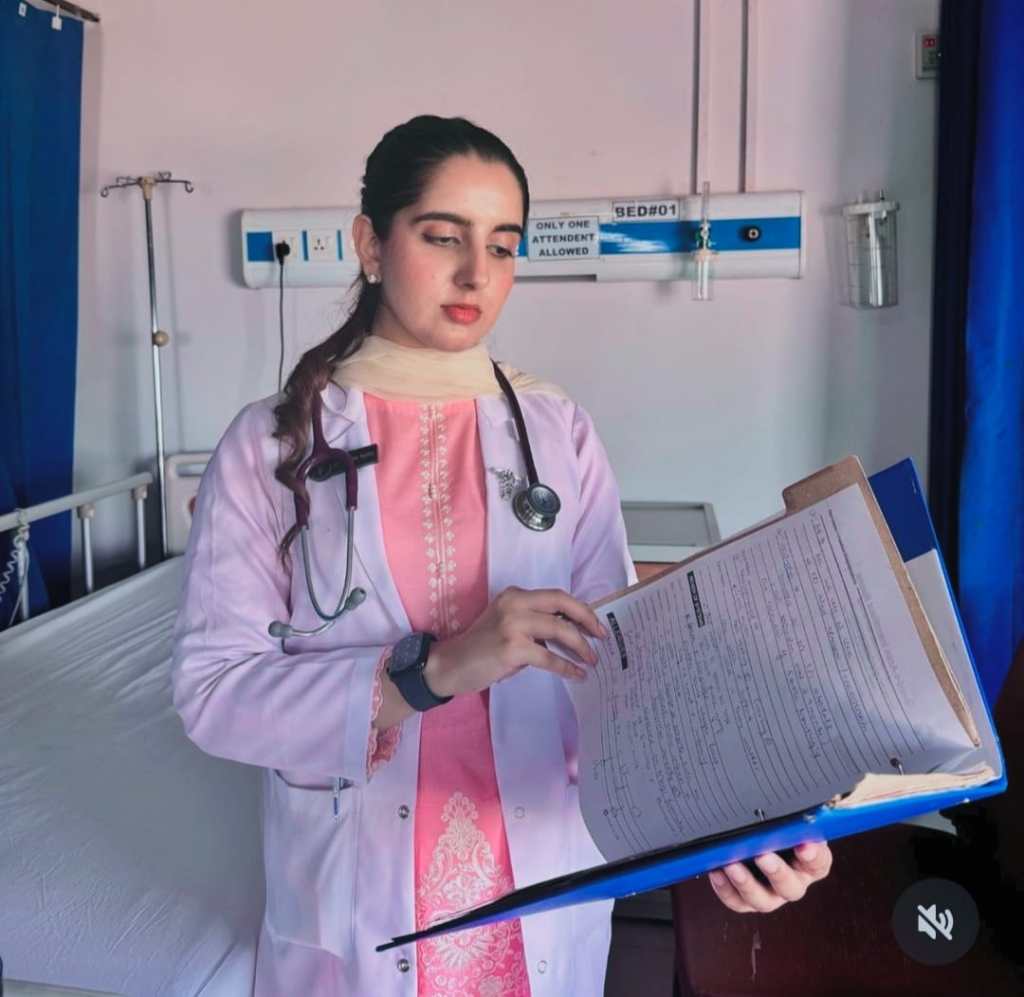
This economic strain is only compounded by the cutthroat nature of the healthcare market. Young doctors find themselves competing not only against their peers but also with corporate hospital chains and telemedicine platforms that entice patients with lower costs and the allure of perceived higher quality. In a landscape where establishing a robust online presence has become essential for success, many seasoned practitioners, who once thrived without a digital footprint, now face an uphill battle to adapt or risk becoming obsolete.
Furthermore, despite their rigorous training, many young doctors feel ill-equipped to meet the rapidly evolving demands of a healthcare environment increasingly dominated by technology. Some resort to unethical practices, such as accepting kickbacks for patient referrals, simply to survive. This disheartening trend tarnishes the reputation of the medical profession and jeopardizes the quality of care patients receive.
Recognizing these daunting challenges, the Indian Medical Association (IMA) has launched a web portal aimed at connecting young doctors with job opportunities, both domestically and internationally. Yet, this initiative raises serious concerns about the ongoing doctor shortage in India. As more young practitioners seek opportunities abroad, the healthcare system risks losing its qualified talent, exacerbating an already critical situation.

The competitive nature of the medical field begins well before prospective students even step foot in medical school. India offers just over one lakh medical seats, with half of those available in government colleges that, while more affordable, are notoriously difficult to gain admission into. The financial disparities in tuition fees are eye-opening: an MBBS degree from a prestigious government medical college in Maharashtra might cost around ₹1 lakh, while private institutions can charge between ₹7 lakh and ₹16 lakh. The exorbitant fees at deemed universities can exceed ₹25 lakh per year, compelling many students to consider loans that can leave them financially shackled.
Even if they successfully navigate medical school, young doctors face the need for further specialization to secure lucrative consulting positions. Establishing a private practice often requires an initial investment of ₹40 to ₹50 lakh for modern clinic equipment—an overwhelming sum for those already burdened by significant student loans. The rise of corporate healthcare and branded clinics adds to the pressure on independent practitioners, compelling them to adopt business models that prioritize profitability over patient care. This shift often forces doctors to juggle dual roles: healing patients while simultaneously managing the complexities of running a business.

The pandemic catalyzed a profound change in the doctor-patient dynamic, as telemedicine became the go-to option for many patients seeking non-emergency consultations. This shift creates a competitive environment where traditional practitioners must contend with lower-cost telemedicine services. The financial implications of this trend are stark; many young doctors find themselves forced to lower their fees or offer discounts to attract patients, further squeezing their already slim profit margins.
In this challenging climate, forming strategic partnerships has become essential for survival. Young doctors frequently work on a commission basis within private hospitals, sharing fees with their employers as they attempt to build a patient base before launching their high-cost clinics. However, this model is fraught with difficulties; many practitioners report gruelling hours—sometimes exceeding 16 hours a day—simply to make ends meet. As the quest for financial stability becomes increasingly complicated, many young doctors are compelled to look abroad for better opportunities, adding another layer of complexity to their already daunting career decisions.
The evolution of the medical profession in India presents both challenges and opportunities. While corporate hospitals and branded clinics dominate the market, a demand for the personalized care that independent practitioners provide still exists. To thrive, however, young doctors must embrace innovative marketing strategies and engage with patients through digital platforms. The future of medicine in India hinges on striking a balance between maintaining the integrity of the profession and adapting to the demands of a modern healthcare system.
In this intricate landscape, young doctors must remain steadfast in their commitment to providing quality care. The critical question looms large: Can they successfully merge traditional medical practices with the innovations of the digital age, or will they find themselves left behind in an ever-evolving environment?
The reality for young doctors in India is a complex tapestry woven with struggle, uncertainty, and the potential for transformation. The confluence of soaring education costs, fierce competition from corporate healthcare, and the rise of telemedicine creates an environment ripe with challenges. Yet, within these obstacles lies the opportunity for innovation and growth. By embracing technological advancements and adapting to the evolving needs of their patients, young doctors can carve out a new path in medicine that honours their rigorous training while addressing the demands of modern healthcare.

As India’s healthcare sector, projected to exceed $610 billion by 2026, continues to evolve, the next generation of doctors holds the key to its future, provided they can skilfully navigate these turbulent waters. It is crucial that they find a balance between upholding the ethical foundations of their profession and evolving alongside a dynamic healthcare landscape. In doing so, they will not only secure their futures but also contribute to enhancing the overall quality of healthcare in India, ultimately fulfilling the noble calling of their profession. The future of medicine is indeed uncertain, but one thing remains clear: the resilience, creativity, and unwavering commitment of young doctors will shape its trajectory for years to come.
Visit arjasrikanth. in for more insights
 SOCIAL PERSPECTIVES
2 responses to ““Stethoscopes and Screens: The Twisted Tale of Young Healers in India””
Well written article dealing with crux of the problem faced by medical professionals,
LikeLike
Thank you for your valued feed back and observations
LikeLike