
Chandra Babu Naidu, Pawan Kalyan, and Nara Lokesh Unite to Propel Andhra Pradesh from Stagnation to Prosperity, Fusing Rural Revitalization with Industrial Expansion.
Andhra Pradesh, a state known for its rich culture and scenic beauty, had faced significant challenges over the past five years. Amid increasing concerns of economic stagnation, especially in rural areas, the state finds itself at a crossroads where robust employment creation and wealth generation are crucial for long-term sustainability. Tasked with reversing this downward spiral and fostering growth are three prominent leaders: Chandra Babu Naidu, Pawan Kalyan, and Nara Lokesh. Each of them brings unique strengths, experience, and visions, and their coordinated efforts are vital for Andhra Pradesh’s renaissance.
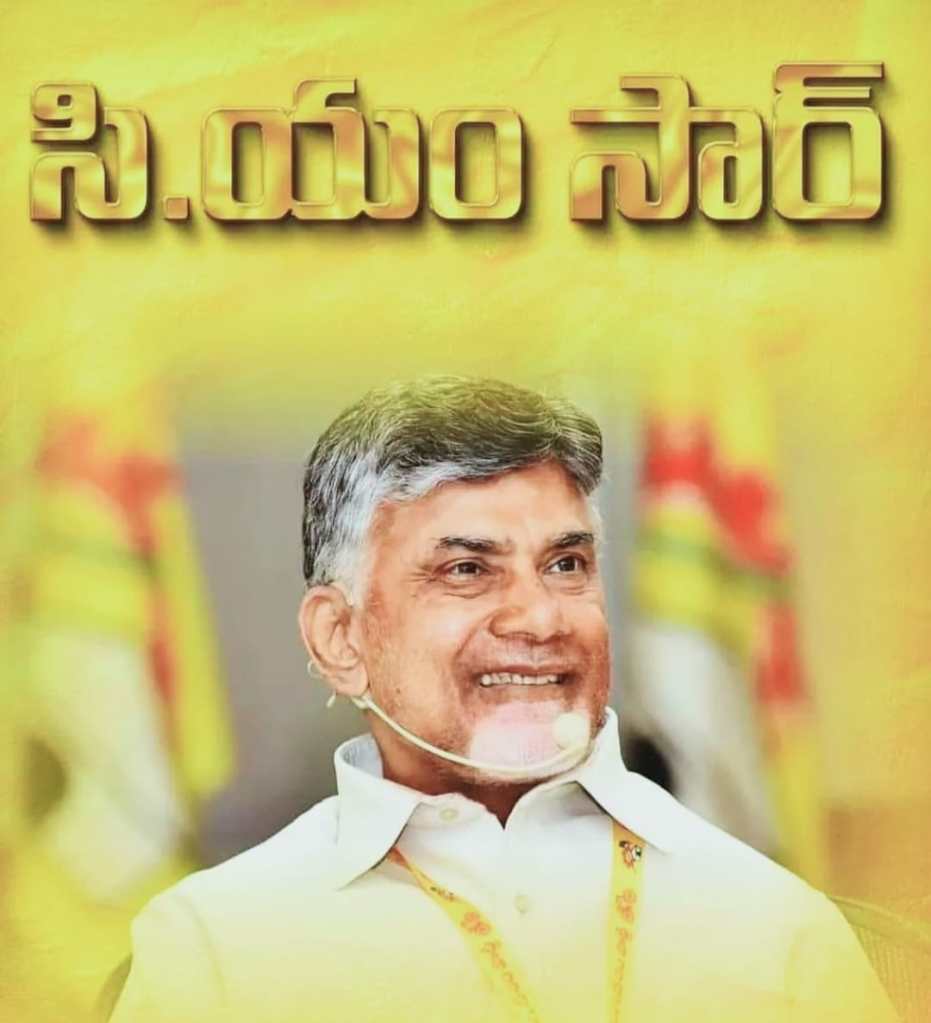
Chandra Babu Naidu, the Chief Minister, has taken on the daunting responsibility of revitalizing a state that has long relied on its rural economy. Naidu’s leadership legacy is closely tied to a balance between welfare schemes and large-scale development initiatives that aim to create an ecosystem where both wealth generation and employment can thrive. His understanding of the intricate relationship between rural development and industrial growth is critical for achieving sustainable economic growth in Andhra Pradesh. He is known for being forward-thinking, especially when it comes to adopting technology-driven initiatives and long-term strategies that benefit the broader population.
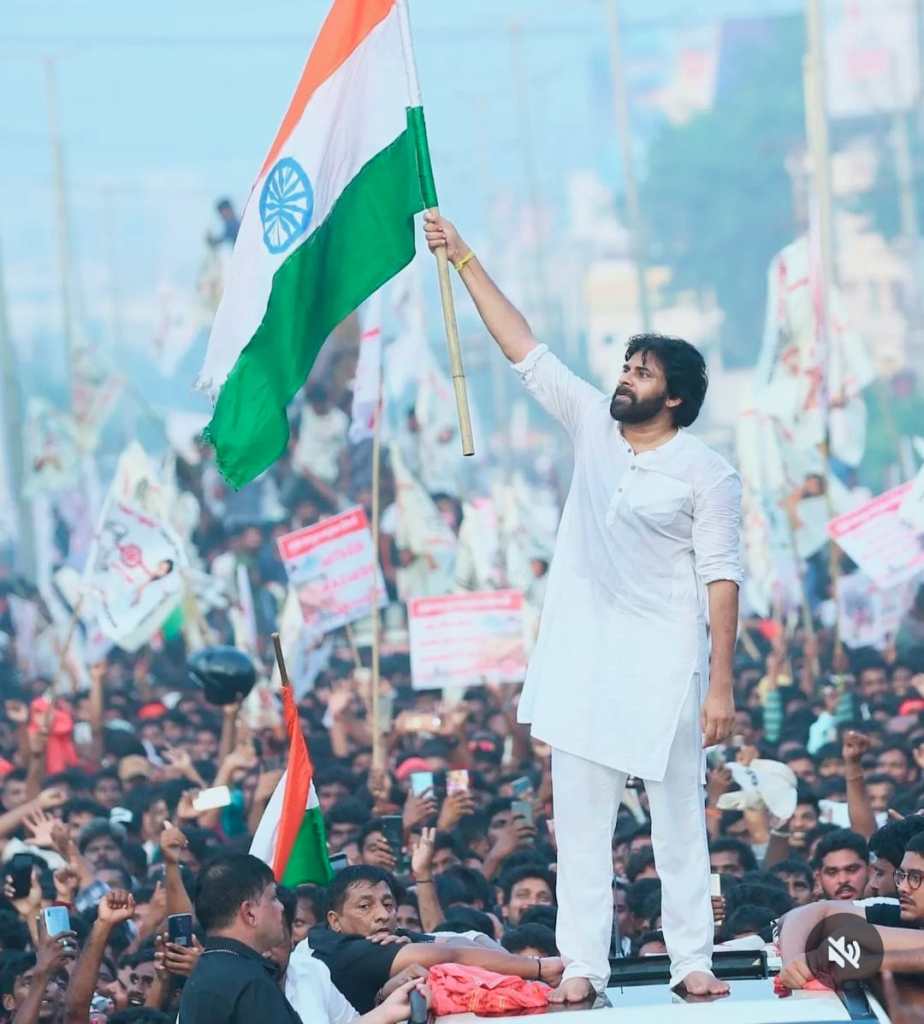
At the grassroots level, Deputy Chief Minister Pawan Kalyan, a mass-based politician with strong rural connections, has become a champion for rural development. Known for his ability to engage with the common man, Kalyan has embarked on an ambitious journey to revolutionize rural life through direct interactions and participatory governance. Over 13,000 gram sabhas have already been conducted under his leadership, where villagers openly express their concerns and priorities. This level of grassroots engagement ensures that the developmental activities are not only relevant but also directly address the needs of the communities.
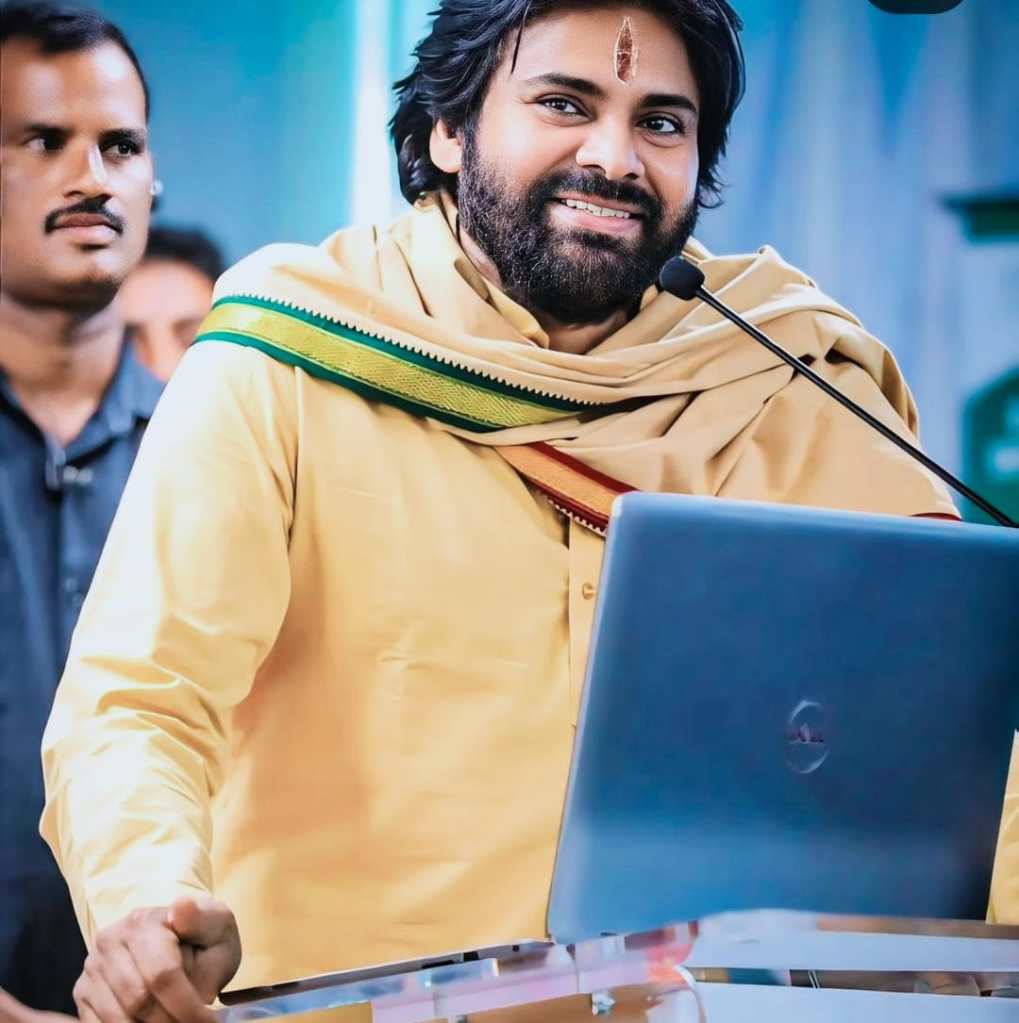
Kalyan’s approach to rural development is not just theoretical; it is action-oriented. His “Palle Panduga” initiative, which celebrates rural life and promotes active community involvement, has helped generate enthusiasm around local projects. His emphasis on transparency, particularly in fund allocation and local leadership engagement, is an important step toward combating the perception of government neglect in rural areas. Furthermore, Kalyan has ensured that resources are available for development, securing ₹1,987 crore through the National Rural Employment Guarantee Scheme (NREGS) within the first 100 days of the new government. The central government has also sanctioned ₹4,500 crore, ensuring that the necessary financial support is in place for ongoing projects. His commitment to timely execution and high-quality outcomes speaks to his dedication to transforming rural areas from neglected regions into hubs of growth and opportunity.
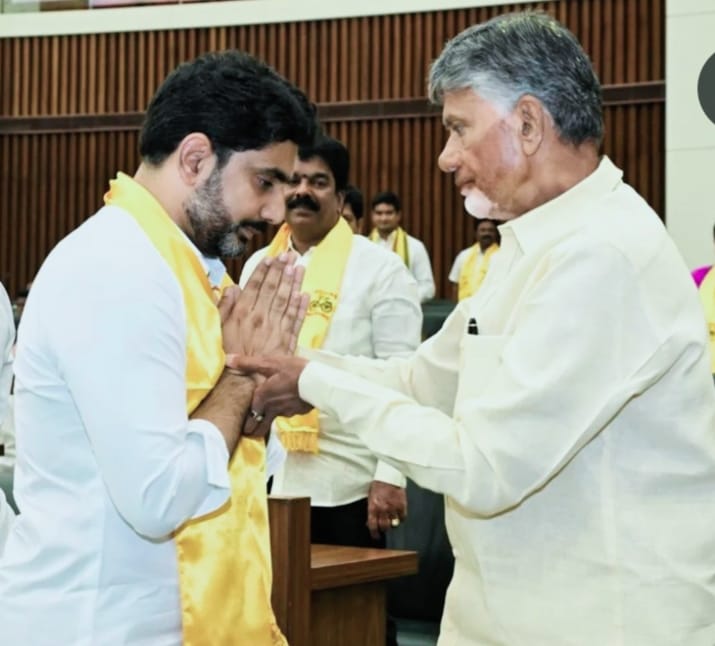
On the industrial front, Nara Lokesh, Naidu’s son, brings an entrepreneurial and global perspective to the table. Armed with an MBA from Stanford and a degree in Management Information Systems from Carnegie Mellon University,Lokesh has positioned himself as the state’s leading advocate for industrialization and economic diversification. He has recognized that relying solely on agriculture will not secure the state’s future, and he is actively working to bring high-tech industries to Andhra Pradesh. His success in bringing 10,000 jobs from Tata Consultancy Services (TCS) to Visakhapatnam is just the beginning of a larger effort to attract companies in sunrise sectors such as electronics and IT.
Lokesh’s emphasis on youth skill development is another critical component of his strategy. He has introduced the concept of a “Skill Census,” an innovative approach aimed at understanding the skill landscape in Andhra Pradesh and aligning it with the needs of industries. By establishing skill development centres, Lokesh seeks to ensure that the state’s youth are well-equipped with the training necessary to enter high-paying, high-demand jobs. His long-term vision is for Andhra Pradesh to become a talent hub, where industries not only find the workforce they need but also help the state’s youth find meaningful employment.

The synergy between Pawan Kalyan’s rural initiatives and Lokesh’s industrial growth strategies highlights a unique collaborative effort. Kalyan’s emphasis on improving rural infrastructure complements Lokesh’s efforts to attract industries to urban areas, creating a well-rounded approach to economic development. Their coordinated actions signify that they both understand the importance of bridging the rural-urban divide, recognizing that prosperity in one area fuels growth in the other.
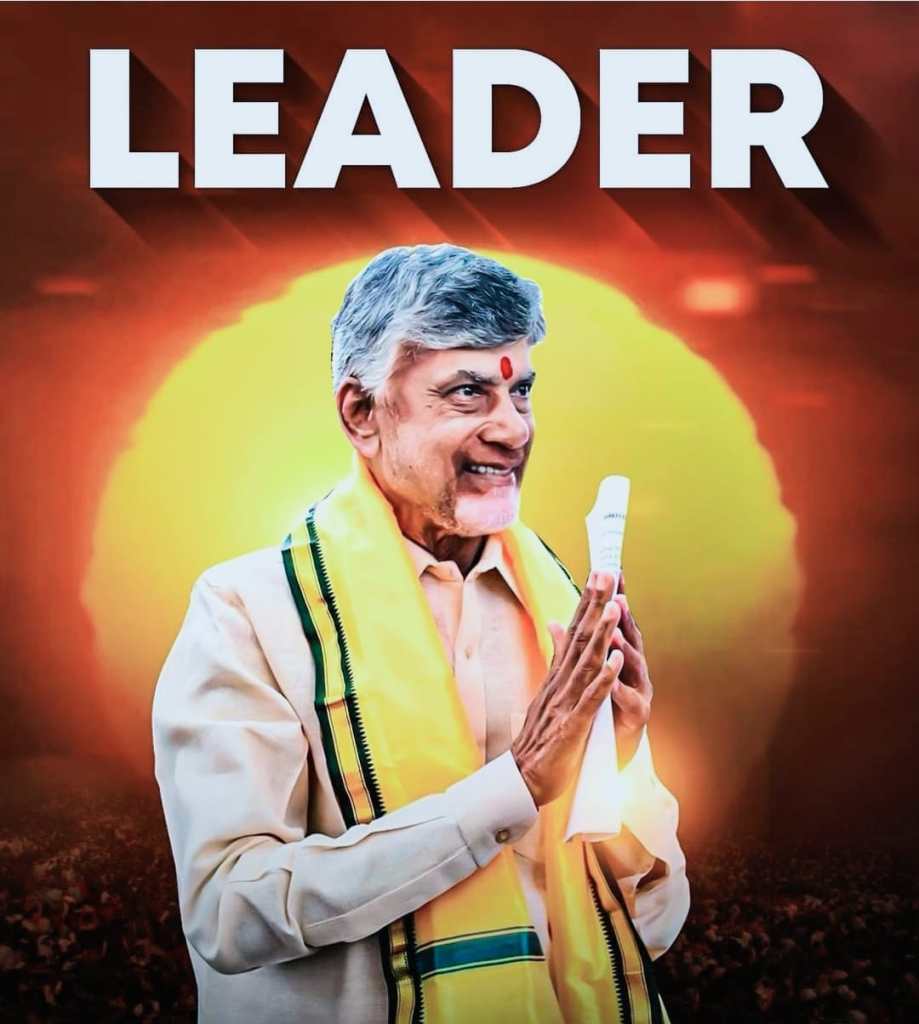
Chandra Babu Naidu, as the central figure in this leadership triad, plays the role of the unifying force. His extensive experience and deep understanding of both governance and economics allow him to guide the strategies of both Kalyan and Lokesh. Naidu is acutely aware that Andhra Pradesh’s growth must be comprehensive, encompassing both rural revitalization and industrial expansion. His ability to integrate the efforts of Kalyan and Lokesh ensures that the state benefits from a cohesive, rather than fragmented, approach to development.
Naidu’s influence extends beyond state borders. In recent discussions with Union Ministers, Lokesh advocated for the establishment of National Skill Training Institutes in Andhra Pradesh. These institutes would position the state as a leader in the competitive landscape of skill development, ensuring that both current and future generations have access to the training necessary to compete in a rapidly evolving job market. Additionally, Lokesh’s collaboration with the Indian Cellular and Electronics Association (ICEA) reflects the state government’s intent to create a business-friendly environment for companies facing regulatory challenges elsewhere. These efforts are designed to attract investment and generate jobs, stimulating economic growth that would ripple across the state.
The challenges ahead for Andhra Pradesh are significant. The previous government’s policies, which many believe stunted the state’s growth, left behind a legacy of economic despair and underdevelopment. However, with the combined efforts of Naidu, Kalyan, and Lokesh, there is a renewed sense of hope for a brighter future. The coordinated strategies focused on rural and industrial development represent a holistic solution to Andhra Pradesh’s economic challenges.
Moreover, Kalyan’s initiatives to promote community involvement through rural festivals and participatory governance create an environment where people feel a sense of ownership over the development process. This bottom-up approach contrasts with top-down development models that often fail to resonate with local communities. Similarly, Lokesh’s industrial initiatives, which focus on aligning education and training with market needs, ensure that the state’s youth are future-ready.

In conclusion, the collaborative efforts of Chandra Babu Naidu, Pawan Kalyan, and Nara Lokesh offer a roadmap for the rejuvenation of Andhra Pradesh. By focusing on job creation, wealth generation, and community engagement, they are tackling the state’s economic challenges head-on. Their coordinated approach not only addresses the immediate needs of Andhra Pradesh’s population but also sets the foundation for long-term, sustainable growth. As they work together, their combined vision and leadership provide hope that Andhra Pradesh can overcome its current challenges and move toward a prosperous future. With the right mix of policies, commitment, and collaboration, Andhra Pradesh is poised for a renaissance, making the state a model for comprehensive development in India.
VISIT ARJASRIKANTH.IN FOR MORE INSIGHTS
 SOCIAL PERSPECTIVES