
“Awakening the Silent Majority: From Apathy to Action for a Breathe Better Revolution”
As the sun rises over India’s bustling urban landscapes, the day begins with the familiar rhythm of honking cars, busy markets, and the ceaseless energy of millions. Yet, beneath this vibrant façade, a growing crisis threatens the very breath of life: pollution. Our cities are slowly turning into gas chambers, choking under a thick blanket of toxic air. This is not an issue of the future; it is a present-day catastrophe that demands immediate action. With air quality plunging to hazardous levels, especially in the National Capital Region (NCR), the stark reality is that millions are unknowingly inhaling air equivalent to smoking 23 cigarettes a day. It is high time we confront this uncomfortable truth and rally for a cleaner, healthier environment.

The statistics are harrowing and paint a grim picture of India’s pollution crisis. Between 2008 and 2019, pollution claimed approximately 33,000 lives across ten major cities, with Delhi alone accounting for 12,000 of these deaths. Major cities like Ahmedabad, Bengaluru, Chennai, Hyderabad, Kolkata, Mumbai, and Pune are grappling with their own pollution crises, contributing to a staggering figure of 1,330 polluted cities across India. The Air Quality Index (AQI) levels in many cities are 25 times higher than the guidelines set by the World Health Organization (WHO). The economic impact of this crisis is equally significant, with pollution costing the Indian economy an estimated $9.5 billion annually.
Despite the gravity of the situation, a pervasive sense of apathy prevails. Many citizens seem to be waiting for the government to step in and fix the problem, relying on agencies and authorities to take decisive action. This passive mindset only exacerbates the crisis, as it shifts the responsibility away from individuals and undermines the urgency of the situation. While government intervention is undoubtedly crucial, the time has come for a collective awakening. We need a renewed “Breathe Better” movement that not only focuses on cleanliness but also prioritizes a clean and healthy atmosphere, driven by both governmental regulations and individual responsibility.

The air in Delhi and other urban centres is a dangerous mix of toxic substances. In areas like East Delhi, pollutants such as chromium, copper, and zinc have been found in alarmingly high concentrations. One of the most hazardous pollutants, PM2.5, has been consistently found at levels that far exceed permissible limits. The health risks associated with such exposure are profound: respiratory diseases, chronic bronchitis, cardiovascular problems, and increased mortality are just a few of the known consequences. Children, the elderly, and those with pre-existing health conditions are particularly vulnerable, with many children now relying on nebulizers and antibiotics to combat respiratory ailments. This paints a bleak picture of the future, as the next generation is growing up in an environment that is detrimental to their health and well-being.
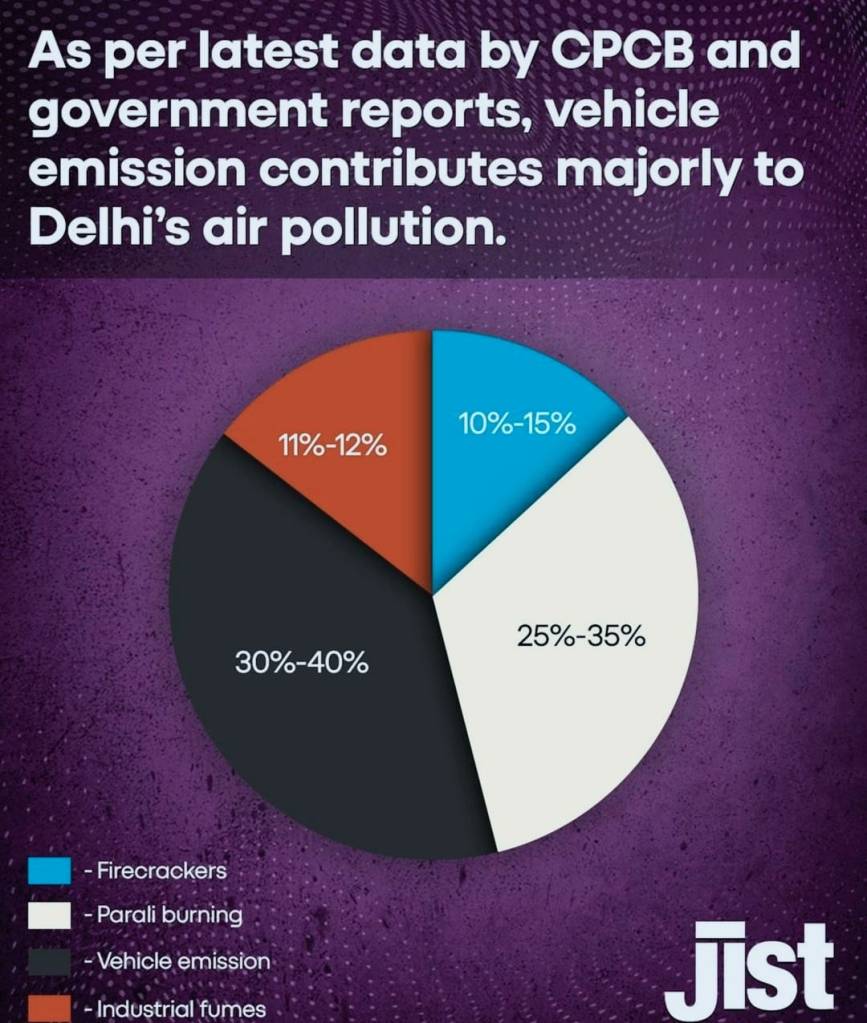
Despite the clear and present danger, political discourse around pollution has been marred by finger-pointing and blame-shifting. Leaders from various political factions often engage in a blame game, accusing one another of inaction while citizens continue to suffer. The Supreme Court has repeatedly acknowledged the fundamental right of citizens to live in a healthy environment, but the gap between legal recognition and practical action remains disturbingly wide. While the judiciary can issue directives, it is ultimately up to individuals and communities to hold their leaders accountable and demand real, tangible change.
As the festive season approaches, the risk of pollution intensifies. During these times, it is crucial to emphasize the importance of personal responsibility. Simple measures such as staying indoors during peak pollution hours, using air purifiers, and wearing masks when venturing outside can help individuals protect themselves and their families. However, these measures are merely temporary fixes to a much larger problem. The fight for clean air requires a systemic overhaul, one that cannot rest solely on governmental shoulders. Citizens must become active participants in the effort to reduce pollution, not just passive observers waiting for others to solve the problem.

The time for waiting is over. What we need now is a movement that transcends political lines and engages every citizen in the fight for clean air. A “Swachh Bharat with a Breathe Better” campaign should be launched, encouraging citizens to take part in initiatives that reduce pollution. This could include tree plantation drives, clean-up campaigns, and advocacy for stricter regulations on vehicle and industrial emissions. By fostering an environment of accountability and collective action, we can begin to reverse the damage that pollution has done to our cities.
In addition to grassroots efforts, education is key to sustaining this movement. Schools, communities, and organizations must engage in widespread awareness campaigns that highlight the importance of clean air and the severe health impacts of pollution. Young people, in particular, can be empowered to become advocates for change, ensuring that future generations understand their role in maintaining a sustainable environment.
The road to cleaner air will not be easy. It requires citizens to move from passive acceptance to active participation, demanding cleaner air and holding their leaders accountable. Governments must implement stricter regulations on industries and vehicles that contribute to pollution, but it is the collective will of the people that will drive real change. We must demand cleaner energy sources, better public transportation, and greener urban planning. These are not luxuries but necessities for a healthy future.
At this critical juncture, it is essential to remember that the fight for clean air is not merely a battle against pollution—it is a fight for our health, our future, and the dignity of every citizen. We have the opportunity to transform our cities from gas chambers into thriving, sustainable environments. This transformation requires action at every level—from individuals making conscious choices to reduce their carbon footprint, to governments enacting policies that prioritize clean energy and environmental protection.

India’s pollution crisis is nothing short of devastating, but it also presents an opportunity for change. Our cities are suffocating, but with collective action and a renewed sense of responsibility, we can reclaim our right to breathe clean air. The time for a Breath Better , with a focus on a clean environment, is now. We must rise to the occasion, not just for ourselves but for future generations. Clean air is not merely a matter of survival; it is a matter of dignity. The future of our cities, our health, and our nation depends on the steps we take today. Let us unite in the fight for cleaner air, for it is a fight we cannot afford to lose.
Visit arjasrikanth.in for more insights
 SOCIAL PERSPECTIVES