Diplomacy on the Brink: South Asia’s Chaotic Week of High Stakes and High Hopes
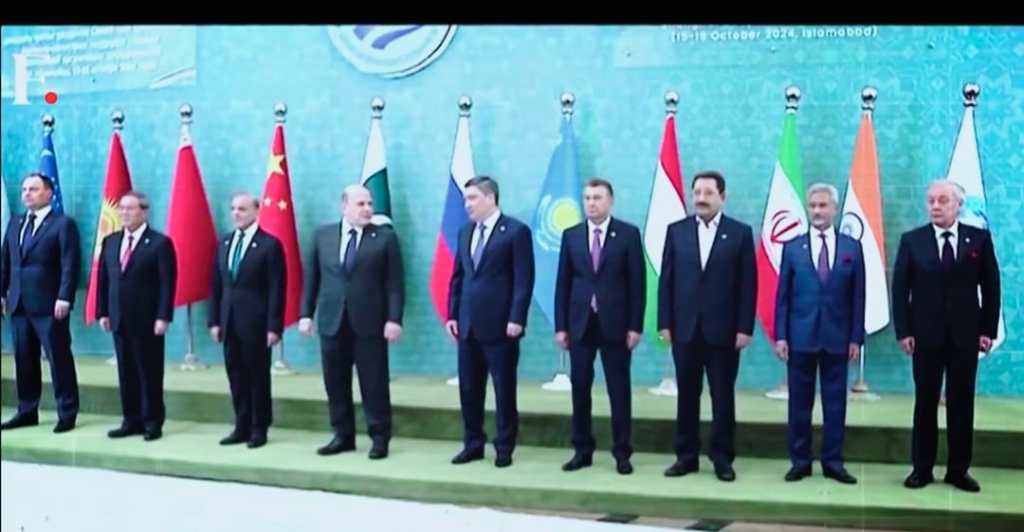
Last week, South Asia witnessed a whirlwind of diplomatic manoeuvres, with India, Pakistan, Canada, and Bangladesh at the centre of the storm. Each country played a part in a geopolitical dance filled with both collaboration and tension. The region saw External Affairs Minister S. Jaishankar make a rare trip to Pakistan for the Shanghai Cooperation Organisation (SCO) summit, while India’s diplomatic skirmish with Canada deepened over Sikh separatist movements. Bangladesh also made waves, with significant diplomatic talks in Washington. The week painted a picture of unresolved rivalries, fragile alliances, and the constant tug-of-war between cooperation and confrontation.
Jaishankar’s visit to Pakistan became the event of the week. His trip, the first by an Indian minister since 2015 and his first since 2016, was nothing short of headline-grabbing. As India and Pakistan continue to tread cautiously around each other with long-standing grievances, the visit was symbolic, highlighting India’s commitment to regional cooperation while maintaining its firm stance on key issues like terrorism. While Jaishankar’s presence didn’t break any new ground in bilateral relations, it underscored India’s strategy of using multilateral forums like the SCO to assert its influence without softening its core concerns.

For years, India has maintained that dialogue with Pakistan can only take place if Islamabad takes concrete action against cross-border terrorism. Jaishankar’s visit followed this line—there were no formal discussions with Pakistani officials. This wasn’t unexpected but reaffirmed India’s position that while multilateral diplomacy is important, it cannot substitute resolving bilateral conflicts. India’s engagement with Pakistan through platforms like the SCO reflects its intent to address broader regional concerns, but without compromising on security threats that have plagued Indo-Pak relations for decades.
India’s participation in the SCO is part of a larger geopolitical strategy. Central Asia holds significant economic and strategic value for India, and despite Pakistan’s refusal to grant India transit trade rights, India continues to push for a deeper regional foothold. Jaishankar’s visit, even in the absence of direct talks, illustrated the balancing act India is trying to perform—engage with neighbours, enhance regional cooperation, but stand firm on terrorism.
Of course, Jaishankar’s visit inevitably led to speculation: Could this be the first step towards a thaw in India-Pakistan relations? On the surface, the visit was highly symbolic, especially since hostilities between the two countries peaked in recent years, particularly after India’s revocation of Jammu and Kashmir’s special status in 2019. There have been slight signs of stabilization, such as the 2021 ceasefire agreement along the Line of Control, and indirect engagements via multilateral forums like the SCO. Yet, while Jaishankar’s trip marks a significant diplomatic gesture, it doesn’t signal an immediate breakthrough. The lack of formal bilateral talks reflects the reality that symbolic visits alone won’t overcome the entrenched divisions between the two nuclear-armed neighbours.
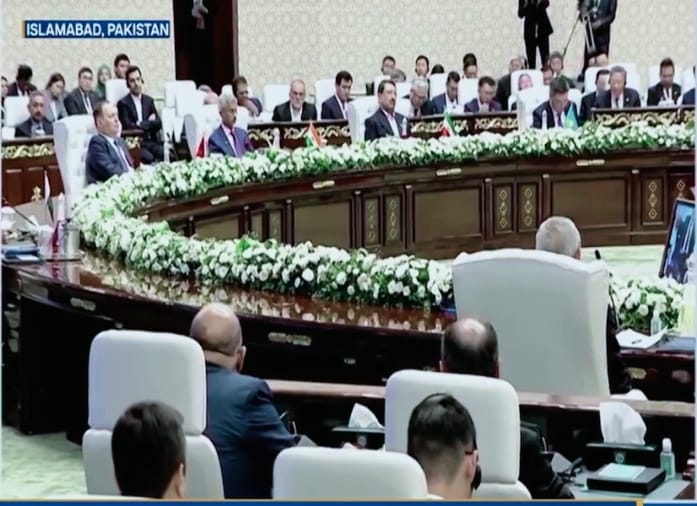
However, the mere fact that Jaishankar was in Pakistan shows there’s at least a willingness to engage, even indirectly. It implies that both countries, while bitterly divided on terrorism, Kashmir, and security issues, recognize the need for continued communication, even if it’s on the side-lines of multilateral summits. But optimism should be cautious—the relationship remains steeped in distrust, and substantive changes will require more than symbolic diplomacy.
While India’s visit to Pakistan generated cautious optimism, relations with Canada spiralled downward. The latest spat involved Canada accusing Indian diplomats of being involved in threats and attacks against Sikh separatists in Canada. The allegations reignited tensions over the Khalistan issue—a long-standing and sensitive matter for both countries. India has frequently raised concerns about Canada’s leniency toward Khalistan sympathizers, and this latest flare-up adds fuel to an already strained relationship.
This diplomatic clash with Canada is rooted in the larger issue of Sikh separatism. India, with its significant Sikh diaspora, sees Khalistani activism as a direct threat, while Canada has walked a fine line between upholding freedom of expression and maintaining diplomatic ties. As tensions mount, both countries risk a deeper diplomatic rift if these issues aren’t carefully managed. Although economic and diplomatic ties remain essential between India and Canada, the Khalistan movement continues to be a contentious stumbling block.
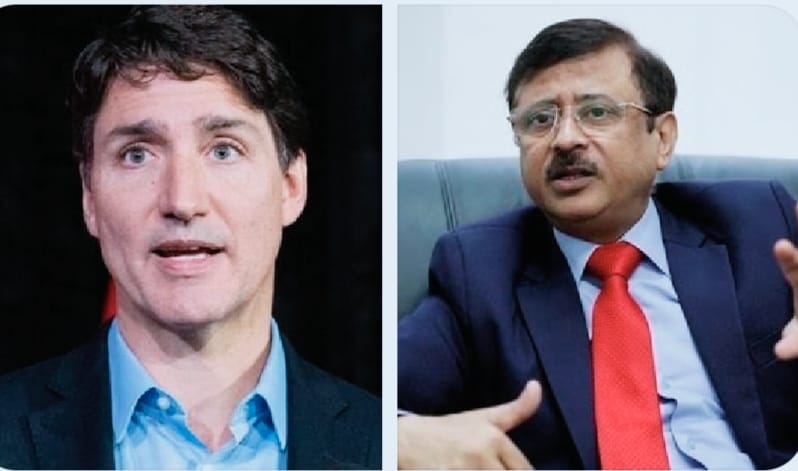
On another diplomatic front, Bangladesh made strategic moves by engaging with the United States. The visit to Washington by Bangladesh’s foreign secretary underscored the growing importance of Dhaka’s relationship with global powers. Topics of discussion ranged from regional security and economic development to climate change—a pressing issue for Bangladesh, which remains highly vulnerable to environmental impacts.
Bangladesh’s diplomatic finesse is notable. Despite being a smaller player in the region, it has carefully cultivated relationships with India, China, and the U.S., reflecting a pragmatic approach to foreign policy. The Washington talks highlighted Bangladesh’s intent to strengthen its global partnerships while addressing its domestic challenges, including economic growth and political stability. As Bangladesh continues to assert itself as a key South Asian player, its strategic balancing act between major powers will be crucial for its future trajectory.
In the grand scheme of South Asian diplomacy, last week’s events were a mix of symbolic gestures and substantive challenges. Jaishankar’s visit to Pakistan, while momentous, is unlikely to shift the dynamics of Indo-Pak relations in the short term. India’s tensions with Canada over the Sikh separatist issue further complicate its international relationships, highlighting the fine line between domestic sensitivities and diplomatic engagement. Meanwhile, Bangladesh’s steady rise as a regional player was reinforced by its proactive diplomacy in Washington, marking its growing importance on the global stage.
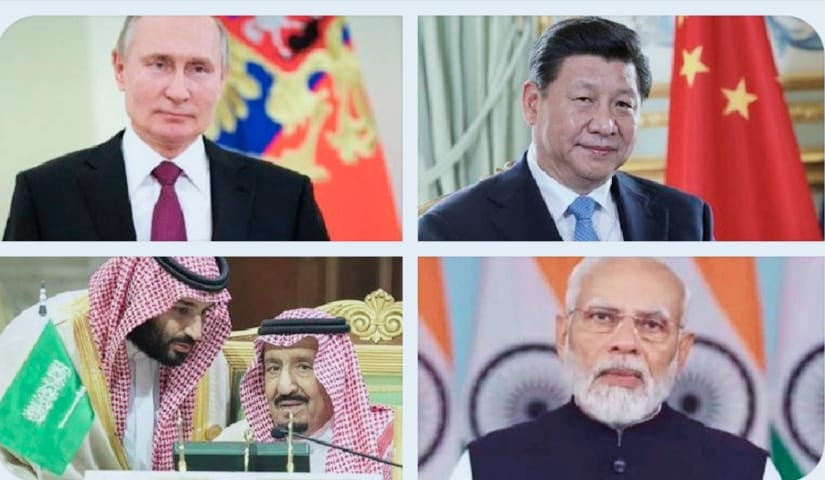
The conclusion from all these developments is clear: South Asian diplomacy remains as complex and unpredictable as ever. In a region rife with historical grievances, competing interests, and emerging power dynamics, the diplomatic efforts of the past week offered a glimpse into the future. Symbolic gestures like Jaishankar’s visit are important, but they are no substitute for substantive dialogue and conflict resolution. The road ahead will be challenging, but moments like these remind us of the delicate dance of diplomacy and the intricate balance of power that defines South Asia’s future.
Visit arjasrikanth.in for more insights
 SOCIAL PERSPECTIVES