
Soaring Through Turbulence: The Aviation Sector’s Struggle Against Cyber Threats and Social Media Chaos
In just a week, India’s aviation sector has been rocked by a series of bomb hoaxes that have sent shockwaves through airports and airlines alike. Over 80 bomb threats were reported in a mere seven days, prompting authorities to scramble in an effort to ensure passenger safety and restore order. Though none of these threats have proven credible, the scale of the disruptions has caused significant financial losses, triggered chaos at airports, and left passengers anxious about their safety. The rapid evolution of online tools and social media has exposed alarming vulnerabilities within the aviation industry, highlighting the urgent need for coordinated efforts to combat this growing crisis.
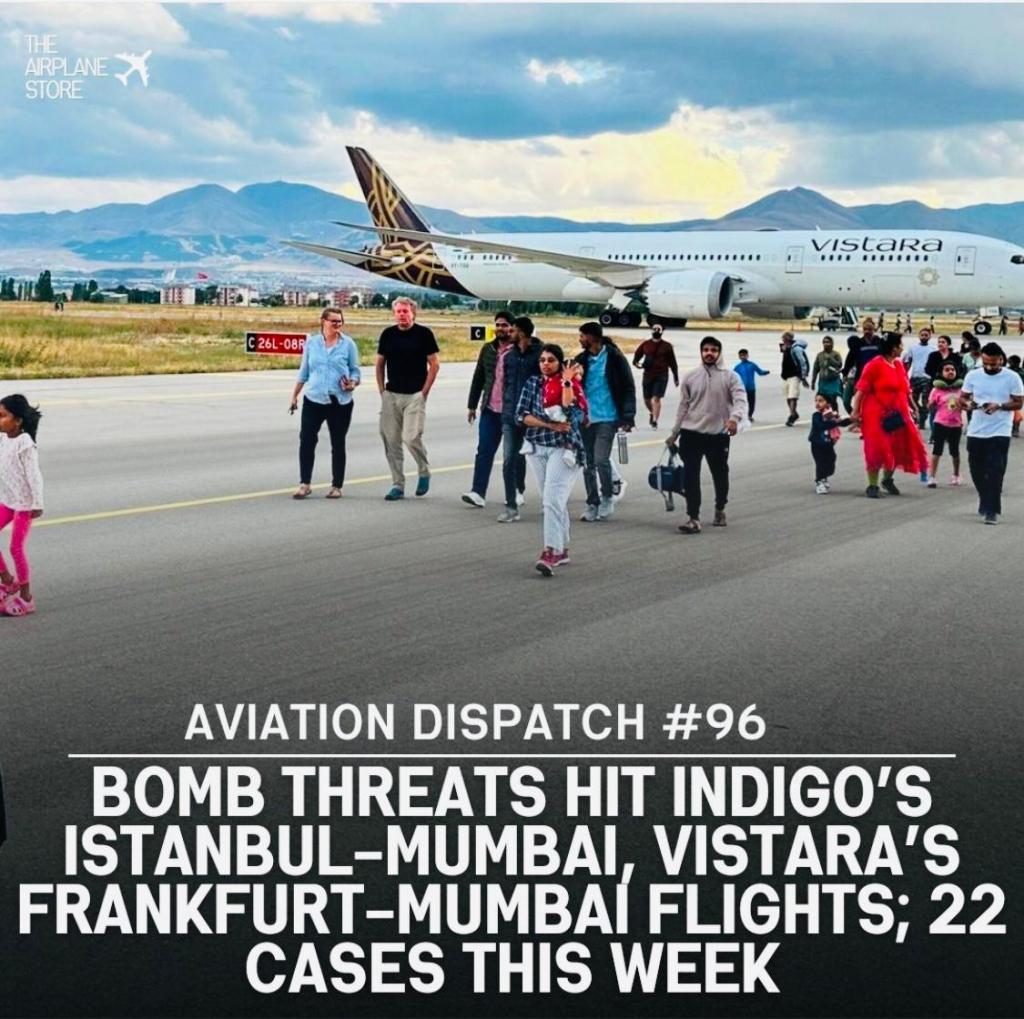
On October 19, 2024, alone, over 30 bomb threats were reported, targeting both domestic and international flights from major cities like Delhi, Mumbai, and even Istanbul. This unprecedented wave of threats led to a high-level meeting between officials from the Bureau of Civil Aviation Security (BCAS) and the CEOs of affected airlines in New Delhi. During this critical assembly at Rajiv Gandhi Bhawan, participants discussed the crisis and emphasized the need for strict adherence to standard operating procedures (SOPs) for handling bomb threats. These protocols are designed to foster transparent communication among airlines, authorities, and passengers while maintaining stringent safety standards.
However, the situation underscores a stark reality: the aviation sector is increasingly vulnerable to cyber threats and the chaos perpetuated by social media. The cumulative effect of these false threats places immense pressure on airline operations, revealing just how deeply intertwined technology and aviation security have become. The psychological and financial toll of these constant hoaxes adds to the challenges airlines already face in a post-COVID world.
The gravity of the bomb hoaxes is evident in the disruptions faced by major carriers such as Air India, IndiGo, Vistara, Akasa Air, and SpiceJet. Although these threats were unfounded, the logistical chaos they created has been palpable. Flights have been delayed or diverted, causing a ripple effect across the global aviation network. This operational turmoil is exacerbated by the revelations that many of the threats originated from IP addresses traced back to international locations, including London, Germany, Canada, and the United States. Yet, the use of Virtual Private Networks (VPNs) by perpetrators complicates efforts to identify and apprehend those responsible for these malicious activities.
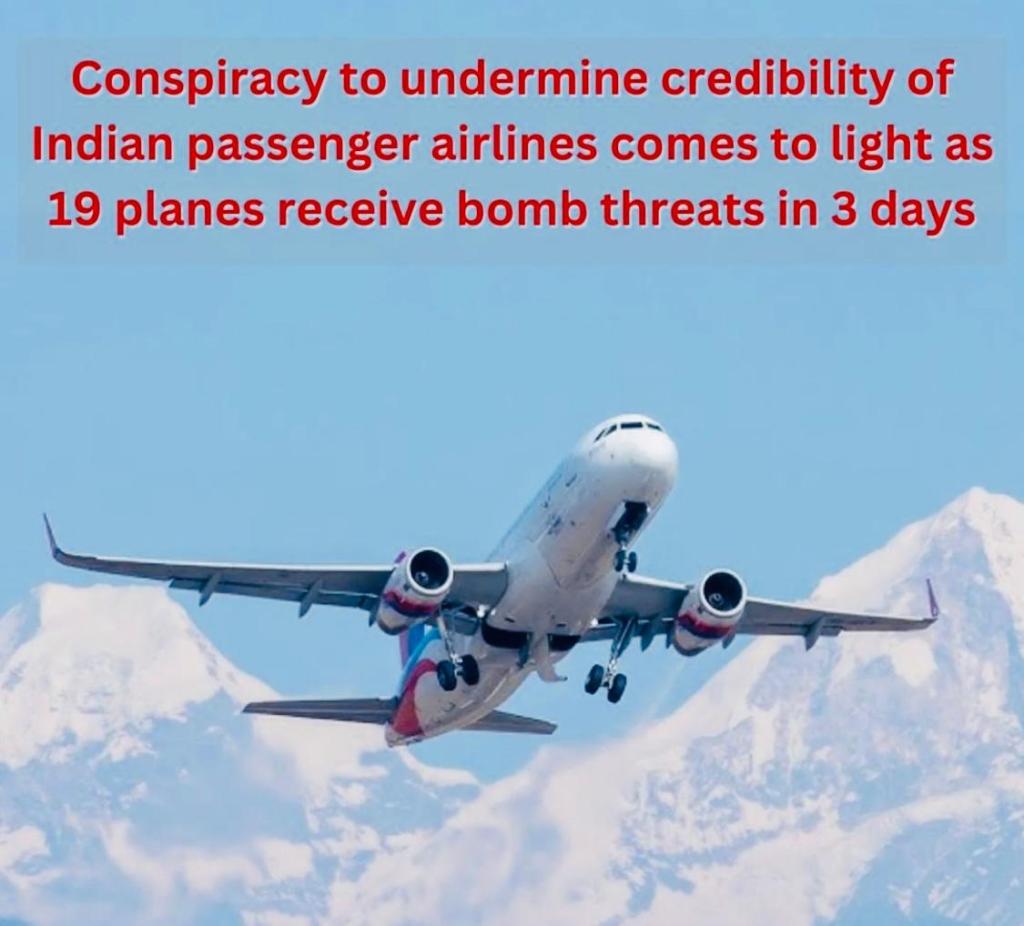
One particularly notable incident involved the arrest of a 17-year-old boy in Mumbai who made threats against four different flights due to a personal dispute. This case, while not rooted in terrorism, illustrates how easily technology can be exploited for chaos. It raises pressing questions about the motivations behind such actions and the need for preventative measures aimed at curbing this troubling trend.
In response to this alarming rise in hoaxes, Indian authorities are exploring the implementation of stricter penalties for those found guilty of making false bomb threats. The Ministry of Home Affairs is considering introducing five-year prison sentences for offenders, coupled with the creation of a no-fly list to deter future incidents. The hope is that these measures will not only punish wrongdoers but also restore a sense of order within the aviation sector.
While legal consequences are vital, airlines must also enhance their internal security protocols and cyber defense mechanisms. The current crisis has exposed significant gaps in how airlines respond to digital threats, particularly regarding communication and coordination with law enforcement. Despite having SOPs in place, the rapidly changing landscape of cyber threats necessitates continuous updates to security frameworks. Airlines must remain vigilant and proactive, adapting to emerging challenges as they arise.
The psychological impact on passengers must also be taken into account. Repeated exposure to bomb threats—regardless of their legitimacy—creates an environment of fear and uncertainty. Passengers may begin to question the safety of air travel, leading to a decline in bookings and placing additional strain on an industry still recovering from the financial fallout of the COVID-19 pandemic. The anxiety stemming from these threats could shake public confidence in aviation, with long-lasting repercussions for airlines and the broader economy.
Social media plays a dual role in this crisis, both amplifying fears and serving as a tool for spreading misinformation. Platforms like Twitter, Facebook, and WhatsApp allow information—true or false—to circulate rapidly, often outpacing official responses. This “infodemic” challenges industries and governments alike as they grapple with the swift dissemination of panic-inducing content. The anonymous nature of online communication emboldens individuals to engage in reckless behavior, leading to real-world consequences that can be devastating.
The convergence of cyber threats and real-world consequences has forced the aviation industry to rethink its approach to handling bomb threats in the digital age. As malicious actors leverage social media to organize campaigns of disruption, coordinated efforts among airlines, government agencies, and cybersecurity experts become essential. No single entity can address the scale of these challenges alone; instead, a multi-stakeholder approach is required to effectively safeguard the aviation sector.

Investment in cybersecurity infrastructure is crucial. Airlines must collaborate with leading cybersecurity firms to implement cutting-edge technology that can detect and neutralize threats before they escalate. Advanced artificial intelligence (AI) and machine learning algorithms can analyse patterns in threat behavior, allowing security teams to respond proactively.
Moreover, robust communication channels must be established to inform passengers about flight statuses and potential threats. Keeping travellers informed not only reduces anxiety but also counters misinformation with accurate, timely updates. The aviation sector can learn valuable lessons from other industries that have successfully navigated crises in the digital landscape.
Given the international nature of these threats, global cooperation is paramount. Countries must share intelligence and resources to develop a unified strategy for combating cyber threats in aviation. Collaborative efforts among international law enforcement agencies like Interpol and Europol are essential for tracking down perpetrators and ensuring accountability.
The recent surge in bomb threats highlights significant vulnerabilities within both physical and digital security measures in the aviation sector. While many threats have turned out to be hoaxes, the disruption they cause is very real. The financial impact, operational chaos, and emotional strain on passengers cannot be overstated.

This crisis serves as a poignant reminder of the need for vigilance, cybersecurity, and international collaboration in protecting the aviation sector. By investing in advanced technology, enhancing communication strategies, and enforcing stricter penalties for offenders, the industry can mitigate the risks posed by cyber threats and social media chaos. The future of air travel depends on the collective effort of all stakeholders to navigate these turbulent skies. Only through coordinated actions can the aviation sector hope to overcome the challenges of this chaotic era, ensuring that the skies remain safe for all travellers.
Visit arjasrikanth.in for more insights
 SOCIAL PERSPECTIVES