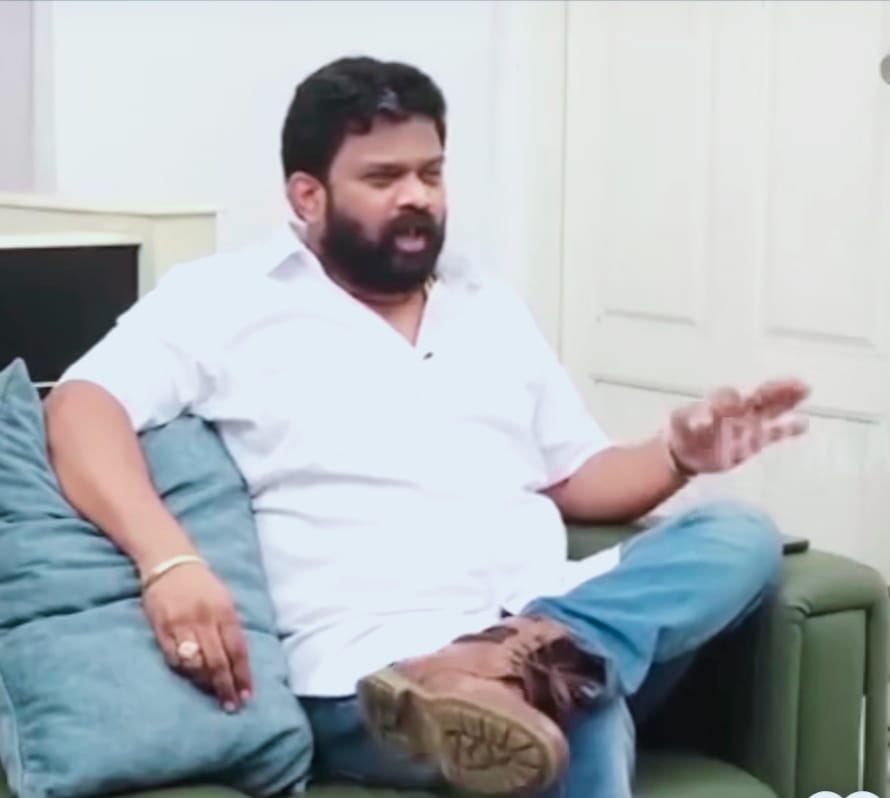
In the tumultuous world of Indian politics, Borugadda Anil Kumar’s journey from a fervent political advocate to a criminal facing serious charges illustrates the dangers of unchecked loyalty, reckless behavior, and the fleeting nature of political alliances. His recent arrest by the Guntur Police shines a light on a larger issue: the exploitation of individuals for political gain and the ease with which they are discarded when they become liabilities. Anil Kumar’s case provides a sobering reminder that political patronage in India often comes with an expiration date, leaving those who once thrived on it to face the consequences of their actions alone.
Anil Kumar first rose to prominence with inflammatory videos that quickly went viral on social media platforms. His rhetoric, aimed squarely at opposition leaders, particularly figures like Chandrababu Naidu, Nara Lokesh, and Pawan Kalyan, went far beyond criticism. These videos were filled with derogatory remarks, personal attacks, and veiled threats. At one point, he boldly declared that he would “eliminate” Naidu and Lokesh if given the command by his political leaders. This kind of rhetoric not only crossed ethical boundaries but also showcased a worrying trend in Indian politics—the use of social media as a weapon for intimidation and character assassination.
Anil Kumar’s behavior, though shocking, is a reflection of the growing role social media plays in political discourse. What was once a platform for sharing ideas and fostering public debate has now become a tool for vicious personal attacks, often orchestrated by individuals or groups with political motivations. Rather than focusing on policy or governance, the discourse has devolved into personal vendettas, where politicians and their families are subjected to harassment and abuse. Anil Kumar was one of the more visible players in this troubling trend, using his platform to hurl baseless accusations and threats under the guise of political loyalty.
What is particularly striking about Anil Kumar’s story is how swiftly the political machinery abandoned him when things took a turn for the worse. Unlike other party members who faced legal issues and received an outpouring of support from their political allies, Anil Kumar found himself isolated. There were no trending hashtags rallying behind him, no public demonstrations of solidarity from his party. This silence speaks volumes about the transactional nature of political loyalty in India. Individuals like Anil Kumar, who operate on the fringes of decency and legality, are often valued for their ability to stir controversy and attack opponents. However, once their usefulness wanes or they become a liability, they are swiftly cast aside.
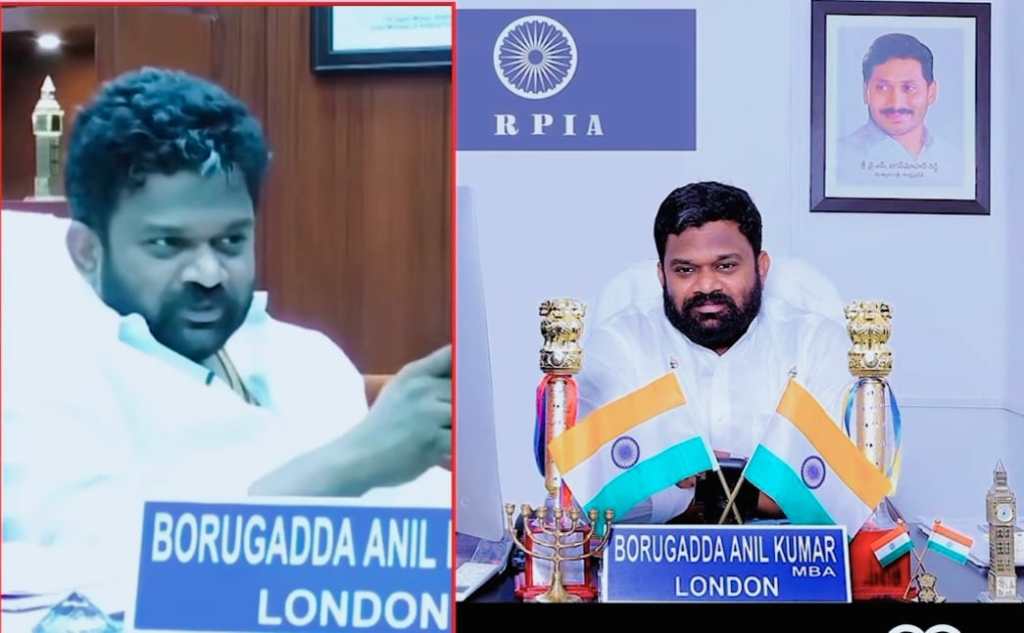
This pattern of abandonment is not unique to Anil Kumar. It reflects a broader reality in Indian politics, where those who engage in unethical or indecent behavior in the name of political allegiance are often used and discarded by the very systems that once supported them. The protection that political power offers is only temporary, and when it evaporates, individuals are left to face the legal and social consequences of their actions. Anil Kumar’s arrest on charges of extortion, defamation, and anti-social activities is a glaring example of this. Once untouchable under the political regime he supported, he now finds himself vulnerable in the face of changing political tides.
The allegations against Anil Kumar go beyond mere social media outbursts. Reports suggest that he may have operated an illicit network, engaging in extortion and other illegal activities, emboldened by his proximity to political power. This highlights another significant issue within Indian politics—the way political connections can be leveraged to shield individuals from accountability. While Anil Kumar thrived under the protection of the past ruling party, he likely believed that this power would insulate him from any repercussions. Now, with the opposition back in control, his political shield has disappeared, and he must face the consequences of his actions.

Anil Kumar’s downfall also brings attention to the toxic nature of political patronage in India. Many individuals are encouraged to act indecently or even violently, believing that their political affiliations will protect them. This creates a culture of impunity, where individuals like Anil Kumar feel emboldened to cross ethical lines, confident in the knowledge that political power will shield them from repercussions. However, as his arrest demonstrates, this protection is often temporary, and when it disappears, the consequences can be severe.
His case is a reflection of a wider problem in the political landscape, where decency is often sacrificed for short-term political gains. The normalization of vulgar language, threats, and intimidation as part of political dialogue is not only damaging to those directly involved but also erodes public trust in democratic institutions. When individuals feel that political loyalty is a license to engage in illegal or unethical behavior, it diminishes the integrity of the political process and sets a dangerous precedent for others to follow.
The emotional toll of such toxic behavior is not limited to politicians themselves but extends to their families as well. Public figures like Chandrababu Naidu, Nara Lokesh, and Pawan Kalyan have had to endure personal attacks that go far beyond political rivalry. Social media amplifies this harassment, subjecting them and their families to a barrage of insults and threats. What starts as political mudslinging often escalates into real-world harm, as figures like Anil Kumar use their platforms to attack opponents on a deeply personal level. This underscores the need for greater accountability and a return to civility in political discourse.
Anil Kumar’s rise and fall serve as a cautionary tale about the dangers of relying too heavily on political power for protection. His once-loyal allies have distanced themselves from him, leaving him to face the consequences of his actions alone. This swift abandonment is a stark reminder that political loyalty is often fleeting, and those who engage in unethical behavior for short-term gain may find themselves isolated when their actions come under scrutiny.
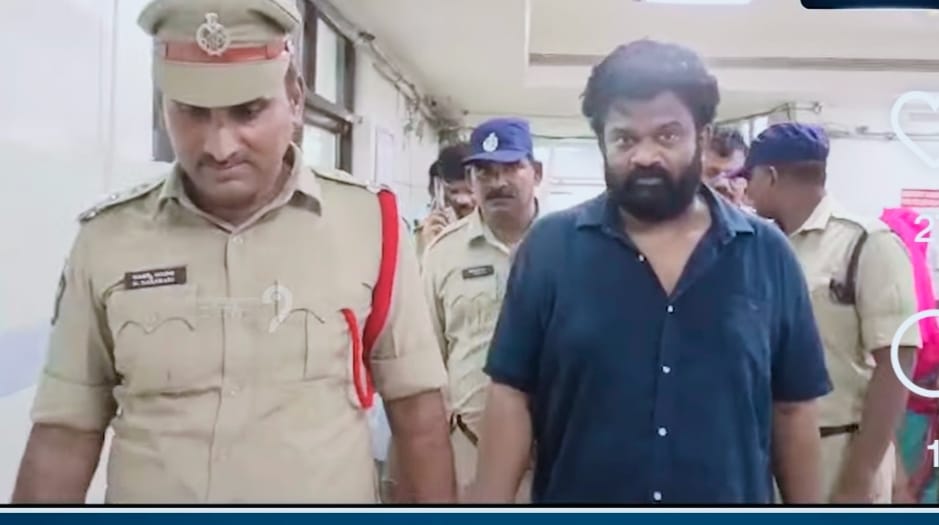
In conclusion, Borugadda Anil Kumar’s arrest is a stark reflection of the toxic intersection between politics and indecency in Indian public discourse. His case highlights the transient nature of political power and the dangers of engaging in vulgarity and intimidation for personal or political gain. While his story may be unique in its specifics, it is emblematic of a broader problem within Indian politics—a culture that often encourages unethical behavior while offering only temporary protection to those who engage in it. As Indian politics continues to evolve, it is crucial for society to demand higher standards of decency and accountability from those in power. Only by promoting integrity and respect in public discourse can we hope to restore trust in democratic institutions and ensure that political engagement remains focused on governance rather than personal attacks.
Visit arjasrikanth.in for more insights
 SOCIAL PERSPECTIVES
2 responses to “From Political Powerhouse to Prison: The Cautionary Tale of Borugadda Anil Kumar**”
Good sir. Your analysis on different current issues are interesting and very resourceful. Your unbaised comments are thought-provoking. 👍
LikeLike
Thank you for your valued feed back and observations
LikeLike