“From Sky-High Aspirations to Ground-Level Grime: Navigating the Twists and Turns of India’s Quest for Cleanliness”
As India strides confidently into the 21st century, the tale of its cleanliness campaign unfolds like a rollercoaster, filled with highs of aspiration and lows of disillusionment. The Swachh Bharat Mission (SBM), launched on October 2, 2014, was conceived as more than a mere government initiative; it was a sweeping movement fuelled by the collective dreams of a healthier, cleaner nation—a vision deeply rooted in the ideals of Mahatma Gandhi. The goal was audacious: to eliminate garbage across India by 2019. Yet, as we reflect on the mission’s first decade, the stark reality contrasts sharply with the optimistic vision, revealing a path strewn with challenges and unfulfilled promises.
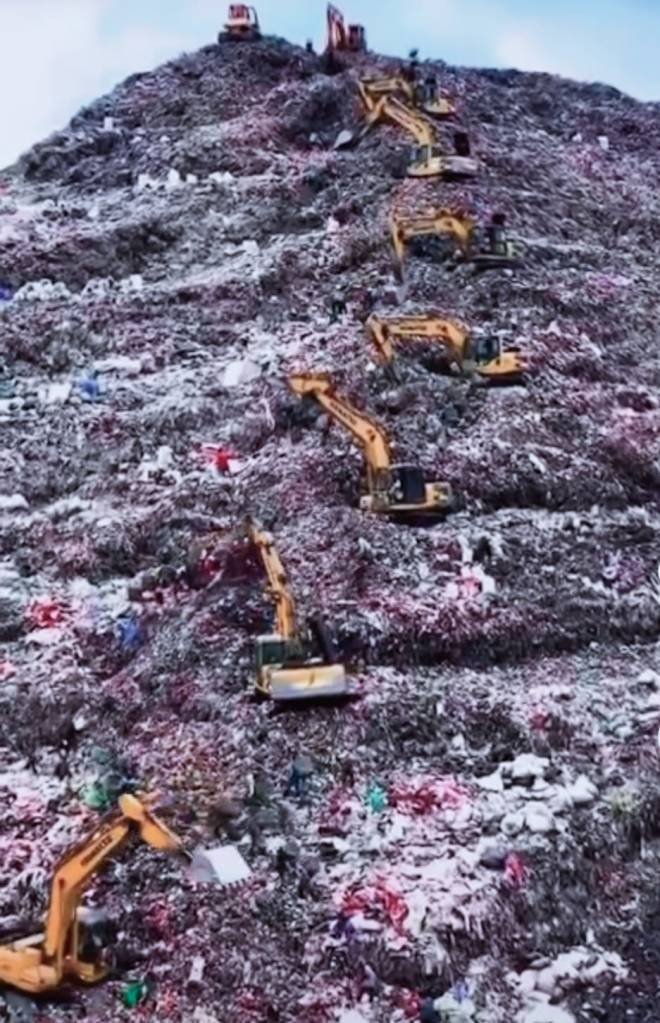
At its inception, SBM sought to not only tidy up the streets but to foster a sense of communal responsibility towards waste management in every Indian. However, the anticipated results have remained tantalizingly out of reach. Despite its well-structured framework, the campaign’s initial emphasis on sanitation awareness has struggled to curb the relentless production of waste. Cities like Mumbai, Delhi, and Ahmedabad stand as grim monuments to this neglect, with sprawling landfills like Deonar and Pirana serving as reminders of the mission’s shortcomings.

Deonar, India’s largest landfill, epitomizes the failures of SBM. Spanning a staggering 296 acres, it houses about 9% of the nation’s total landfill waste. Surrounding communities suffer from pollution-related health issues, breathing in the toxic legacy of decades of environmental neglect. Although plans for remediation are part of Mumbai’s Climate Action Plan, aiming for closure by 2025, concrete results remain elusive. Meanwhile, in Ahmedabad, the Pirana landfill has seen some progress, boasting about 48% clearance. However, this achievement highlights the uneven success of the mission nationwide, as Delhi continues to grapple with the overwhelming Ghazipur and Bhalswa landfills, which swell with waste, thwarting efforts for a cleaner future.

As the original mission neared its ten-year milestone, it became clear that the challenges faced were not solely infrastructural but also cultural. The ingrained habits of littering and waste mismanagement call for more than just awareness campaigns; they demand a deep-rooted transformation in societal attitudes toward cleanliness. Recognizing this need, the introduction of Swachh Bharat Mission Urban 2.0 (SBM-U 2.0) on October 1, 2021, marked a pivotal moment in the journey. This revamped mission focuses on legacy waste management and cleaning operations for the dumps that have long been neglected, setting an ambitious goal: achieving “Garbage-Free City” status for all urban local bodies (ULBs) by 2026.
To realize this goal, SBM-U 2.0 outlines essential objectives, emphasizing the need for 100% source segregation of waste, necessitating active participation from citizens. Households are encouraged to sort waste into recyclable and non-recyclable categories, ensuring more effective handling from the outset. This community-centric approach is paired with systematic door-to-door collection of segregated waste, a crucial step toward more efficient waste management. Moreover, the mission addresses scientific waste management, targeting not just disposal but also the reclamation of legacy dumpsites that have accumulated waste for decades. Enhanced wastewater treatment facilities are included in this comprehensive plan, ensuring urban areas can sustainably manage waste while minimizing environmental repercussions.
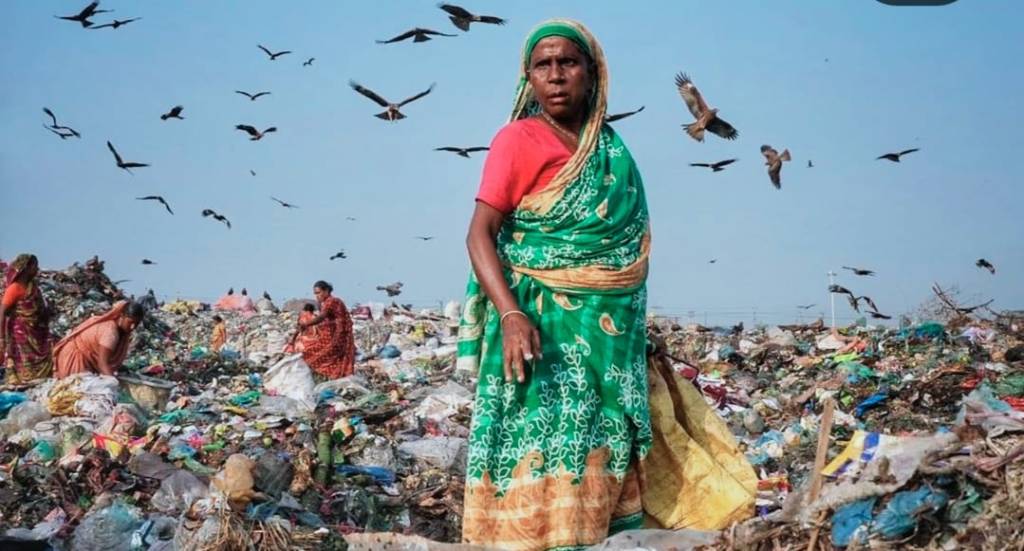
While SBM-U 2.0 charts an ambitious course for the future, we cannot overlook the historical context of India’s sanitation landscape. Before the original Swachh Bharat Mission launched, approximately 550 million people practiced open defecation, and rural sanitation coverage stood at a dismal 34%. Prime Minister Modi’s push for cleanliness stemmed from both personal beliefs and the pressing need for reform. The mission succeeded in constructing over 120 million individual household toilets, achieving a remarkable increase in sanitation coverage to 100% by 2019. However, the road ahead is littered with persistent challenges that necessitate a multifaceted approach extending beyond mere infrastructure improvements. In numerous cities, ineffective implementation strategies have led to continued public littering and poor waste management practices.
The vision of a garbage-free India demands a cultural shift that weaves education, community engagement, and sustained efforts to foster behavioural changes. To prevent new landfills from becoming future symbols of neglect, a collective culture of cleanliness must take root. The government’s focus on recycling and resource recovery represents a commendable step forward but requires a united effort from all stakeholders—local communities, the private sector, and government agencies.

As SBM-U 2.0 progresses, it faces the dual challenge of managing existing legacy sites while ensuring that new ones do not emerge. This necessitates a robust waste management framework prioritizing innovation and collaboration. Cities are encouraged to create comprehensive action plans emphasizing waste segregation and processing, with funding sourced from the central mission budget and state governments. Initiatives like bio-remediation and bio-mining are promoted to recover valuable materials from waste while simultaneously reducing the volume of garbage in legacy landfills.
Current statistics reveal that approximately 41% of the waste across 2,421 identified landfill sites has undergone remediation. However, this figure is tempered by the sobering reality that only about 20% of these sites have been completely cleared. While the initiative aims to eradicate all legacy sites by March 2026, there is a sense of optimism surrounding ongoing projects, with many nearing completion. This hope is grounded in the understanding that the process of cleaning urban areas goes beyond mere waste removal; it involves cultivating a culture of cleanliness that resonates throughout society.
Despite the myriad challenges, the Swachh Bharat Mission has undoubtedly heightened public awareness around sanitation and cleanliness. Its journey has also sparked a wave of positive changes: improved urban infrastructure, enhanced public health, and a renewed commitment to environmental sustainability. The mission’s effects extend beyond waste management, laying the groundwork for healthier urban environments.
In conclusion, the lessons learned from the successes and setbacks of the Swachh Bharat Mission should not deter ongoing efforts to achieve a cleaner India. The significance of SBM-U 2.0 lies in its comprehensive approach to urban sanitation and waste management, recognizing past failures while providing a clear roadmap forward. The mission aspires to unite government bodies, local communities, and citizens in a shared endeavour to transform India’s urban landscape. As we embark on this ambitious journey, the necessity for sustained efforts, innovative solutions, and a shared sense of responsibility has never been more pressing. The road to a garbage-free India may be winding and arduous, but every small step taken today is a giant leap towards a brighter, cleaner future.
Visit arjasrikanth.in for more insights
 SOCIAL PERSPECTIVES