Andhra Pradesh: The Untapped Giant of Renewable Energy
Andhra Pradesh is emerging as a leader in India’s green energy revolution, leveraging its abundant natural resources. Particularly in the energy-rich Rayalaseema districts, the state aims to surpass others like Rajasthan in renewable energy production through a comprehensive strategy focused on energy generation, skilled workforce development, and robust infrastructure.
Andhra Pradesh is leveraging its geographical advantages for a green transformation, receiving over 300 days of sunshine annually. The Kurnool Ultra Mega Solar Park, the world’s largest single-location solar park with a capacity of 1,000 MW, exemplifies this ambition. The state’s estimated solar capacity exceeds 33 GW, aiming to meet growing energy demands. Additionally, the Solar Energy Corporation of India plans to develop 7,000 MW more, solidifying Andhra Pradesh’s position as India’s solar energy leader.
Andhra Pradesh excels in renewable energy, leveraging both solar and wind power. With a wind potential of 44 GW, the state integrates wind farms with solar energy to create a sustainable and reliable power mix, meeting growing energy demands while minimizing environmental impact.
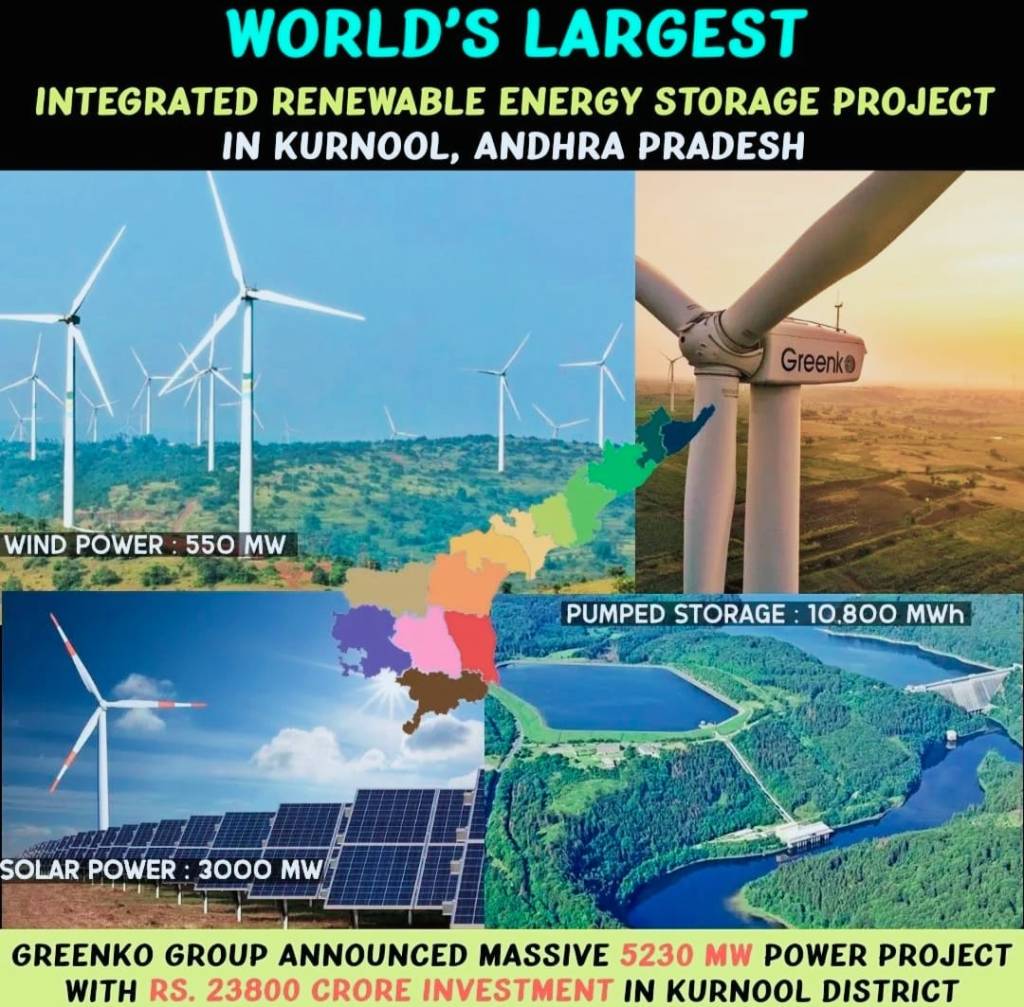
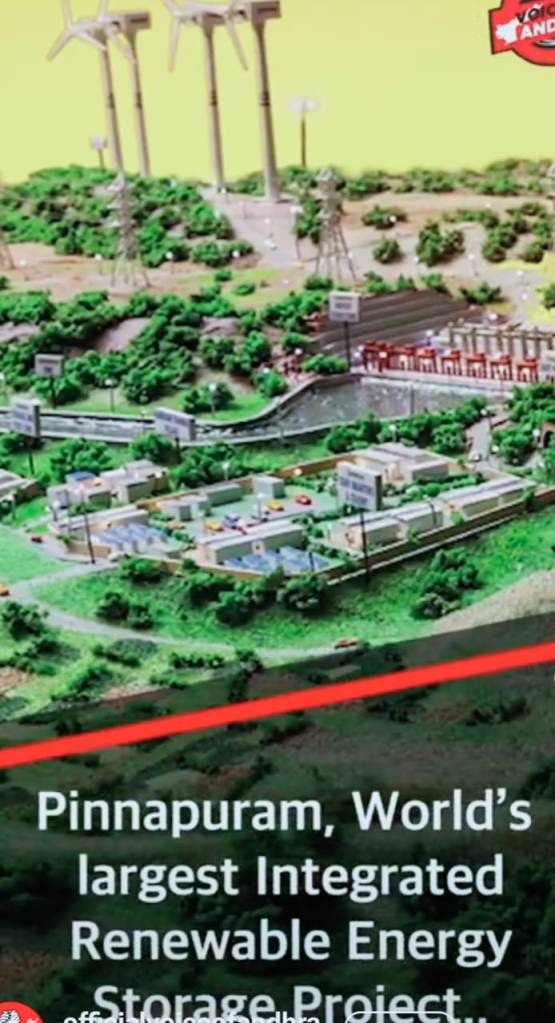
Andhra Pradesh is addressing the challenges of intermittent renewable energy generation with innovative pumped hydro storage projects. These initiatives are designed to store excess energy from solar and wind sources, ensuring a stable energy supply even during low production periods. The state has identified 29 locations for Pumped Storage Hydropower Projects (PSHPs) with a total capacity of 33.2 GW. Among these, the Pinnapuram Integrated Renewable Energy Project aims to be the world’s largest renewable energy storage project, highlighting Andhra Pradesh’s commitment to advancing energy storage technology.
Andhra Pradesh’s Renewable Energy Export Policy-2020 aims to create 120 GW of renewable energy parks by 2025. This initiative seeks to fulfill the state’s energy needs and position Andhra Pradesh as a leading exporter of clean energy, promoting economic growth while addressing climate change.
The New & Renewable Energy Development Corporation of Andhra Pradesh (NREDCAP) drives the state’s renewable energy initiatives, integrating projects into the power grid. Focused on decentralized solutions, particularly in rural areas, NREDCAP makes clean energy accessible, empowering communities and significantly reducing Andhra Pradesh’s carbon footprint.
Andhra Pradesh’s renewable energy initiatives have achieved significant success, with renewables now comprising 28% of its total energy production and meeting 56% of its energy demand. This shift from fossil fuels highlights the state’s leadership and commitment to clean, sustainable energy solutions in India’s green energy movement.
Andhra Pradesh is poised for a bright future in renewable energy, aligning with global trends toward clean energy. With increasing demand, the state is set to become a key player in the global energy economy, enhancing its role as both a producer and exporter of renewable energy in the coming years.

Andhra Pradesh’s electricity consumption reached 62,913 GWh in 2023, propelled by industrial growth. To address rising demand sustainably, the state has launched green initiatives, including a Green Tax to promote cleaner energy usage. These efforts aim to foster an eco-friendly industrial landscape while minimizing environmental impacts.
Andhra Pradesh is prioritizing solar energy with projects totaling ₹3,400 crore, enhancing its solar capacity and creating around 1,700 new jobs. This initiative not only fosters economic growth but also promotes sustainability, making the state’s renewable energy transition beneficial for both its economy and environment.

Andhra Pradesh is streamlining the regulatory process for renewable energy development by reducing bureaucratic hurdles and simplifying approvals. Initiatives like a one-stop shop for investors, transparent guidelines, and long-term Power Purchase Agreements (PPAs) enhance the sector’s appeal. Financial incentives, including tax holidays and reduced GST rates, are attracting significant private sector investments, making the state a promising hub for renewable energy.
Andhra Pradesh’s dedication to Renewable Purchase Obligations (RPOs) and efficient land acquisition policies fosters a favorable environment for renewable energy projects, attracting more investment and participation in the sector and reinforcing its status as a leader in clean energy.
Private sector participation is vital to Andhra Pradesh’s success, driven by investment-friendly policies like the Solar and Wind Power Policies. These have attracted substantial private investments, with Public-Private Partnerships (PPPs) enhancing expertise and capital, accelerating the development of large-scale solar parks, rooftop solar initiatives, and biogas plants.
Andhra Pradesh is focusing on skill development to create a capable workforce for its renewable energy goals. Collaborating with educational institutions and industry partners, the state ensures citizens can actively participate in the clean energy revolution, which is vital for the long-term sustainability of its renewable energy infrastructure.
Andhra Pradesh aims to generate 72.60 GW of renewable energy by 2030 through solar, wind, and energy storage projects, aligning with India’s national goal of 500 GW. The state is playing a pivotal role in advancing these ambitious renewable energy objectives for a sustainable future.
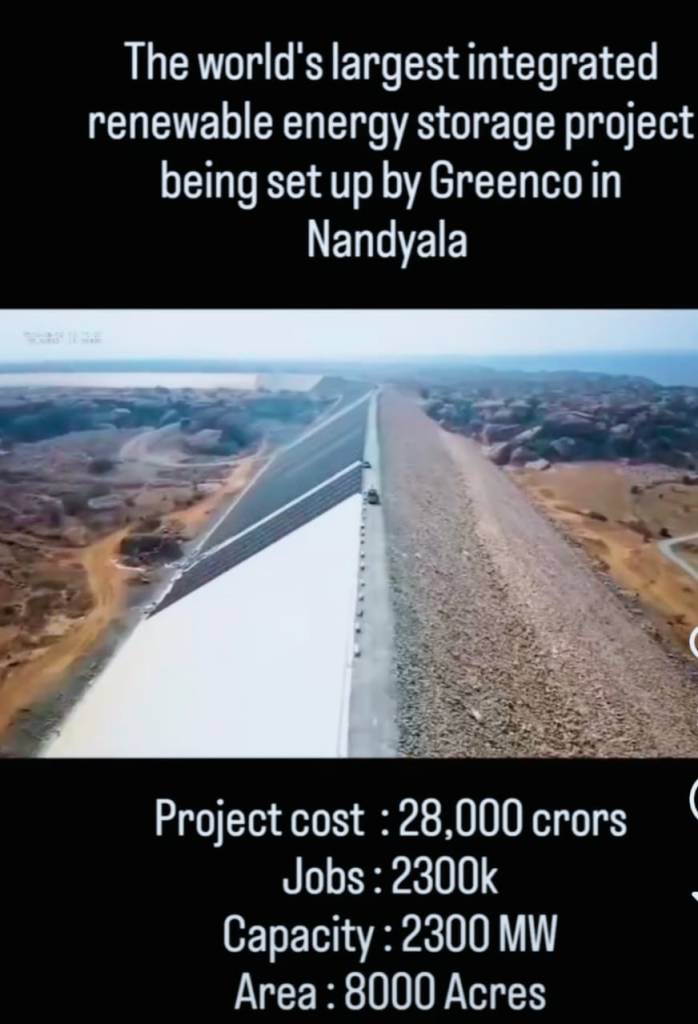
Andhra Pradesh is swiftly enhancing its renewable energy infrastructure by installing solar panels and wind turbines in energy-rich regions like Prakasam and Sri Sathya Sai. The state is also developing pumped storage projects at 39 locations, with a capacity of 43.89 GW, crucial for grid stability and reliable energy supply.
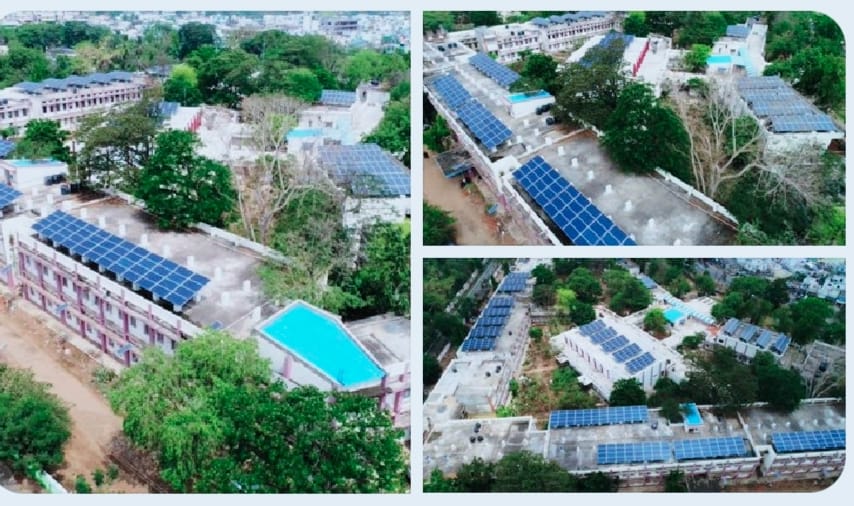
The state’s commitment to rooftop solar initiatives is equally impressive. An ambitious program aims to install rooftop solar systems in 1 million homes by 2026-27, contributing to a total capacity of 150 MW by 2025-26. These initiatives are helping to reduce energy costs for consumers while increasing the state’s overall renewable energy capacity.
Research and innovation are also at the heart of Andhra Pradesh’s renewable energy strategy. Plans to establish a Global University for Clean Energy and Circular Economy demonstrate the state’s commitment to leading in renewable energy research and development. By fostering innovation and collaborating with global experts, Andhra Pradesh is positioning itself as a hub for cutting-edge renewable energy technologies.
Public awareness campaigns and stakeholder engagement are integral to the state’s renewable energy plan. Through collaborations with private sector partners, NGOs, and academia, Andhra Pradesh is promoting sustainability and encouraging greater participation in renewable energy projects. The development of 500 public EV charging stations across the state further supports this transition to a cleaner future.
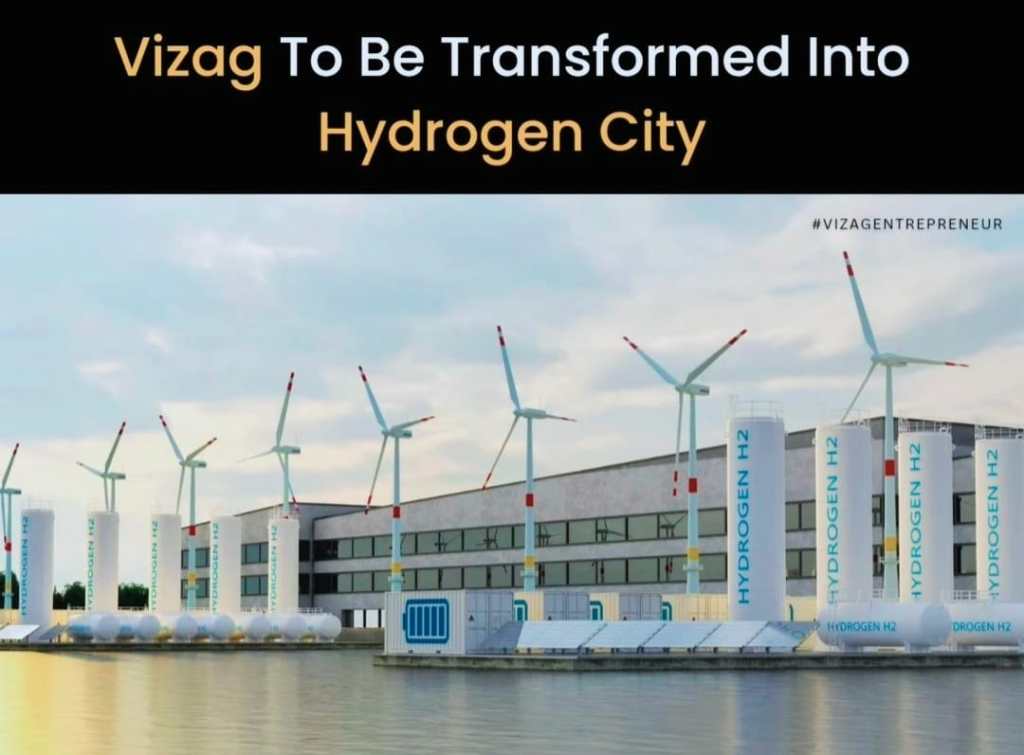
In conclusion, Andhra Pradesh’s remarkable journey toward becoming a leader in renewable energy highlights its commitment to sustainability and economic growth. With an ambitious focus on harnessing solar, wind, and energy storage technologies, the state is setting a new benchmark for clean energy production in India. Its strategic policies, large-scale infrastructure projects like the Kurnool Solar Park, and the integration of innovative energy storage solutions are ensuring a reliable energy supply while reducing environmental impact. Moreover, Andhra Pradesh’s emphasis on workforce development, private sector participation, and regulatory streamlining is driving investment and creating jobs. As it aligns with global clean energy trends, Andhra Pradesh is not only meeting its energy demands but also positioning itself as a key player in the renewable energy revolution. The state’s vision for the future is clear: to lead the charge in green energy, ensuring both environmental sustainability and economic prosperity for its people.
VISIT ARJASRIKANTH.IN FOR MORE INSIGHTS
 SOCIAL PERSPECTIVES