
“From Clicks to Trash: The Unsung Heroes Powering Convenience and Cleanliness in Modern India“
In the bustling cities and quiet alleys of India, a peculiar harmony exists between those who generate waste and those who collect it. While many of us sit comfortably in our homes, ordering food or shopping online, an army of workers diligently fulfils our needs, often without receiving the recognition they deserve. Delivery boys and ragpickers represent two unsung groups operating at the last mile of society’s operations, ensuring goods reach us and managing the waste we generate. These essential yet invisible workers play critical roles in our modern lifestyle, and it is time their stories are brought to light.
Delivery boys are often regarded as the engine behind modern convenience. Imagine our lives devoid of the ease of home delivery, an innovation brought forth by e-commerce giants and food delivery platforms that have transformed our consumption habits. Behind every click of a button or tap on a screen lies a delivery boy navigating through congested traffic, braving inclement weather, and racing against the clock to deliver our needs. India’s urban economy increasingly relies on these gig workers, who frequently go unnoticed.

The statistics reveal an astounding reliance on these workers: platforms like Zomato and Swiggy employ nearly a million food delivery personnel, while millions more work in e-commerce delivery for giants like Flipkart, Amazon, and various local retailers. Many of these individuals possess higher education degrees, yet they find themselves drawn into the gig economy out of necessity, especially in a climate where unemployment rates are among the highest in decades. The allure of quick earnings with minimal qualifications, such as having a driver’s license and a smartphone, has led to the rapid rise of delivery jobs.
However, the lives of these delivery boys are far from easy. They frequently endure gruelling shifts lasting more than 12 hours a day, traversing busy streets while adhering to strict deadlines. A single missed delivery can result in a poor rating, a lost incentive, or even a complaint, adding to the pressure they face. They navigate an intricate system designed to ensure our comfort while grappling with the harsh realities of their jobs. Physical and mental health challenges plague these workers, whose struggles remain largely unacknowledged. Most earn a basic salary supplemented by tips or shrinking incentives, often leaving them in a perpetual state of financial insecurity.

The irony of their situation is striking. While they enable the convenience we have grown accustomed to, delivery boys remain underpaid and underappreciated, fighting a daily battle for survival within the very system they help sustain. Despite their vital contributions to India’s burgeoning e-commerce and food delivery sectors, they remain unorganized, vulnerable to exploitation, and devoid of the recognition they deserve.
At the other end of this invisible spectrum are ragpickers, who work tirelessly to clean up the mess we leave behind. These individuals operate in the shadows, collecting, sorting, and recycling waste with little acknowledgment for their efforts. Like delivery boys, ragpickers are integral yet largely unrecognized components of India’s urban and rural ecosystems. They sift through mountains of trash, extracting recyclable materials and preventing our waste from overwhelming the environment.

India produces an astonishing 62 million tonnes of waste annually, with ragpickers handling a significant portion of this burden, often without adequate safety gear or protection. Estimates suggest that between 1.5 to 4 million ragpickers operate across the country, with more than half a million in Delhi alone. They play a critical role in reducing waste, recovering resources, and maintaining environmental cleanliness.

Yet, despite their invaluable contributions, ragpickers exist on the margins of society, grappling with health risks, discrimination, and social exclusion. Daily exposure to hazardous materials leads to respiratory illnesses, infections, and injuries. Their work is driven not by choice but by necessity, with meagre wages barely supporting their families. While their roles are crucial to waste management, they receive scant recognition or security.
The story of the ragpicker epitomizes resilience in adversity. Without them, India’s cities would struggle under the weight of unmanageable waste. They function as the foot soldiers of a circular economy, beginning to gain recognition in policy circles. Ragpickers not only recycle discarded items but also contribute to public health by averting diseases that might arise from uncollected garbage. Nevertheless, they remain one of the most neglected segments of the workforce, lacking adequate support from both the government and society.
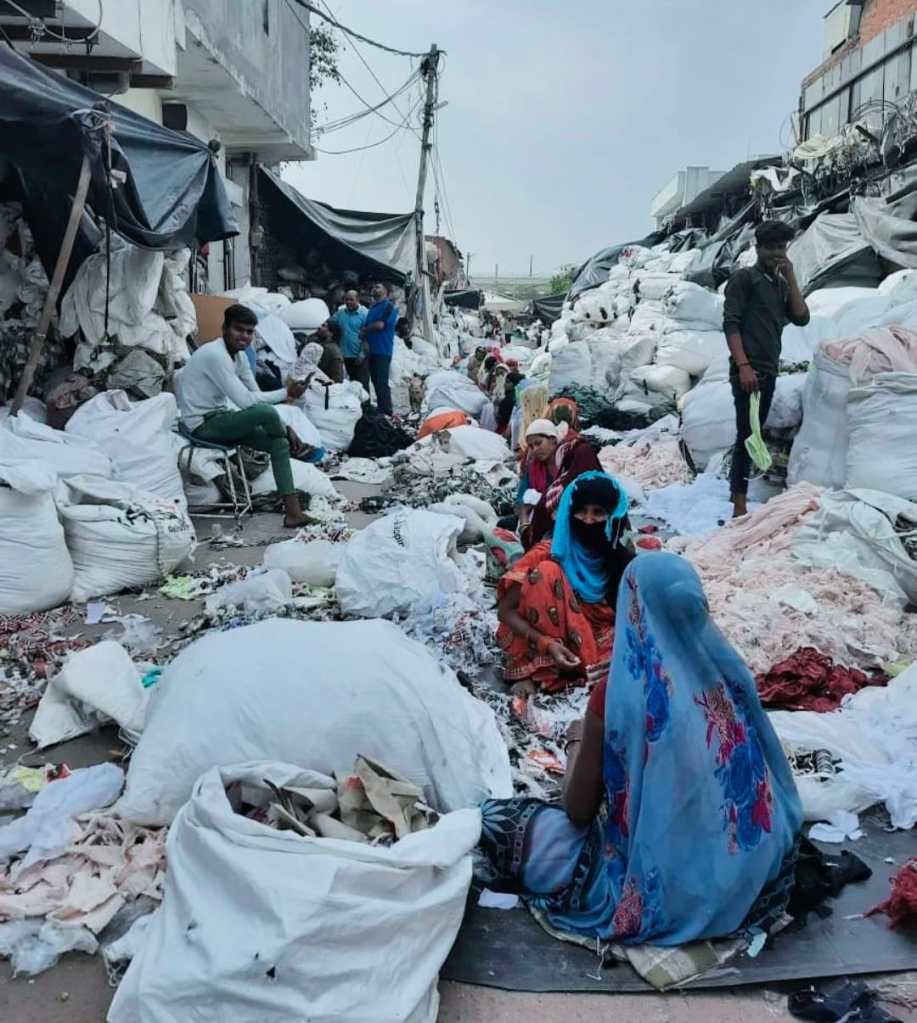
What connects delivery boys and ragpickers is not merely their shared invisibility but their roles within the waste cycle defining our consumer-driven lifestyles. Delivery boys are involved in the process generating waste—food containers, packaging materials, and other disposables accompanying our purchases. They facilitate consumption, while ragpickers manage this waste and recycle what is recoverable.
This duality creates an almost symbiotic relationship between the two groups. One facilitates consumption that produces waste; the other ensures that this waste is collected and managed. Both groups are vital to the functioning of modern Indian society, yet neither receives the acknowledgment or support they merit. Operating within the informal, unorganized sectors of the economy, both delivery boys and ragpickers are often excluded from labour protections, social security benefits, and basic legal rights.
While we celebrate our freedom fighters, soldiers, and athletes, these workers toil away in the shadows, unnoticed and unappreciated. They work relentlessly, regardless of weather conditions, holidays, or other societal milestones. Their labour is essential for the smooth operation of our cities, yet they remain on the fringes, struggling to make ends meet.

The struggles faced by delivery boys and ragpickers highlight a larger issue within India’s unorganized workforce. Without adequate labour laws, these workers lack recourse against exploitation. Delivery boys often endure long hours without formal contracts, leaving them vulnerable to abrupt termination without severance or job security. Ragpickers confront an even harsher reality, as their work frequently goes unrecognized and marginalized. Treated as outcasts, they endure despite their critical role in maintaining a clean environment.
Both groups are also highly susceptible to economic shocks. The COVID-19 pandemic starkly illustrated this vulnerability, with widespread job losses among delivery workers due to restrictions on food deliveries. Ragpickers faced plummeting prices for recyclable materials, further destabilizing their precarious livelihoods. Their challenges extend beyond economic hardship; the nature of their work imposes severe health risks—both physical and mental. Delivery boys cope with the stress of navigating traffic and tight deadlines, while ragpickers endure hazardous waste exposure daily without protective gear. The health consequences they face are significant, and they often must confront these issues without support.

In a country that prides itself on its traditions of valor, sacrifice, and hard work, we honour soldiers, farmers, and freedom fighters. However, as our cities expand and our lives become increasingly reliant on convenience, we must also recognize the new kinds of soldiers who sustain our society. Delivery boys and ragpickers are unsung heroes of modern India. While they may not wear uniforms or carry weapons, they engage in daily battles against traffic, deadlines, hunger, and health hazards. They work tirelessly to meet our needs and clean up the mess we leave behind, often receiving little in return.
It is time to acknowledge their contributions. These workers deserve better pay, improved working conditions, and, above all, the respect and recognition long denied to them. Without their efforts, our cities would become paralyzed, our homes would overflow with waste, and the convenience we take for granted would vanish.

In conclusion, delivery boys and ragpickers are the unsung heroes of India’s urban landscape. One group facilitates our consumption while the other manages the waste we generate. Both are critical to our society’s functioning, yet both remain largely invisible, underappreciated, and underpaid. As India continues to modernize and urbanize, it is crucial to ensure that these workers are not left behind. They are the internal soldiers who work tirelessly to meet our needs and address our waste. They deserve not only our gratitude but also the support and recognition that accompanies their indispensable roles in the functioning of modern India.
Visit arjasrikanth.in for more insights
 SOCIAL PERSPECTIVES