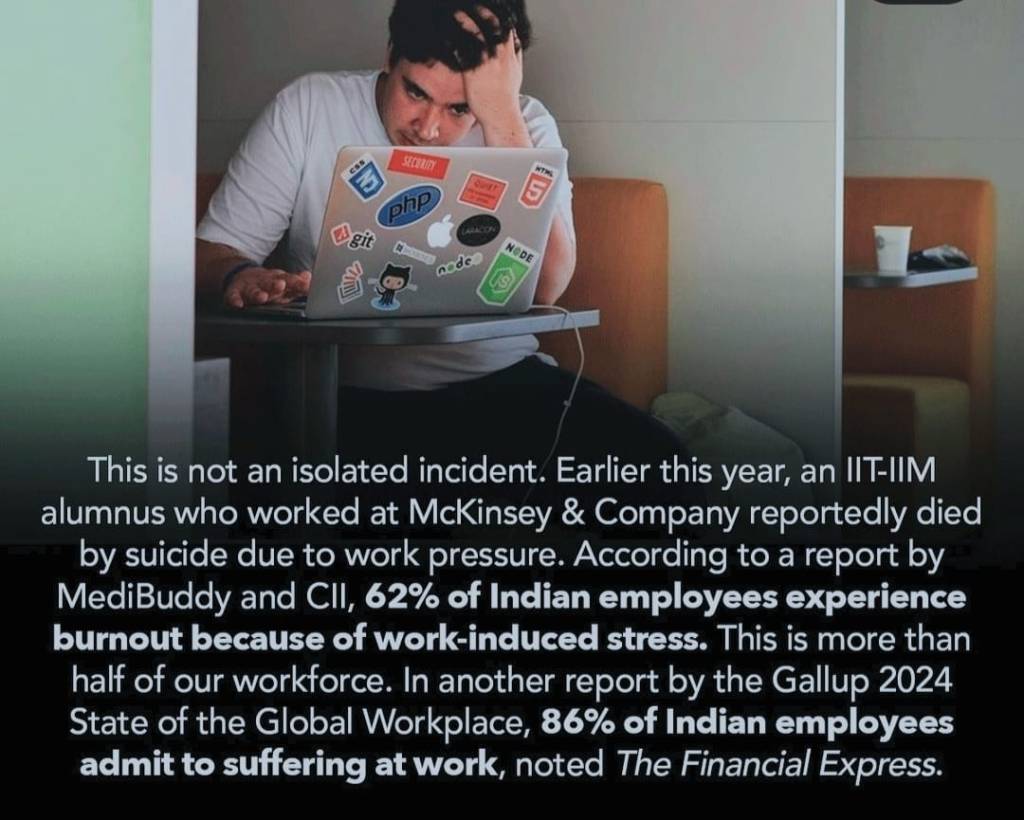
As tech giants push employees to the brink, burnout becomes the new normal. The time has come to hit reset and put humanity back into the workplace before the system collapses.
In the whirlwind of the tech sector, the workforce is often celebrated as the vital engine driving innovation and growth. Yet, beneath this shiny façade lies a disconcerting truth: countless employees are ensnared in a relentless cycle of stress, overwhelming workloads, and a profound sense of isolation. As corporations race to outpace their rivals, the human element frequently becomes an afterthought, leading to a crisis that demands urgent attention and action.
This reality is not just a passing concern; it is a clarion call for a seismic shift in how businesses prioritize their most precious resource—their people. The landscape of modern work has evolved into a breeding ground for anxiety and burnout. Employees are subjected to long hours, constant connectivity, and an unyielding pressure to excel. The once-reliable nine-to-five workday is rapidly becoming an outdated notion, replaced by an always-on mentality that blurs the lines between work and personal life. The resulting epidemic of burnout not only jeopardizes individual well-being but also threatens the overall effectiveness of organizations, leading to high turnover rates and diminished productivity.

For many young professionals, the allure of opportunity in major cities often conceals a deeper struggle with loneliness and disconnection. The very environments designed to inspire creativity and collaboration can morph into isolating landscapes, where individuals feel like mere cogs in a vast machine. Long commutes—sometimes stretching to two hours or more—only exacerbate this feeling, leaving little room for personal connections or self-care. The irony is biting: in a world that is more connected than ever, many individuals experience a profound sense of solitude.
The implications of this work culture extend far beyond personal experiences. The entire corporate structure requires a radical overhaul to address these pervasive issues. There is a growing consensus that companies must decentralize operations, moving away from major urban centres and establishing themselves in more accessible, community-oriented locations. This approach not only enables employees to work closer to home but also fosters a healthier work-life balance. By shortening commutes and nurturing connections within local communities, organizations can alleviate some of the burdens that plague the modern workforce.

Additionally, embracing a broader vision of corporate responsibility can lead to transformative changes in how businesses operate. By leveraging technological advancements to enhance public services and improve the quality of life for citizens, companies can position themselves as leaders in the global arena. This shift not only benefits the community but also enhances the organization’s reputation and fosters loyalty among employees who take pride in their company’s mission.
The urgency of addressing these challenges cannot be overstated. As the tech industry continues to evolve, prioritizing employee well-being must become a central focus. Companies that ignore the signs of stress, burnout, and disconnection do so at their peril. A happy, healthy employee is not just more productive; they are the foundation of a thriving organization. It is imperative for leaders to pause and reconsider their approach, taking into account not only their internal corporate culture but also the external factors that significantly influence their employees’ experiences.

The dialogue surrounding workplace stress is gaining momentum, but it requires a collective effort to catalyse meaningful change. The call for a fundamental shift is not merely a plea for compassion; it is a strategic necessity. By cultivating a culture that places a premium on well-being, organizations can unlock the full potential of their workforce, paving the way for a more sustainable future.
The tech workforce stands at a pivotal juncture, and the decisions made today will resonate throughout the industry and society for years to come. The pressures of modern work are unsustainable, and the consequences can be dire. Companies must adopt a holistic approach to employee well-being, recognizing that their success is inextricably linked to the health and happiness of their teams.
By decentralizing operations, nurturing local connections, and advocating for fair competition, organizations can foster a more balanced and supportive work environment. The time has come for tech companies to embrace this reality, ensuring their employees not only survive but thrive in an increasingly demanding landscape.

In a world where innovation is paramount, it is crucial to transform the tech treadmill into a path of progress that honours the people who drive it forward. Only then can we hope to cultivate a future where creativity and human dignity flourish in tandem, allowing the workforce to thrive in an environment that values their contributions and well-being. The stakes are high, and the time for change is now. Let us reimagine the corporate landscape to one that uplifts, empowers, and invests in the very individuals who are the heartbeat of the technology sector.
Visit arjasrikanth.in for more insights
 SOCIAL PERSPECTIVES