
“Tech’s Dirty Little Secret: The Carbon Neutrality Mirage Fuelling Our Digital Lives”
In today’s world, “carbon neutrality” has become a coveted status symbol, particularly within the tech industry. Companies proudly promote their environmental commitments through vibrant marketing campaigns and compelling statistics, but the true meaning of carbon neutrality is often clouded by these flashy presentations. Essentially, carbon neutrality involves balancing the amount of carbon dioxide a company emits with actions that absorb or mitigate those emissions, such as investing in reforestation projects or reducing their direct emissions. While the goal is to have a net-zero impact on the environment, achieving this is far more complex than it may appear.
At first glance, carbon neutrality seems like a commendable objective. It suggests that companies are taking responsibility for their environmental footprint and working to create a positive change. However, beneath this surface lies a more intricate and sometimes troubling reality. Recent reports have revealed discrepancies in the practices of several tech giants, including Google, Microsoft, Meta, Apple, and Amazon. Despite their vocal commitments to carbon neutrality, these corporations emitted approximately 7.6 times more greenhouse gases than they claimed between 2020 and 2023. This is a staggering statistic, particularly when compared to the total emissions generated by Bitcoin mining since 2009, raising significant questions about the authenticity of their environmental claims.
The core of the issue stems from the operations of data centres that power these tech giants. Data centres store and process massive amounts of data, fuelling everything from cloud services and websites to artificial intelligence tools. Each time a user sends an email, streams a video, or accesses a file from the cloud, they are using a data centre. These centres are critical to the smooth operation of the internet, but they are also immense energy consumers. According to the International Energy Agency (IEA), data centres accounted for 1.8% of global electricity consumption in 2023, and this number is expected to rise significantly with the increasing adoption of artificial intelligence.

Leading the push toward AI, Google’s CEO Sundar Pichai has labeled his company an “AI-first” organization, a sentiment echoed by Meta, Apple, and other major tech players. This rapid shift toward AI will drastically increase energy consumption. For example, a single query to a large language model like ChatGPT consumes ten times more energy than a standard Google search. To put this into perspective, the energy required for just one ChatGPT query is equivalent to running a light bulb for 20 minutes. By 2030, reports estimate that the energy consumption of data centres could increase by 160%, resulting in even greater carbon emissions. In countries like the United States, a large portion of this energy still comes from fossil fuels, exacerbating the problem.
Despite these realities, tech companies manage to report much lower emissions figures than the actual amounts. This is achieved through a series of accounting practices that some might call creative, but others could see as misleading. A key tactic involves the use of Renewable Energy Certificates (RECs). These certificates allow companies to purchase credits from renewable energy projects such as wind or solar farms. By doing so, they can claim a share of the environmental benefits without actually producing the renewable energy themselves. The catch is that the renewable energy does not need to be directly linked to their operations, meaning that a data centre powered by coal can still claim on paper to be using renewable energy.

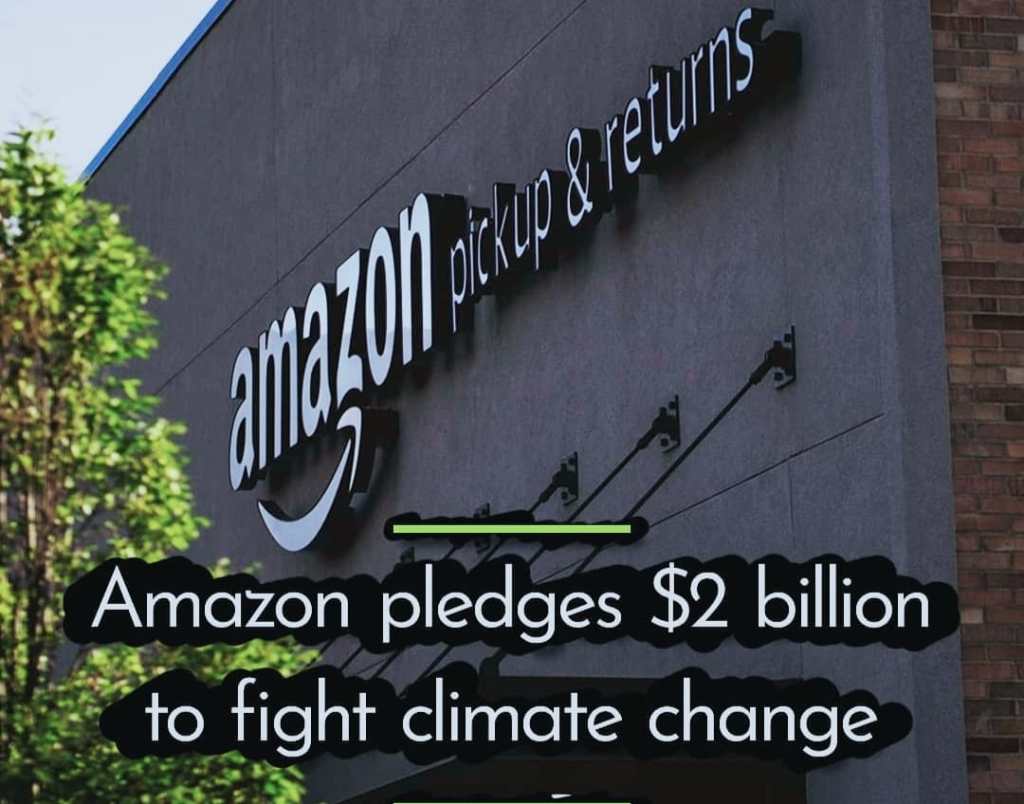
This strategy allows companies to present themselves as carbon neutral without making meaningful changes to their energy usage. For example, it is estimated that 78% of Amazon’s energy consumption in the United States still comes from non-renewable sources. Such carbon accounting methods enable these companies to project an image of environmental responsibility while continuing to rely heavily on fossil fuels. When examined more closely, the emissions from these tech giants in 2023 would place them as the 33rd largest emitter of carbon dioxide in the world, falling between the Philippines and Algeria.
The discrepancies between reported and actual emissions are startling. Meta, for instance, reported 273 metric tons of carbon dioxide emissions from its data centres, while location-based emissions totalled over 38 million metric tons—an astonishing difference of more than 14,000%. Microsoft experienced a similar situation, with a 21-fold gap between its reported and actual emissions. Location-based emissions take into account the actual carbon footprint based on where electricity is generated, so data centres in regions powered by coal or natural gas will naturally have much higher emissions.
Furthermore, many tech companies lease capacity from third-party data centres, which adds another layer of complexity in tracking emissions. These Scope 3 emissions are particularly challenging to account for accurately, and it is unclear whether all of these emissions are fully included in sustainability reports. To address this problem and hold tech companies accountable for their environmental impact, increased transparency in reporting practices is essential. Some companies are starting to recognize this need. Google, for instance, has pledged to operate its data centres on renewable energy 24/7 by 2030, eliminating its reliance on RECs. Microsoft has set a similar goal, aiming for 100% carbon-free energy by the same year.
However, not all tech giants are making such commitments, and the disparity in accountability raises questions about the sincerity of their claims. While the promises of carbon neutrality sound impressive, the reality is much more complicated. For the tech industry to truly reduce its carbon footprint, companies need to adopt transparent reporting practices and make significant investments in energy infrastructure. Moving toward location-based accounting would provide a more accurate representation of their emissions and the impact of their operations on the environment.
In conclusion, the pursuit of carbon neutrality in the tech industry has become a complex narrative, filled with lofty promises and practices that often fall short. The stark difference between reported emissions and actual environmental impacts underscores the need for greater transparency and accountability. As technology and data-driven solutions become increasingly integral to modern life, it is crucial for these companies to take meaningful action to reduce their carbon footprint. Only through a genuine commitment to sustainability can they hope to achieve true carbon neutrality and contribute positively to the global fight against climate change.
VISIT ARJASRIKANTH.IN FOR MORE INSIGHTS
 SOCIAL PERSPECTIVES