As Human-Wildlife Conflict Escalates, Villages Tremble and Ecosystems Crumble
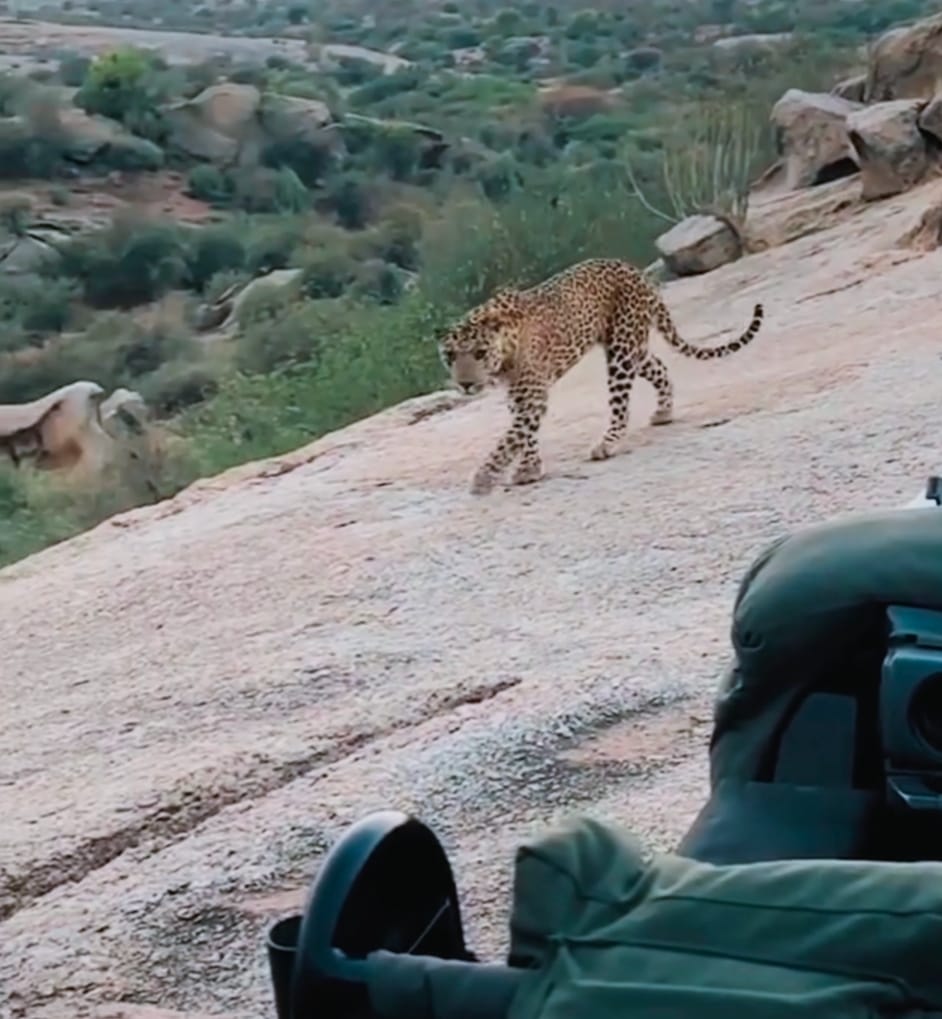
In recent years, the increasing frequency of human-animal conflict has become a global issue, and Rajasthan has emerged as a prominent battleground in this escalating struggle. Once home to majestic elephants and elusive tigers, Rajasthan’s wild landscapes are now witnessing a surge in leopard attacks, thrusting the region into a state of heightened fear and uncertainty. Particularly in the Gogunda range, a recent string of fatal leopard attacks has left the local communities reeling, highlighting the precarious relationship between humans and wildlife. The tragic deaths of seven individuals within a five-kilometre radius in just a few weeks have shaken the surrounding villages, forcing people to flee their homes and re-evaluate their daily routines.
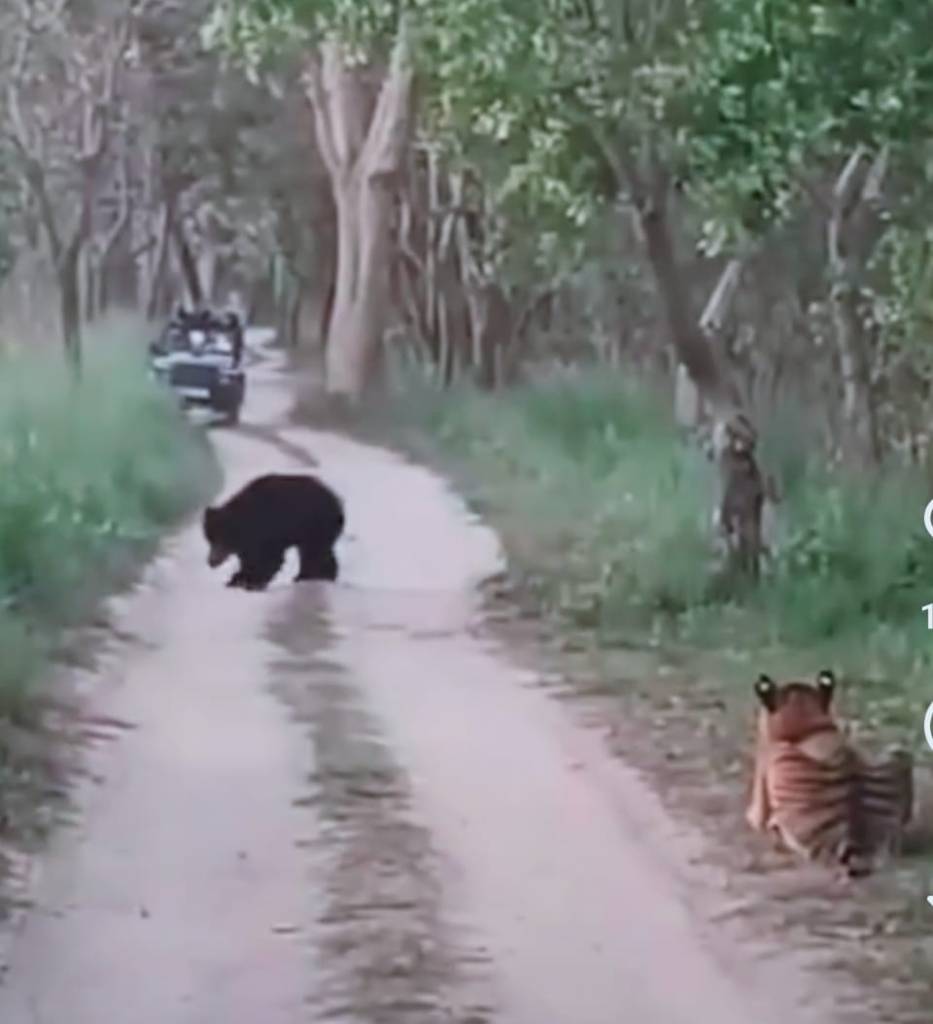
The growing crisis raises important questions about the underlying causes of such conflicts. While some might attribute the attacks to chance encounters, the reality is far more complex. Habitat destruction, shrinking prey populations, and the ever-expanding footprint of human settlements have severely disrupted the natural ecosystem, leaving leopards with no choice but to encroach on human territories in search of food. This desperate foray into villages has led leopards to target livestock and, alarmingly, humans. The situation around Gogunda is not an isolated event but a microcosm of a larger global crisis where animals, displaced from their habitats, come into closer contact with human populations, often with devastating consequences.
In the case of Rajasthan, the state’s burgeoning population and subsequent encroachment into once-pristine forests have significantly reduced the number of herbivores—leopards’ primary prey. Deprived of their natural food sources, these predators are increasingly forced to rely on livestock and, in extreme cases, human beings. The resulting conflict has not only placed human lives at risk but has also imperilled the leopards, as local communities demand swift retribution for the attacks.

Forest authorities have scrambled to respond to the rising threat by deploying a range of measures aimed at capturing the leopards. Traps and cages have been placed in strategic locations, but their success has been limited. Though four leopards have been captured, the chief perpetrator remains elusive, and frustration among villagers continues to mount. With no clear solution in sight, tensions have reached a boiling point, prompting villagers to block highways in protest. This clash between humans and leopards has exposed the inadequacies in current wildlife management strategies and underscored the need for a more holistic approach to addressing these conflicts.
For many residents in the affected areas, particularly those in tribal communities, life has come to a standstill. Agriculture, a vital lifeline for these populations, has been severely disrupted. Fearful of venturing into the fields or sending their children outside, villagers are caught in a grim dilemma between sustaining their livelihoods and safeguarding their families. The ripple effect has been palpable, with agricultural activities slowing down and food security increasingly threatened.

Beyond the immediate crisis, the broader issue at hand is one of human encroachment into wildlife habitats. As development expands and forested areas give way to new settlements and farmland, animals like leopards are left with fewer places to roam. This rapid environmental degradation not only endangers wildlife but also poses a direct threat to human safety. The delicate balance that once allowed humans and animals to coexist is eroding, and without intervention, the situation could spiral further out of control.
Solutions to this escalating conflict require a multi-pronged approach. Experts have long advocated for the creation of buffer zones between human settlements and wildlife habitats, which could help mitigate direct interactions. By encouraging the growth of herbivore populations within these protected areas, leopards may find alternative food sources, reducing their dependence on livestock and humans. Raising awareness among local communities is another key step. When people understand how to coexist with wildlife, they can take precautions to protect both themselves and the animals.

Wildlife corridors, designed to facilitate safe passage for animals between their natural habitats, are another promising solution. These corridors would not only keep wildlife away from human settlements but could also generate opportunities for ecotourism, benefiting local communities financially. Advanced technology, such as the use of drones, camera traps, and radio collars, can further aid in monitoring wildlife movements, enabling authorities to predict potential conflicts and act proactively.
While forest officials and local governments have a significant role to play, the responsibility for resolving human-animal conflicts extends to all stakeholders. Collaborative efforts between communities, conservationists, and policymakers are essential for creating a sustainable future where humans and wildlife can thrive in harmony. Empowering local communities through education and involving them in conservation initiatives is critical to ensuring the success of any long-term solutions.

In conclusion, the recent leopard crisis in Rajasthan serves as a sobering reminder of the fragile balance between humans and wildlife. The rise in leopard attacks reflects deeper systemic issues—habitat destruction, dwindling prey, and unchecked human expansion. If we are to prevent future tragedies, a comprehensive strategy is needed to restore balance to these ecosystems. By creating buffer zones, establishing wildlife corridors, and fostering community collaboration, we can work toward a future where humans and leopards no longer clash. Only through mutual respect and coexistence can both species continue to thrive.
Visit arjasrikanth.in for more insights
 SOCIAL PERSPECTIVES