
Beyond the Veil: The Battle for Control Over Hindu Temples in India
In a nation celebrated for its diversity and freedom, there exists a paradox that stirs deep debate—the state’s control over Hindu temples. This issue, as complex as it is widespread, touches on sensitive areas of religious autonomy and community control. While the Constitution of India enshrines the right to religious freedom, Hindu temples remain largely under state control, a practice that has drawn considerable criticism for its contradiction to the principles of secularism and religious independence. The roots of this control are not recent but trace back to colonial times when the British sought to harness the immense wealth and influence temples held within Indian society. This control has persisted, even expanded, under independent India’s governments, creating a tension that reflects not only on administrative control but on the spiritual sanctity of these religious institutions.
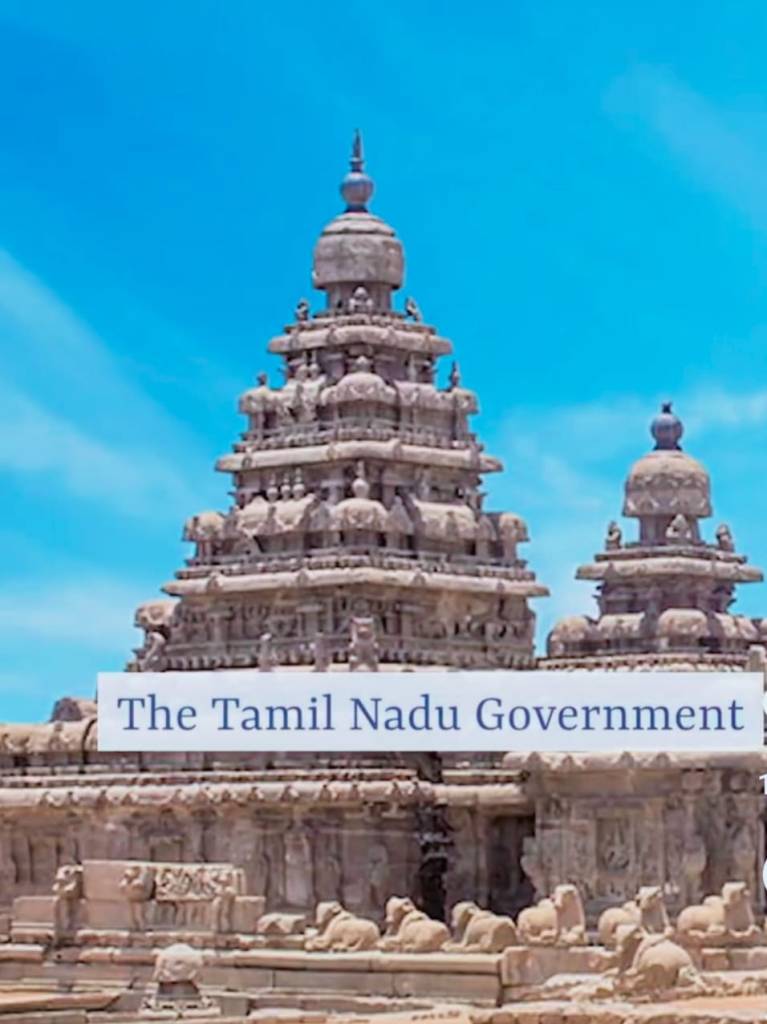
The entanglement of Hindu temples with the state is a deeply layered issue. During the colonial period, temples were seen as key centres of cultural, social, and economic life, and the British administration recognized their power. Consequently, they imposed regulations that allowed for interference in temple management, particularly in southern India. The wealth of these temples, including their vast land holdings and resources, was co-opted for colonial purposes. Unfortunately, this trend did not end with the departure of the British. Post-independence, the Indian government continued to exert control over Hindu temples, appointing trustees and administrators to manage their affairs, while religious institutions belonging to other communities, such as mosques and churches, were allowed to retain autonomy under the control of their respective religious communities.
This inequitable system has persisted for decades, with some states like Tamil Nadu offering stark examples of the extent of government oversight. The government controls tens of thousands of temples, including their vast land holdings. In some instances, these religious institutions are reduced to bureaucratic entities, with government-appointed trustees deciding their fate. As this control deepens, concerns about the erosion of religious freedom grow louder. Temples, which historically served as spiritual and cultural hubs for the Hindu community, are now subject to the whims of state policy, leaving their devotees feeling increasingly estranged from the institutions that have long served as a foundation of their spiritual lives.

Financially, the impact of state control on Hindu temples is significant. Government interference in temple finances often results in the diversion of funds intended for religious and charitable purposes to state-run projects and welfare schemes. This practice dilutes the original intent of temple donations, violating the trust of devotees who give with the expectation that their contributions will be used to support religious activities and community welfare. In some cases, the mismanagement of temple funds has led to significant deficits in maintaining the temples and conducting religious festivals, further exacerbating the sense of betrayal felt by the Hindu community.
The contrast with other religious institutions in India is striking. Mosques, churches, and gurdwaras enjoy considerable autonomy, free from government interference in their financial and administrative affairs. The question that arises is why Hindu temples, which are also deeply intertwined with the cultural and spiritual identity of the community, are subjected to such a different standard. The inconsistency in the application of religious freedom and secular principles has fuelled demands for reform. Many argue that Hindu temples should be managed by community-based organizations that understand and respect the religious and cultural values of their devotees.
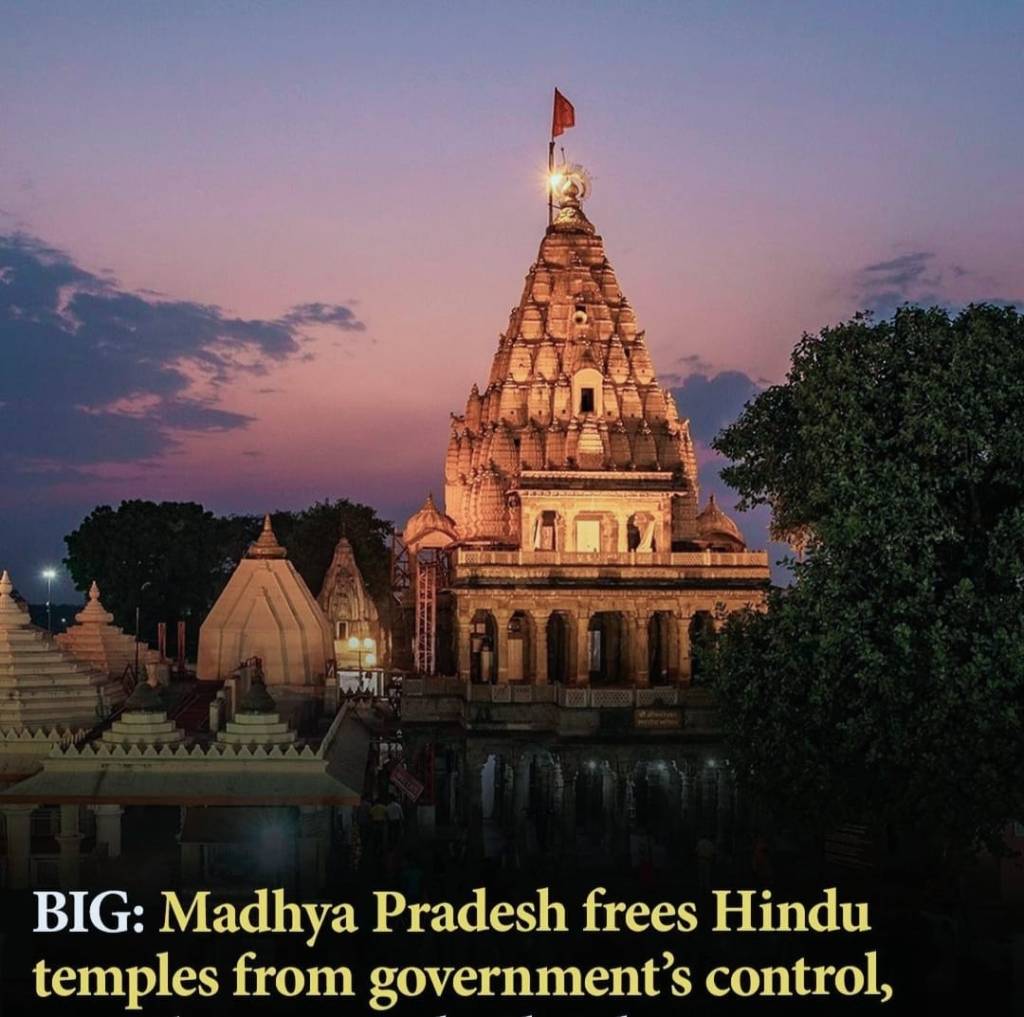
Despite widespread calls for change, efforts to remove government control over temples have faced significant resistance. Legal frameworks, such as the Hindu Religious and Charitable Endowments Act, empower the state to control temple assets, ostensibly to ensure transparency and prevent the exclusion of marginalized communities from religious spaces. However, critics argue that these laws serve as a convenient justification for continued state control, rather than addressing the core issue of religious autonomy. Furthermore, the judiciary has often deferred to the state on matters concerning temple management, perpetuating a system that many within the Hindu community see as unjust and discriminatory.
The implications of this issue are profound, touching on questions of religious freedom, cultural preservation, and community autonomy. The debate is not merely about who controls temple finances or manages daily operations but about who gets to define the spiritual and cultural identity of the Hindu community. For many Hindus, reclaiming control over their temples is about more than financial autonomy; it is about restoring the spiritual sanctity of their religious institutions and ensuring that their temples reflect the values and beliefs of the community.
There are growing calls for the establishment of independent bodies that would oversee the administration of Hindu temples, free from government control. These bodies, composed of religious and community leaders, would be accountable to the Hindu community and would ensure that temple funds are used for their intended purposes, such as religious activities, charitable work, and the upkeep of these sacred spaces. Such an arrangement would restore trust among devotees, who currently feel that their contributions are being misused by the state.
Restoring community control over Hindu temples would also strengthen the role of these institutions as centres of cultural and social life. Temples have long served not only as places of worship but also as hubs for education, charity, and social welfare. By placing their management in the hands of the community, temples could once again fulfil these roles, free from the bureaucratic constraints imposed by the state.
However, the path to reform is fraught with challenges. The legal landscape surrounding temple administration is complex, with various state-specific laws governing how temples are managed. Additionally, there is resistance from political and bureaucratic quarters that benefit from the current system of state control. Overcoming these obstacles will require sustained advocacy and legal challenges from those who believe in the cause of religious freedom and community autonomy.

In conclusion, the state’s control over Hindu temples remains a contentious issue that raises important questions about the nature of secularism, religious freedom, and community autonomy in India. The current system, which allows the government to manage temple finances and appoint trustees, has resulted in a sense of alienation among the Hindu community, as well as significant financial mismanagement. Advocates for reform argue that Hindu temples, like other religious institutions in India, should be managed by community-based organizations that respect the religious and cultural values of their devotees. By restoring control to the community, temples can once again become vibrant centers of religious, cultural, and social life. To strike a balance, the secular activities of these institutions should remain under government supervision, ensuring fairness and transparency, while the spiritual and religious aspects should be managed by religious heads or a dedicated Sanatana Sanghatan. This separation will ensure that the religious and cultural identity of the community is preserved, while maintaining the integrity of the institutions for future generations.
Visit arjasrikanth.in for more insights
 SOCIAL PERSPECTIVES