
In the 1970s, India stood on the precipice of transformation, striving for industrialization and yearning for energy to fuel its ambitions. The solution was clear: coal. Once heralded as the king of energy sources, coal was simple, effective, and efficient. Extract it, ignite it, and let the towering turbines spin, generating electricity. The proliferation of coal-fired power plants, with their towering smokestacks, became synonymous with progress and modernization. Amid this energy revolution, the National Thermal Power Corporation (NTPC) was established in 1975, tasked with building massive coal power plants and overseeing the entire supply chain—from coal mining to electricity delivery. Yet, as decades passed, the environmental consequences of this coal dependency became starkly evident. The air thickened with smog, skies darkened, and what was once hailed as progress spiralled into a crisis. Growing calls for cleaner energy compelled NTPC to re-evaluate its strategy, realizing that the global shift away from fossil fuels was not a fleeting trend but an essential evolution.
The year 2020 marked a pivotal moment for NTPC as it launched a dedicated renewable energy division, setting an ambitious target of generating 60 gigawatts (GW) of renewable energy by 2032. This transition required a fundamental reimagining of operations, embracing new technologies and engaging a diverse array of stakeholders in the energy sector. Unlike coal, renewable energy posed unique challenges; one could not merely dig up sunlight or request a tank of wind. Success demanded innovation, investment, and a bold leap into the unknown.
Undeterred, NTPC embarked on constructing solar farms and wind turbines across the country, marking the dawn of its green energy initiative. By 2023, the company took a decisive step by transferring its renewable energy assets to this new division, reinforcing its commitment to clean energy. The timing was fortuitous; India had established itself as a global leader in renewable energy, targeting 500 GW of non-fossil fuel capacity by 2030. Public and private investments flooded into the green energy sector, creating a robust framework for rapid expansion.
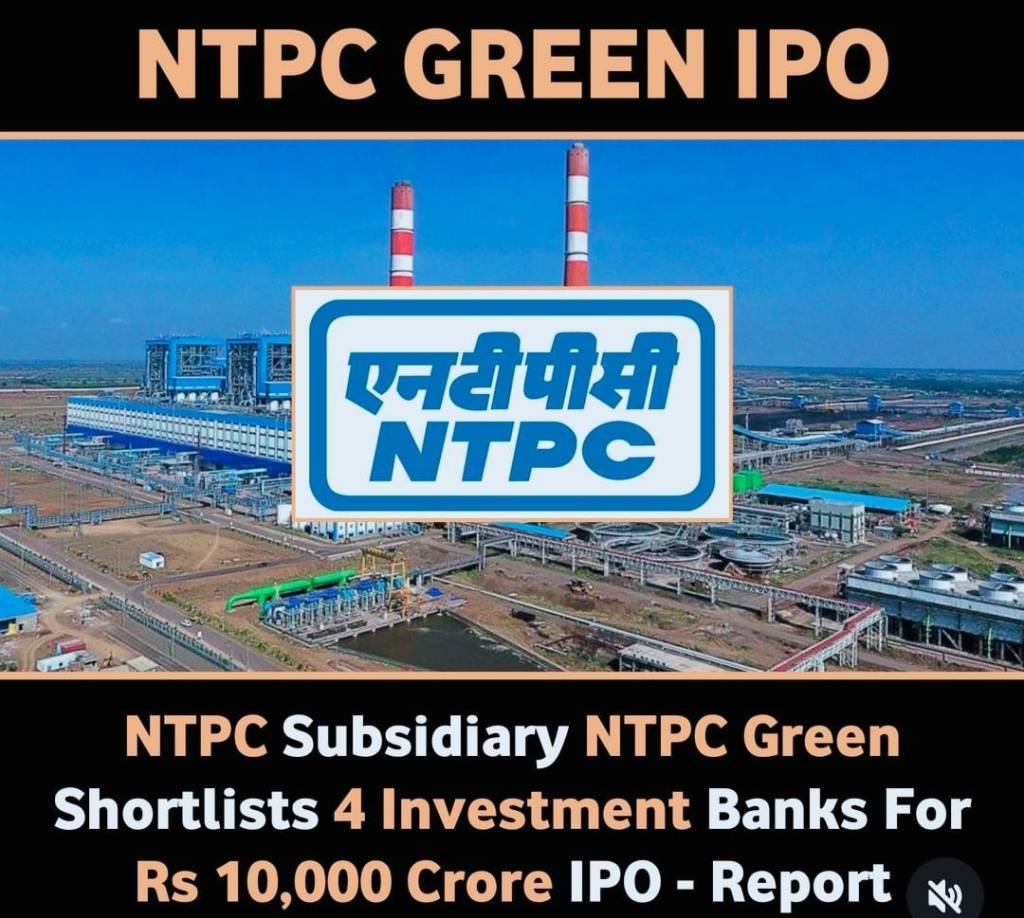
Today, NTPC’s renewable energy initiative stands as the largest public sector enterprise in this domain, boasting an operational solar capacity of 3,071 megawatts (MW). The solar segment alone contributes over 90% of total revenue, amounting to a staggering 1,840 crore rupees in the latest financial year, while wind energy contributes approximately 4%. With plans for an initial public offering (IPO) worth 10,000 crore rupees, questions arise about the motivations behind this move so soon after the initiative’s inception.
One compelling rationale for the IPO is regulatory compliance; Indian regulations require public sector companies to maintain a certain percentage of shares in the market. An IPO could unlock significant value for NTPC, especially as its renewable energy business is on course to surpass traditional coal operations. The ambitious goal of 60 GW by 2032 indicates that this new initiative is evolving into the corporation’s flagship business.
Debt repayment is another critical reason for the IPO. The rapid expansion of NTPC’s renewable energy division has been financed through loans, and a substantial portion of the IPO proceeds will be directed toward reducing this debt. In the capital-intensive renewable energy sector, minimizing debt is crucial, as it liberates cash flow, reduces interest costs, and provides the financial flexibility needed for reinvestment in future projects.

However, the success of NTPC’s ambitious vision hinges on its ability to turn grand ideas into reality. Harnessing solar and wind energy is not merely a matter of flipping a switch; it requires strategic partnerships to ensure that green energy reaches consumers. State electricity distributors play a pivotal role in this ecosystem, yet they often grapple with delayed payments and bureaucratic hurdles. To mitigate these risks, NTPC relies on Power Purchase Agreements (PPAs)—long-term contracts that guarantee fixed electricity prices over 25 years. While PPAs offer some stability, they represent just the beginning. Significant investments in infrastructure, including solar panels, wind turbines, and energy storage solutions like batteries and smart grids, are essential for maintaining reliable energy flows as promised in these agreements.
NTPC’s balance sheet reflects a remarkable increase in property, plant, and equipment, surging to 17,300 crore rupees—a 17% rise compared to the previous fiscal year. This substantial investment in infrastructure not only enhances the initiative’s capacity to meet demand but also solidifies NTPC’s status as a valuable partner for other energy generators.
One of the most striking aspects of NTPC’s renewable energy venture is its low cost of capital. In the energy sector, securing funding for large projects is paramount, and access to cheaper debt can significantly impact profitability. Strong credit backing from NTPC’s parent company enables the renewable energy division to borrow at favourable rates, facilitating further project development and operational expansion without the burden of exorbitant interest payments.

With 3,071 MW of installed solar and wind capacity, NTPC diligently pursues its ambitious target of 60 GW by 2032. The company is also at the forefront of developing 27 GW of Round-the-Clock (RTC) renewable energy projects across India, designed to deliver uninterrupted power by integrating various sources, including solar, wind, and battery storage.
Nevertheless, substantial challenges loom ahead. A notable concentration risk emerges as a significant portion of revenue stems from a limited number of customers, with state electricity distributors accounting for over 45% of total revenue. The notorious payment delays from these distributors can create cash flow issues, sometimes extending up to four months. Geographical concentration further compounds this vulnerability, with 60% of projects situated in one region, exposing NTPC to potential local regulatory challenges and climate variability. Moreover, the hefty capital expenditure required for expanding renewable energy infrastructure necessitates meticulous cost management, which is critical for long-term success.
As competition intensifies in the renewable energy sector, NTPC faces formidable rivals that have made significant strides. While NTPC enjoys robust government support and strong financial backing, competitors boast advantages such as quicker project execution and diversified revenue streams that could impact NTPC’s market share in securing new projects.
Additionally, rising financial costs present another challenge as NTPC increases its debt to fund expansion. Coupled with climbing depreciation costs from new asset additions, profit margins may further tighten until the new capacity begins generating revenue. This interplay of factors creates a delicate balance as NTPC navigates its ambitious growth trajectory.
In terms of income and revenues, it’s crucial to note that in the renewable energy sector, historical performance often takes a backseat to future potential. Investors typically focus on long-term projects and opportunities rather than past financials.
The NTPC Green IPO represents a significant opportunity within India’s burgeoning renewable energy landscape. Launched by NTPC, the nation’s largest energy conglomerate, this eco-friendly public offering aims to raise funds specifically for financing clean energy initiatives, including solar and wind projects as well as grid-connected power systems. Investing in the NTPC Green IPO means contributing to India’s transition toward sustainable energy, aligning with the government’s goals of reducing carbon emissions and promoting green energy solutions.
Valued at approximately $10 billion, the Indian green energy market is projected to double to $20 billion by 2025 and could soar to an astonishing $50 billion by 2030. With aspirations of achieving 500 GW of non-fossil fuel capacity by 2030, India is positioning itself as a global leader in renewable energy. This sector encompasses a variety of offerings, including solar, wind, bioenergy, and hydropower, along with innovative energy storage technologies.
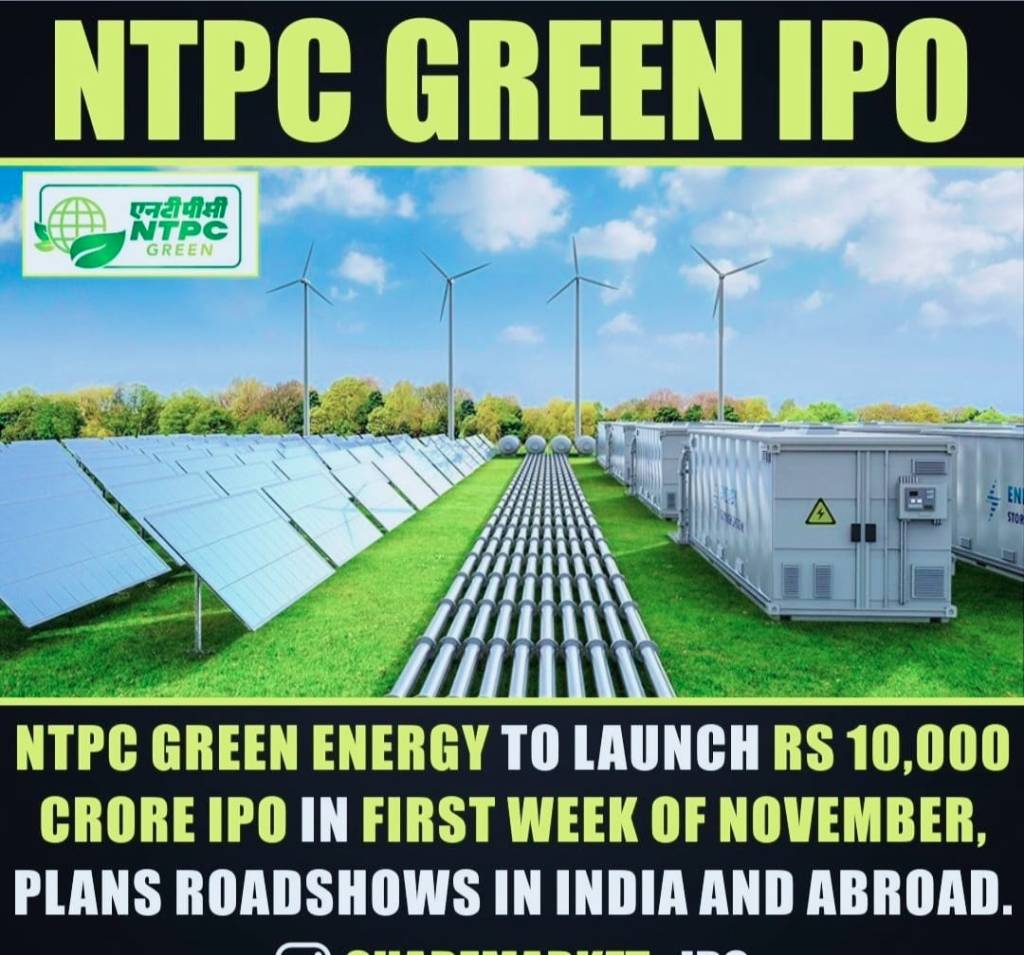
Incorporated in April 2022, NTPC Green Energy has made impressive strides, boasting 3.34 GW of installed capacity and a robust pipeline of 10.8 GW of renewable projects. With strong financial performance and plans to diversify into green hydrogen and energy storage, NTPC Green Energy is poised to play a pivotal role in India’s energy transition. The IPO is tentatively scheduled from November 9 to 12, 2024, with further details to be announced upon submission of the red herring prospectus.
So where does this leave us? The upcoming IPO represents a significant opportunity for investors, but we must await the issue price to accurately assess the company’s earnings potential and market valuation. Interestingly, whispers within investment circles suggest that acquiring even a single share could be strategic. Owning just one share may grant preferential access to the IPO, poised to be one of the largest in the renewable energy sector and the second-largest public sector IPO following a major market player. Early investment could provide savvy investors with a considerable advantage as they position themselves for growth in this emerging market.

In conclusion, NTPC’s remarkable transformation from a coal-centric powerhouse to a leader in renewable energy exemplifies the broader shift occurring within India’s energy landscape. With ambitious goals, strategic investments, and a commitment to sustainability, NTPC is well-positioned to play a crucial role in the country’s transition to clean energy. However, navigating challenges such as concentration risks, payment delays, and rising costs while competing against formidable rivals will be essential. As the renewable energy sector evolves, the success of NTPC’s green initiative will depend on its ability to manage these complexities while maintaining its growth trajectory. The upcoming IPO not only marks a financial milestone but also signifies a pivotal moment for NTPC as it solidifies its place in the future of India’s energy sector, showcasing the transformative journey from black coal to golden sunshine.
Visit arjasrikanth.in for more insights
 SOCIAL PERSPECTIVES