
RINL: The Final Frontier for a Revolutionary Comeback in Steel!!
Rashtriya Ispat Nigam Limited (RINL) stands at a pivotal moment in its storied history, a crucial juncture that may well determine its future. Recent developments indicate a rare opportunity for revival, but it’s a call to action that must resonate throughout the organization. Critics and stakeholders alike have raised urgent concerns regarding staff management, highlighting a pervasive culture of politics overshadowing the dedication required to breathe new life into RINL. The time for change is now, as the very survival of this historic organization hinges on a comprehensive transformation.
The discontent among customers has reached alarming levels, with many feeling apprehensive about engaging with RINL officials. This lack of a customer-friendly approach not only tarnishes the company’s reputation but also jeopardizes its long-term viability. If RINL is to recover, it must embrace a customer-centric philosophy, fostering relationships based on trust and responsiveness. In an increasingly competitive landscape where customer loyalty is paramount, it is imperative that RINL sheds its past image of indifference and adopts a more open, approachable demeanour.
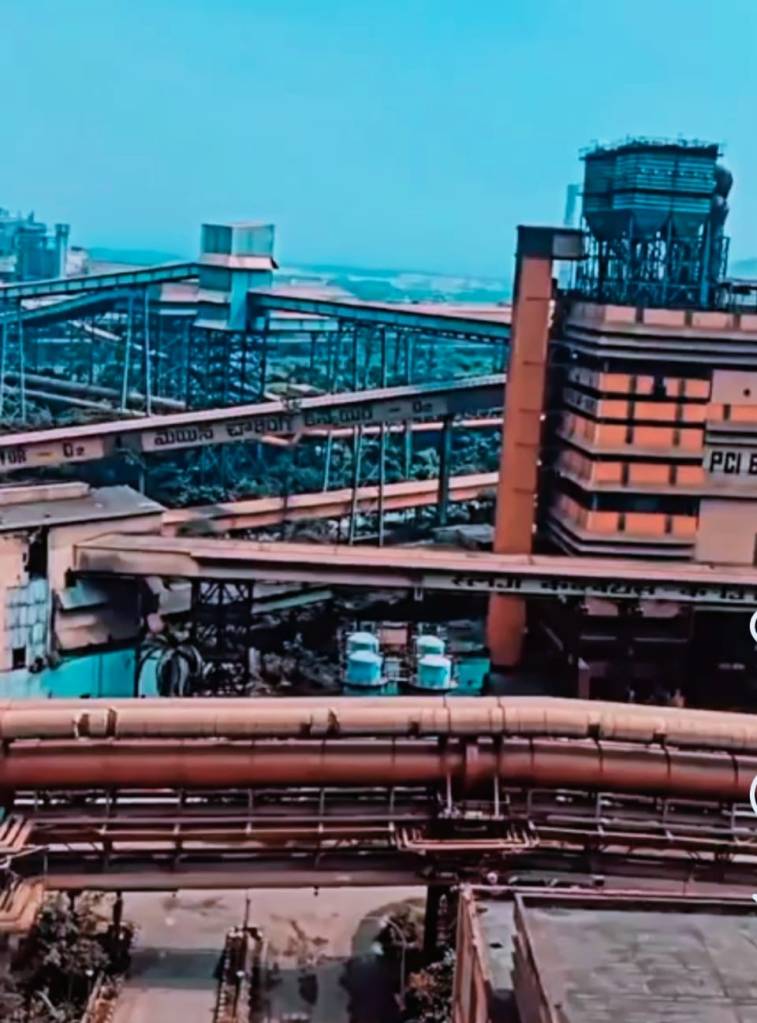
The political landscape offers a glimmer of hope, especially with recent changes in government. Influential leaders like Chandra Babu Naidu are working diligently behind the scenes to assist RINL in its recovery journey. This support signals a last chance for the organization to refocus its efforts on critical operational areas. RINL must prioritize the full operation of its iron ore mines and ensure that both blast furnaces run at optimal capacity. These actions are essential not only for maximizing production but also for improving the financial stability that has eluded RINL for far too long.
Maintaining cordial relationships with customers is not merely an option; it is a necessity. The company’s future depends on its ability to connect with clients, understand their needs, and provide timely solutions. Transforming the corporate culture to prioritize customer engagement will not only enhance sales but also bolster RINL’s overall reputation in the market. In this context, embracing a customer-first mentality is not just good business practice; it is crucial for survival.
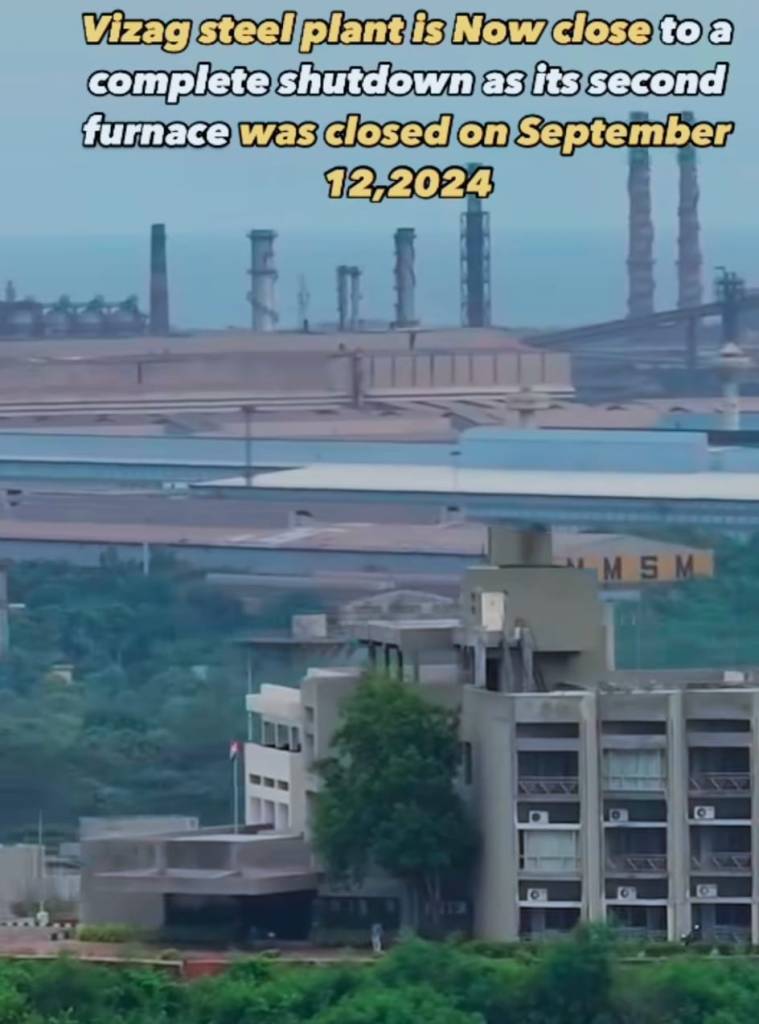
Furthermore, the morale of the staff has emerged as a significant concern. Employees have endured enough turmoil, and now is the time for leadership to galvanize the workforce toward a common goal. It is essential that RINL fosters an environment where dedication and hard work are recognized and rewarded. Investing in training and development programs can empower staff, equipping them with the skills and knowledge necessary to contribute meaningfully to the organization’s revival. A motivated workforce will be the backbone of RINL’s transformation.
In an encouraging turn of events, the State Bank of India (SBI) is stepping in to collaborate with the government on viable solutions for RINL’s financial distress. SBI has presented a comprehensive plan to the Department of Financial Services and the steel secretary, outlining several options aimed at stabilizing RINL. This partnership signifies a positive development and a commitment to restoring RINL to health. It demonstrates that both the government and financial institutions recognize RINL’s importance, not only to the steel industry but also to the Indian economy at large.

As discussions continue regarding the potential merger of RINL with the Steel Authority of India (SAIL), it is crucial that all options remain on the table. While mergers can provide a path to recovery, they also present challenges that require careful consideration. The focus must remain on what is best for RINL, ensuring that any decision made prioritizes long-term sustainability and growth.
Amid these discussions, the government’s focus on green steel and decarbonization initiatives presents another golden opportunity for RINL. During a recent summit organized by the Confederation of Indian Industry (CII), steel secretary Sandeep Poundrik emphasized the importance of prioritizing green steel in procurement processes. RINL must seize this opportunity to position itself as a leader in green steel production, developing innovative processes and technologies that reduce its carbon footprint. A commitment to sustainability will not only enhance its competitive advantage but also align with global trends emphasizing environmental responsibility.
In line with the government’s objectives, RINL must also explore the use of low-grade iron ore through beneficiation facilities. By investing in technologies that improve the quality of iron ore, RINL can enhance its production efficiency and reduce costs. This proactive approach will enable the company to maximize resource utilization while addressing environmental concerns.
However, adapting to a rapidly changing industry landscape will require more than just operational improvements. With steel prices facing downward pressure, maintaining healthy profit margins is paramount. The government is acutely aware of these market dynamics and is committed to ensuring that the steel industry remains viable. RINL must leverage this support to implement effective cost-control measures while enhancing operational efficiencies. This includes exploring options for diversification and value addition to products, which can open new revenue streams.
Moreover, establishing a clear communication channel within the organization and with external stakeholders is vital. Transparency can build trust, not only among employees but also with customers, suppliers, and investors. An open dialogue will encourage a culture of collaboration and innovation, crucial for navigating the complexities of the modern steel industry.
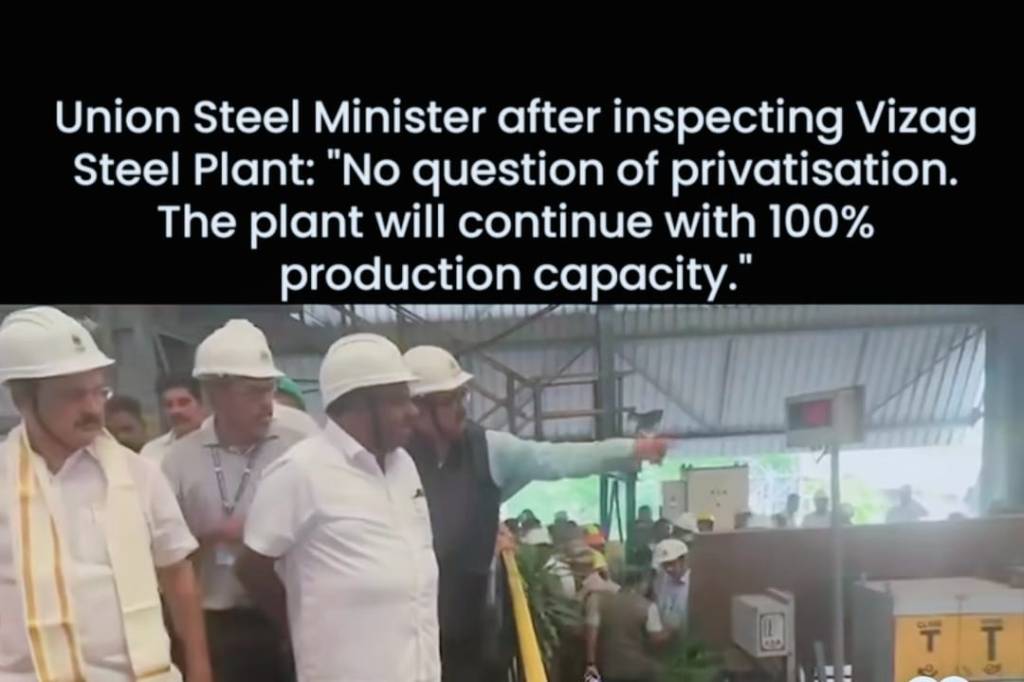
In conclusion, RINL stands at a critical juncture, offering a unique opportunity for a transformative comeback. This pivotal moment allows the organization to redefine its future through strategic shifts and an enhanced focus on customer relations. By cultivating a culture of dedication, improving staff morale, and leveraging the backing of financial institutions, RINL can lay the groundwork for its revival. With the government advocating for green initiatives and innovative practices, RINL must align itself with these evolving trends to not only survive but thrive in an increasingly competitive steel industry. The time for action is now; RINL has a golden opportunity to redefine its legacy. The question remains: will the organization rise to the challenge and reclaim its rightful place in the steel sector? The path to revival begins with decisive steps taken today, and the future of RINL depends not solely on its leadership but also on the collective effort of its workforce. Each employee plays an integral role in crafting the next chapter of this historic company, shaping its success for years to come.
VISIT ARJASRIKANTH.IN FOR MORE INSIGHTS
 SOCIAL PERSPECTIVES