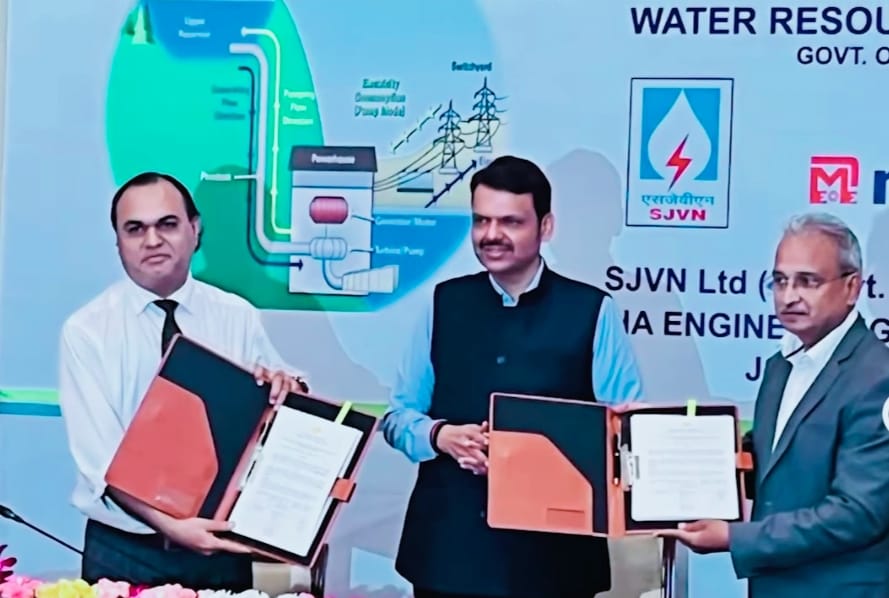
In a move set to revolutionize India’s energy landscape, Megha Engineering & Infrastructures Limited (MEIL) has partnered with the Government of Maharashtra’s Department of Water Resources to develop two monumental Pumped Storage Projects (PSPs) with a combined capacity of 4000 MW. These projects are poised to transform Maharashtra’s energy framework, marking a significant step forward in the country’s journey towards sustainable power solutions. The Kamod Pumped Storage Project in Nandurbar District and the Ghosla Pumped Storage Project in Chhatrapati Sambhajinagar District are far more than just infrastructure endeavours. They represent a crucial leap toward India’s energy self-sufficiency, symbolizing the future of renewable energy integration.
This ground-breaking partnership underscores a strong commitment to harnessing untapped energy reserves through advanced technology and innovative engineering. The signing of the Memorandum of Understanding (MoU) highlighted the strategic importance of the projects, showcasing the ambition to revolutionize the energy landscape. The leadership team emphasized a dedication to advancing India’s energy infrastructure with a focus on innovation, efficiency, and sustainable development, marking a significant step towards a cleaner, more reliable energy future. This initiative reflects a broader vision for creating long-term solutions that align with the country’s renewable energy goals and sustainable development ambitions.
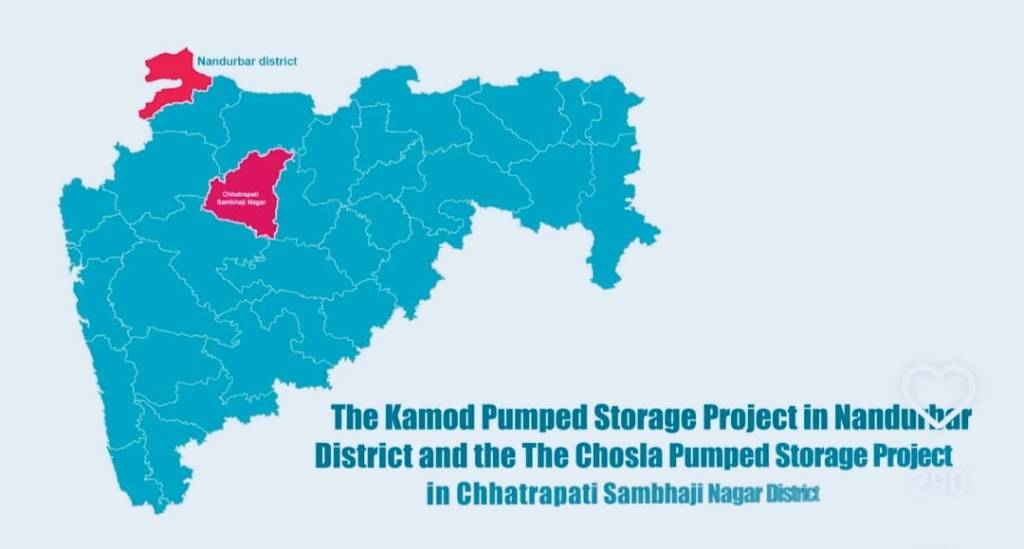
The development of the Kamod and Ghosla projects aims to meet the state’s growing energy demands while ensuring long-term sustainability. The financial outlay for these initiatives, amounting to ₹21,100 crore, underscores the ambitious scope of this endeavor. However, the value of these projects goes far beyond their monetary cost. The projects are set to generate approximately 2,500 jobs, contributing significantly to the local economies of the districts where they are being implemented.
One of the defining features of MEIL’s approach is its commitment to timely execution. The Ghosla Pumped Storage Project is expected to be completed within three and a half years, while the Kamod project will take five years to finish. This aggressive timeline speaks volumes about MEIL’s proficiency in managing large-scale infrastructure projects efficiently, without compromising on quality.

At the heart of these projects are advanced closed-loop systems. These systems involve the construction of upper and lower reservoirs, which allow for the storage and discharge of energy as needed. This capability to store energy during periods of low demand and release it during peak hours makes pumped storage projects indispensable in the renewable energy ecosystem. The Kamod and Ghosla projects will have the ability to store energy for at least six hours each day, offering a reliable solution to the intermittency issues often associated with renewable energy sources like solar and wind power.
Pumped storage projects like these are becoming increasingly critical in today’s evolving energy market, offering both flexibility and cost-effective solutions for energy storage. By storing excess energy generated during off-peak times, they help stabilize the energy supply during periods of high demand. This is particularly important in Maharashtra, a state experiencing rapid urbanization and industrial growth, both of which are driving up energy consumption.
The Kamod and Ghosla projects are not merely responses to the state’s immediate energy needs; they represent a fundamental shift in how energy will be generated, stored, and consumed in India. Their successful integration into the power grid will help reduce the state’s reliance on traditional fossil fuels, moving Maharashtra, and India at large, closer to achieving its sustainability goals.
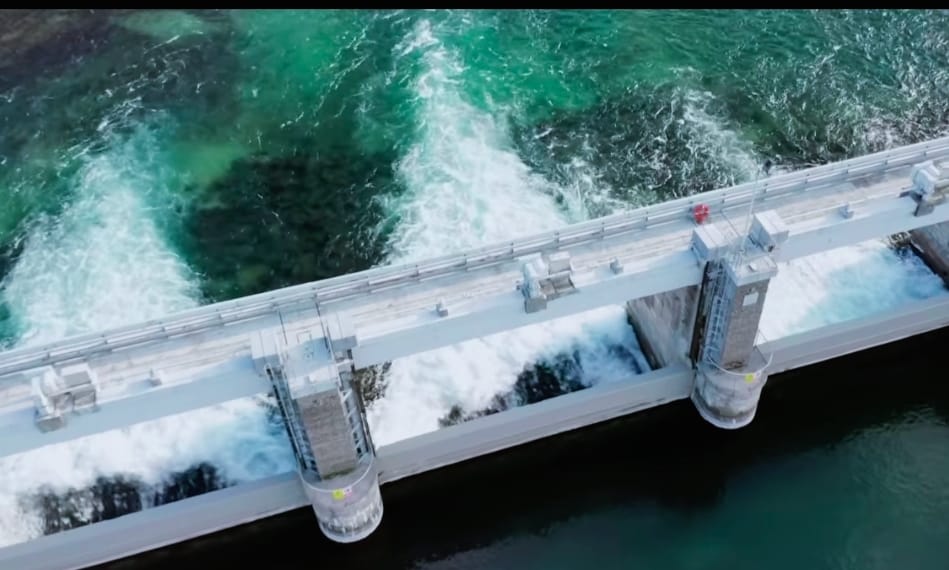
Furthermore, MEIL’s pumped storage projects are crucial in ensuring the stability of the power grid, as they provide essential services such as grid balancing and frequency regulation. This ensures a consistent supply of electricity, even when renewable energy sources like solar and wind are not producing power. These projects are perfectly aligned with India’s broader ambition to increase the share of renewable energy in its power mix while reducing carbon emissions.
Innovation lies at the core of MEIL’s vision for the future of energy. As one of India’s leading infrastructure development firms, MEIL has long been known for pushing the boundaries of engineering across various sectors, including water management, transportation, and power generation. Its foray into pumped storage is a natural progression, building on its expertise in delivering large-scale, technologically complex projects.
MEIL’s adoption of the ‘Build-Operate-Maintain’ (BOM) model for these projects reflects its long-term commitment to creating sustainable infrastructure. Under this model, the company assumes responsibility for every phase of the project, from initial construction to ongoing operation and maintenance. This guarantees that the projects will be managed with a focus on efficiency, safety, and sustainability, ensuring that they deliver long-term value to both the state of Maharashtra and the broader Indian energy market.
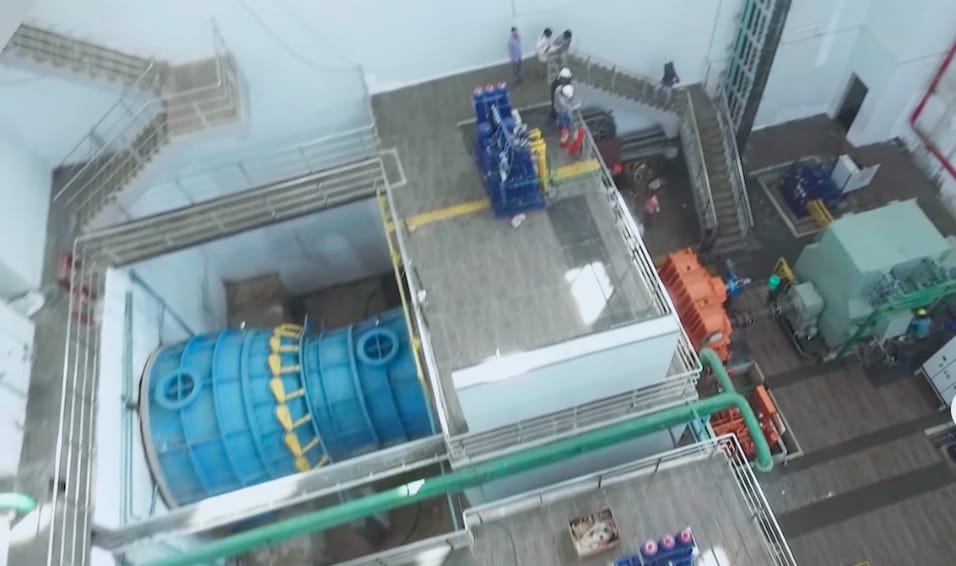
The integration of advanced engineering techniques into these projects sets MEIL apart from its competitors. By utilizing state-of-the-art technology, MEIL is able to design and implement projects that not only meet current energy demands but are also capable of adapting to future needs. This approach ensures that the Kamod and Ghosla projects will serve as a benchmark for future renewable energy initiatives across India.
The economic and social impacts of these projects are profound. The direct economic benefits include the creation of thousands of jobs during both the construction and operational phases. These projects will stimulate economic growth in the Nandurbar and Chhatrapati Sambhajinagar districts, attracting additional investments and boosting local industries.
Socially, these projects are expected to improve the quality of life for the communities in the surrounding areas. A reliable supply of electricity is essential for the functioning of critical services like healthcare and education, and it fosters economic development by enabling local businesses to operate more efficiently. Additionally, the infrastructure improvements brought about by these projects, including better roads and utilities, will uplift entire communities, offering them new opportunities for growth and development.
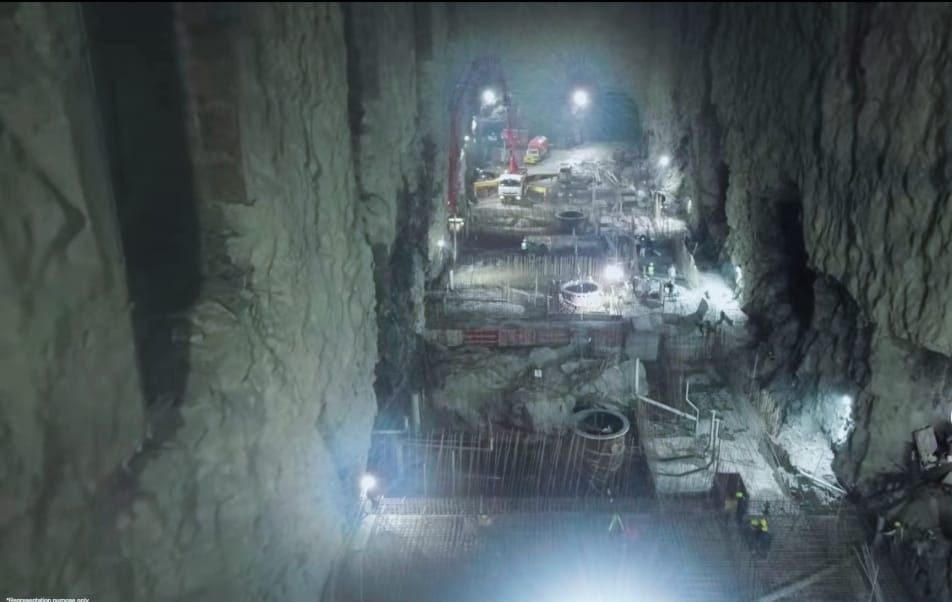
Beyond Maharashtra, MEIL is expanding its footprint in the renewable energy sector with projects like the Sharavathi Pumped Storage Project in Karnataka. This 2000 MW project, located on the Sharavathi River, further solidifies MEIL’s leadership in renewable energy. Designed as a large-scale “battery,” the Sharavathi project stores energy by pumping water between two reservoirs, releasing it through turbines when power is needed. This innovative approach to energy storage ensures a steady supply of clean electricity for Karnataka, positioning the state as a leader in renewable energy adoption.
The Sharavathi project highlights the versatility and effectiveness of pumped storage solutions. By acting as a buffer between energy supply and demand, it ensures that electricity is available even when renewable sources are not producing power, making it a key element of India’s clean energy strategy.

As India transitions towards a more sustainable energy future, the role of pumped storage in managing renewable energy sources cannot be overstated. MEIL’s projects in Maharashtra and Karnataka are setting the stage for a new era of energy management in India. These projects not only address immediate energy needs but also build a strong foundation for future growth in the renewable energy sector.
Pumped storage projects offer an unparalleled combination of reliability, efficiency, and sustainability. They provide the flexibility required to integrate renewable energy into the power grid while reducing reliance on fossil fuels. MEIL’s leadership in this space is a testament to the company’s vision for a cleaner, greener, and more energy-secure India.

In conclusion, MEIL’s pioneering pumped storage projects represent a significant milestone in India’s renewable energy journey. The Kamod and Ghosla projects, with a combined capacity of 4000 MW, are poised to redefine Maharashtra’s energy landscape, while the Sharavathi project in Karnataka highlights the potential for pumped storage across the country. As India continues to embrace renewable energy, MEIL’s leadership ensures that the country remains at the forefront of the global clean energy movement, creating a future where energy is both sustainable and accessible to all.
VISIT ARJASRIKANTH.IN FOR MORE INSIGHTS
 SOCIAL PERSPECTIVES