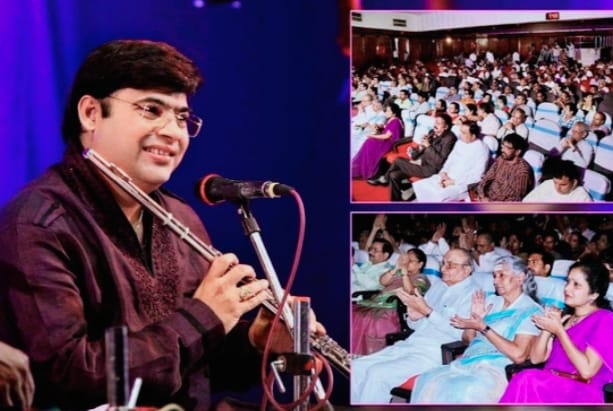
In the grand symphony of Indian classical music, few musicians have managed to leave an indelible mark as profoundly as Nagaraju Talluri. His journey is one of passion, discipline, and a deep connection to the very soul of music. From the sun-drenched coasts of Andhra Pradesh to the resounding stages of international acclaim, Talluri’s flute has become an extension of his soul, speaking a language that transcends time, space, and culture. His music, much like the wind rustling through ancient trees, evokes emotion, memory, and history, transforming the very air into a symphony of timeless melodies.
Born into a family deeply entrenched in musical tradition, Nagaraju’s relationship with music seemed preordained. Music was not merely an art form in his household—it was a way of life. The sounds of music surrounded him from an early age, with the rich heritage of classical tunes echoing through his home. However, it was the enchanting timbre of the flute that truly captivated his young heart. Growing up in Visakhapatnam, a coastal city rich with natural beauty, Nagaraju found inspiration in the sounds of the ocean waves, the rustling of the palm trees, and the songs of the wind. These natural elements would later become intrinsic to his compositions, as his flute mimicked the rhythm and pulse of the natural world. At the age of ten, he picked up his first bamboo flute, and with that, unknowingly embarked on a journey that would one day enrapture audiences across the globe.
The transformation of a musical prodigy into a maestro requires more than just raw talent. It takes dedication, discipline, and the guidance of masters to truly hone one’s abilities. Recognizing the fire within him, Nagaraju’s family encouraged his early forays into music. His innate ability to create music was nurtured through rigorous training under accomplished gurus in both Carnatic and Hindustani classical traditions. This dual exposure to two of India’s most revered musical forms would later form the bedrock of his unique style—one that fluidly blends the distinct complexities of both traditions, creating a sound that is at once traditional and refreshingly innovative.
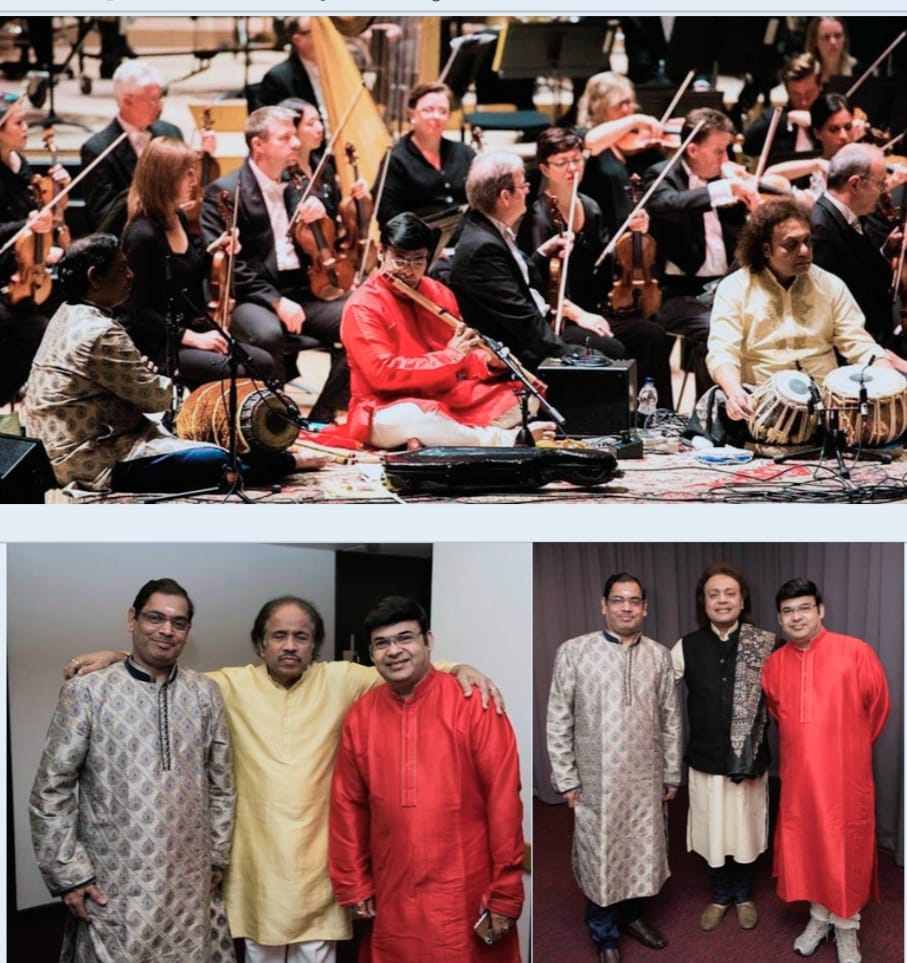
As his skills grew, so did his opportunities. What began as performances at school and local festivals quickly evolved into something much greater. His talent could not remain unnoticed for long, and soon, Nagaraju found himself under the mentorship of the legendary violinist, Dr. L. Subramaniam. This partnership was pivotal in Nagaraju’s development as a musician. Mentors of Subramaniam’s stature have the unique ability to see not just the artist in front of them, but the potential that lies within. In Nagaraju, Subramaniam recognized a rare talent—a flame that, with the right kind of nurturing, could light up stages across the world. Under his tutelage, Nagaraju learned the nuances of performance—the art of communicating emotion through sound, of connecting with an audience on a level beyond the conscious mind.
With each performance, Nagaraju’s stature grew. His flute became a voice not just for himself, but for the long lineage of Indian classical music, for the rich cultural heritage of his people, and for the universal human emotions that transcend language and geography. One of the defining moments in Nagaraju’s career was his introduction to the legendary figures of Indian politics—former Prime Minister Atal Bihari Vajpayee and Deputy Prime Minister L.K. Advani. Performing before such eminent personalities was a testament to his growing prominence in the Indian music scene. His flute did not merely produce notes that day; it wove a tapestry of sound that spoke of centuries of tradition, of personal dedication, and of a deep connection to the cultural identity of his homeland.
In 2003, Nagaraju’s career reached new heights when he became the only Telugu composer invited to participate in the Asian Games. This achievement was not just a personal milestone, but a proud moment for Indian classical music as a whole. His performance on such a prestigious international stage celebrated the diversity and richness of Indian music, bringing it to the forefront of global attention. Through his compositions, Nagaraju did more than showcase his personal talent—he represented the depth and breadth of India’s cultural heritage, earning accolades and respect from both critics and audiences alike.
Another monumental moment in his career was his performance for Dr. A.P.J. Abdul Kalam, one of India’s most beloved Presidents. Performing at the Rashtrapati Bhavan, the residence of India’s President, is an honor few musicians ever achieve. For Nagaraju, this was not just another performance—it was a defining moment that underscored his role as a musician of national significance. Every note he played that evening carried with it the weight of expectation and the reverence of history. The air seemed to hum with the collective anticipation of greatness, and Nagaraju’s flute responded with melodies that resonated deeply, leaving an indelible mark on all who were present.
Nagaraju’s contributions to the world of music extend far beyond live performances. As a composer, he has created music that transcends genres and speaks to a wide range of audiences. His work in film, most notably for *Jagadguru Adi Shankara*, showcased his ability to create music that is both deeply spiritual and universally appealing. His collaborations with iconic figures like Dr. S.P. Balasubrahmanyam, S. Janaki, and Hariharan further cemented his place among India’s musical elite. These partnerships highlighted his versatility as a musician, as he seamlessly blended into various musical landscapes, from classical to devotional to cinematic compositions.
But perhaps what sets Nagaraju apart is his ability to push the boundaries of genre. He is not content with staying within the confines of traditional music. His work reflects a deep curiosity and an insatiable desire to experiment and innovate. His compositions for the World Military Games in 2007, for example, showcased his ability to blend different musical traditions, creating something new and exciting. His foray into Afro-Colonial fusion music is yet another example of his boldness and willingness to explore uncharted territories. These innovations are not mere experiments—they are thoughtful explorations of how music can evolve while staying true to its roots.
Collaborating with musicians from different traditions has enriched Nagaraju’s own musical journey. His work with Mandolin U. Srinivas and percussionist Shivamani has resulted in performances that are as dynamic as they are profound. Each collaboration adds a new layer to Nagaraju’s already diverse repertoire, creating music that is both deeply rooted in tradition and refreshingly modern. His performances are a testament to the idea that music is a universal language, one that transcends cultural and geographic boundaries.
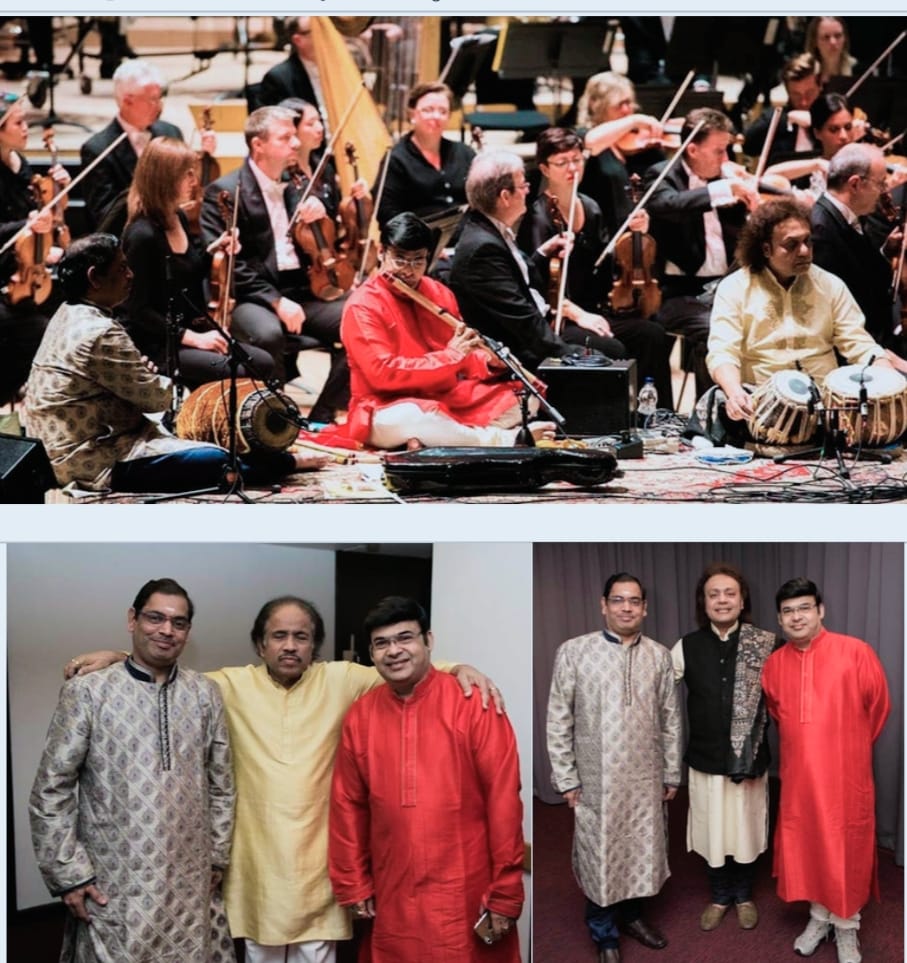
Over the years, Nagaraju has been honoured with numerous accolades, each one a testament to his immense contribution to Indian classical music. Titles like “Venu Gaana Visarada” and awards such as the Ugadi Puraskaram Hamsa Award are not merely decorative—they represent the pride and admiration that his music has inspired in millions of people around the world. For the Telugu-speaking diaspora, in particular, Nagaraju’s music is a reminder of their cultural heritage—a connection to their roots that brings them immense pride.
Despite his success, Nagaraju has never lost sight of the importance of giving back. He uses his music not just as a form of entertainment, but as a tool for social good. His performances for prisoners, elderly homes, and charitable organizations demonstrate his deep commitment to using his talent to make the world a better place. He understands the healing power of music, and he uses it to give voice to those who might otherwise go unheard. His sense of social responsibility is as integral to his identity as his music, and it is this combination of artistry and humanity that truly sets him apart.
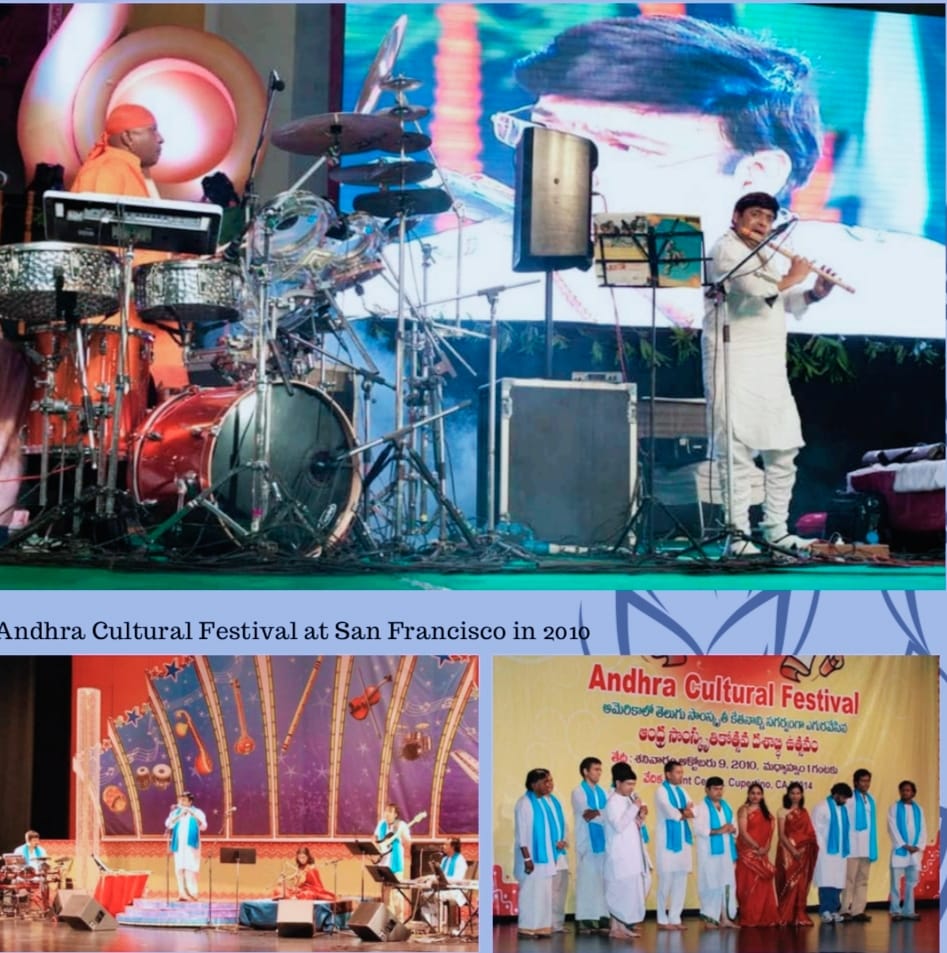
Nagaraju’s international tours have played a crucial role in bringing Indian classical music to a global audience. His performances in countries like the United States, the United Kingdom, and the Gulf nations have introduced thousands of people to the beauty and complexity of Indian music. At festivals like the UK Festival in London and the Andhra Cultural Festival in San Francisco, Nagaraju’s flute has transcended cultural barriers, connecting people through the universal language of melody. These performances have not only elevated his career but have also contributed to the global appreciation of Indian classical music.
Nagaraju’s approach to music is rooted in a deep respect for tradition, but he is equally committed to innovation. His ground breaking concept of “Trivenu Yatra,” where he combines three different types of flutes to create an immersive auditory experience, is a reflection of this philosophy. This performance captures the essence of India’s musical diversity while pushing the boundaries of what is possible. It is a testament to his belief that while tradition provides the foundation, innovation is what keeps the art form alive and relevant.
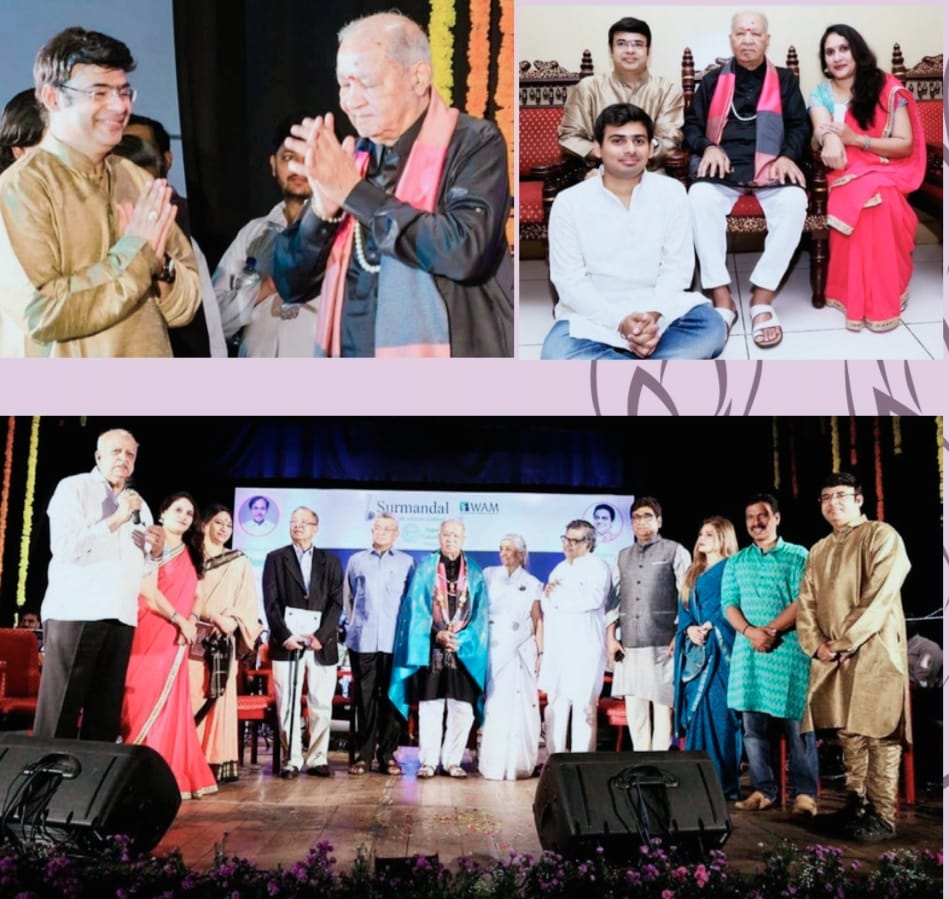
One of the most poignant moments in Nagaraju’s career was his performance at the Dandi March commemorative event in Surat in 2018. The event, which celebrated India’s struggle for independence, was given a new layer of emotional depth through Nagaraju’s music. His flute seemed to capture the spirit of freedom and unity that the event symbolized, leaving a lasting impact on all who were present. It was a performance that highlighted the power of music to evoke emotion and tell stories in a way that words alone cannot.
As Nagaraju Talluri continues to evolve as an artist, he remains deeply connected to his roots. His journey is one of humility, perseverance, and an unwavering commitment to his craft. Through his music, he not only entertains but educates, not only performs but inspires. He is a living testament to the power of music to connect cultures, to heal, and to bring joy.

Nagaraju’s legacy will undoubtedly continue to inspire future generations of musicians. His contributions to Indian classical music, his relentless pursuit of excellence, and his dedication to using his talent for the greater good have earned him a place among the greats. As long as there are people who appreciate the beauty of melody, Nagaraju Talluri’s flute will continue to resonate, not just in concert halls, but in the hearts of all who have had the privilege of hearing him play. His journey is far from over, and the world eagerly awaits the next chapter in the life of this musical maestro.
VISIT ARJASRIKANTH.IN FOR MORE INSIGHTS
 SOCIAL PERSPECTIVES
One response to “Flute Maestro Nagaraju Talluri: The Sonic Sorcerer of Melodic Landscapes”
thank you so much sir
keep blessing us 🙏
LikeLike