
The Apocalypse of Antibiotics: A Modern Plague We Can’t Ignore
The world is facing a daunting challenge that threatens to reverse decades of progress in healthcare: antimicrobial resistance (AMR). This insidious phenomenon renders common medications ineffective against infections that were once easily treatable. Imagine waking up with a fever, seeking relief from antibiotics, only to find that these medications have lost their potency. This harsh reality of AMR not only jeopardizes individual health but also places immense strain on healthcare systems worldwide.
Antibiotic resistance arises when bacteria evolve to resist standard treatments. Consider a hypothetical case where a patient infected with Staphylococcus aureus is prescribed penicillin. After a few days of treatment, feeling better, the patient skips doses and eventually stops taking the antibiotics. Weeks later, the infection returns, leading the patient to self-medicate with leftover antibiotics, which worsens the condition. Upon consulting a doctor, a stronger antibiotic is prescribed, but feeling weak, the patient again discontinues the medication prematurely, fostering resistance to the new drug.

This cycle can lead to repeated infections requiring hospitalization and treatment with even more potent antibiotics. If this pattern continues, a double-resistant organism can develop, increasing the risk of severe complications from common infections. The larger concern is the potential for widespread antibiotic resistance, which, while exaggerated in some narratives, poses a genuine threat. Although not all antibiotics become universally ineffective, the growing resistance does compromise treatment options.
AMR occurs when bacteria, viruses, fungi, and parasites evolve in ways that render standard treatments ineffective. Patients hospitalized with infections resistant to conventional antibiotics face prolonged illnesses, increased medical costs, and heightened risks of complications. The ripple effects of AMR extend far beyond immediate health issues, resulting in longer hospital stays and a rise in healthcare-associated infections, often referred to as superbugs. These challenges emphasize the urgent need to address AMR as a critical public health issue.
The implications of AMR are particularly severe in surgical contexts. Patients undergoing surgery are at risk of infections, and ineffective antibiotics can lead to significant postoperative complications. In such cases, healthcare providers often resort to higher-tier antibiotics, which may come with a range of adverse effects. This chain reaction prolongs recovery times and further strains healthcare resources.
One alarming aspect of AMR is its gradual yet relentless nature. As traditional antibiotics fail, medical professionals may turn to stronger, broad-spectrum antibiotics designed to combat a wider range of infections. While this may offer a temporary solution, it inadvertently contributes to the cycle of resistance. Over time, even these broad-spectrum options become less effective as pathogens adapt to survive treatments intended to eliminate them.
The World Health Organization (WHO) has highlighted the urgency of this crisis, calling for a comprehensive approach to combat AMR. A significant contributor to the rise of antibiotic resistance is antibiotic pollution—an issue stemming from the presence of antibiotics in various environments, including human bodies and ecosystems. A major source of this pollution is the agricultural sector, particularly large-scale poultry farms, where antibiotics are routinely administered to livestock to prevent infections and promote growth. This practice not only introduces low levels of antibiotics into the food chain but also heightens the risk of developing resistant strains of bacteria that can impact human health.
Moreover, the manufacturing process of antibiotics can lead to environmental contamination. If pharmaceutical effluents are not adequately treated, they can release significant quantities of antibiotics into local ecosystems, further fostering the development of resistant bacteria. This contamination creates a vicious cycle that can ultimately return to humans, complicating efforts to control infections.
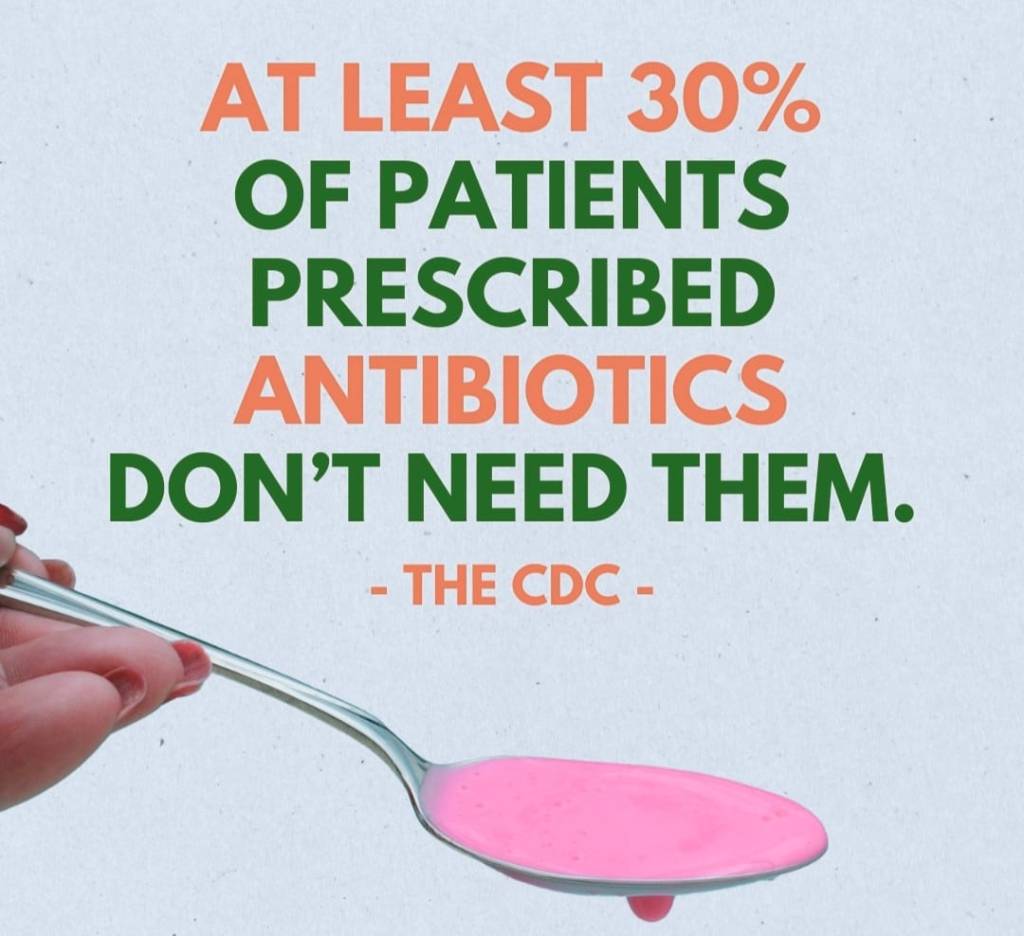
Compounding this issue is the widespread misunderstanding regarding antibiotic use among the public. Many individuals mistakenly believe that antibiotics can cure any infection, including those caused by viruses. This misconception leads to the over-prescription of antibiotics, exacerbating the problem of resistance. Public health campaigns aimed at educating communities about the appropriate use of antibiotics are crucial in curbing this misuse. People need to understand that antibiotics are not a panacea and should only be used when prescribed by healthcare professionals. Completing the full course of antibiotics is also vital; premature cessation of treatment allows surviving bacteria to adapt and thrive.
Healthcare professionals play a pivotal role in combating AMR. They often face the dilemma of prescribing antibiotics based on patients’ symptoms, sometimes opting for broad-spectrum antibiotics while waiting for culture results. While necessary in certain situations, this practice can contribute to the emergence of resistant strains if it becomes routine for common ailments. Strict adherence to guidelines regarding antibiotic prescriptions is essential to combat AMR effectively. This includes avoiding antibiotics for viral infections and ensuring their use is warranted in all other cases.

The emergence of AMR threatens to undo much of the progress made in treating infectious diseases over the last century. Antibiotics transformed medicine, drastically reducing mortality rates from infections that were once fatal. However, as resistance continues to rise, we risk returning to an era when simple infections could have dire consequences.
The urgency of this situation has spurred researchers to explore alternative treatments for bacterial infections. Phage therapy, which utilizes bacteriophages—viruses that specifically target and kill bacteria—shows promise in clinical trials as a potential solution for infections caused by antibiotic-resistant strains. Additionally, developing new antibiotics and antimicrobial agents is crucial, as pharmaceutical companies and research institutions invest in discovering novel compounds to combat resistance. However, the lengthy and challenging process of antibiotic development underscores the need for prioritizing research in this field.
Individuals also play a critical role in the fight against AMR. Practicing good hygiene, receiving vaccinations, and advocating for responsible antibiotic use are essential steps in mitigating this threat. Supporting local and global initiatives aimed at reducing antibiotic pollution and promoting sustainable agricultural practices can have significant positive impacts on public health and the environment.
Addressing AMR is not merely a medical challenge; it is a societal issue that necessitates collaboration among healthcare professionals, policymakers, researchers, and the public. By working together, we can develop comprehensive strategies to tackle the factors driving antibiotic resistance and secure a healthier future for generations to come.

In conclusion, the rise of antimicrobial resistance poses a formidable challenge to modern medicine. As we navigate this complex landscape, it is imperative to prioritize responsible antibiotic use, invest in new treatment options, and raise awareness about the risks associated with AMR. The health of individuals and communities hinges on our collective efforts to combat this silent threat. The global crisis of antimicrobial resistance requires immediate action and a multifaceted approach involving education, research, and policy changes. Through collaborative efforts, we can hope to overcome this silent storm and protect the health of current and future generations.
VISIT ARJASRIAKNTH.IN FOR MORE INSIGHTS
 SOCIAL PERSPECTIVES