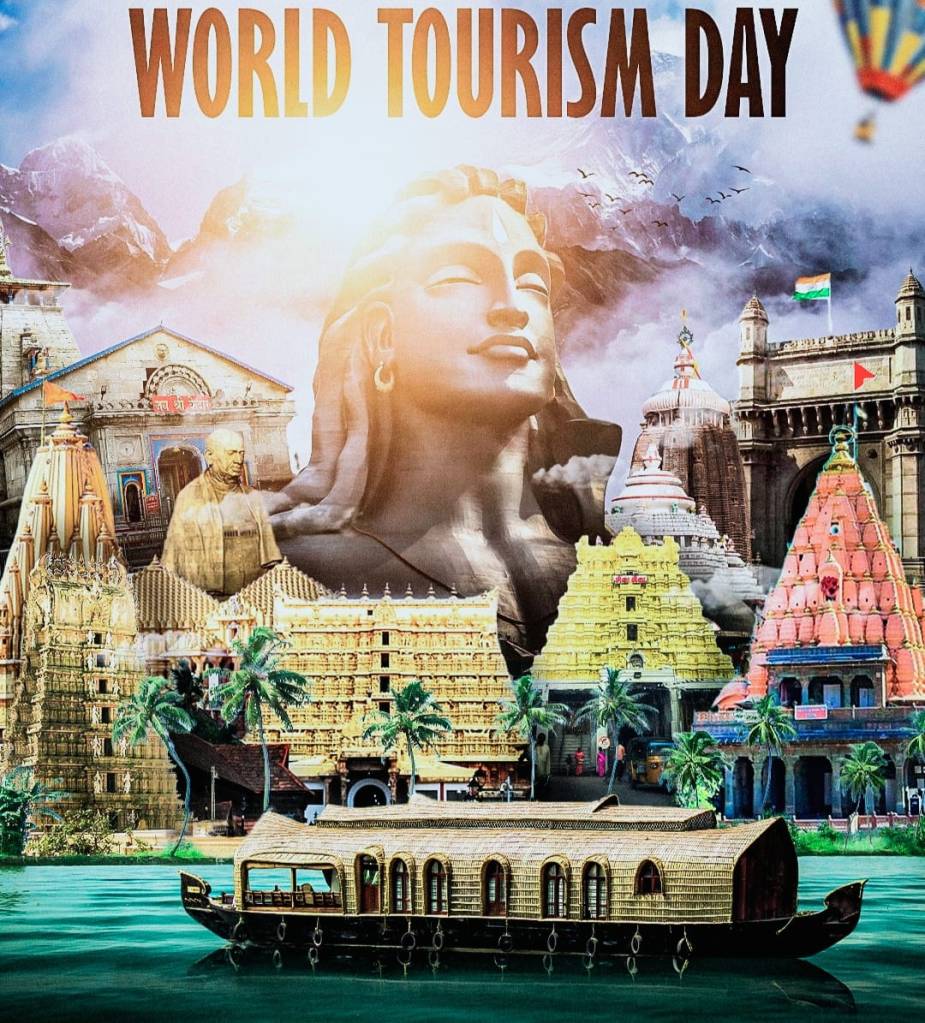
Every year, on September 27, an industry that transcends borders, connects cultures, and powers global economies gets its moment in the sun—World Tourism Day. Born out of the visionary thinking of the United Nations World Tourism Organization (UNWTO) in 1980, this day isn’t just about celebrating travel. It’s about recognizing tourism’s transformative power—its ability to boost economies, foster mutual understanding, and be a catalyst for global peace. This year, with the theme “Tourism and Peace,” hosted by Georgia, the world is reminded that tourism is more than an economic force; it’s a bridge to unity, sustainability, and harmony.
World Tourism Day, though celebrated annually, represents far more than a one-day event. It reflects a global shift in how we view tourism—not as a luxury or leisure activity, but as a powerful engine for socio-economic development and cultural diplomacy. As globalization continues to shrink distances, tourism has evolved into a force that drives international relations and development strategies, helping nations forge bonds that transcend politics.
Let’s talk numbers. The economic impact of tourism is staggering. According to the UNWTO, the tourism industry contributes nearly 10% of global GDP and is responsible for employing one in ten people around the world. Yes, you read that right—one in ten jobs globally is in tourism. This makes it one of the largest employers, particularly in developing nations where tourism often serves as a critical gateway to poverty alleviation. Tourism fuels infrastructure development, business growth, and community well-being. Whether it’s supporting local artisans or funding large-scale infrastructure projects, tourism injects life into economies, lifting entire regions. But beyond dollars and jobs, tourism’s real value lies in something money can’t buy—understanding.

Tourism is diplomacy without the suits and speeches. When people travel, they aren’t just checking off bucket lists or snapping photos for Instagram. They’re experiencing new cultures, new ideas, and new ways of life. Tourism breaks down walls—literal and figurative—by promoting empathy, tolerance, and respect. In a world riddled with political tensions and cultural divides, the act of exploring a new place becomes an antidote to ignorance. The world becomes smaller, yet infinitely richer, as we come to appreciate the diversity that makes humanity beautiful.
This year’s theme, “Tourism and Peace,” could not be more fitting. Tourism is not just about getting people from point A to point B; it’s about connecting hearts and minds. By promoting face-to-face interactions across cultural divides, tourism serves as a conduit for peacebuilding. It’s about dissolving prejudices and fostering dialogue, creating a shared space where differences are celebrated rather than feared. In a world increasingly divided by politics, religion, and ideologies, tourism offers a peaceful platform for unity.
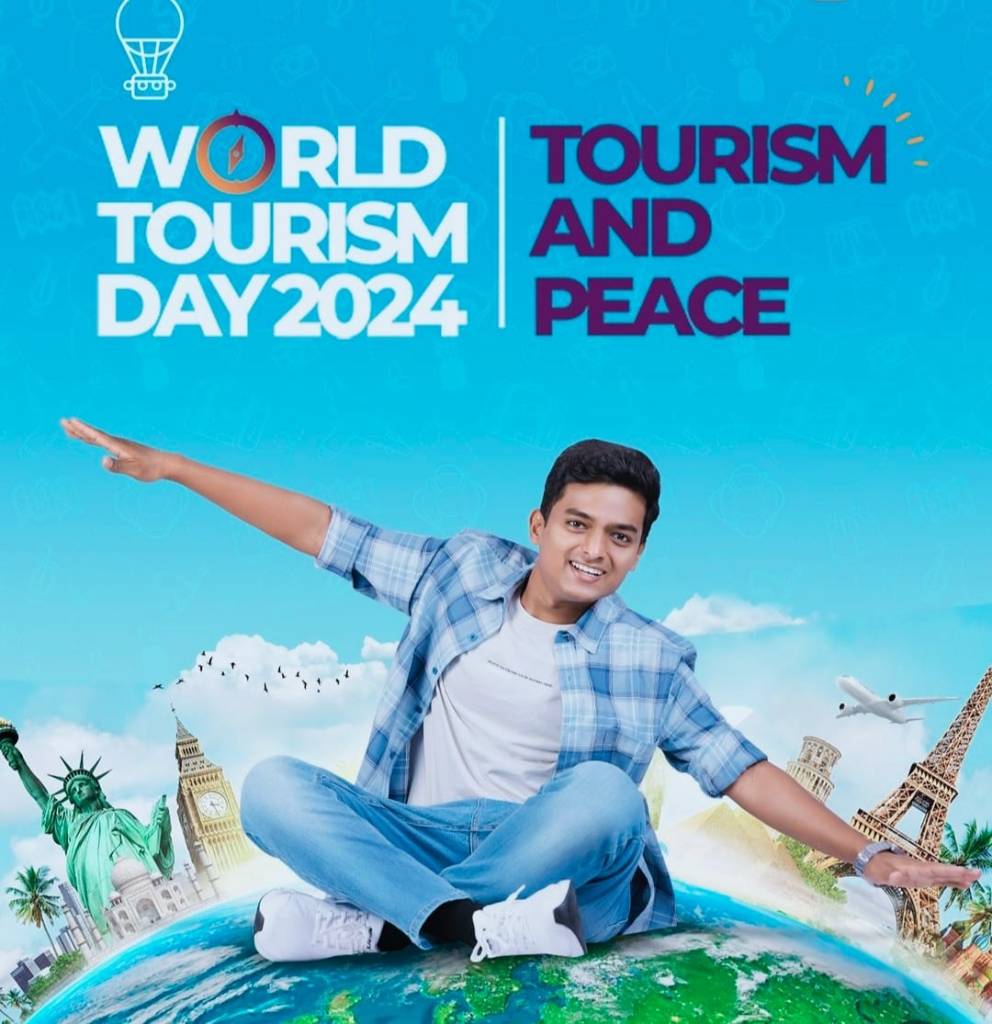
Georgia, the host of World Tourism Day 2024, is a prime example of tourism’s power to build bridges. Known for its rich history and cultural heritage, Georgia has long been a crossroads of civilizations. As the host country, Georgia will showcase how tourism can promote peace not only among neighbours but globally. Furthermore, Georgia has placed a growing emphasis on sustainable tourism, proving that economic growth and environmental preservation can—and should—go hand in hand.
Looking ahead to 2025, with Malaysia hosting under the theme “Tourism and Sustainable Transformation,” it becomes clear that the future of tourism is green. Sustainability is no longer just a buzzword; it’s a necessity. Climate change is reshaping the world in real-time, and the tourism industry is at the centre of this transformation. Sustainable tourism—tourism that minimizes its environmental impact while maximizing socio-economic benefits—has become the guiding principle for the future. As the world faces the existential threat of climate change, the tourism industry must evolve, ensuring it remains a force for good without harming the natural environments it depends on.
Promoting responsible tourism practices has never been more critical, especially as we celebrate World Tourism Day. Responsible tourism isn’t just about avoiding plastic straws or taking shorter showers in hotels. It’s about traveling in a way that respects local cultures, economies, and ecosystems. Tourists are now encouraged to consider their environmental footprint, support local economies by purchasing artisanal goods, and engage with community-run services. Governments and corporations, too, bear a heavy responsibility to ensure tourism operations are sustainable and contribute positively to local populations.
Tourism’s role in peacebuilding goes beyond theory; it’s actively contributing to global diplomacy. At a time when conflict, inequality, and political tensions are dominating global headlines, tourism offers an alternative path—one of understanding and cooperation. When tourists travel to new destinations, they immerse themselves in new cultures, challenging stereotypes and broadening their worldview. This, in turn, strengthens diplomatic relations between nations and fosters social cohesion within communities. Tourism is soft power at its finest.
Reflecting on World Tourism Day, it’s impossible to ignore the monumental impact the COVID-19 pandemic had on tourism. The global halt in travel brought economies to their knees, particularly in countries heavily reliant on tourism. But out of the ashes of the pandemic has emerged an opportunity to rethink and reshape the tourism industry. The focus now is not only on recovery but on ensuring that tourism is more resilient, inclusive, and sustainable. As borders reopen, tourism offers a vital pathway to economic recovery and, perhaps more importantly, a way to reconnect a world that became isolated both physically and emotionally.
However, tourism is also inextricably linked to one of the most pressing issues of our time—climate change. The tourism industry is both a contributor to and a victim of climate change. Rising sea levels, extreme weather events, and the degradation of ecosystems threaten many beloved tourist destinations. On the flip side, the emissions generated by air travel and other transportation options contribute to the very climate crisis that threatens tourism’s future. As the world confronts the realities of climate change, the tourism industry must adapt by adopting more sustainable practices, from promoting eco-tourism to encouraging travellers to make environmentally responsible choices.
World Tourism Day serves as more than just a day to celebrate travel; it’s a call to action for a more sustainable, inclusive, and equitable future. Tourism has the power to transform societies, economies, and environments, but only if it is managed responsibly. The lessons of the past few years, including the pandemic and the climate crisis, have underscored the importance of a tourism industry that is resilient and adaptable.
Technology will also play a pivotal role in the future of tourism. Innovations like artificial intelligence, digital platforms, and virtual reality are revolutionizing how we plan and experience travel. These technologies streamline operations, improve customer experiences, and make tourism more accessible. However, with technological advancements come ethical responsibilities. The benefits of tourism must be shared by all—not just the privileged few. As tourism becomes increasingly digital, the need for inclusivity remains paramount.

Every year, on September 27, World Tourism Day celebrates an industry that transcends borders, connects cultures, and drives global economies. Established by the United Nations World Tourism Organization (UNWTO) in 1980, the day highlights tourism’s transformative power—boosting economies, fostering understanding, and serving as a catalyst for global peace. This year’s theme, “Tourism and Peace,” hosted by Georgia, emphasizes tourism’s role as a bridge to unity, sustainability, and harmony. Beyond economic impact, tourism creates connections, nurtures cultural appreciation, and promotes peace. The future of tourism focuses not only on destinations but also on responsible travel that leaves a positive legacy. Tourism’s role in building a more peaceful, prosperous, and sustainable world is undeniable.
VISIT ARJASRIKANTH.IN FOR MORE INSIGHTS
 SOCIAL PERSPECTIVES
One response to ““World Tourism Day Unleashed: A Wild Ride to Peace, Prosperity, and a Greener Tomorrow!””
controller keepers at the tourist places should be counciled not to cheat tourists & Taxi drivers cheating should be strictly controlled by the civic administration . Mostly Kashmiri people habituated to cheat tourists , especially horse riders & silk saree’s shops . Almost Temple Prasadam’s cheating is everywhere. I feel Goa people only seems to be honest who shows hormony towards tourists. Especially foreigners get cheated too much & they get a a bad feeling on India. Every tourist place is having powerful mafia rule . Who can change this scenario?
LikeLike