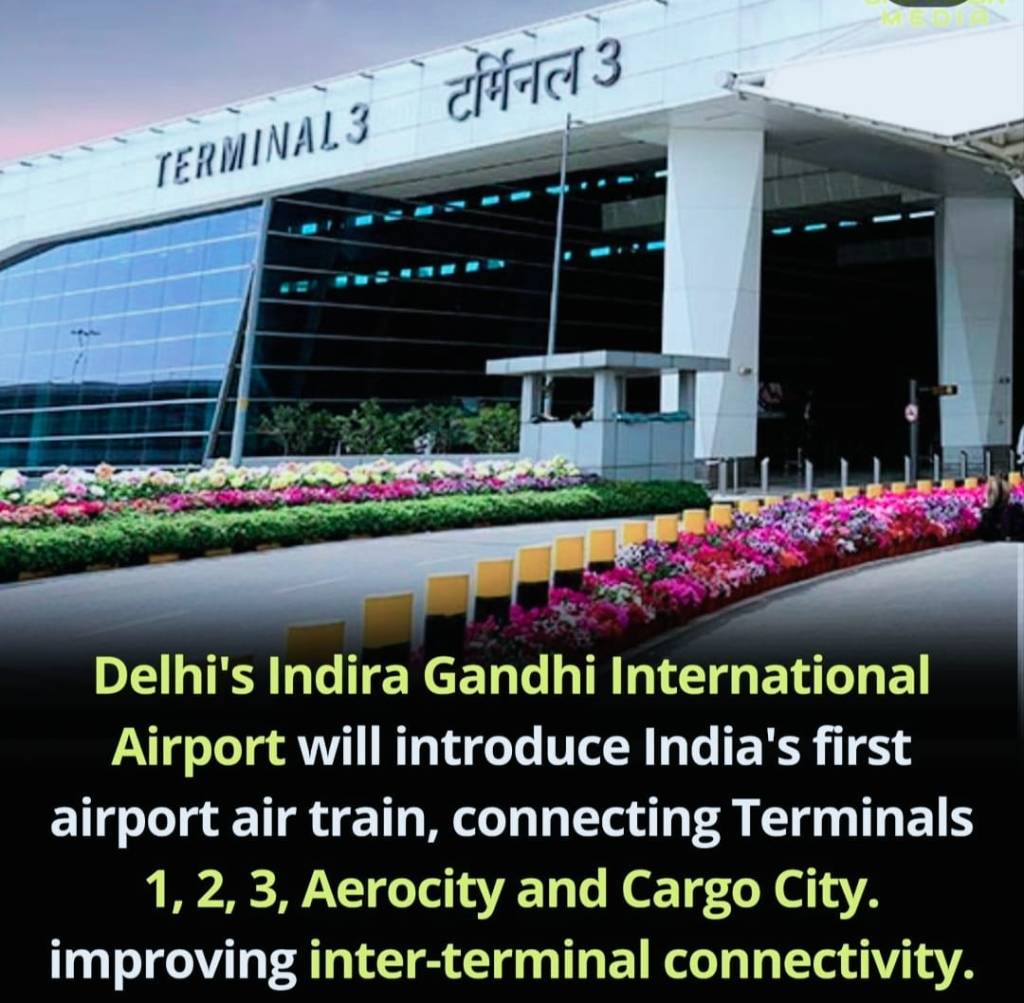
Airborne Revolution: Delhi Airport’s Ground breaking Leap into the Future with India’s First Air Train System
Delhi’s Indira Gandhi International Airport (IGIA), a bustling hub of activity and a pivotal gateway to India, is poised to undergo a ground breaking transformation that promises to redefine the way passengers experience air travel. At the forefront of this monumental change is the introduction of India’s first air train system, an ambitious initiative spearheaded by the Delhi International Airport Limited (DIAL). This project is not just about transportation; it represents a significant leap forward in modern airport infrastructure, enhancing connectivity, efficiency, and convenience for travellers navigating the airport’s extensive facilities. Set to launch by the end of 2027, this air train system is about to revolutionize how we think about airport mobility.
Imagine traversing the vast expanse of IGIA effortlessly, gliding above the bustling crowds and the cacophony of vehicle horns below. The proposed air train, known as an Automated People Mover (APM), will connect Terminals 1, 2, and 3, as well as Aero city and Cargo City, spanning a total distance of approximately 7.7 kilometres. This innovative solution aims to replace the existing DTC bus service currently relied upon for inter-terminal transfers, offering passengers a faster, more reliable, and ultimately more enjoyable way to navigate one of India’s busiest airports. The air train’s introduction is particularly timely, as IGIA currently accommodates over seven crore passengers annually—a number projected to double within the next six to seven years. The pressing need for a more efficient transportation solution could not be more apparent, and the air train system is here to answer that call.
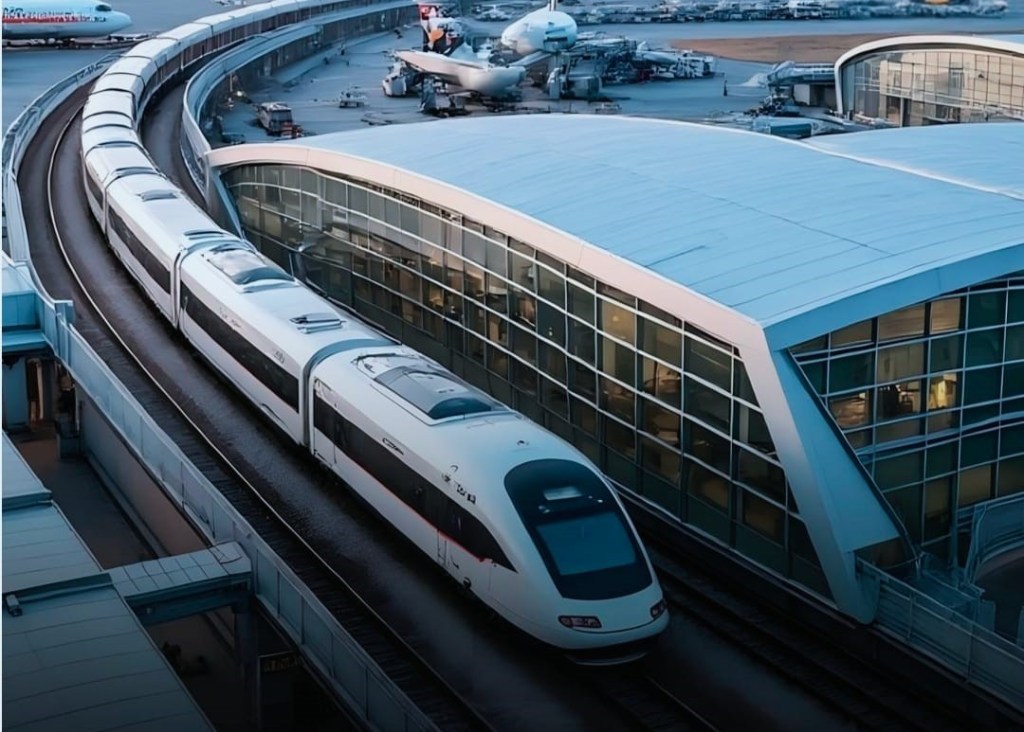
DIAL has already embarked on the journey to make this vision a reality by publishing a tender for the construction of the air train system. The bidding process is set to commence in October and November 2024, with a focus on cost-effectiveness, revenue-sharing models, and viability gap funding. This strategic approach ensures that the project remains financially sustainable while minimizing any potential burden on passengers during the construction phase. The air train project will operate under a Design-Build-Finance-Operate-Transfer (DBFOT) model, streamlining both the construction and ongoing management processes to create an integrated and efficient transportation solution.
While the final total cost of the air train system has yet to be determined, preliminary estimates suggest it could be around ₹2,000 crore. This substantial investment underscores the commitment of both DIAL and the government to elevate the operational capabilities of IGIA. The financial outlay is anticipated to yield significant returns in terms of enhanced passenger satisfaction, improved operational efficiency, and a drastic reduction in reliance on traditional bus services. In an age where convenience and speed reign supreme, the air train system stands as a testament to IGIA’s forward-thinking approach to modernization.
Environmental sustainability is another noteworthy aspect of this air train initiative. By reducing the number of buses required for inter-terminal transfers, the air train system will significantly lower the airport’s carbon footprint, contributing to more sustainable airport operations. This aligns with global trends toward environmental responsibility in transportation and infrastructure development, emphasizing the importance of reducing the ecological impact of air travel. DIAL’s commitment to eco-friendly practices is commendable and positions IGIA as a leader in the global movement towards greener airport operations.
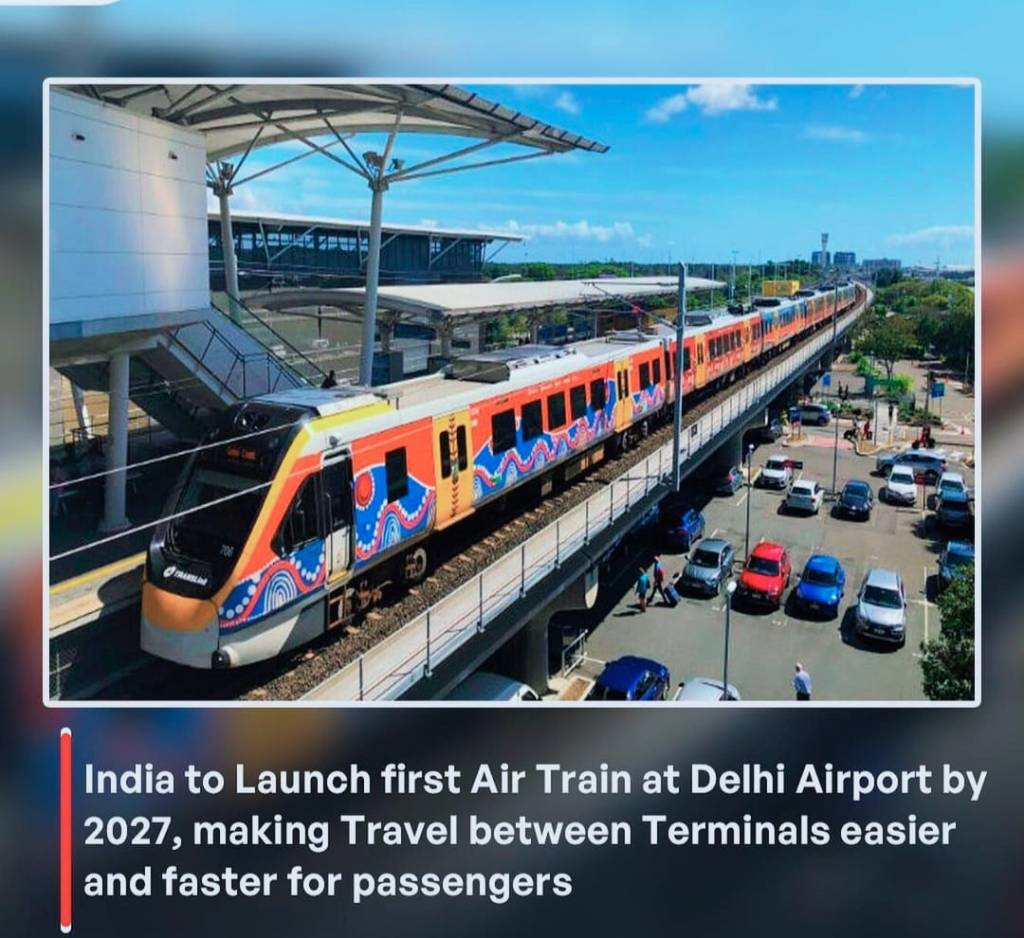
The introduction of the air train system is set to enhance the overall passenger experience at IGIA significantly. Travelers will benefit from substantially faster transit times between terminals, an essential feature for those making tight connections or traveling with children and luggage. This automated system is designed to alleviate the stress often associated with navigating large airports, offering a seamless and enjoyable travel experience. No longer will passengers have to grapple with the uncertainties of bus schedules or endure lengthy waits; the air train promises to usher in a new era of convenience.
Furthermore, the air train reflects a broader trend in airport infrastructure development that prioritizes modern, efficient transportation solutions to accommodate growing passenger volumes. As air travel continues to expand globally, airports around the world are increasingly investing in innovative systems designed not only to facilitate movement but also to enhance traveller comfort and satisfaction. DIAL’s initiative to implement the air train system is indicative of the Indian government’s ongoing commitment to modernizing the nation’s infrastructure and improving the quality of services provided to its citizens.

As the project progresses, stakeholders will closely monitor the bidding process and subsequent implementation of the air train system. The primary objective is to ensure that the air train meets the logistical demands of a busy airport while adhering to the highest safety and passenger comfort standards. The emphasis on passenger safety and convenience reflects a growing awareness of the importance of quality service in the aviation sector. The successful execution of this project will set a new benchmark for airport operations in India, showcasing how technology and infrastructure advancements can lead to a superior travel experience.
In addition to improving passenger convenience, the air train system holds the potential to ease congestion at IGIA. With the anticipated increase in passenger traffic, the existing transportation systems would likely struggle to cope with demand. The air train is designed to alleviate this pressure, allowing for a more fluid and organized passenger flow throughout the airport. This will not only improve the efficiency of operations but also create a more pleasant environment for travellers, as overcrowding and long wait times become issues of the past.
The air train initiative at Delhi’s Indira Gandhi International Airport transcends mere transportation; it is a transformative project that aims to redefine the travel experience for millions of passengers. The seamless connectivity it promises between key areas of the airport is essential for effectively managing the anticipated surge in passenger traffic. This project symbolizes a commitment to innovation in the aviation sector, demonstrating how advancements in technology and infrastructure can enhance passenger experiences.

In conclusion, the air train project at Delhi Airport signifies a monumental leap in enhancing passenger convenience and operational efficiency. With its modern, automated system poised to revolutionize the overall travel experience, the air train will play a crucial role in managing the growing passenger traffic while also contributing to environmental sustainability. As construction begins and the project unfolds, the air train system will undoubtedly shape the future of air travel in India, ensuring that passengers can navigate the airport with ease and confidence. This initiative stands as a testament to the Indian government’s commitment to meeting the evolving needs of travellers in a dynamic and expanding aviation landscape, marking a new chapter in the story of Delhi’s iconic airport.
VISIT ARJASRIKANTH.IN FOR MORE INSIGHTS
 SOCIAL PERSPECTIVES