
Mumbai’s Infrastructure Dream: The Dawn of a Traffic-Free Tomorrow with the Outer Ring Road
Picture a city that never sleeps, where the chaos of traffic, noise, and overcrowded roads have long been the norm, yet somehow the pulse of life keeps beating strong. This is Mumbai today, a city where nearly 20 million people jostle for space, time, and a better quality of life. But what if the Mumbai of tomorrow offered something entirely different? A vision of swift, smooth commutes, with the frustrations of bumper-to-bumper traffic replaced by the ease of moving seamlessly from one end of the city to the other. This dream, once distant, is fast becoming a reality with the upcoming Coastal Road and Ring Road projects, which promise to transform not just Mumbai’s infrastructure but its very soul.
The Coastal Road and the masterplan for the city’s Ring Road aren’t just projects designed to alleviate traffic. They are emblematic of a broader ambition, an urban evolution that aims to redefine the way Mumbai operates, feels, and thrives. What these projects bring to the table isn’t merely a new path for vehicles; they offer the promise of a swifter, more hassle-free existence for every citizen, from the daily commuter rushing to work to the businessperson navigating their way through the city’s booming economy.

In the midst of this transformation lies a deeper vision—a commitment to elevating the quality of life for millions. It’s a vision where infrastructure doesn’t just exist but thrives alongside the people it serves, matching the needs of a metropolis that is a global financial hub. Mumbai’s chaotic charm is undeniable, but with the completion of these mega projects, the city will take on a new identity—one of modern sophistication without losing its energetic core.
The promise of these new roads isn’t just about speed. It’s about inclusion. The Coastal Road and Ring Road projects are designed with everyone in mind. Whether you’re a driver, cyclist, or pedestrian, the city’s roads will cater to you, providing dedicated lanes for each, ensuring that every journey is a little smoother, a little faster, and a lot less frustrating. And for the first time, Mumbai’s infrastructure will not just catch up to the demands of its ever-growing population; it will surge ahead, laying the foundation for long-term urban growth.
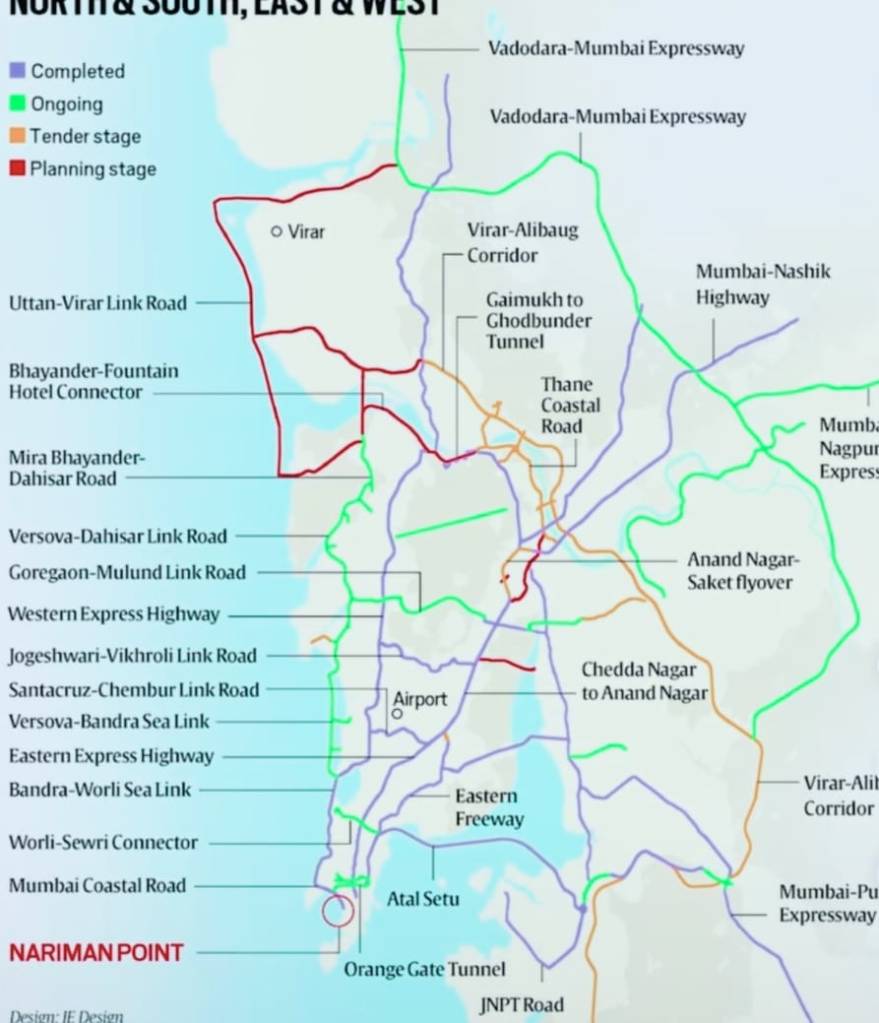
But the road ahead, quite literally, is filled with challenges. Projects of this magnitude bring with them complexities that go beyond just laying asphalt. The hurdles are multifaceted—environmental concerns, bureaucratic coordination between government agencies, and ensuring that the city remains functional even as construction progresses are only the tip of the iceberg. There are, undoubtedly, questions: Will the deadlines be met? Will the vision hold up under the weight of expectations? Mumbai, after all, has seen its share of delayed projects and broken promises. Yet, there is optimism in the air, spurred by the successes of infrastructure projects like the Bandra-Worli Sea Link and the Eastern Freeway, both of which were once thought to be impossible feats.
Mumbai’s future is looking brighter than ever, and this optimism isn’t unfounded. The Coastal Road and Ring Road projects are not only about solving the issues of today’s clogged streets; they are about creating a foundation for tomorrow. They aim to future-proof the city for generations to come, ensuring that as Mumbai grows, it does so in a way that is sustainable, efficient, and designed for the demands of a 21st-century metropolis. By 2029, these projects could very well be seen as turning points in the city’s history—a moment when Mumbai finally broke free from the shackles of congestion and inefficiency.
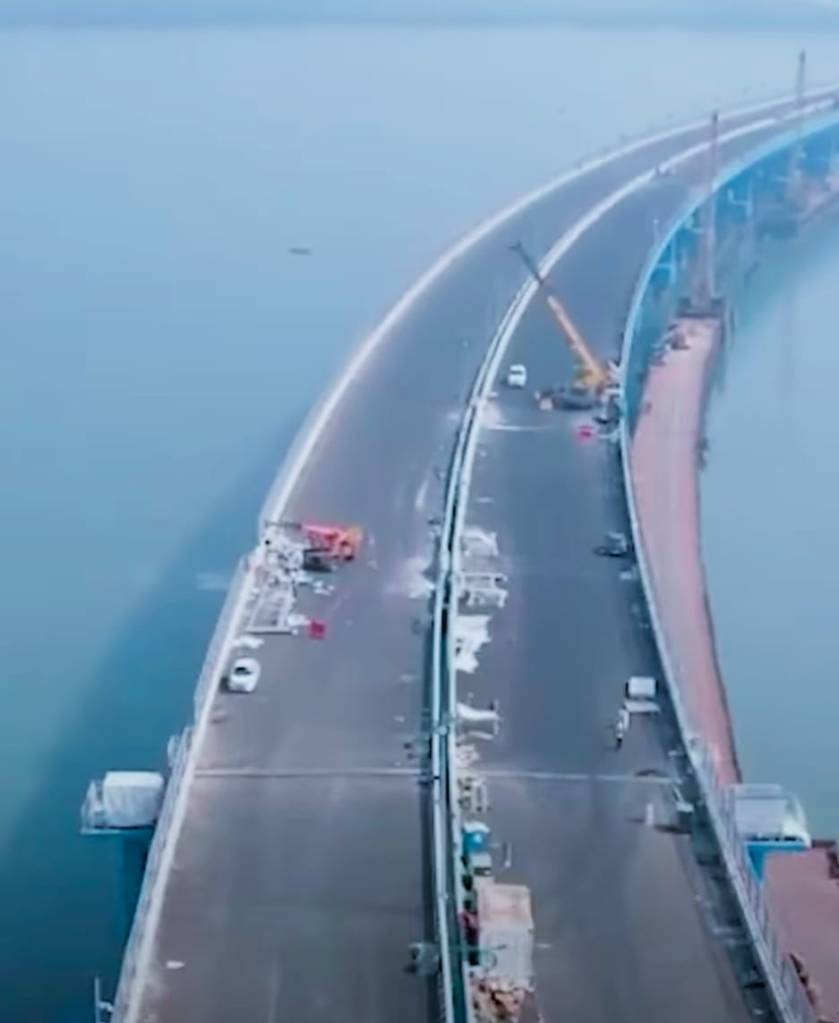
Imagine the year 2029. You’re in Mumbai, but it feels different. The streets no longer echo with the constant honking of impatient drivers stuck in traffic. Instead, you glide through the city, traveling from the northern suburbs to the southern tip of Nariman Point in under an hour—something that seems impossible today. The air is cleaner, with pollution levels dropping significantly as traffic flow improves and eco-friendly transportation options take centre stage. Cyclists and pedestrians coexist peacefully with cars, with dedicated lanes keeping everyone safe and allowing each group to move at their own pace.
This isn’t a far-fetched fantasy. It’s a vision that is being meticulously planned. The Coastal Road will serve as a stunning example of modern urban planning, blending the aesthetic with the practical. Spanning the city’s coastline, this project will not only ease traffic but also provide scenic views and recreational spaces, offering Mumbai’s residents a breath of fresh air, both literally and figuratively. Meanwhile, the Ring Road will function as the city’s circulatory system, ensuring that traffic flows smoothly around the urban core, distributing vehicles in a way that alleviates pressure on the city’s existing roads.

By 2029, Mumbai’s infrastructure won’t just be about roads. It will be a symbol of hope, progress, and possibility. These projects signal a shift in how the city thinks about itself and its future. They are about more than just cars and commuters—they’re about a better quality of life, about creating a Mumbai that lives up to its global aspirations. The Coastal Road and Ring Road projects represent a new chapter, one where the city’s infrastructure is not a barrier to success but a catalyst for it.
As we approach this future, the path may be bumpy, both literally and metaphorically. But the journey is worth it. For every inconvenience during the construction phase, there is a long-term gain—a better, more connected city for all. The challenges are real, but so is the potential for triumph. Mumbai, with its resilient spirit, has faced bigger challenges and come out stronger. This time will be no different.
And so, as we look toward 2029, the city’s horizon is filled with possibility. The Coastal Road and Ring Road aren’t just about making life easier for the city’s current residents—they’re about ensuring that future generations inherit a Mumbai that works better, flows smoother, and offers more opportunities. The skyline may still be dotted with skyscrapers, but the streets will no longer be defined by stalled traffic and honking horns. Instead, they will represent the movement and flow of a city that has finally come into its own.
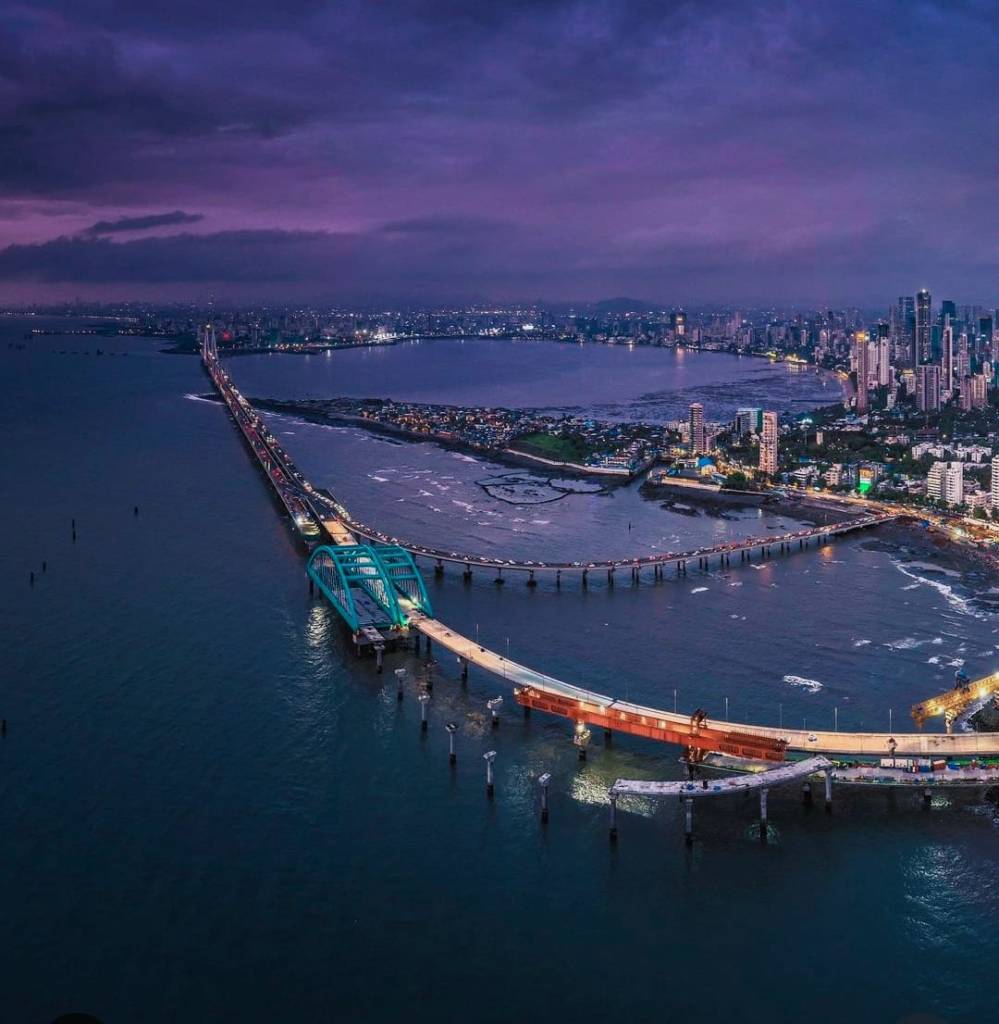
In conclusion, Mumbai’s Coastal Road and Ring Road projects are poised to redefine the city’s landscape by 2029. The transformation is about much more than solving traffic issues; it’s about creating a city that thrives on efficiency, inclusivity, and modernity. With faster commutes, cleaner air, and more accessible spaces, these projects will mark a new chapter in Mumbai’s history, one where the city’s infrastructure finally lives up to its potential and the dreams of its residents. By 2029, the vision of a better Mumbai won’t just be a dream—it will be reality.
VISIT ARJASRIKANTH.IN FOR MORE INSIGHTS
 SOCIAL PERSPECTIVES