
In the Crossfire of Conservation and Corporate Ambition, Forest Guardians Fight to Save Assam’s Endangered Primates!!
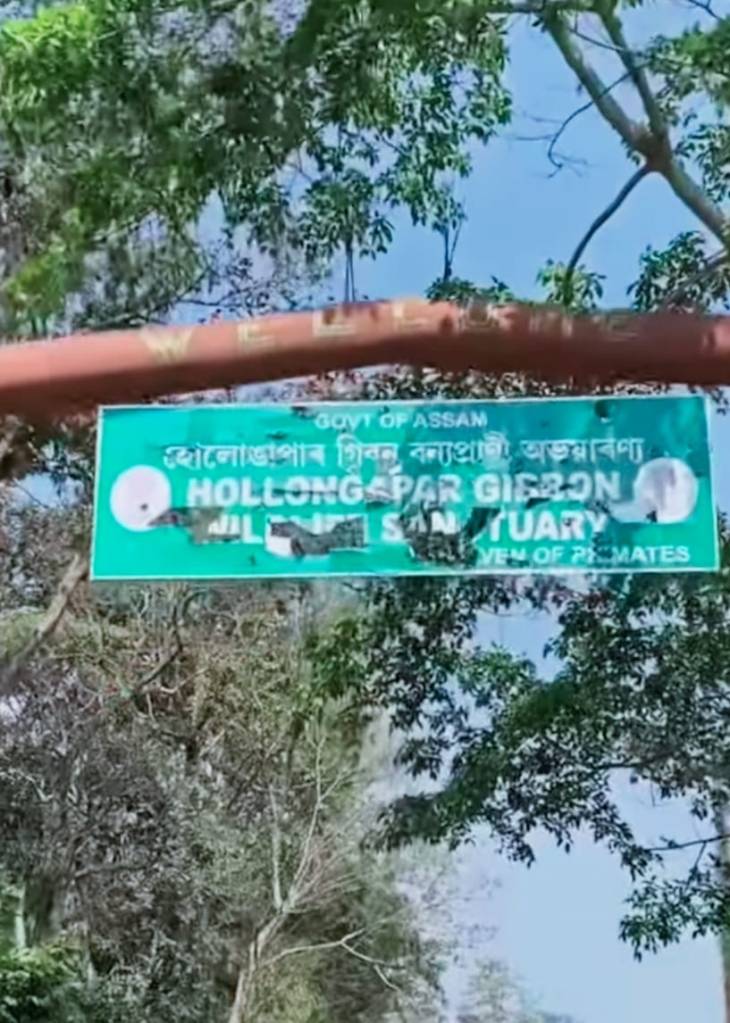
In today’s rapidly industrializing world, the challenge of environmental protection is increasingly urgent, particularly in India, where rich biodiversity often conflicts with economic development goals. A striking example of this tension is evident in Assam, where the endangered Hoolock Gibbon faces significant threats from expanding oil and gas exploration. The state government’s recent permissions for drilling near the Hoollongapar Gibbon Sanctuary have put forest officials in a challenging position, as they navigate the complexities of conservation alongside development.
The Hoolock Gibbon is particularly vulnerable to habitat fragmentation caused by industrial activities. The sanctuary is not merely a forest but a critical ecosystem supporting diverse wildlife. The situation is further exacerbated by the memory of environmental disasters, such as the Baghjan oil leak in 2020, which continue to haunt local communities and activists. Despite government assurances regarding safety measures, concerns about potential ecological disasters remain, elevating the stakes for both wildlife and local populations.

In this precarious context, forest officials play a crucial role. They are tasked with protecting biodiversity while facilitating economic development in a manner that minimizes environmental harm. Their responsibilities begin long before any drilling takes place. Upon receiving an application for oil and gas exploration, a rigorous assessment process is initiated, involving expert consultations and public stakeholder meetings aimed at evaluating the ecological impacts of drilling, especially on vulnerable wildlife.
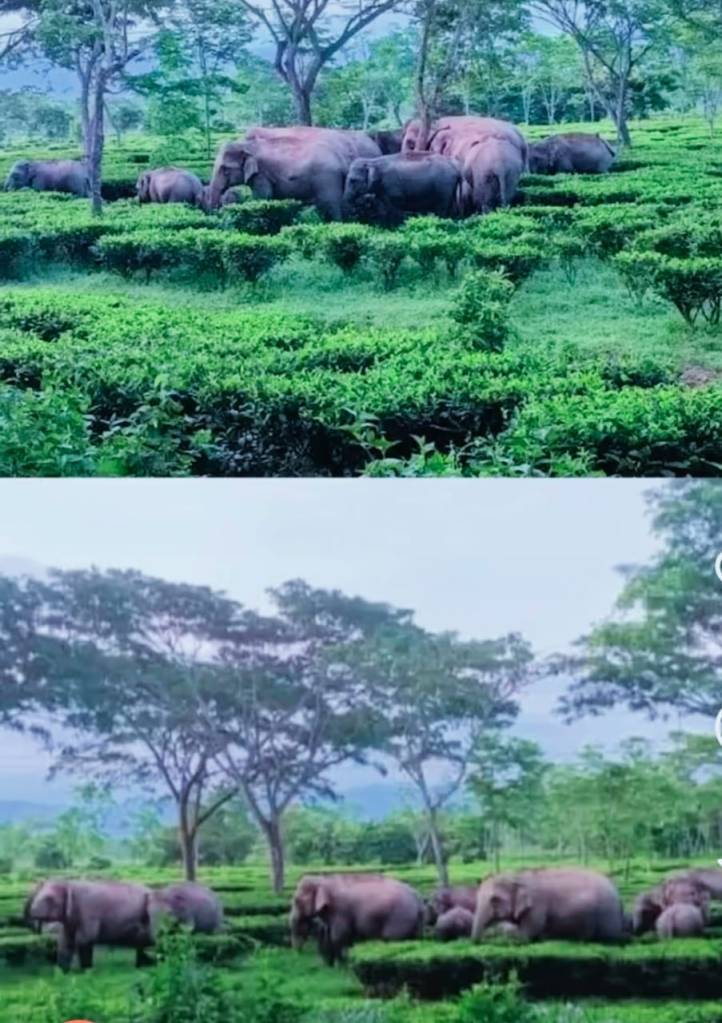
Ecological assessments reveal the sanctuary’s complex dynamics. Covering 21 square kilometres, it serves as a vital corridor for endangered species like elephants and leopards, whose migration patterns are threatened by industrial encroachment. Forest officials compile their findings, aware that each data point could influence critical decisions affecting the sanctuary’s inhabitants.
Community engagement is a vital part of this assessment process. Local populations, having coexisted with wildlife for generations, possess invaluable knowledge about their environment. Their insights can illuminate the multifaceted impacts of industrial activities, including increased human-wildlife conflict due to habitat disruption. By incorporating local knowledge into conservation strategies, officials foster a sense of shared stewardship between the community and the forest department.

Once the initial assessment is complete, the forest department submits its findings to the Ministry of Environment, Forest and Climate Change (MoEFCC). This submission is pivotal as the ministry weighs ecological costs against anticipated economic benefits. Although preliminary explorations have received initial clearance, this approval comes with stringent conditions requiring the oil company to avoid critical breeding seasons for local wildlife, placing responsibility on both the company and the forest officials.
As scrutiny intensifies, forest officials propose comprehensive mitigation strategies designed to protect the sanctuary’s endangered species. A wildlife management plan becomes central to these recommendations, outlining specific actions to minimize the impacts of drilling. Proposed buffer zones around critical habitats aim to limit human activities in sensitive areas, while monitoring programs track endangered species. These initiatives exemplify a proactive approach to conservation, reflecting the officials’ commitment to preserving biodiversity.

In addition to habitat protection, the forest department emphasizes the necessity of compensatory afforestation. If exploration activities disturb the land, the company may be required to invest in reforestation efforts to restore ecological balance. This dual approach—preventing harm while actively restoring damaged ecosystems—illustrates the complexities of managing natural resources in a manner that respects both development and conservation.
Despite these efforts, challenges remain. The allure of natural resource exploitation often overshadows the urgent need for ecological preservation. The oil and gas project starkly highlights the competing interests at play, where economic benefits clash with the necessity of protecting fragile ecosystems. Funding constraints further complicate conservation efforts, as forest departments often depend on variable government budgets and sporadic donations. Without consistent funding, ambitious habitat protection and restoration plans may falter, leaving endangered species vulnerable to industrial exploitation.
In response to these challenges, technology has become a crucial ally in conservation. Advanced monitoring systems, such as remote sensing and Geographic Information Systems (GIS), empower conservationists to collect and analyse critical data on wildlife populations and habitats. These tools provide essential insights into ecosystem health, guiding land-use and resource management decisions. For example, GPS tracking devices allow researchers to monitor elephant movements, revealing migration patterns that inform targeted conservation strategies.
Drones are also gaining traction in wildlife monitoring, offering aerial perspectives that facilitate habitat assessments and population tracking. By leveraging modern technology, forest officials can deepen their understanding of complex ecosystems, enhancing their ability to protect biodiversity.
As these strategies evolve, a fundamental question arises: how can India effectively balance development needs with environmental conservation? The answer lies in a collaborative approach involving all stakeholders—government agencies, conservation organizations, local communities, and the private sector. Together, they can devise comprehensive strategies that prioritize sustainable development while safeguarding vital ecosystems.
Policy reforms that incentivize conservation practices and integrate environmental considerations into economic decision-making are crucial for fostering a culture of environmental stewardship. Stricter regulations governing natural resource extraction, particularly in ecologically sensitive areas, can help mitigate development impacts while promoting responsible resource management.
The ongoing efforts of India’s forest and wildlife departments exemplify a commendable commitment to preserving biodiversity amid the challenges posed by oil and gas exploration. However, the path forward requires collective action and sustained collaboration among all stakeholders. Engaging local communities in conservation initiatives not only enhances effectiveness but also cultivates a shared sense of responsibility for protecting natural resources.
As India navigates the complexities of natural resource management, there lies an opportunity to establish a precedent for sustainable development that prioritizes biodiversity protection. By embracing innovative conservation strategies and fostering collaboration, the nation can strive for a future where wildlife thrives alongside economic progress.
The struggle of forest officials encapsulates a broader global challenge: reconciling development imperatives with the necessity of environmental protection. This delicate balance demands innovative thinking, cooperative endeavours, and unwavering commitment. Only by achieving harmony between human activity and ecosystems can we secure a sustainable future for both nature and humanity.

At this critical juncture, the fate of the Hoolock Gibbon and its ecosystem embodies a larger narrative unfolding globally. The tension between development and conservation raises profound questions about our priorities and values. Will we prioritize short-term economic gains, or embrace the responsibility of safeguarding our planet for future generations? This decision will shape our legacy, emphasizing the importance of unity and determination in pursuing sustainable development.
VISIT ARJASRIKANTH.IN FOR MORE INSIGHTS
 SOCIAL PERSPECTIVES