
From Crisis to Catalyst: Andhra Pradesh’s MSME Revolution Can Turbocharge the Economy
The vital role of Andhra Pradesh’s Micro, Small, and Medium Enterprises (MSMEs) extends beyond economic metrics, driving rural industrialization, regional equity, and sustainable development. Yet, these enterprises face multifaceted challenges that demand innovative solutions and strategic reforms to unleash their transformative potential and drive inclusive growth.
The Indian MSME sector remains robust, with 6.33 crore enterprises, despite recent closures representing just 0.0001% of the total. New registrations of 72,55,873 this year highlight the sector’s vitality, contributing 30% to GDP, 40% to exports, and 12 crore jobs, despite challenges like high taxes and foreign competition.

The MSME sector in Andhra Pradesh faces significant challenges, including limited access to finance, cumbersome bureaucracy, inadequate infrastructure, restricted market access, and skill shortages. Despite a strategic policy aimed at generating 350,000 jobs, the sector’s growth and innovation have been hindered by these obstacles, impacting the regional economic health.
Rejuvenating Andhra Pradesh’s MSME sector requires a multifaceted approach – policy interventions and institutional reforms to create a supportive environment, establishing specialized industrial clusters, enhancing infrastructure, improving financial support through accessible loans and credit guarantees, and addressing skill gaps through industry-specific training and vocational education. This comprehensive strategy, addressing diverse challenges, can revitalize the state’s small businesses, harnessing local strengths to drive sustainable growth and prosperity.
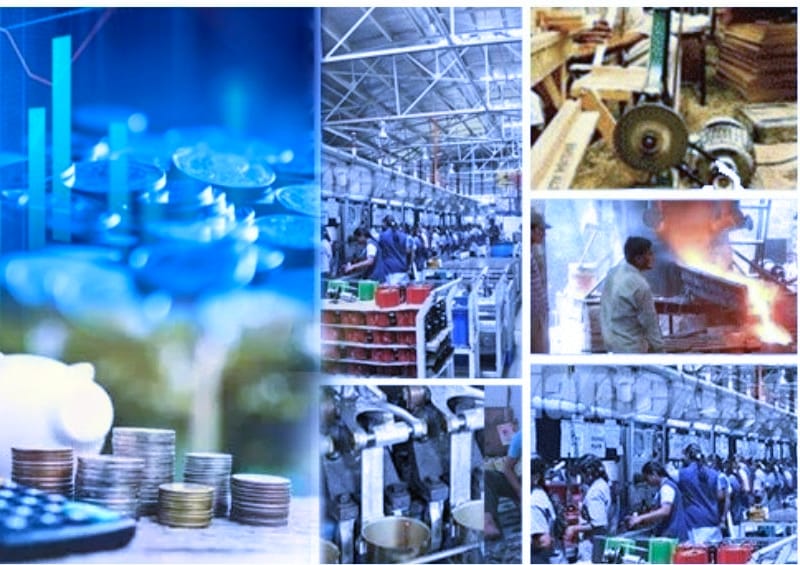
Enhancing market access for MSMEs is vital. Encouraging participation in trade shows, improving online product promotion, and supporting government procurement initiatives can drive growth. Streamlining approvals through online single-window systems reduces bureaucracy and boosts business efficiency. Adopting Industry 4.0 technology is crucial for improving productivity and competitiveness. Offering training and incentives for tech upgrades helps MSMEs thrive. Sector-specific growth, like value addition in agriculture, renewable energy, and pharmaceutical R&D, further unlocks MSME potential.
The Andhra Pradesh government’s initiative to establish MSME parks marks substantial progress. Initially, 75 “M-Parks,” each 100-200 acres, will focus on manufacturing sectors like textiles, pharmaceuticals, and food processing. Managed by the AP MSME Development Corporation, the plan envisions 200 parks by 2023, housing 30,000 MSMEs and creating three lakh jobs with a ₹45,000 crore investment. Despite challenges, large enterprises as anchor investors will enhance growth.
Chief Minister Nara Chandrababu Naidu’s dedication to the MSME sector is evident in his innovative strategy of involving farmers in MSME parks. By encouraging farmers to use their land for these parks, Naidu aims to boost agricultural productivity and foster synergy between agriculture and industry. This approach, inspired by the successful Amaravati model, promotes collaboration to maximize MSME park benefits.
.Implementing these initiatives demands substantial legislative and financial reforms. Recommendations include sunset clauses for complex laws, shifting to a transparent, policy-based approach. A turnover-based MSME definition via the GST Network enhances transparency. SIDBI should boost state government collaboration, provide low-cost infrastructure loans, offer equity support, and integrate digital platforms to better facilitate MSME growth and development.
Enhancing the PSBLoansIn59Minutes portal for new entrepreneurs and increasing loan limits to ₹5 crore will expedite loan processing. Establishing a government-backed Fund of Funds for venture capital and a Distressed Asset Fund aids struggling MSMEs. Amend MSMED Act for faster payments, expand MSEFC scope, and boost MSME support awareness.
Andhra Pradesh’s financial woes demand urgent attention. Plagued by past mismanagement, the state faces criticism from the RBI and Central Government for frequent overdrafts and financial indiscipline. With debts around ₹1.80 lakh crore and contingent liabilities of ₹1 lakh crore, salary delays and unfulfilled welfare promises persist. Limited MSME financial access, raw material shortages, and marketing issues further hinder growth and stability.
Integrating DWCRA groups with MSMEs offers a key development opportunity. By obtaining a Unique ID from the Director of Municipal Administration, registering on the MSME website, and securing an MSME certificate, DWCRA groups can join the MSME network. As of November 2023, Andhra Pradesh had 6.68 lakh MSMEs on its Udyam portal.
Addressing long-standing incentives is critical for the MSME sector in Andhra Pradesh. The AP Chambers of Commerce & Industry Federation has urged Chief Minister Y.S. Jagan Mohan Reddy to resolve a significant backlog of approximately ₹1,500 crore in incentives. This backlog includes around ₹200 crore for MSMEs, ₹200 crore for large food processing units, ₹1,400 crore for spinning and textile units, and ₹1,000 crore for other MSMEs. Although ₹1,124 crore was released in September 2021, subsequent promises remain unmet. Clearing these incentives is essential for the MSME sector’s survival and growth, vital for both the state’s economy and employment generation.
In addition, the government plans to invest ₹1,500 crore in village infrastructure, aiming to lay 17,500 km of cement concrete roads over five years and deliver water connections to every household under the JMM scheme. This initiative, along with the Janmabhoomi-2.0 program, seeks to revitalize village development and ensure infrastructure improvements. Establishing an effective MSME policy demands a comprehensive approach, including needs assessments with MSME owners, industry associations, and financial institutions to identify barriers. Enhancing financial support, streamlining loan processes, and increasing credit limits are necessary. Developing infrastructure like industrial clusters and simplifying regulations will facilitate growth. Prioritizing skill development through targeted training, improving market access, and promoting technology adoption will enhance competitiveness and integration with broader economic plans.

In conclusion, Andhra Pradesh’s strategic initiatives for the MSME sector are poised to transform the state’s economic landscape and employment prospects. By tackling existing challenges with targeted reforms and modernizing Auto Nagars, establishing MSME parks, promoting organic farming, and investing in village infrastructure, the state is setting the stage for sustainable development. These efforts, alongside crucial legislative and financial reforms, are set to enhance overall prosperity and contribute significantly to India’s economic success. The journey of Andhra Pradesh’s MSMEs underscores the power of visionary strategies and collaborative actions in driving economic growth and ensuring a thriving future for the state.
VISIT ARJASRIKANTH.IN FOR MORE INSIGHTS
 SOCIAL PERSPECTIVES
One response to “Turbocharging MSMEs: Andhra Pradesh’s Bold Leap from Hurdles to High-Flying Growth”
Thank you for sharing such an insightful and detailed analysis of the MSME sector in Andhra Pradesh. “Your emphasis on addressing skill gaps through targeted industry-specific training is particularly timely. As someone closely involved in skill development programs, I can attest to the importance of equipping MSME workers with modern skills to stay competitive in this evolving landscape.”Thank you sir!!
LikeLike