
Tirumala 2.0: Revolutionizing Pilgrimage with Digital Innovation
In the vast realm of spirituality, Tirumala Tirupati Devasthanams (TTD) is a symbol of faith, devotion, and divine grace. It is not only one of the wealthiest religious institutions in the world, governing the revered Tirumala Venkateswara Temple, but also a beacon that attracts millions of devotees from all corners of the globe. With its sacred rituals, immense resources, and deep-rooted cultural significance, the temple stands unparalleled in terms of spiritual importance. Yet, despite its prominence, the process of visiting Tirumala remains mired in cumbersome and outdated systems that leave devotees grappling with avoidable inconveniences .
At a time when technological advancements are reshaping industries across the board, one cannot help but wonder: Why not Tirumala? If the aviation sector, renowned for its complexity and operational demands, has successfully transitioned to digital platforms—enabling seamless online check-ins, ticketing, and bookings—why has TTD not adopted similar innovations to ease the pilgrimage experience for millions of devotees? Imagine a world where visiting the holy temple of Lord Venkateswara is as simple and hassle-free as booking a flight. The journey would be not just spiritual but also efficient, an experience that flows effortlessly from the moment of booking to the final darshan. However, the reality for pilgrims today is far from that vision. The question thus arises: Why has TTD not embraced digital solutions on the same scale as aviation?
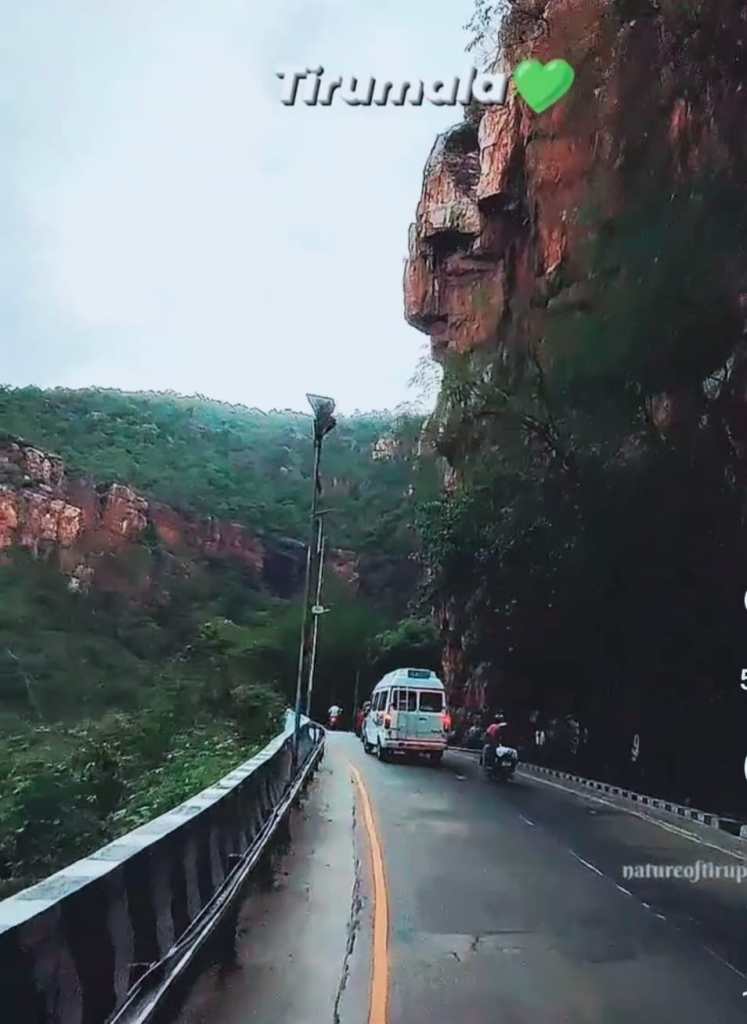
Tirumala, with all its sacred aura, would be the perfect setting for such a transformation. Devotees should be able to focus on their spiritual journey without being bogged down by logistical concerns. The aviation industry has already shown how digitization can revolutionize a service, making it more streamlined, accessible, and user-friendly. If air travel—a service that deals with millions of passengers daily—can go digital, what stops the richest temple on Earth from doing the same?
The possibilities are truly transformative. Imagine a system where devotees can log into a TTD app, much like booking a flight, select their preferred darshan slot, and receive a QR code for temple access at the designated time. Pilgrims arriving on foot or by other means can obtain QR codes from multiple centers, both at the base and atop the hill, bypassing the need to wait in long queues for hours. The queue complexes could then be repurposed to better serve pilgrims, creating more space and comfort. No more prolonged waits or endless lines. The QR code could even include real-time notifications, alerting pilgrims to any schedule changes or delays. This would transform the pilgrimage into a seamless experience, with devotees arriving at Tirumala fully informed and ready for their divine darshan at the appointed time.
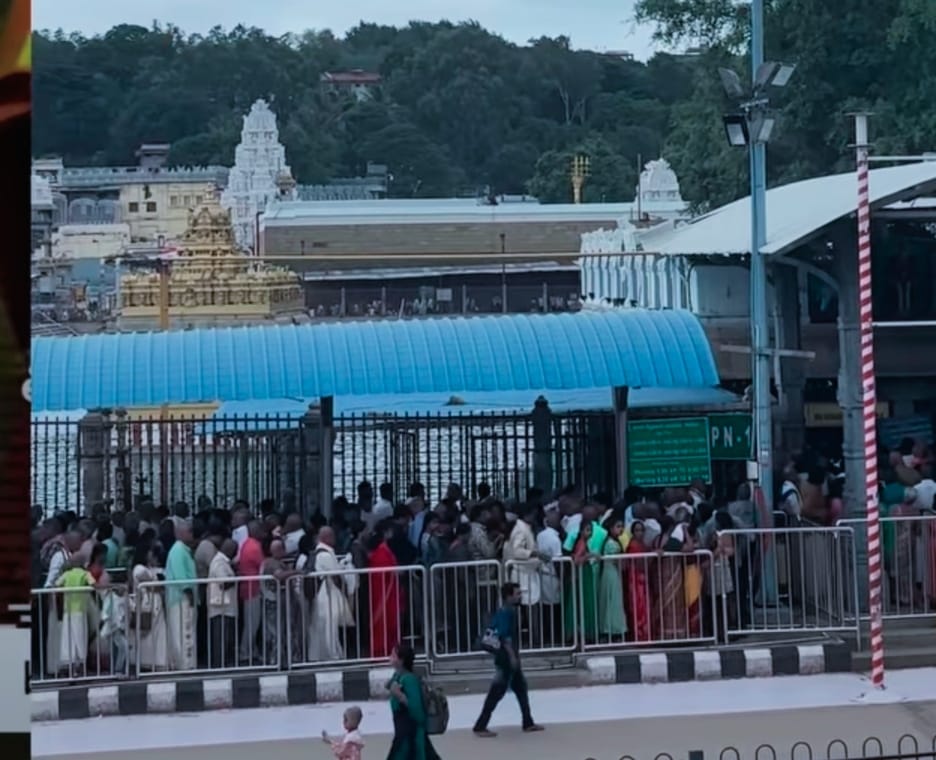
Despite its considerable financial and administrative resources, TTD, like many other major religious shrines, has remained largely stagnant in modernizing pilgrimage management. The temple’s systems are still plagued by inconveniences, often detracting from the spiritual experience of devotees. This prompts a compelling question: if the aviation industry can embrace digitalization and modernization with remarkable success, why can’t Tirumala adopt similar advancements to streamline and enhance the pilgrimage experience?
The current experience for devotees at TTD is far from smooth. For millions, a visit to Tirumala is a once-in-a-lifetime opportunity—a spiritual journey they have waited years for. However, instead of being a serene and divine experience, it is often fraught with logistical nightmares. Pilgrims face an array of challenges, from standing in hours-long queues to navigating a labyrinth of confusing rituals and classifications.
One of the most glaring issues is the waiting time. Despite the introduction of online booking for darshan tickets, devotees still find themselves standing in long queues, often for hours, just to enter the sanctum. The online system, while a step in the right direction, is inefficient and fails to alleviate the stress and frustration that comes with waiting for darshan. Pre-booking a slot should ideally allow devotees to bypass the chaos, yet the reality is that even those with reserved tickets must endure long wait times.
Furthermore, the quota system in place at Tirumala exacerbates the problem. Due to the overwhelming demand for darshan, TTD manages access through a quota system, which limits the number of devotees who can have darshan on any given day. This forces pilgrims to plan their visit months in advance and leaves many with no choice but to wait an additional day for a fleeting glimpse of the deity. For devotees who have travelled from faraway places, this can be both disheartening and exhausting.
Over the past five years, pilgrims have faced an added layer of complexity due to the multiple classifications for darshan, such as special tickets, free darshan, VIP darshan, and more. This creates a confusing hierarchy where the common devotee is often at a disadvantage. Those with influence or resources can easily secure special darshan tickets, while the average pilgrim is left to navigate a convoluted system that seems to favor the privileged. The introduction of categories like “Laghu” and “Maha Laghu” darshan has only deepened the confusion, further complicating the process and making the experience even less accessible for the ordinary devotee.
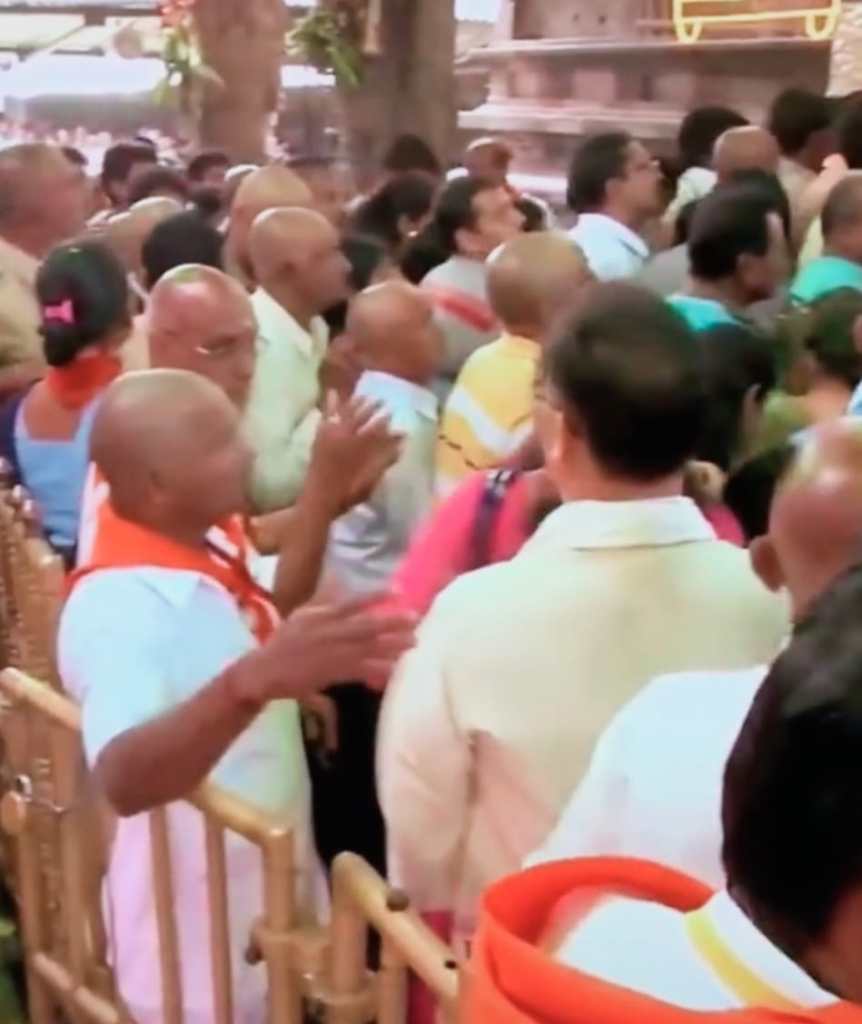
Accommodation is another area where the system falters. Booking rooms through TTD’s online system is riddled with inefficiencies. Pilgrims often spend hours trying to secure accommodations, a process that should ideally take only a few minutes. The current system leaves devotees frustrated, with many finding themselves without proper lodging despite having booked well in advance.
The question that arises is: If TTD has the resources, why has it not addressed these challenges? The temple’s financial prowess is immense, with its annual revenue running into billions of rupees. This gives TTD the ability to invest in cutting-edge technology and infrastructure that could transform the pilgrimage experience. The reforms that Tirumala desperately needs are within reach, but for some reason, they have not been fully implemented.
The solution is clear: TTD needs to embrace digitization. Just as the aviation industry revolutionized the travel experience by adopting digital solutions, TTD can similarly overhaul its pilgrimage management. Here’s a vision of what a digital Tirumala could look like:

First and foremost, TTD could implement a comprehensive online darshan booking system. Devotees would be able to log into a dedicated app, select their preferred darshan slot, and receive a QR code that grants them access to the temple. Since mobile phones are not allowed inside the temple premises, this QR code could either be printed by the pilgrim or obtained from multiple counters across the country. This would eliminate the need for long queues and guarantee each pilgrim a designated time for darshan. In case of any delays, real-time updates could be provided, similar to how airlines notify passengers of flight changes. This system would make the entire process as effortless as checking in for a flight, providing a smoother, more organized experience for devotees.
Next, automated check-ins could be introduced at the temple gates, similar to airport self-service kiosks. Pilgrims could scan their QR code and proceed directly to the darshan without any human intervention. This would free up temple staff to focus on more important tasks, while also speeding up the process for devotees. Additionally, the system could be designed to accommodate different languages, catering to the diverse group of pilgrims that visit Tirumala.
The room booking process could also be streamlined through a unified digital platform. Devotees should be able to book rooms, receive confirmation, and make payments—all within the same app they use for booking darshan. This would eliminate the administrative bottlenecks that currently plague the accommodation system. A digital platform could allow TTD to allocate rooms more efficiently, ensuring that no pilgrim is left without proper lodging.
Equally important is the need for TTD to ensure equal access to darshan for all devotees. The current system, with its multiple classifications, creates an inherent inequality that favours VIPs and the well-connected. A fairer system would prioritize access based on the devotion of the individual, rather than their financial or social status. The “Laghu” and “Maha Laghu” darshan categories, in particular, need to be re-evaluated to ensure that the common devotee is not left feeling alienated.
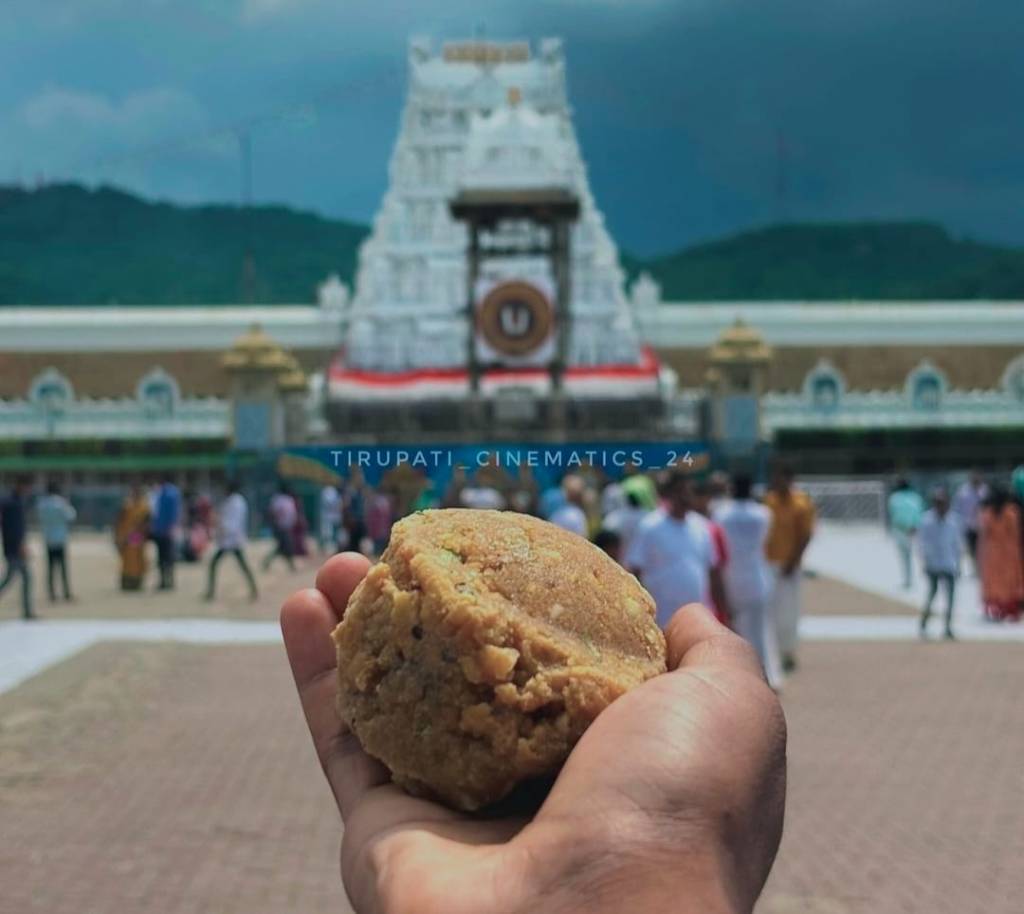
Another critical reform involves the distribution of laddu prasadam. Currently, pilgrims are limited to receiving only two laddus per Aadhaar card—a restriction that many find unsatisfactory. By increasing the distribution to 10 laddus per person, TTD could better meet the expectations of pilgrims, ensuring that everyone leaves Tirumala with a piece of the divine prasadam.
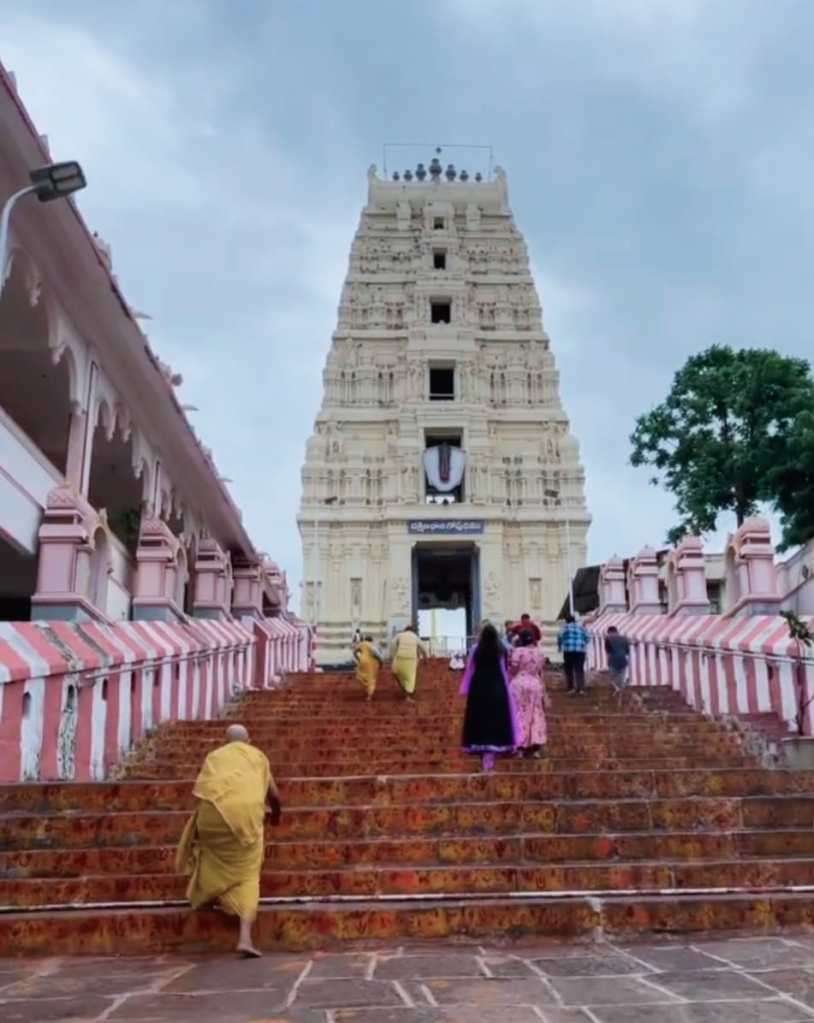
Safety is another key concern that must be addressed. The paths leading to the temple, particularly the Alipiri and Srivari Mettu walkways, have seen an increase in incidents involving wild animal attacks. To ensure the safety of pilgrims, TTD should invest in installing iron fences along these paths, providing a secure environment for those walking to the temple. Such measures would not only enhance safety but also preserve the sanctity of the pilgrimage.
Digitization brings a crucial advantage: it addresses the issue of privileged access. In the past five years, wealthy and influential individuals often exploited their connections to visit the temple repeatedly, sometimes bringing large contingents. This practice has deprived many devoted pilgrims of the chance to experience darshan. By implementing a digital system that limits visits to once per quarter, TTD can prevent these repeat visits and ensure a fairer distribution of darshan opportunities. This system would prevent those with undue influence from monopolizing access, thereby allowing more first-time and less-connected devotees to enjoy their spiritual experience. Tracking visits through a digital platform would foster equality and ensure that every devotee, regardless of their background or connections, has a chance to access the divine experience.
At the core of these reforms lies the principle of inclusivity and transparency. Technology should enhance rather than exclude, ensuring that all devotees, especially the elderly and those from rural areas unfamiliar with digital systems, can fully participate. Andhra Pradesh is renowned for its advancements in rural digital infrastructure, with many e-seva Kendras available to assist rural populations in accessing smooth darshan. Additionally, TTD could consider setting up booking counters at temple premises for those less comfortable with digital tools. Alternatively, assigning dedicated time slots with wristbands for these pilgrims could alleviate long queues. TTD must strike a balance between modernizing its processes and maintaining accessibility for all pilgrims, accommodating both digital and cash payments, and providing multilingual support to ensure that every devotee, regardless of their background, can engage fully in the temple’s activities.
Transparency in pricing is also essential. Devotees should know exactly how much they are paying for rooms, ceremonies, and services. Clear pricing tables, displayed both online and at the temple, would eliminate overcharging and allow pilgrims to plan their visit without financial surprises.

In conclusion, the past five years have seen less privileged pilgrims face increasing inconveniences, while those with influence or financial means have enjoyed a more seamless divine darshan experience. It is high time for TTD to embrace digital transformation. Just as the aviation industry has revolutionized travel, Tirumala must undergo a similar shift to ensure that every devotee’s journey is fulfilling and spiritually enriching. By adopting the right technology, TTD can streamline darshan bookings, enhance accommodation services, and provide equal access for all pilgrims, regardless of their background. This transformation will not only help Tirumala retain its revered status as a spiritual sanctuary but also position it as a model of modern efficiency and inclusivity in pilgrimage management. The richest shrine on Earth deserves nothing less.
VISIT ARJASRIKANTH.IN FOR MORE INSIGHTS
 SOCIAL PERSPECTIVES