
In the heart of India’s urban sprawl and rural expanses, potholes have become a distressing emblem of neglect, a silent killer lurking on the roads. These seemingly insignificant depressions have wreaked havoc on the country’s infrastructure, leading to numerous accidents, untimely deaths, and irreparable damage to vehicles. Every day, as people traverse the length and breadth of India, they are met with not only the bustling chaos of traffic but also the constant threat posed by deteriorating roads. The once-straightforward act of driving has turned into a perilous gamble, where the looming presence of potholes increases the risk of harm. What was once just an irritation has now escalated into a significant public safety crisis, with the number of fatalities rising as each pothole remains unaddressed. The urgency to address this widespread problem has never been more pronounced, and it’s high time to bridge the gap and repair our roads.
Potholes have turned India’s roads from vital lifelines into potential death traps. In a country where millions rely on roads for their daily commute, trade, and transport, the presence of potholes has altered the landscape of road safety. Drivers now not only have to obey speed limits, monitor traffic signals, and be wary of reckless drivers but also maintain heightened vigilance for potholes that appear suddenly. The risk becomes even more pronounced during the monsoon season when water fills the craters, making it impossible for drivers to assess their size or depth. This has led to a severe spike in accidents, particularly among motorcyclists and pedestrians, who are the most vulnerable. What seems like a minor inconvenience on a clear, sunny day can transform into a life-threatening hazard during the rains, and the ramifications of these neglected road conditions reverberate across the country.
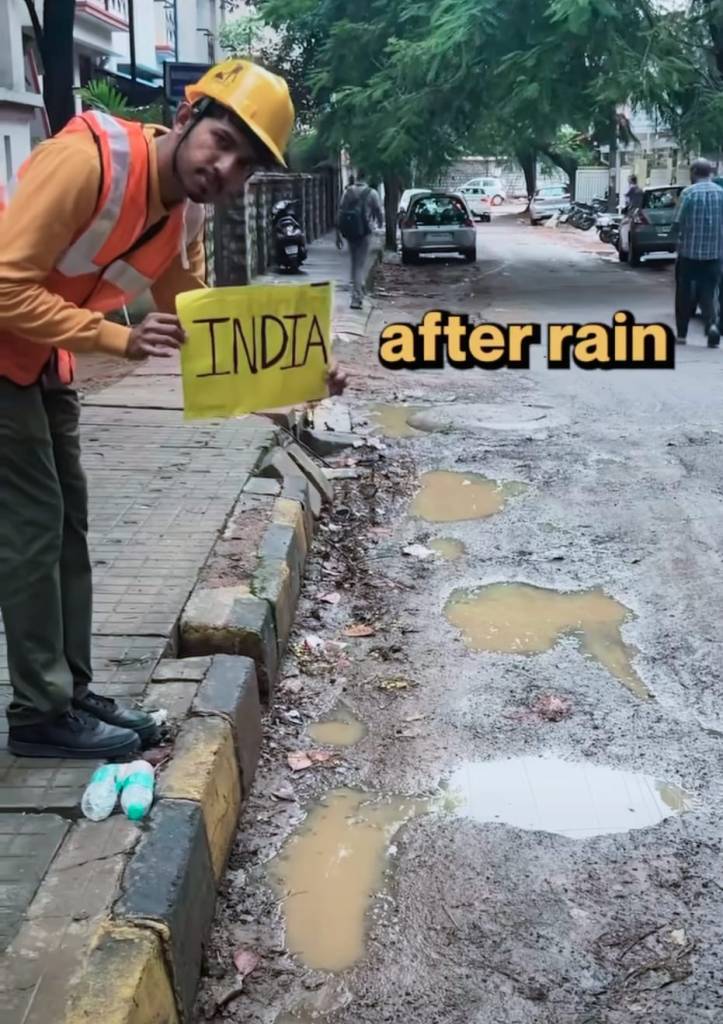
Potholes directly impact road safety, and the statistics paint a grim picture. Between 2020 and 2023, potholes claimed over 6,500 lives in India. These numbers aren’t just a representation of bad roads—they highlight a national crisis in infrastructure management and public safety. Potholes cause a ripple effect: drivers swerving to avoid them often lose control, collide with other vehicles, or even pedestrians. The danger is particularly acute for motorcyclists who, when caught off guard, often face serious injury or death. Vehicles hitting potholes at high speeds frequently lose balance, resulting in deadly accidents. And during the rainy season, these hazards only multiply, with water-filled potholes camouflaging their severity until it’s too late. The mere act of commuting, which should be straightforward, has turned into a high-risk journey fraught with the potential for fatal accidents.
The erosion of road quality has been a slow but steady process, accelerated by years of neglect. Over the past decade, regular road maintenance, once a priority for urban development authorities, has dwindled to sporadic and inadequate efforts. The result is that once-smooth roads have turned into dangerous paths riddled with holes, cracks, and bumps. This steady erosion has not only affected the surface but has also weakened the entire structure of the roads. The base of many roads has degraded, resulting in a fragile infrastructure that is increasingly prone to further damage. Once manageable potholes have expanded into craters requiring significant reconstruction efforts. This deterioration is not only inconvenient but also costly, both for the government and for citizens. The lack of timely repairs has shortened the lifespan of many roads, forcing the government to spend more on major repairs instead of preventive maintenance, which would have been far more cost-effective.
An inspiring example of civic responsibility comes from the state of Andhra Pradesh, where the local police force in Nuzvid stepped in to tackle the problem head-on. With no immediate response from past government authorities, the police took it upon themselves to fill potholes on the main roads in Vijayawada, using their own resources. This was not their official duty, but the police prioritized public safety, pooling money and enlisting volunteers to fill accident-prone potholes, preventing further mishaps. Within a single day, they repaired 25 potholes, potentially averting countless accidents. This act of community service demonstrated what can be achieved when individuals step up in the face of government inaction. While such actions are commendable, they should not become the norm. It is ultimately the government’s responsibility to maintain safe roads, and their failure to do so has left citizens and local authorities to fend for themselves.
This proactive effort by the Andhra Pradesh police should be a wake-up call to government authorities, highlighting the dire need for immediate action in maintaining road infrastructure. But the pothole problem isn’t limited to Andhra Pradesh; it’s a nationwide crisis. Cities like Mumbai, Delhi, and Bengaluru are notorious for their pothole-riddled roads, where daily commutes have become treacherous. Bengaluru, India’s IT hub, has even seen creative protests from frustrated citizens, drawing attention to the problem through lamp-lighting around potholes and performing mock moonwalks on pothole-filled streets. While such acts bring humour to the situation, they also underscore the profound frustration that road users feel when their concerns are ignored. These protests, though light hearted, represent the helplessness that millions of Indians experience daily due to poor infrastructure.
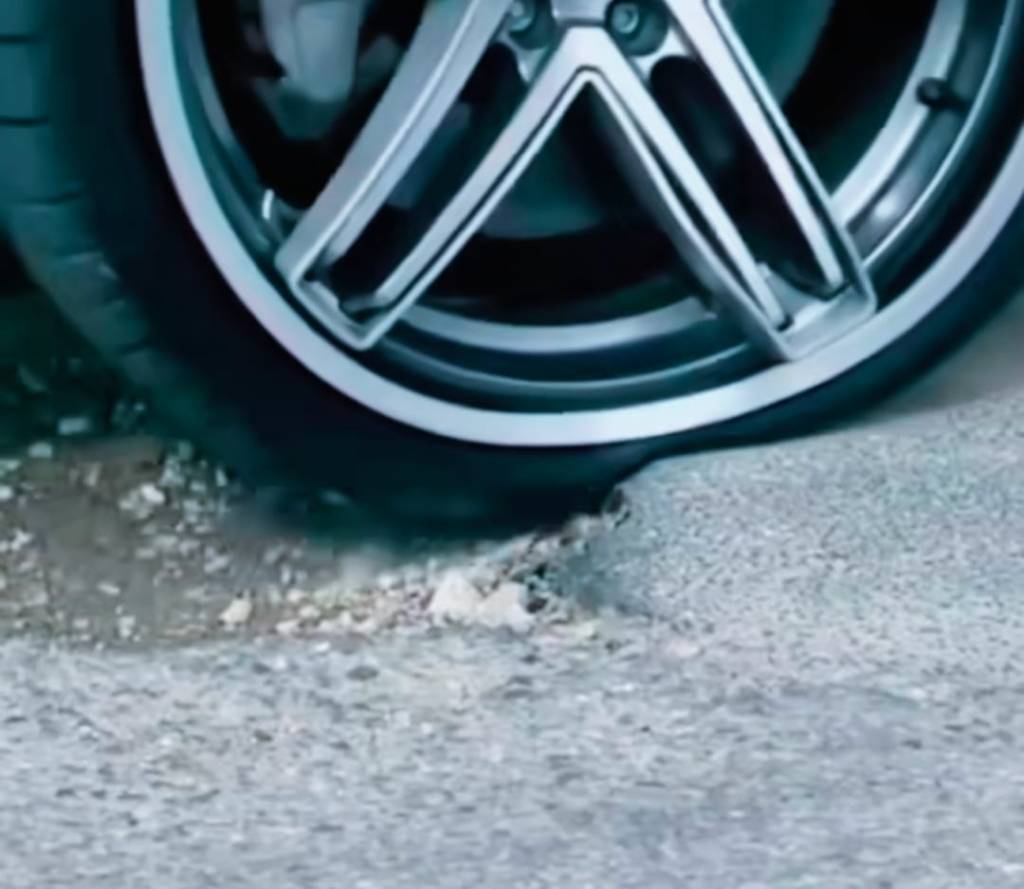
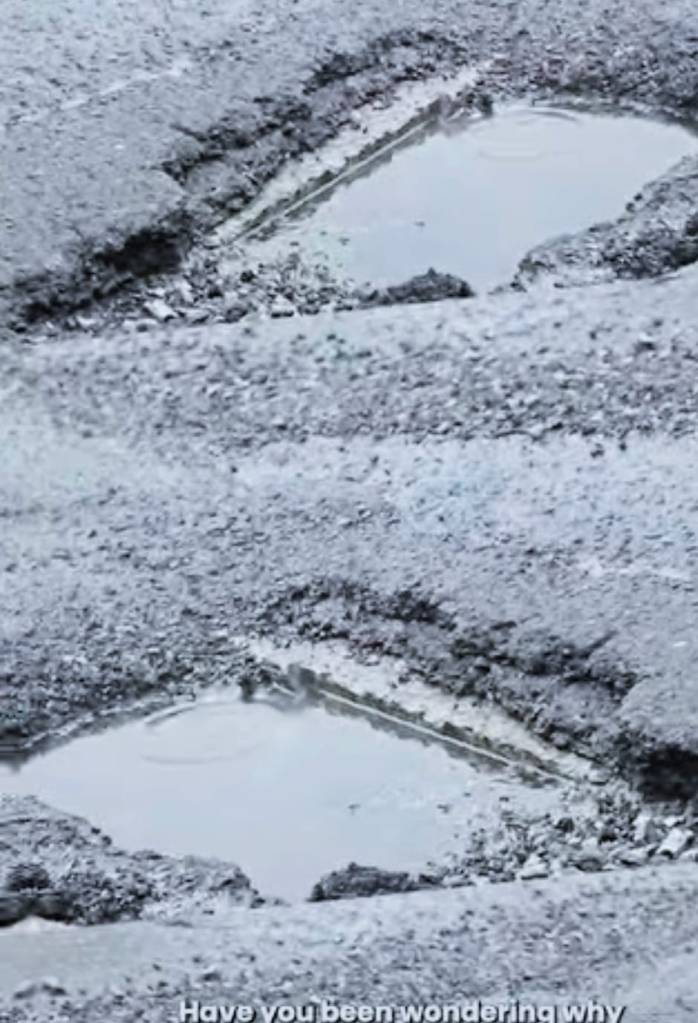
Potholes emerge from a combination of factors, including poor-quality construction, lack of regular maintenance, overuse, and extreme weather conditions. In many cases, the roads were never built to withstand the level of traffic they currently endure, especially from heavy commercial vehicles. Rainfall, particularly in the monsoon-prone areas, exacerbates the situation by causing water to seep into the roads, weakening the base and causing further damage. The repair process, often delayed or ignored, is inadequate and short-lived, leading to a constant cycle of deterioration. The lack of a long-term solution means that roads continue to degrade, putting the lives of road users at constant risk.
While the problem is widespread, one of the key issues preventing its resolution is the lack of technological innovation in road construction and maintenance. Traditional methods of pothole repair involve outdated techniques, such as filling the holes with gravel or cement, which often don’t last long and fail to provide a permanent solution. Fortunately, there have been some strides in the right direction. In Bengaluru, a new road constructed entirely from recycled plastic waste using GridMats technology showcases the potential of innovative materials in road construction. This eco-friendly approach not only addresses the problem of plastic waste but also promises more durable and sustainable roads. Such innovations offer hope for the future of road infrastructure in India, but they must be implemented on a larger scale to make a significant difference.

The introduction of new technologies alone, however, won’t solve the pothole problem. There needs to be a systemic shift in how road construction and maintenance are prioritized and funded. The government must provide adequate funding for research and development in road infrastructure and actively seek out innovative materials and construction techniques. While projects like the GridMats road in Bengaluru are promising, they remain isolated cases. A more comprehensive approach is required, with nationwide implementation and government support to ensure that such innovations become the norm rather than the exception.
In tackling the pothole menace, a collective effort is necessary. This is where the Public-Private-People Partnership (PPPP) model comes into play. Traditionally, the Public-Private Partnership (PPP) model has been used for large-scale projects like highways and bridges. However, the PPPP model adds a new dimension, involving citizens and civic groups in the process. People can play an active role in maintaining roads, whether through local adoption programs, volunteering efforts, or simply reporting road issues to authorities. Businesses, too, can contribute through Corporate Social Responsibility (CSR) initiatives by sponsoring road maintenance efforts or adopting sections of roads in need of repair.
By involving all stakeholders—government, private companies, and the public—India can create a sustainable solution to its road infrastructure problems. The sense of ownership and accountability that comes from this partnership model will encourage citizens to be more mindful of their role in road safety, while also pushing the government to take more proactive measures. Companies can leverage their resources to improve road safety while fulfilling their CSR obligations, creating a win-win situation for all parties involved.
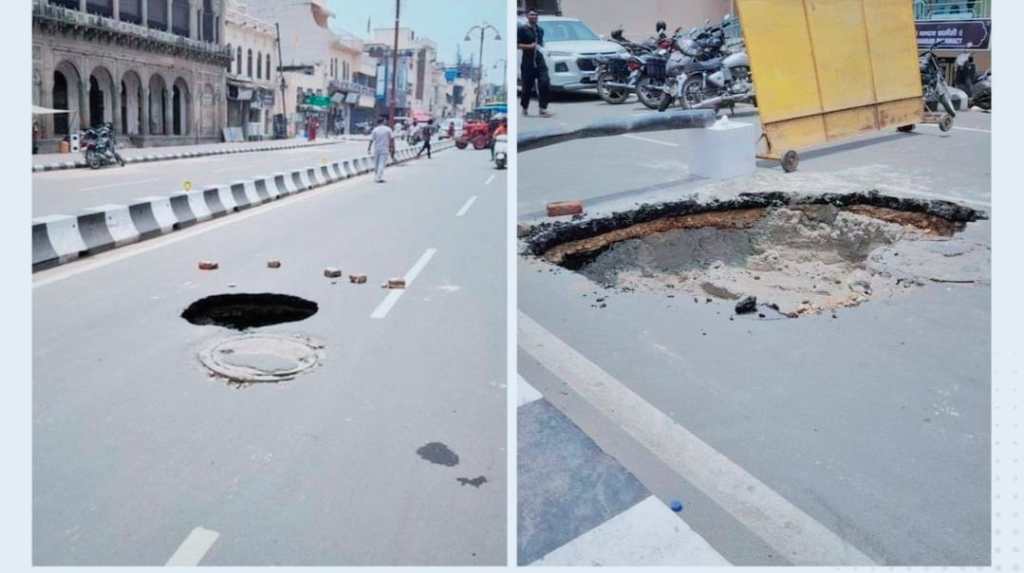
In conclusion, potholes are not just an inconvenience; they are a matter of life and death on India’s roads. The deteriorating condition of road infrastructure has claimed far too many lives and caused untold damage to vehicles and public property. The commendable efforts of the Andhra Pradesh police highlight that immediate action can mitigate these risks, but the responsibility for maintaining safe roads ultimately lies with the government. By embracing technological innovation, adopting new materials, and involving the public through the PPPP model, India can move toward a future where potholes are no longer a deadly presence on its roads. It’s time to fill the gaps, both literal and metaphorical, in our road infrastructure and ensure that the roads we travel are safe for all. The cost of inaction is too high, and the lives of millions of Indians depend on it.
VISIT ARJASRIKANTH.IN FOR MORE INSIGHTS
 SOCIAL PERSPECTIVES