
A Quantum Leap into the Bio-Revolution – Boom, Bust, or the Bold New Green Frontier!!
In a world increasingly shaped by technological leaps and urgent environmental crises, biotechnology emerges as a transformative force, holding immense promise for sustainable development and economic advancement. India, with its unparalleled biodiversity and rapidly growing talent pool, stands at the brink of a biotechnological revolution, spearheaded by the ambitious Bio-E3 policy. Introduced under the leadership of Union Minister Jitendra Singh, this policy is touted as a game-changer that could propel India into the upper echelons of the global bio-economy, rivalling the IT boom that reshaped Western economies. However, the policy also brings a range of intricate risks that require astute management and oversight.
The Bio-E3 policy represents a sweeping strategy aimed at leveraging India’s vast biological resources and burgeoning workforce to drive sustainable economic growth. The initiative covers a broad spectrum of biotechnological applications, including cutting-edge bio-manufacturing processes, specialty chemicals, enzymes, bio-polymers, functional foods, smart proteins, veterinary products, and precision bio-therapeutics. The policy’s vision extends beyond mere economic upliftment; it seeks to advance environmental sustainability and public health. By integrating biotechnology into critical sectors like bio-pharma, bio-energy, and bio-industrials, the Bio-E3 policy aims to generate employment opportunities, particularly in tier-two and tier-three cities, while fostering a culture of innovation and collaborative engagement across various stakeholders.
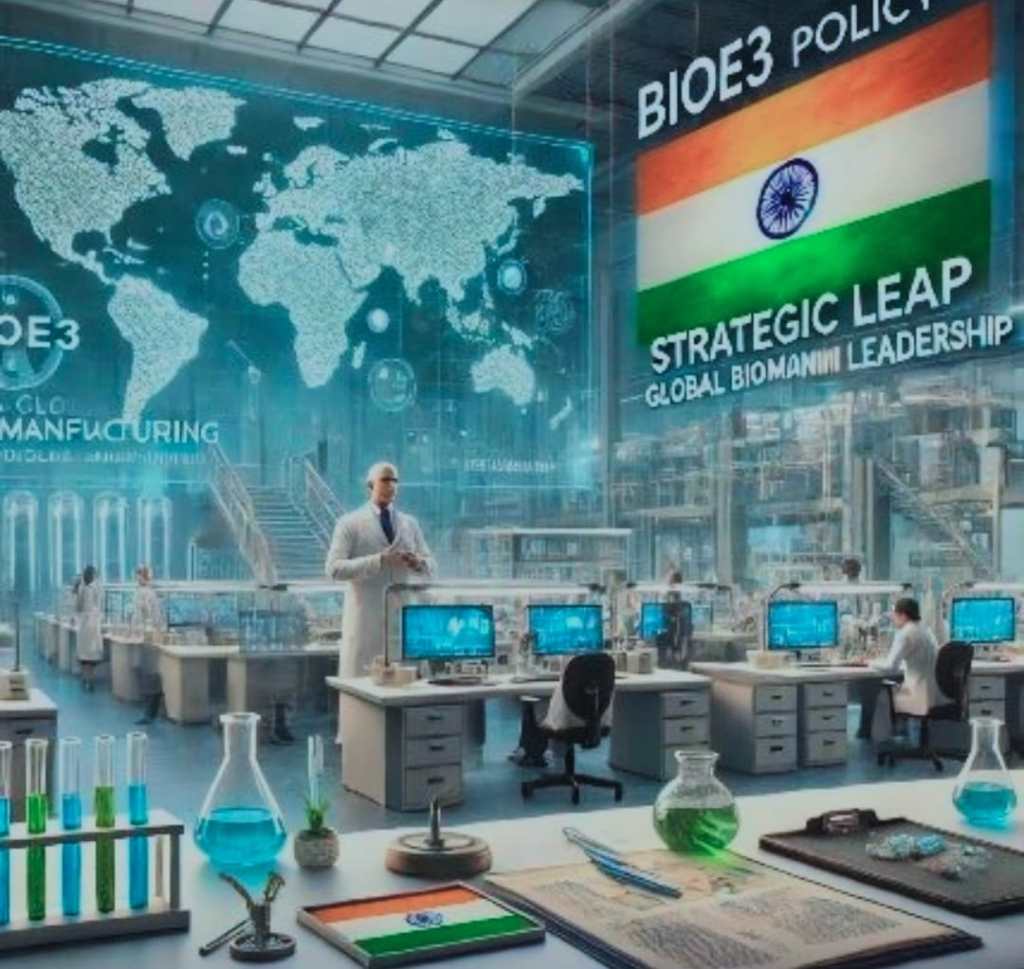
The Bio-E3 policy is grounded in the belief that biotechnology can act as a dual catalyst for economic growth and environmental stewardship. Minister Singh has emphasized that the policy focuses on three core areas: the economy, employment, and the environment. The policy aims to build a resilient bio-economy that mitigates regional economic disparities, stimulates job creation, and promotes inclusive development. A cornerstone of this initiative is the establishment of biotechnology hubs throughout the country. These hubs are envisioned as centres of innovation where startups can collaborate with established companies, effectively bridging the gap between scientific research and commercial manufacturing. Such collaboration is critical for maintaining India’s competitive position in the global bio-economy.
The Bio-E3 policy’s impact extends beyond economic growth to address pressing global issues such as climate change and food security. The policy prioritizes climate-resilient agriculture and advanced carbon capture technologies as essential components of its framework. By investing in sustainable agricultural practices and innovative carbon management solutions, India could make substantial contributions to global climate change mitigation efforts while ensuring food security for its growing population. This dual focus reflects a broader vision for a greener and more equitable future.
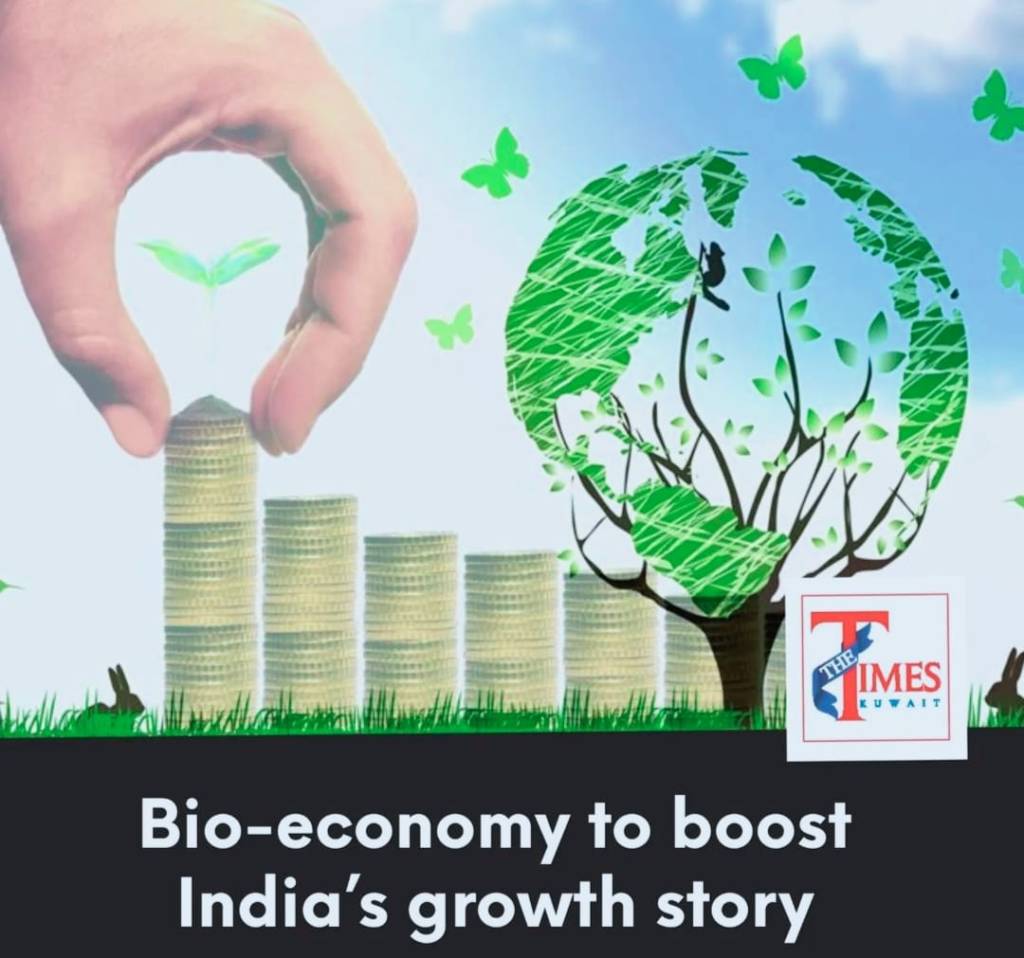
India’s biotechnology sector has demonstrated remarkable growth, increasing from $10 billion in 2014 to $100 billion in 2020. Projections suggest that this sector could achieve $300 billion by 2030, highlighting the government’s commitment to fostering a supportive environment for biotechnological innovation. This growth trajectory is further bolstered by Prime Minister Narendra Modi’s leadership, which underscores the policy’s role in accelerating the sector’s expansion and positioning India as a global leader in biotechnology.
The importance of public-private sector collaboration in realizing the Bio-E3 policy’s full potential cannot be overstated. While government support in terms of infrastructure and resources is crucial, private sector investment and engagement are equally vital for driving innovation. Creating a favourable regulatory environment will be key to attracting investment and encouraging private sector participation. Such an environment will ensure the policy’s objectives are met and India’s bio-economy can flourish.

Education and skill development are critical components of this biotechnological transformation. As the biotech industry grows, there will be an increasing demand for professionals skilled in biotechnology and related fields. The government must prioritize educational initiatives that promote biotechnology and prepare the workforce for the evolving demands of this sector. Encouraging entrepreneurship and innovation among young people is also essential. Programs that support students and aspiring entrepreneurs in exploring biotech startups can help cultivate a culture of innovation and creativity, empowering the next generation of innovators.
Research and development (R&D) play a fundamental role in advancing biotechnology. Despite having a solid foundation in scientific research, India must increase its investment in R&D to maintain a competitive edge on the global stage. Collaboration between academia, industry, and government is crucial for translating research findings into practical applications, driving progress in the biotech sector. The Bio-E3 policy highlights the importance of R&D in fostering innovation and ensuring India remains at the forefront of biotechnological advancements.

Ethical considerations surrounding biotechnological advancements also require careful attention. The immense power of biotechnology comes with significant responsibilities. The government must establish robust ethical frameworks to govern the use of biotechnology, addressing concerns related to genetic engineering, bio-safety, and environmental sustainability. Prioritizing ethical practices will help build public trust in biotechnology and ensure that its advancements are beneficial to society as a whole.
The Bio-E3 policy represents a bold and visionary approach to India’s future in biotechnology. By harnessing biological resources and fostering innovation, India has the potential to emerge as a global leader in the bio-economy. The policy’s benefits go beyond economic growth, encompassing environmental sustainability, public health, and social equity. As the world faces urgent challenges, India is well-positioned to lead by example, showcasing how biotechnology can be harnessed for the greater good.

In conclusion, the Bio-E3 policy is more than a mere government initiative; it is a call to action for all stakeholders to unite in the bio-revolution. By embracing principles of collaboration, innovation, and sustainability, India can unlock the full potential of its bio-economy and pave the way for a brighter future for generations to come. While the journey ahead is likely to be challenging, India’s determination and commitment hold the promise of setting a global benchmark in biotechnology. The future is ripe with potential, and the bio-revolution is just beginning, heralding a new era of growth, innovation, and transformation.
VISIT ARJASRIKANTH.IN FOR MORE INSIGHTS
 SOCIAL PERSPECTIVES