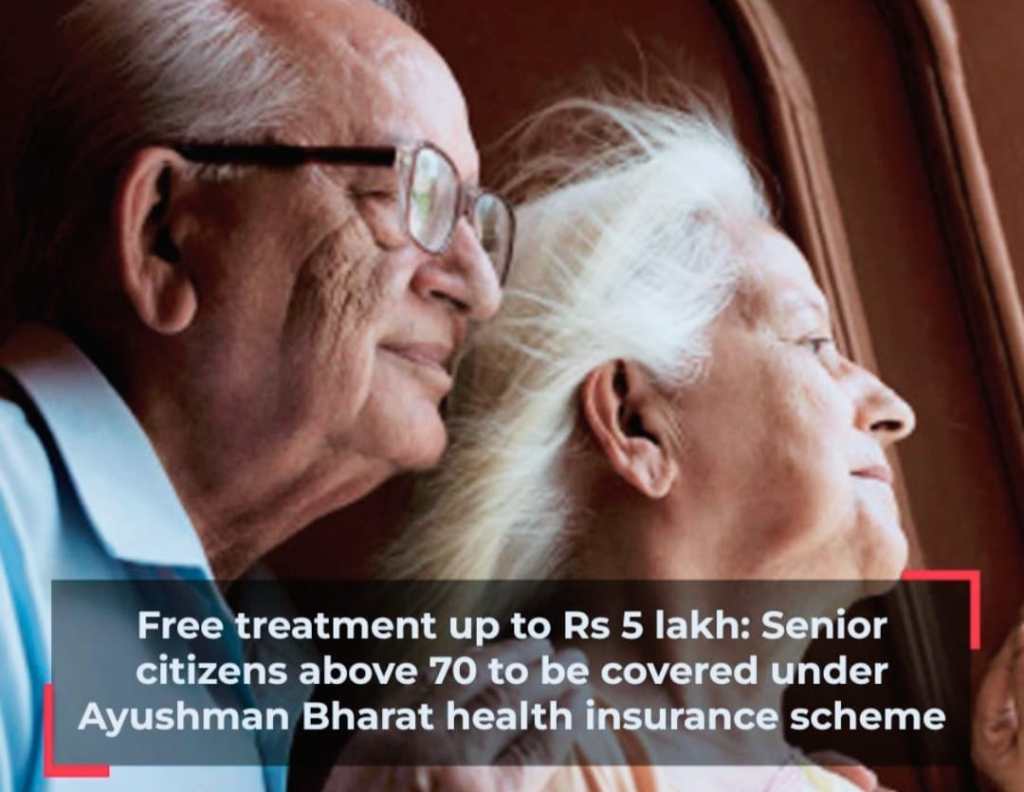
A New Dawn for India’s Elderly: Unveiling the Ayushmann Bharat Extension for Social Security!!
In a bold, transformative move, the Indian government has reshaped the nation’s healthcare landscape by extending the Ayushmann Bharat insurance scheme to all individuals over the age of 70. This landmark decision, which was a cornerstone of the BJP’s 2024 Lok Sabha election manifesto, promises to redefine healthcare for India’s senior citizens. At a time when the country faces an unprecedented demographic shift, with its aging population on the rise, this initiative is not just timely but necessary. It signals a deeper commitment by the government to safeguard the well-being of its oldest citizens, ensuring they enjoy their later years without the looming fear of unaffordable healthcare.
The Ayushmann Bharat scheme is already regarded as the world’s largest government-funded health insurance program. Initially, it covered the poorest 40% of India’s population—approximately 55 million people—offering them a safety net against rising medical costs. The inclusion of senior citizens over 70 into this scheme, regardless of their economic status, is nothing short of revolutionary. It ensures that the elderly, a group particularly vulnerable to health crises, will now receive the same level of comprehensive coverage that was once only available to the most economically disadvantaged.
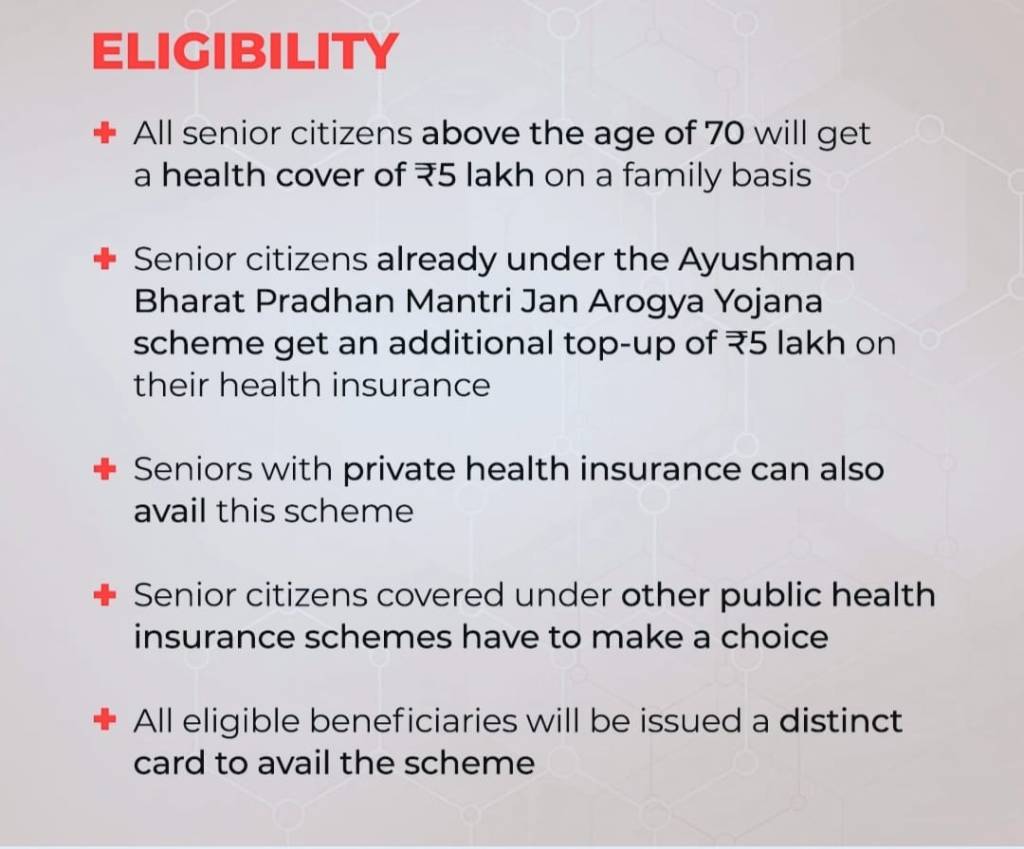
The core aim of this expansion is to create a healthcare system that leaves no one behind. Every Indian over the age of 70 is now eligible for this coverage, which includes free healthcare services at public and private hospitals. This extension is particularly significant as it eliminates the financial strain that often accompanies old age, especially when medical needs increase. Chronic conditions like diabetes, hypertension, and other age-related diseases frequently require long-term care, which can be prohibitively expensive without insurance. The new policy ensures that these conditions are covered from day one, with no waiting periods—an important departure from traditional insurance policies that often include lengthy waiting periods for chronic illnesses.
The removal of these financial barriers is a breath of fresh air for millions of elderly Indians who previously could not afford healthcare. Senior citizens, who often face neglect due to limited family support or financial constraints, now have the chance to access high-quality healthcare without worrying about its cost. This decision also has a unique gender dimension. India’s elderly population consists of approximately 58% women, many of whom lack adequate family support and are disproportionately affected by poverty. By offering universal healthcare coverage, the government is taking a crucial step toward providing security and dignity to these women in their later years.
Moreover, this policy recognizes the specific healthcare needs of the elderly, a group that is statistically more likely to require hospital admissions. In fact, individuals over 70 are admitted to hospitals at nearly double the rate of younger age groups. Chronic illnesses, compounded by age-related frailty, require regular medical attention, making health insurance indispensable for this demographic. With the Ayushmann Bharat extension, elderly patients will now have access to a comprehensive list of empanelled hospitals, both public and private, where they can receive treatments without the worry of financial ruin.
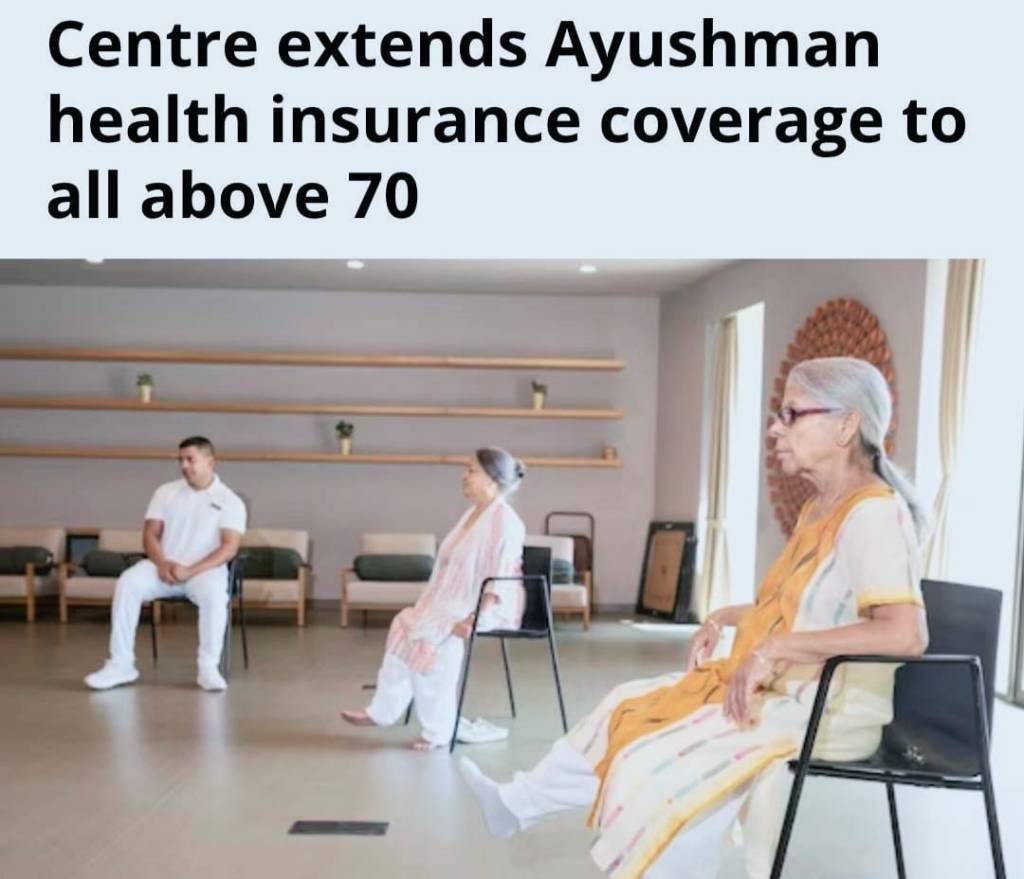
This expansion also simplifies the process of finding healthcare providers. Senior citizens can easily search for hospitals in their vicinity using the Ayushmann Bharat website or app. This user-friendly platform is particularly beneficial for older patients who may not be tech-savvy but still need to navigate their healthcare options with ease. The government’s decision to make the scheme more accessible through technology speaks to its forward-thinking approach to inclusivity.
In addition to addressing immediate healthcare needs, the government’s decision is also a proactive measure to prepare for India’s future demographic challenges. By 2050, it is estimated that the number of people aged 60 and above in India will reach 390 million—nearly triple the number recorded in 2011. This demographic shift poses significant healthcare challenges, particularly in managing non-communicable diseases that tend to afflict the elderly more severely. By laying the groundwork now, the government is positioning itself to meet the healthcare demands of the future while ensuring that today’s seniors do not suffer from inadequate medical care.
The financial implications of this expansion are considerable. The government has allocated ₹3,473 crores for the initial implementation of the scheme, covering both central and state contributions. Typically, the central government covers 60% of the expenses, while state governments are responsible for the remaining 40%. However, in states located in hilly regions or the Northeast, the central government will shoulder up to 90% of the costs. While this extension will inevitably increase the overall budget for healthcare, the government has committed to adjusting allocations as necessary to meet the growing demand for services. This ensures that the program will remain financially viable, even as more seniors register for coverage.
The economic rationale behind this expansion is simple: the cost of healthcare increases with age, and seniors are more likely to require expensive treatments for chronic conditions. Without adequate insurance, the elderly are left vulnerable to the high costs of medical care, which often leads to delayed treatments or, worse, untreated illnesses. By extending Ayushmann Bharat to cover all citizens over the age of 70, the government is providing a vital safety net for the population most in need of it.
This safety net is particularly crucial in a country where nuclear families are becoming the norm. In the past, elderly parents were often cared for by extended family members. However, as family structures change, more and more senior citizens are left to fend for themselves, often without the financial resources to cover their medical expenses. This policy extension is a direct response to these societal shifts, offering seniors the healthcare coverage they need in the absence of familial support.
The government’s decision to provide an additional top-up cover of ₹5 lakh specifically for senior citizens in families already covered by the scheme further enhances the program’s inclusivity. This top-up ensures that elderly individuals do not have to share their coverage with younger family members, allowing them to receive the full benefits of the insurance policy. For families with multiple elderly members, the coverage can be shared between them, ensuring that everyone receives the care they need without exhausting the family’s overall insurance limits.
Seniors who are not already enrolled in Ayushmann Bharat can easily register through the program’s website or app. The process is simple, requiring only Aadhaar KYC verification to get started. For those who prefer a more hands-on approach, registration can also be done at government hospitals with Ayushmann counters. This streamlined process ensures that no senior citizen is left behind, regardless of their familiarity with technology or bureaucratic processes.

This extension of Ayushmann Bharat represents more than just a policy change; it is a reflection of the government’s broader vision for universal health coverage. The inclusion of senior citizens, a demographic often overlooked in public policy, is a step toward creating a more inclusive and equitable healthcare system. It acknowledges the unique challenges faced by India’s elderly population and offers a solution that addresses both their financial and medical needs.
India’s healthcare system has long been criticized for its inaccessibility to the country’s most vulnerable populations. By extending Ayushmann Bharat to cover all individuals over 70, the government is not only addressing these concerns but also setting a new standard for healthcare policies in developing nations. The program’s emphasis on eliminating waiting periods, covering pre-existing conditions, and providing free access to a wide range of hospitals makes it a model for other countries looking to improve their own healthcare systems.
This policy is particularly important given the rising costs of medical care in India. Healthcare inflation has outpaced general inflation for several years, making it increasingly difficult for families to afford quality medical treatment. For senior citizens, who are often retired and living on fixed incomes, these costs can be especially burdensome. The Ayushmann Bharat extension alleviates this burden by ensuring that seniors have access to free healthcare services, regardless of their financial situation.
Moreover, the government’s decision to implement this policy at a time when the population of senior citizens is rapidly growing is a testament to its long-term vision. By 2050, nearly 20% of India’s population will be over the age of 60, and the healthcare needs of this group will become a central issue for policymakers. The Ayushmann Bharat extension is a proactive step in addressing these needs, ensuring that the country is prepared to handle the healthcare challenges that come with an aging population.
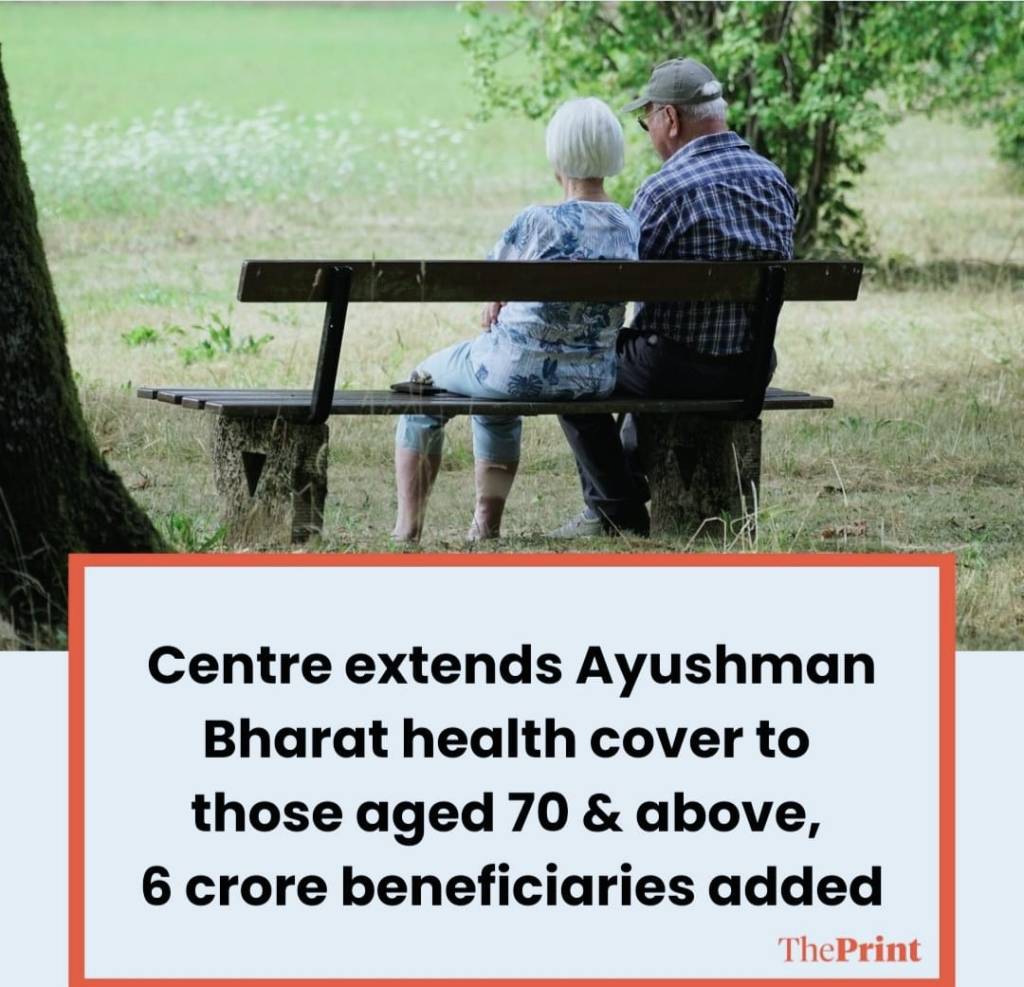
In conclusion, the extension of the Ayushmann Bharat insurance scheme to cover all individuals over the age of 70 marks a watershed moment in India’s healthcare history. This initiative addresses the pressing healthcare needs of a rapidly aging demographic, offering them the security and dignity they deserve in their later years. By providing comprehensive coverage without exclusions or waiting periods, the government is prioritizing the well-being of its most vulnerable citizens, ensuring they have access to the necessary medical services. As the aging population continues to grow, this scheme will play a vital role in enhancing the quality of life for millions of elderly individuals. It is a bold, forward-thinking policy that sets a transformative precedent for future healthcare initiatives in India. Through this expansion, the government is not just improving healthcare for today’s seniors but also laying the foundation for a more equitable and inclusive system that will benefit generations to come. The Ayushmann Bharat extension is a leap toward universal healthcare, and its impact will be felt for years, if not decades, to come.
VISIT ARJASRIKANTH.IN FOR MORE INSIGHTS
 SOCIAL PERSPECTIVES
One response to “Aging Gracefully in India: A Healthcare Revolution for the 70+ Club!!”
A wonderful article describes all aspects of Bharat Ayushman health policy . Government vision to take care of health of senior citizens above 70 years is really laudable
LikeLike