
Celebrating the Visionary Leader Who Turned Challenges into Triumphs and Redefined India’s Global Presence
Narendra Damodardas Modi, born on September 17, has emerged as one of the most prominent and influential leaders in modern India. His journey from humble beginnings in the small town of Vadnagar, Gujarat, to becoming the longest-serving non-Congress Prime Minister of India is a testament to his remarkable leadership, determination, and vision for the nation. Modi’s rise to prominence is not just the story of an individual but the story of a nation undergoing significant transformation. As the 14th and current Prime Minister of India, Modi’s tenure has been marked by sweeping reforms, bold initiatives, and a relentless drive to modernize and elevate India on the global stage.
Modi’s early years were spent in modest surroundings, where he was exposed to the values of hard work, discipline, and community service. His involvement with the Rashtriya Swayamsevak Sangh (RSS) in his formative years was pivotal in shaping his ideological outlook and his approach to leadership. The RSS, a nationalist organization dedicated to fostering a sense of unity and self-reliance among Indians, instilled in Modi the importance of service to the nation and a disciplined work ethic. These early experiences would later become the bedrock of his political career, guiding him as he navigated the complexities of leadership and governance.

Modi’s political journey began in earnest when he was appointed the Chief Minister of Gujarat in 2001. Taking over the reins of a state that was grappling with both economic challenges and natural disasters, Modi quickly set about transforming Gujarat into one of India’s most prosperous and industrialized states. The Gujarat Model, as it came to be known, emphasized infrastructure development, business-friendly policies, and industrial growth. Under his leadership, Gujarat became a hub for global investors, attracting businesses from around the world and setting a new benchmark for development in India. This success was not only a turning point for Gujarat but also for Modi, who emerged as a national figure with a reputation for delivering results.
Modi’s ability to envision a long-term strategy for growth, coupled with his hands-on approach to governance, helped him build a reputation as a leader who could bring about tangible change. His tenure as Chief Minister was marked by numerous achievements, including improved infrastructure, a robust power supply, and a focus on education and healthcare. His development agenda resonated with the people of Gujarat, and it wasn’t long before Modi’s leadership and vision captured the attention of the entire nation.

In 2014, Narendra Modi’s rise to national leadership was cemented with a resounding victory in the general elections. Leading the Bharatiya Janata Party (BJP) to an overwhelming majority, Modi’s victory was symbolic of the public’s desire for change, progress, and effective governance. His campaign, cantered around the promise of development, transparency, and a strong, self-reliant India, resonated with millions of Indians across the country. Modi’s ascent to the office of Prime Minister marked a new era in Indian politics, one where development, innovation, and strong leadership took centre stage.
Once in office, Modi wasted no time in implementing his vision for India. One of his earliest initiatives, “Make in India,” was aimed at transforming India into a global manufacturing hub. Recognizing the importance of self-reliance in an increasingly interconnected world, Modi championed the cause of reducing India’s dependence on imports and encouraging domestic production. This initiative not only boosted India’s manufacturing sector but also attracted foreign direct investment, creating jobs and stimulating economic growth. The “Make in India” campaign became a cornerstone of Modi’s economic strategy, symbolizing his commitment to making India a major player in the global economy.
Modi’s economic vision also extended to promoting self-reliance through the “Atmanirbhar Bharat” initiative. This program, launched in response to the economic challenges posed by the COVID-19 pandemic, emphasized the importance of building a self-sufficient economy that could withstand global disruptions. Through a combination of reforms, incentives, and strategic investments, Modi sought to strengthen India’s industrial base, foster innovation, and promote entrepreneurship. The “Atmanirbhar Bharat” initiative was not just about economic recovery but about positioning India as a leader in key sectors such as manufacturing, technology, and renewable energy.
Digital transformation has been another hallmark of Modi’s leadership. Recognizing the potential of technology to drive inclusive growth, Modi launched the “Digital India” initiative with the goal of transforming India into a digitally empowered society. This ambitious program aimed to provide citizens with access to digital services, improve government transparency, and promote digital literacy. The impact of “Digital India” has been profound, with the widespread adoption of digital payments, the expansion of broadband infrastructure, and the development of e-governance platforms that have made government services more accessible to the common man. Under Modi’s leadership, India has become a global leader in digital transactions, setting the stage for a future where technology plays a central role in governance and economic growth.

National security and defense have also been key areas of focus for Modi. His government has taken decisive steps to strengthen India’s military capabilities and enhance its geopolitical standing. Modi’s commitment to modernizing India’s defense forces, investing in cutting-edge technology, and securing the nation’s borders has been evident throughout his tenure. His government’s response to cross-border terrorism, including the surgical strikes and the Balakot airstrikes, demonstrated a firm and decisive approach to safeguarding India’s sovereignty. These actions earned Modi both domestic and international respect for his strong stance on national security.
Modi’s leadership is also defined by his unique ability to communicate directly with the people of India. His monthly radio program, “Mann Ki Baat,” serves as a platform for him to connect with citizens on a personal level, discussing a wide range of topics from social issues to inspiring stories of everyday Indians. This initiative has played a crucial role in building a sense of unity and shared responsibility among the populace. Modi’s communication skills extend beyond “Mann Ki Baat,” as his speeches at public rallies and international forums are marked by his charisma and ability to articulate India’s aspirations on the world stage. Whether addressing the United Nations, global leaders, or the Indian public, Modi’s speeches evoke a sense of national pride and present India as a key player in the global arena.

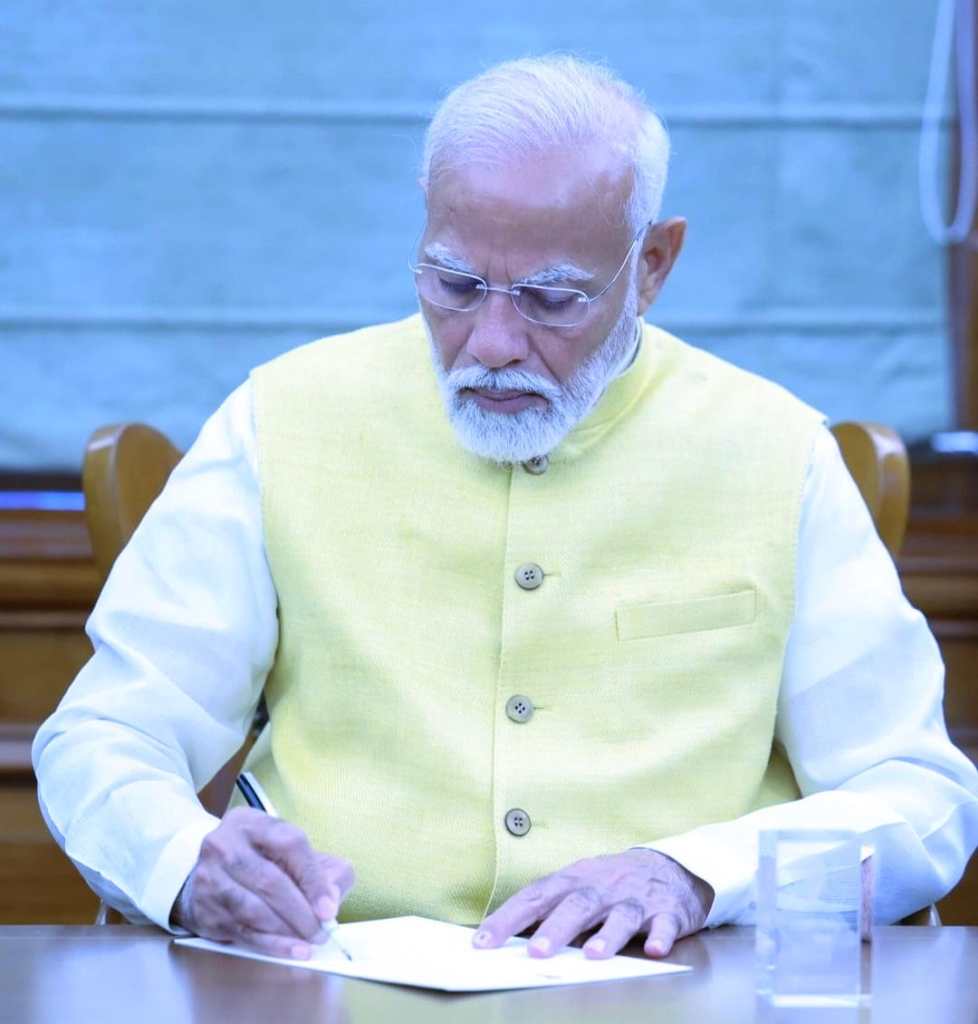
Modi’s personal discipline and work ethic are often cited as one of the reasons for his success. Known for working long hours and maintaining a hands-on approach to governance, Modi leads by example, inspiring his team and the nation to strive for excellence. His attention to detail and his ability to stay focused on long-term goals have been instrumental in driving the success of his government’s initiatives. Programs such as “Swachh Bharat Abhiyan” (Clean India Mission) and “Ayushman Bharat” (affordable healthcare for millions) reflect his dedication to improving the lives of ordinary Indians and building a more prosperous and equitable society.
However, Modi’s leadership has not been without its challenges. From economic reforms like demonetization and the introduction of the Goods and Services Tax (GST) to managing the complexities of the COVID-19 pandemic, Modi has faced criticism and opposition on various fronts. Yet, his resilience and determination have allowed him to navigate these challenges with a sense of purpose and conviction. His government’s handling of the pandemic, including the swift rollout of the world’s largest vaccination drive, is a testament to Modi’s ability to lead in times of crisis.

One of Modi’s defining characteristics is his adaptability and willingness to embrace new ideas. As the world grapples with the challenges of climate change, Modi has been a strong advocate for renewable energy and sustainable development. India’s leadership in the International Solar Alliance and its ambitious targets for renewable energy production reflect Modi’s commitment to balancing economic growth with environmental responsibility. Under his leadership, India has also made significant strides in urban development, with the creation of smart cities, improved infrastructure, and a focus on making cities more liveable and sustainable.
In conclusion, Narendra Modi’s leadership has redefined India’s path to development and progress. His vision for a self-reliant, globally competitive India, coupled with his work ethic, resilience, and ability to communicate with the masses, has positioned him as a leader of global stature. As India continues to evolve under his leadership, Modi’s contributions to the nation’s growth and his role in shaping its future will undoubtedly be remembered for generations to come. On this special occasion, we extend our heartfelt birthday wishes to Prime Minister Narendra Modi, acknowledging his tireless service to the nation and his unwavering commitment to building a better, stronger, and more prosperous India.
Modi’s foreign policy has further strengthened India’s position on the global stage. His diplomatic efforts have focused on building strategic partnerships with key global players, fostering closer ties with neighboring countries, and positioning India as a leader in areas such as defense, trade, and climate change. Modi’s visits to countries around the world, his participation in international forums, and his emphasis on creating bilateral and multilateral alliances have elevated India’s global standing. His ability to maintain India’s independent foreign policy while building strong relationships with both major and smaller nations has been a hallmark of his diplomatic success.

Beyond his political achievements, Modi’s personal interests, such as yoga, poetry, and photography, offer a glimpse into his multifaceted personality. His passion for yoga has helped popularize the practice globally, culminating in the recognition of International Yoga Day by the United Nations. Modi’s connection to India’s cultural heritage and his promotion of traditional values have resonated with many Indians, further enhancing his appeal as a leader who is both modern and deeply rooted in India’s traditions.
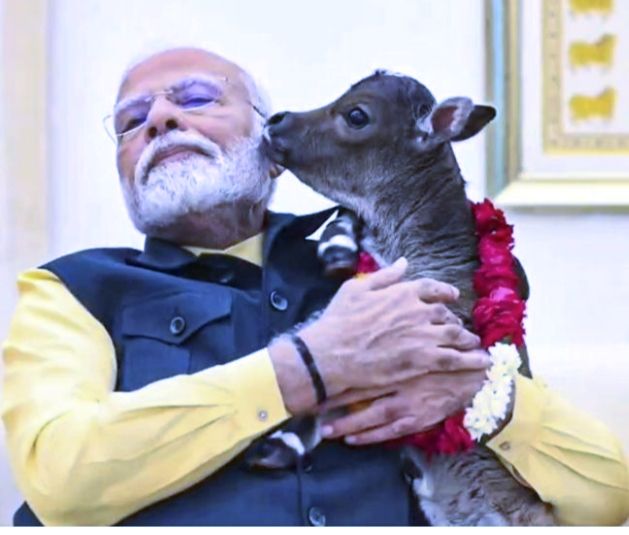
As Narendra Modi celebrates his birthday on September 17, it is a fitting occasion to reflect on his extraordinary journey and the impact of his leadership on India and the world. From a tea seller in Vadnagar to the Prime Minister of the world’s largest democracy, Modi’s story is one of perseverance, vision, and a relentless commitment to the nation’s progress. His ability to dream big, take bold decisions, and inspire millions of Indians to work toward a common goal has made him a transformational leader.
In conclusion, Narendra Modi’s leadership has redefined India’s path to development and progress. His vision for a self-reliant, globally competitive India, coupled with his work ethic, resilience, and ability to communicate with the masses, has positioned him as a leader of global stature. As India continues to evolve under his leadership, Modi’s contributions to the nation’s growth and his role in shaping its future will undoubtedly be remembered for generations to come. On this special occasion, we extend our heartfelt birthday wishes to Prime Minister Narendra Modi, acknowledging his tireless service to the nation and his unwavering commitment to building a better, stronger, and more prosperous India.
VISIT ARJASRIAKNTH.IN FOR MORE INSIGHTS
 SOCIAL PERSPECTIVES