When the Waters Rose: Survival, Struggle, and Hope in the City of Drowning Dreams
The rains began in Vijayawada like any other monsoon. The familiar pitter-patter of droplets hitting rooftops and streets felt almost routine, the way it had for generations. But soon, the steady drizzle intensified. What initially seemed like an ordinary downpour spiralled into something much more menacing. Within hours, it became clear to the city’s residents that this was not just another seasonal shower. The storm, driven by an unrelenting depression over the Bay of Bengal and exacerbated by a land-based cyclone, had turned into a catastrophic event.
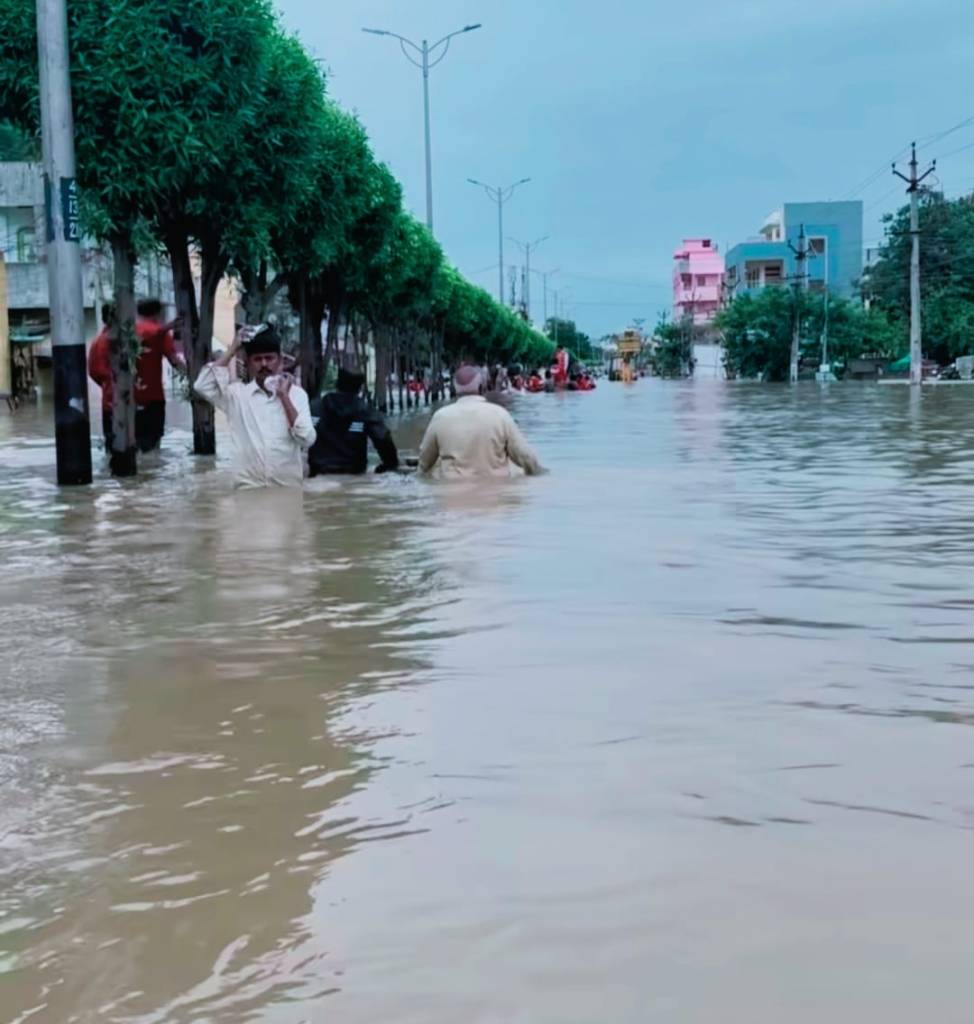
For three agonizing days, the city was caught in a battle with nature. The rainfall was relentless, and the floodwaters rose rapidly, swallowing everything in their path. Vijayawada, a bustling hub of activity, became a city submerged—its streets now rivers, homes turned into islands, and lives turned upside down. The scale of the disaster was unlike anything the city had seen in over two centuries. Thousands of residents found themselves trapped, their homes filled with murky water, their lives forever altered.

As the waters rose, the fight for survival began. For many, the flood was a harsh reminder of nature’s terrifying unpredictability. The city’s flood management system, already struggling, quickly became overwhelmed. The Krishna River, a lifeline for the region, became a force of destruction, surging beyond its banks and flooding the city. The Budameru Canal too was inundated, adding to the chaos. The city’s drainage systems failed, powerless against the sheer volume of rain. Within hours, roads vanished beneath the water, and entire neighbourhoods were rendered uninhabitable.
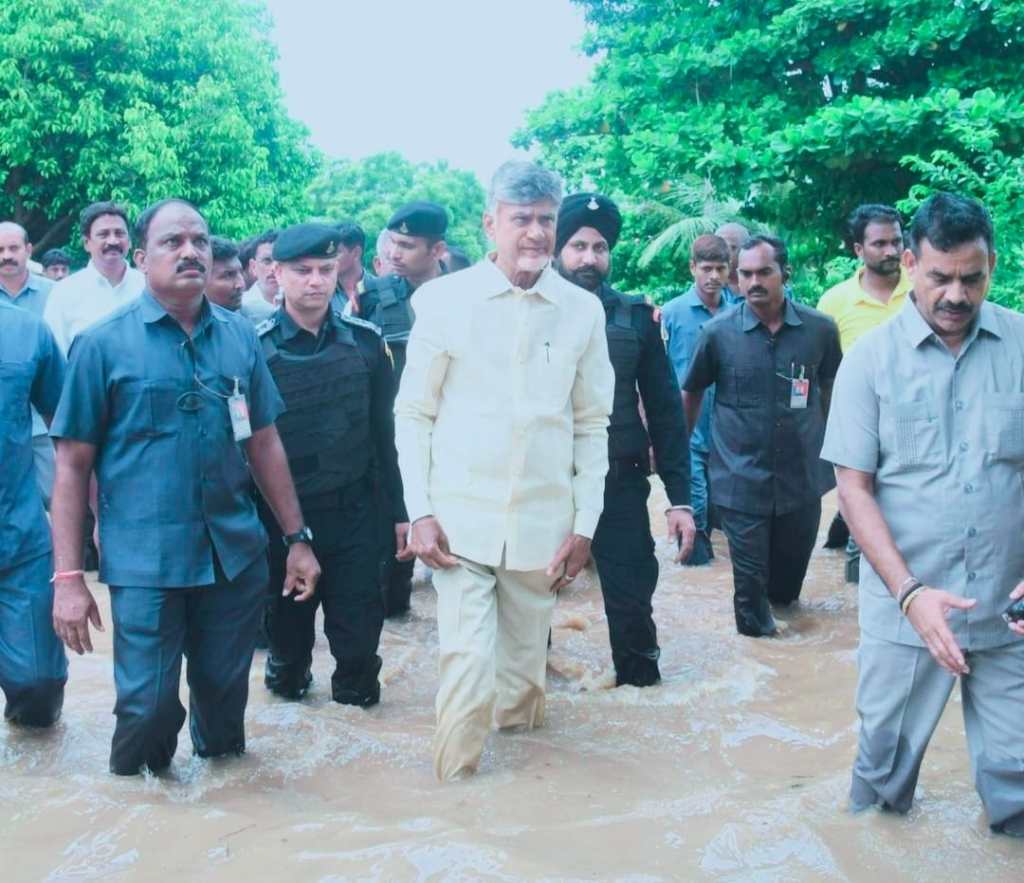
Amid this chaos, the human spirit was tested in unimaginable ways. Fear and desperation hung in the air, as families were torn apart in the panic. Food and water quickly became scarce commodities. With streets underwater and communication networks down, people found themselves isolated, left to fend for themselves. Those who could not evacuate were trapped in their homes, some on rooftops, others perched on pieces of furniture, watching helplessly as the floodwaters continued to rise.

One of the countless stories of despair and resilience was that of a young mother who found herself stranded on a flyover with her toddler. Separated from her husband and daughter in the confusion, she sat silently, clutching her child, her face a mask of grief. She hadn’t eaten in hours, and her phone was about to die. In the midst of her anguish, a stranger approached her, offering buttermilk packets. His gesture was small but carried immense weight—a glimmer of hope amid the despair. This simple act of kindness reflected the resilience and solidarity that emerged from the tragedy. Despite the overwhelming odds, people found ways to look out for one another, even when they had little to offer themselves.

While ordinary citizens grappled with the immediate consequences of the flood, the state and central governments were scrambling to coordinate relief efforts on an unprecedented scale. Vijayawada was not the only region affected; floodwaters ravaged seven districts, including West Godavari. Detailed damage assessments began, and government officials, along with agencies like the National Remote Sensing Centre (NRSC) and the Indian Space Research Organisation (ISRO), worked tirelessly to map the areas worst hit by the disaster. Despite decades of flood hazard mapping and preparation, it was clear that no amount of planning could have prepared the city for the ferocity of this storm.
The flood was a grim reminder that nature’s fury can reduce even the most advanced systems to nothing. Nearly 30 centimetres of rain fell in a single day, causing rivers and canals to overflow and turning roads into waterways. In a matter of hours, the city’s infrastructure collapsed. Power outages added to the misery. With over 10,000 electricity feeders knocked out, large parts of the city were plunged into darkness. As the floodwaters surged through the streets, communication networks were crippled. For many, this meant an eerie isolation—unable to call for help, they had no choice but to wait and hope.

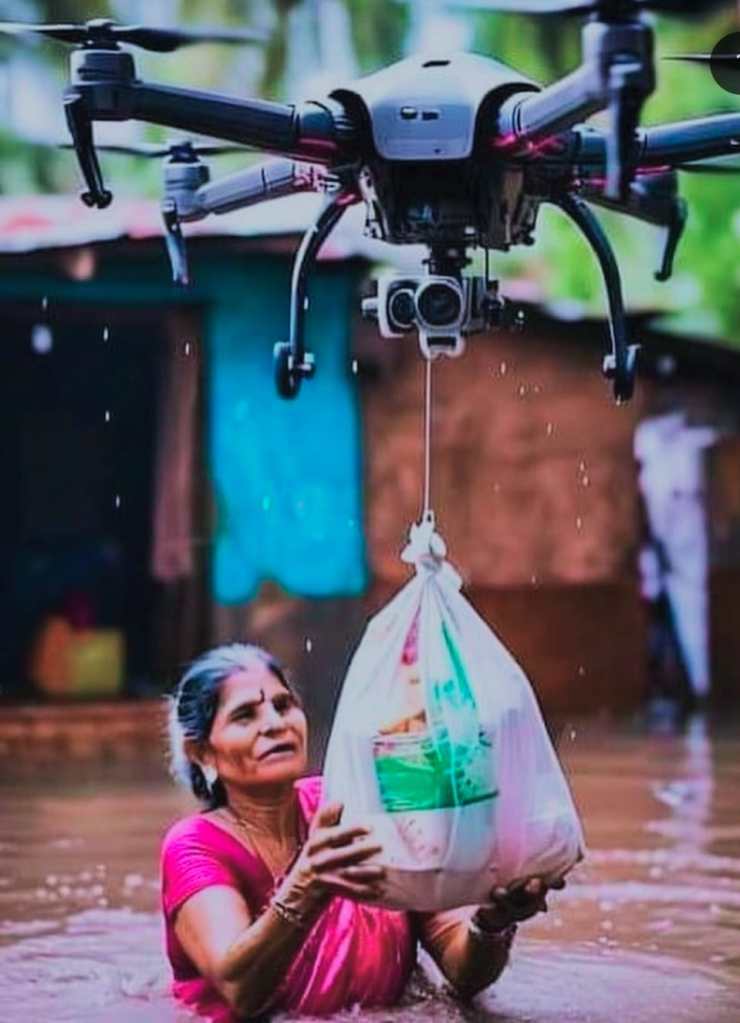
Yet, in the face of this overwhelming disaster, the city’s resilience shone through. Rescue operations, coordinated by local authorities and aided by national forces like the National Disaster Response Force (NDRF) and the State Disaster Response Force (SDRF), swung into action. Navy units were deployed, helicopters buzzed over the city, and boats skimmed across the floodwaters, rescuing those trapped in their homes. In the most isolated areas, drones were used to deliver essential supplies—food, water, and medicine. The disaster brought out the best in people; neighbours helped one another, strangers shared what little they had, and volunteers worked tirelessly to bring relief to those in need.
The immediate aftermath of the flood was a time of reckoning. The destruction was immense. Homes were destroyed, businesses shuttered, and lives upended. The water had not only submerged the city, but it had also taken away its sense of security. For many, the flood wasn’t just a physical disaster—it was an emotional one. People had lost loved ones, their homes, and their livelihoods. And as the floodwaters began to recede, the questions started to rise: Could this disaster have been prevented? Could better flood management systems have saved more lives and property?
The truth is that Vijayawada’s flood management systems, while extensive, were outdated and ill-equipped to handle a disaster of this magnitude. The city had faced floods before, but none of this scale. The 2024 deluge was a wake-up call, highlighting the vulnerabilities in the city’s infrastructure. As the world continues to grapple with the effects of climate change, extreme weather events like these are becoming more common. The lessons of 2024 must serve as a catalyst for change, prompting urgent action to strengthen the city’s defences against future floods.

The long road to recovery has begun. Rebuilding the city will take time, and the scars—both physical and emotional—will linger. The floodwaters may have receded, but the damage they left behind is staggering. Entire neighbourhoods will need to be rebuilt. Roads, bridges, and infrastructure must be restored. And the emotional toll on the city’s residents will take years to heal. People who lost everything will need support, not just in the form of material aid, but also emotional and psychological help.
Yet, despite the devastation, the spirit of Vijayawada remains unbroken. The city’s resilience in the face of disaster is a testament to the strength of its people. From the stories of neighbours helping each other to the tireless efforts of rescue teams, Vijayawada has shown that even in the darkest of times, hope and humanity prevail. The flood exposed the city’s vulnerabilities, but it also revealed its strength—the strength of its people, its communities, and its spirit.

As the city rebuilds, it is the stories of courage, sacrifice, and solidarity that will sustain it. The lessons learned from this disaster must be taken to heart. The flood may have exposed the weaknesses in the city’s infrastructure, but it also highlighted the resilience of its people. Vijayawada will rebuild, and in doing so, it will emerge stronger and better prepared for the challenges that lie ahead.
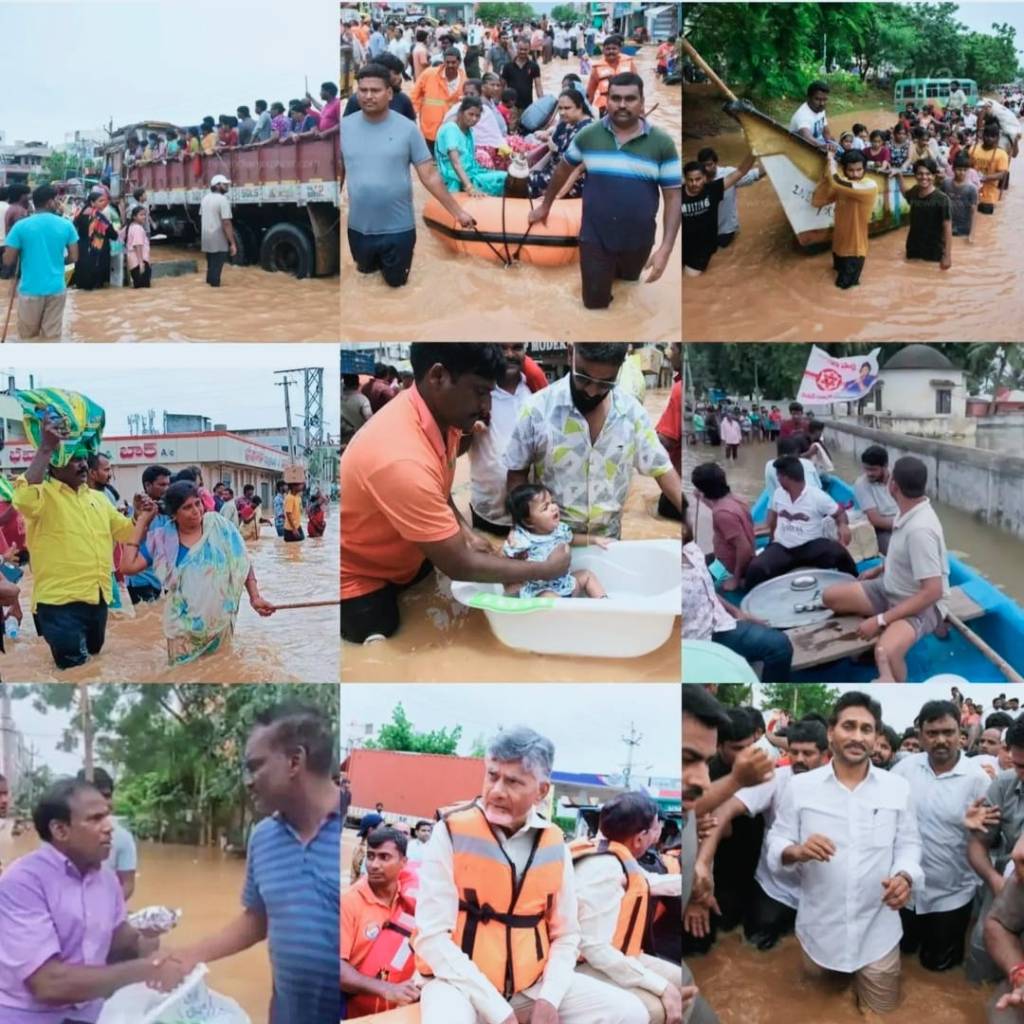
The 2024 floods in Vijayawada will be remembered as one of the most devastating natural disasters in the city’s history. The flood waters brought chaos, destruction, and despair, but they also revealed the strength and kindness of ordinary people. From the neighbours who helped each other in their darkest hours to the tireless efforts of rescue teams, the spirit of Vijayawada remained unbroken. As the city rebuilds, it must reflect on the lessons learned from this disaster and take meaningful steps toward better disaster preparedness. The future of the city—and the safety of its residents—depend on it.
VISIT ARJASRIKANTH.IN FOR MORE INSIGHTS
 SOCIAL PERSPECTIVES