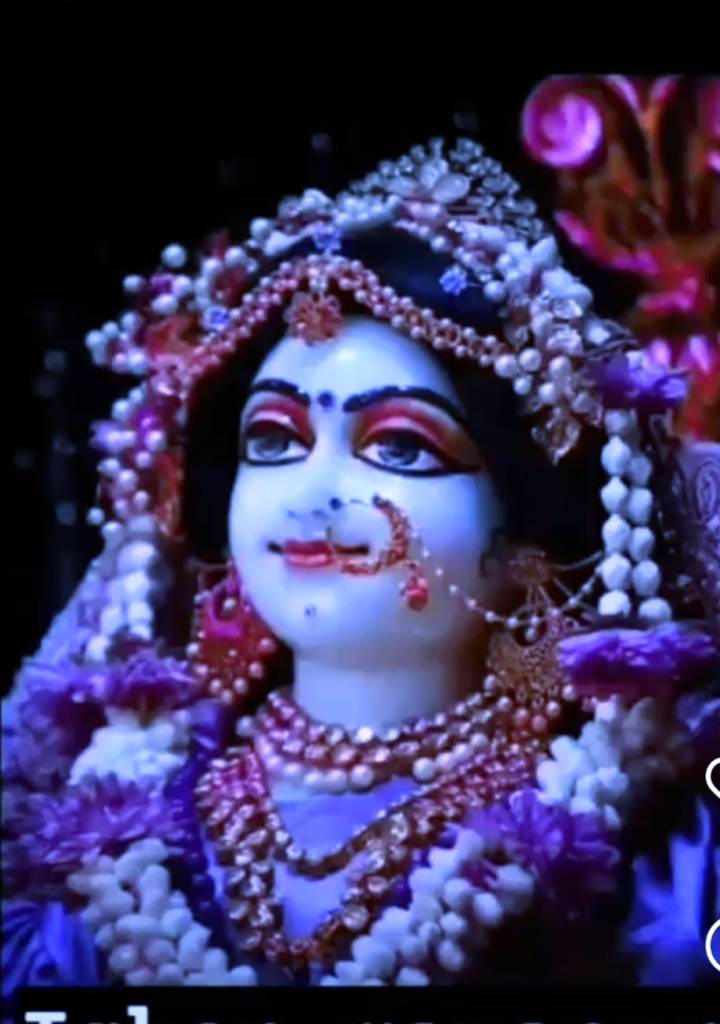
In the vast expanse of spiritual devotion and divine love, few figures hold a place as revered as Sri Radha. Her name embodies purity, devotion, and divine love, serving as a guiding light for women across the ages—from ancient times to the complexities of the modern world. On this auspicious day of Radhashtami, as we commemorate the birth of this beloved goddess, it is fitting to reflect on her life, her virtues, and the timeless teachings she imparts, especially to the women of today. Sri Radha’s life is a wellspring of inspiration, offering profound lessons in love, resilience, leadership, and self-empowerment that continue to resonate deeply in the 21st century.
Sri Radha’s life, as depicted in ancient scriptures, is intertwined with that of Lord Krishna, making her the embodiment of divine love. Born around 5,000 years ago in the village of Barsana near Vrindavan, Radha is venerated not just as Krishna’s consort but as the very soul that completes the divine essence of Krishna. Known by many names, including “Barsane Vari” (the one from Barsana) and “Keertikumari” (Daughter of Mother Keerti), Radha’s identity is multifaceted, encompassing the roles of a daughter, lover, friend, and spiritual leader. Her presence in the spiritual narrative of Hinduism is not merely that of a companion to Krishna but that of a divine force, representing the purest form of love—an ideal that holds immense relevance for contemporary women.

The relationship between Radha and Krishna transcends mere romanticism; it symbolizes the eternal bond between the individual soul (jiva) and the Supreme Soul (Paramatma). This divine love story, celebrated in scriptures and songs, is not just a tale of affection but a spiritual allegory that teaches the essence of unconditional love, dedication, and selflessness. For modern women, Radha’s love for Krishna is a powerful reminder of the strength that lies in unconditional love—a love that is not confined by expectations or material desires but is instead rooted in the joy of giving and the fulfilment of selfless devotion.
Radha’s devotion to Krishna is unwavering, even in the face of separation and societal pressures. Her love is not possessive; it is liberating, a love that frees rather than binds. In today’s world, where relationships are often strained by misunderstandings, ego, and materialism, Radha’s approach to love offers a fresh perspective. It teaches women to nurture relationships with a spirit of selflessness, patience, and loyalty, while also maintaining their own identity and self-respect. Radha’s love is not about losing oneself in the other; it is about finding strength in connection, resilience in devotion, and empowerment in love.

Beyond her role as a lover, Radha is also revered as a leader among the Gopis, the cowherd maidens of Vrindavan. She is the epitome of grace and dignity, a guiding light for those around her. Her leadership is not authoritative but inspirational; she leads by example, with compassion and understanding. In a world that often underestimates women’s leadership potential, Radha’s story serves as a reminder that true leadership lies in empathy, in the ability to connect with others, and in the strength to stand firm in one’s beliefs while uplifting those around us. Modern women, whether in professional settings, community initiatives, or familial roles, can draw inspiration from Radha’s leadership, embracing their innate power to guide, inspire, and create positive change.
Radha’s birth story itself is symbolic of the divine nature of her existence. According to legend, she was found on a radiant lotus in the Yamuna River by King Vrishabhanu. This miraculous birth signifies that women are often seen as bearers of light, hope, and purity within their families and communities. Just as Radha emerged from the waters of the Yamuna, modern women can rise above challenges, becoming beacons of strength and hope for those around them. Her story encourages women to embrace their own divine nature, recognizing the power they hold within to illuminate the world with love, compassion, and wisdom.
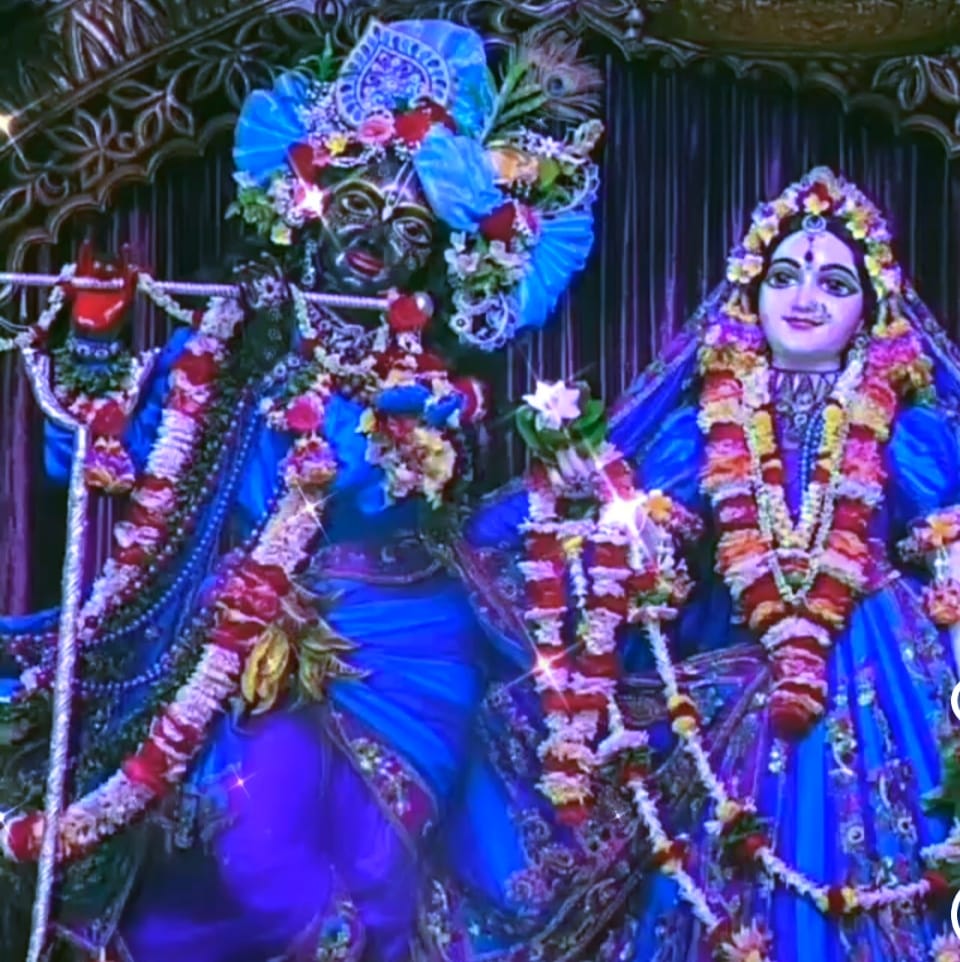
Radha’s playful spirit and joyous nature are also essential aspects of her character. Her divine pastimes (leelas) with Krishna, particularly the Rasa Lila, are celebrated as the ultimate expression of love and devotion. These pastimes are not just stories of divine play but lessons in the importance of joy and light-heartedness in life. In a world that can often feel overwhelming, Radha’s playful nature reminds women to find joy in the everyday, to embrace laughter and love, and to not lose sight of the beauty and wonder in life’s simple pleasures. Her example teaches that even in the midst of challenges, maintaining a sense of joy and a playful heart can be a powerful source of strength and resilience.
Compassion and empathy are at the core of Radha’s interactions with others. Her ability to deeply understand and connect with the Gopis, and indeed with everyone she encounters, speaks to her profound emotional intelligence. This quality is particularly relevant in today’s world, where the ability to connect, understand, and support others is crucial. Modern women, navigating complex social and professional landscapes, can learn from Radha’s empathy, using it to build strong, supportive relationships that foster growth, understanding, and mutual respect.
Radha’s relationship with Krishna also underscores the importance of self-love and self-respect. While her devotion to Krishna is absolute, it does not diminish her sense of self. In fact, her love for Krishna enhances her own identity, allowing her to flourish as a unique and powerful individual. For modern women, this balance between devotion and self-respect is crucial. Radha’s example teaches that loving someone deeply does not mean losing oneself in the process; instead, it means growing together, supporting each other’s strengths, and finding empowerment in connection. Self-love is not selfishness but a vital component of healthy, fulfilling relationships, and Radha’s life is a testament to this truth.
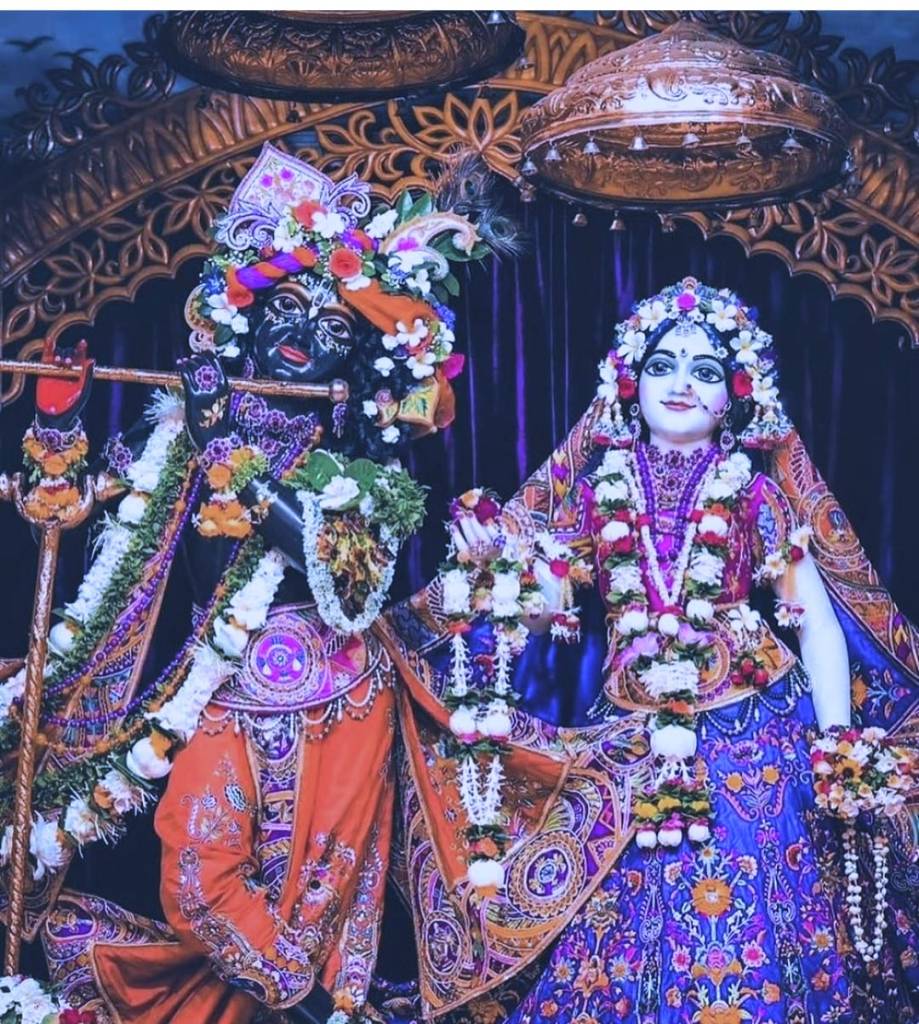
The concept of “Maan Lila,” where Radha playfully expresses her dissatisfaction with Krishna, is another aspect of her story that holds relevance for modern women. It shows that even in love, there can be moments of conflict and disagreement. However, these moments do not diminish the love between Radha and Krishna; instead, they add depth and richness to their relationship. Women today can take a cue from Radha’s Maan Lila, embracing their emotions, communicating their feelings honestly, and understanding that conflict, when handled with love and respect, can strengthen relationships rather than weaken them.
Radha’s divine pastimes, such as the Raslila, also highlight the beauty of community and connection. These gatherings, where the gopis come together to celebrate love and devotion, emphasize the importance of sisterhood and mutual support. In today’s fast-paced world, where women often face immense pressure and competition, Radha’s example encourages them to build strong networks of support, to celebrate each other’s successes, and to stand together in times of need. The sense of community and solidarity that Radha fosters among the Gopis is a powerful reminder of the strength that comes from unity, collaboration, and shared love.
Radha’s story is not just a historical or mythological narrative; it is a living example of divine love, strength, and wisdom that transcends time and culture. Her qualities—love, compassion, resilience, and joy—are not confined to the spiritual realm but are deeply relevant to the everyday lives of women today. Whether in the context of relationships, leadership, self-care, or community building, Radha’s life offers invaluable lessons that can guide modern women towards a life of fulfilment, purpose, and divine connection.

As we celebrate Radhashtami, it is essential to recognize that Sri Radha’s teachings are not just for the past; they are for the present and the future. Her life is a blueprint for how women can navigate the challenges of the modern world while staying true to their divine nature. By embodying the qualities of Radha—her love, compassion, joy, and resilience—women can find the strength to overcome obstacles, build meaningful connections, and lead lives that are rich with purpose and fulfilment.
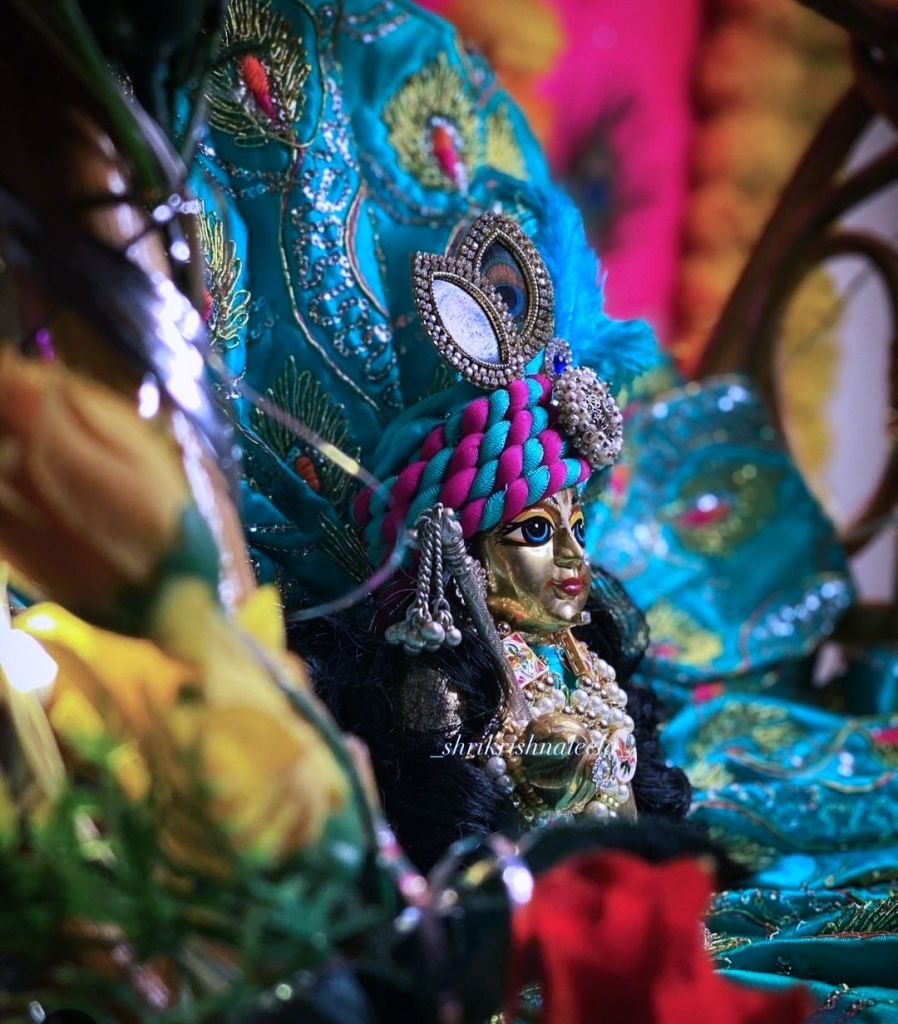
In conclusion, Sri Radha stands as a timeless symbol of divine love, strength, and wisdom, offering modern women a profound source of inspiration and guidance. Her life teaches us that true love is selfless, that true strength lies in compassion, and that true joy comes from embracing the divine within and around us. As we honour her on Radhashtami, let us strive to embody her virtues in our own lives, creating a world that reflects the beauty, power, and grace of Sri Radha’s teachings. In doing so, we can not only transform our own lives but also contribute to a more compassionate, loving, and harmonious world for all.
VISIT ARJASRIKANTH.IN FOR MORE INSIGHTS
 SOCIAL PERSPECTIVES