The Echoes of 9/11: How the US Sowed the Seeds of Perpetual Conflict
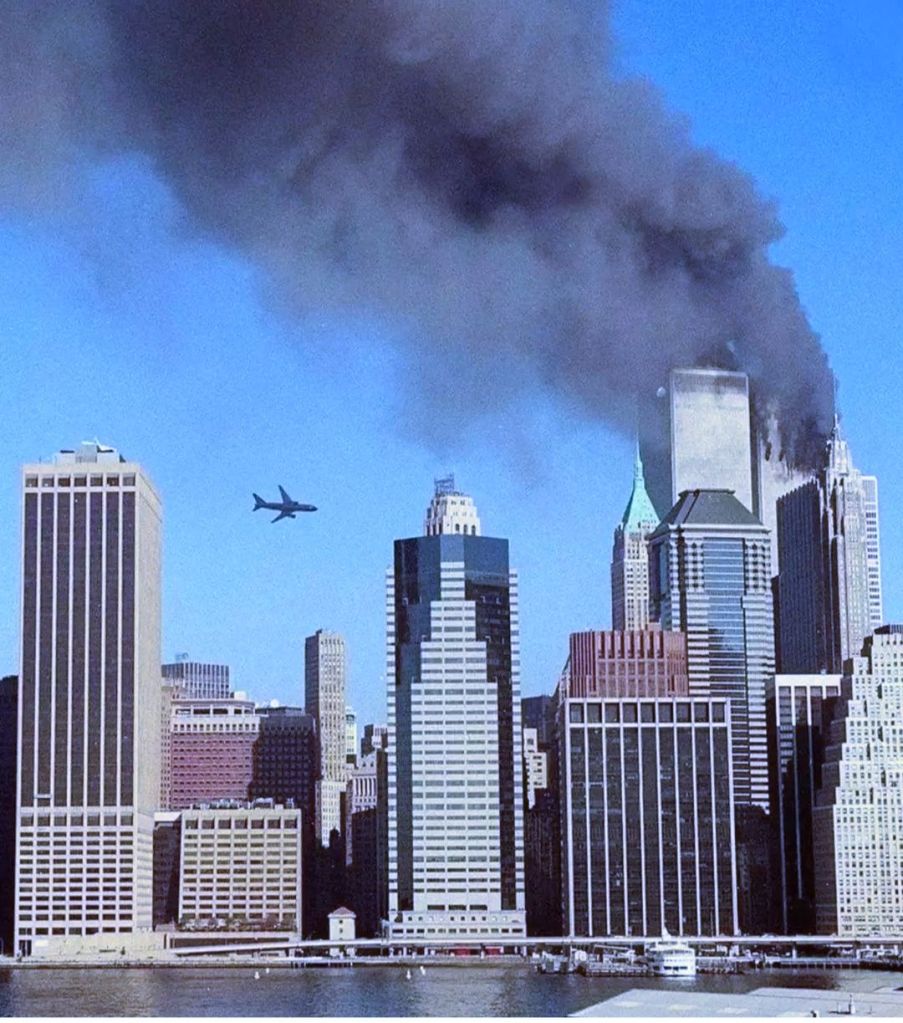
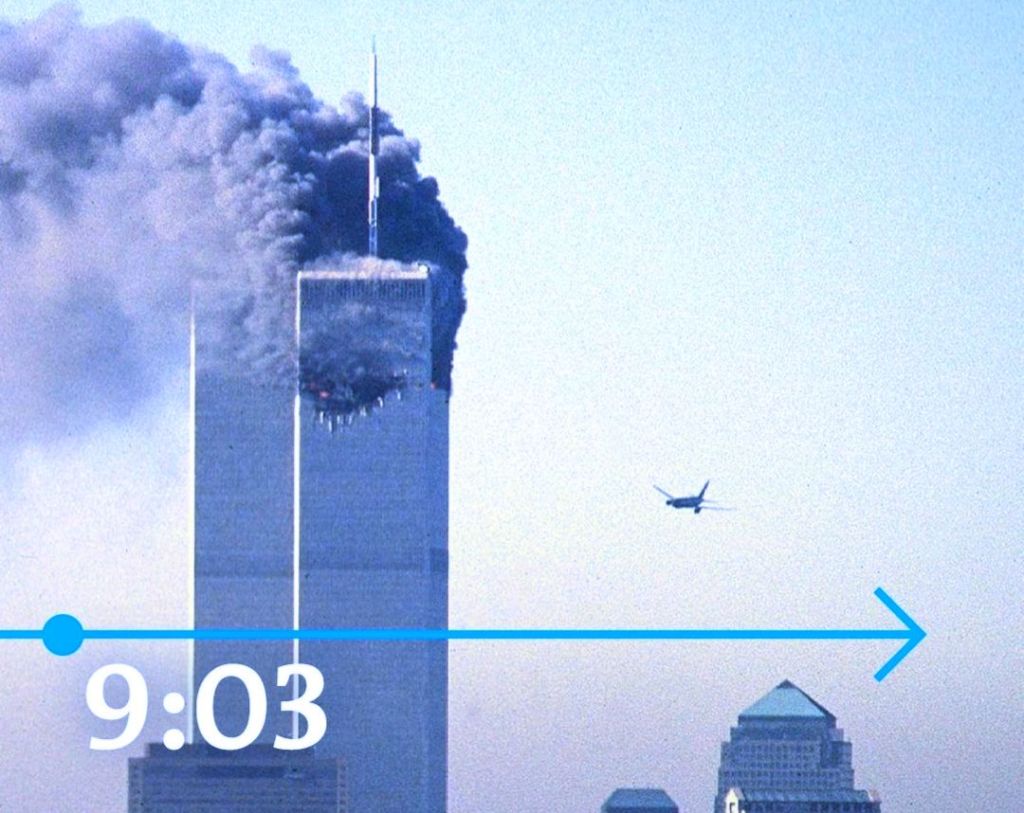
On September 11th, 2001, the world watched in horror as the Twin Towers of the World Trade Center in New York crumbled to the ground, the Pentagon was breached, and a fourth plane crashed in a Pennsylvania field. This devastating attack, carried out by the terrorist group al-Qaeda, marked a turning point in global history, ushering in an era of heightened security, geopolitical turmoil, and an ongoing struggle against extremism.
However, the reverberations of 9/11 extend far beyond the tragic events of that fateful day. In the two decades since, the United States has found itself embroiled in a seemingly endless war against terror, with its military interventions and foreign policies often serving as catalysts for further unrest and anti-American sentiment, particularly in the Muslim world.
The roots of this conflict can be traced back to the United States’ own actions and policies, which have frequently fueled the very extremism they seek to combat. From its support for authoritarian regimes in the Middle East to its unwavering backing of Israel’s occupation of Palestinian territories, the US has time and again found itself on the wrong side of history, sowing the seeds of resentment and resistance among the very populations it claims to be protecting.

The reactions to these US policies have often taken the form of guerrilla-style warfare, with common civilians caught in the crossfire. The rise of groups like al-Qaeda, ISIS, and their affiliates can be seen as a direct response to the perceived injustices and interventions perpetrated by the United States, with these organizations using the grievances of the Muslim world as a recruitment tool and a justification for their violent tactics.
As the world grapples with the ongoing threat of terrorism and the persistent instability in the Middle East, it is crucial to understand the complex web of factors that have contributed to this state of affairs. By examining the role of the United States in shaping the geopolitical landscape, we can begin to unravel the intricate tapestry of cause and effect that has led to the current state of affairs, and perhaps find a path towards a more lasting peace.
The United States’ involvement in the affairs of the Muslim world can be traced back to the Cold War era, when it sought to counter the influence of the Soviet Union by forging alliances with authoritarian regimes and supporting various rebel groups and militias. This strategy, while effective in the short term, would ultimately backfire, as many of these groups would later turn against their American benefactors and become the source of future conflicts.
One of the most notable examples of this is the US support for the mujahideen fighters in Afghanistan during the Soviet invasion of the 1980s. Recognizing the strategic importance of denying the Soviets control over the region, the US funneled billions of dollars and vast amounts of military aid to the mujahideen, helping them drive the Soviet forces out of Afghanistan. However, this victory would come at a price, as many of these mujahideen fighters would later form the core of the Taliban and al-Qaeda, the very organizations that would orchestrate the 9/11 attacks and wage a prolonged insurgency against the United States.
Similarly, the United States’ unwavering support for the state of Israel has been a major source of resentment and conflict in the Muslim world. The US’s continued backing of Israel’s occupation of Palestinian territories, the expansion of Israeli settlements, and the disproportionate use of force against the Palestinian people have all contributed to a deep sense of injustice and anger among Muslims globally.
This sentiment has been further exacerbated by the US’s failure to act as an impartial mediator in the Israeli-Palestinian conflict, often siding with Israel and dismissing the legitimate grievances of the Palestinian people. This has fueled the perception that the United States is not only complicit in the ongoing oppression of Palestinians but is actively working to perpetuate it.
The impact of these policies has been far-reaching, with the Muslim world often viewing the United States as a hostile and oppressive force that is unwilling to acknowledge or address the concerns of its people. This has led to a deepening of divisions and the rise of anti-American sentiment, which has in turn provided fertile ground for the recruitment and radicalization of individuals and groups willing to resort to violent means to express their discontent.
The response to the United States’ interventions and policies in the Muslim world has often taken the form of guerrilla-style warfare, where common civilians are caught in the crossfire. These asymmetric tactics, employed by groups like al-Qaeda, ISIS, and their affiliates, have proven to be a formidable challenge for the US and its allies, as they rely on the element of surprise, mobility, and the exploitation of local grievances to wage their campaigns of terror.

One of the key characteristics of this type of warfare is the decentralized and adaptable nature of the threat. Rather than relying on a traditional military hierarchy, these groups have adopted a more diffuse and networked approach, with cells and affiliates operating autonomously and often targeting soft civilian targets in unexpected ways. This makes them incredibly difficult to track, predict, and defeat using conventional military tactics.
Furthermore, the use of common civilians as both targets and human shields has become a hallmark of these guerrilla-style attacks. By embedding themselves within local populations and exploiting the fear and resentment towards the United States and its allies, these groups have been able to carry out devastating strikes while shielding themselves from retaliation.
The impact of this strategy has been twofold: it has inflicted significant casualties on civilian populations, further fueling the cycle of violence and retribution, and it has also made it increasingly challenging for the US and its allies to effectively respond to these threats without causing unintended harm and collateral damage.
As the world grapples with the ongoing threat of terrorism and the persistent instability in the Middle East, it is clear that the legacy of 9/11 and the subsequent US interventions and policies have had a profound and lasting impact. The resentment and grievances that have been cultivated over decades have created a fertile ground for extremism, and the asymmetric tactics employed by groups like al-Qaeda and ISIS have proven to be a formidable challenge for traditional military and security approaches.
Moving forward, it is essential that the United States and the international community take a more holistic and nuanced approach to addressing the root causes of this conflict. This will require a fundamental shift in foreign policy, one that prioritizes diplomacy, conflict resolution, and the acknowledgment of the legitimate grievances of the Muslim world, rather than relying solely on military force and heavy-handed interventions.
It will also necessitate a greater understanding of the complex social, political, and economic factors that have contributed to the rise of extremism, and a willingness to address these issues through constructive engagement with local communities and civil society organizations. This may involve initiatives aimed at promoting economic development, improving access to education and healthcare, and fostering greater cultural exchange and understanding between the West and the Muslim world.
Ultimately, the path to lasting peace will require a concerted and sustained effort on the part of the international community, one that recognizes the interconnected nature of global security and the need for a collaborative, multilateral approach. By acknowledging the role that the United States and other Western powers have played in shaping the current landscape, and by committing to a more just and equitable approach to global affairs, the world may finally be able to break the cycle of violence and work towards a more stable and prosperous future.

The echoes of 9/11 continue to reverberate two decades later, a sobering reminder of the lasting consequences of the United States’ foreign policy decisions and interventions in the Muslim world, with the US repeatedly finding itself on the wrong side of history by supporting authoritarian regimes and the occupation of Palestinian territories, sowing resentment and fueling the rise of groups like al-Qaeda and ISIS, whose guerrilla-style warfare has ensnared civilians. To break this cycle of violence, the international community must adopt a more holistic approach that prioritizes diplomacy, conflict resolution, and addressing the legitimate grievances of the Muslim world, built on the principles of justice, mutual understanding, and a genuine commitment to global peace.
VISIT ARJASRIKANTH.IN FOR MORE INSIGHTS
 SOCIAL PERSPECTIVES