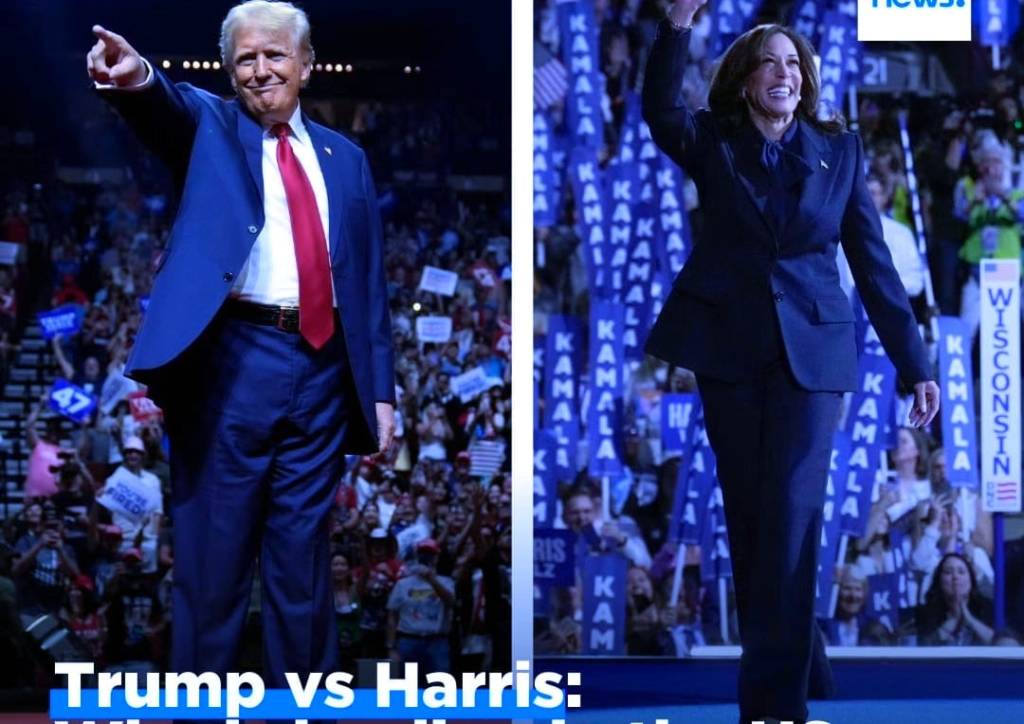
As the 2024 presidential election heats up, the race between Vice President Kamala Harris and former President Donald Trump showcases two dramatically different approaches to governance and voter appeal. The central battlefield of this contest is not just political ideology but a series of strategic promises—primarily “freebies” designed to capture voter support. This article delves into the key proposals from both candidates, exploring their economic and social promises and how they could shape the upcoming election.
Donald Trump, aiming for a second term, has reinvigorated his “Make America Great Again” mantra with a focus on economic revival. His strategy is heavily reliant on extending and amplifying the tax cuts that characterized his first term. Trump asserts that these cuts will foster economic growth, boost job creation, and enhance wages. For Trump, freebies manifest as economic incentives: continued tax breaks for individuals and corporations are meant to stimulate spending and investment, portraying him as a guardian of economic prosperity.
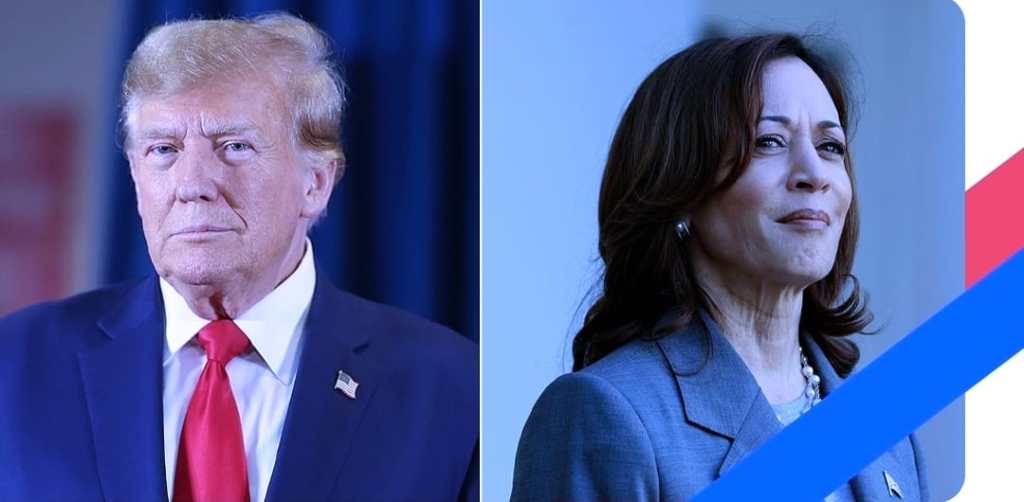
In response to the economic strain caused by the COVID-19 pandemic, Trump has also promised to reintroduce direct payments to Americans. This initiative echoes the stimulus checks from his previous administration, aiming to offer immediate relief to financially distressed families. Trump’s campaign further emphasizes support for small businesses through grants and low-interest loans, positioning himself as a champion of American entrepreneurship and economic recovery.
Trump’s healthcare promises also include tackling high prescription drug prices. He advocates for direct negotiations with pharmaceutical companies and increased transparency in drug pricing. This proposal targets voters burdened by exorbitant healthcare costs, especially older individuals and those with chronic conditions, aiming to provide tangible relief and enhance healthcare affordability.
On the progressive side, Kamala Harris presents a vision rooted in social equity and systemic reform. Her flagship proposal is the introduction of Universal Basic Income (UBI), designed to offer a monthly stipend to every American. Harris’s ambitious plan seeks to address income inequality and provide a safety net for individuals struggling financially, aiming to create a more equitable economic landscape.
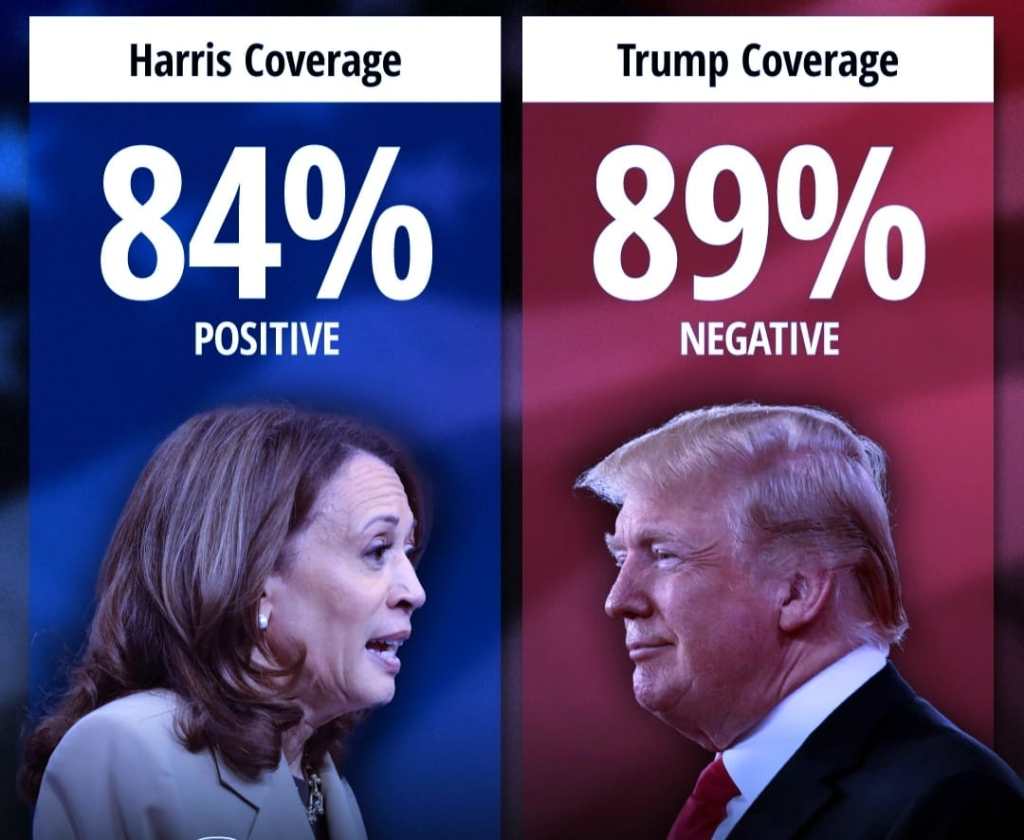
Harris also pledges substantial student loan forgiveness, aiming to alleviate the significant debt crisis affecting millions of Americans. By reducing the financial burden of higher education, she seeks to appeal particularly to younger voters who face the challenges of student debt. This proposal aligns with her broader agenda of making education more accessible and affordable for all.
In healthcare, Harris proposes expanding access through a public option, building on the framework of the Affordable Care Act. She argues that healthcare is a fundamental right and promises to lower costs while expanding coverage. This initiative is central to her campaign, appealing to voters who prioritize comprehensive healthcare reform and seek solutions to rising medical costs.
Climate change is another focal point of Harris’s platform. She plans to invest heavily in clean energy and create jobs in the renewable energy sector. By focusing on sustainability and environmental responsibility, Harris aims to attract voters concerned about climate change and the future of the planet, emphasizing the importance of green jobs and clean energy initiatives.
Comparing the freebies from Trump and Harris reveals a stark contrast in their approaches. Trump’s promises are primarily geared towards immediate economic growth and relief through tax incentives and financial support. His focus on business aid and drug price reductions aligns with a conservative economic agenda, aiming for quick fixes to current economic issues.
In contrast, Harris’s proposals reflect a commitment to long-term systemic change and social equity. Her UBI and student loan forgiveness plans are designed to tackle deep-rooted issues of economic insecurity and provide a comprehensive safety net. Her healthcare and climate change strategies highlight her progressive vision, targeting significant social and environmental challenges.
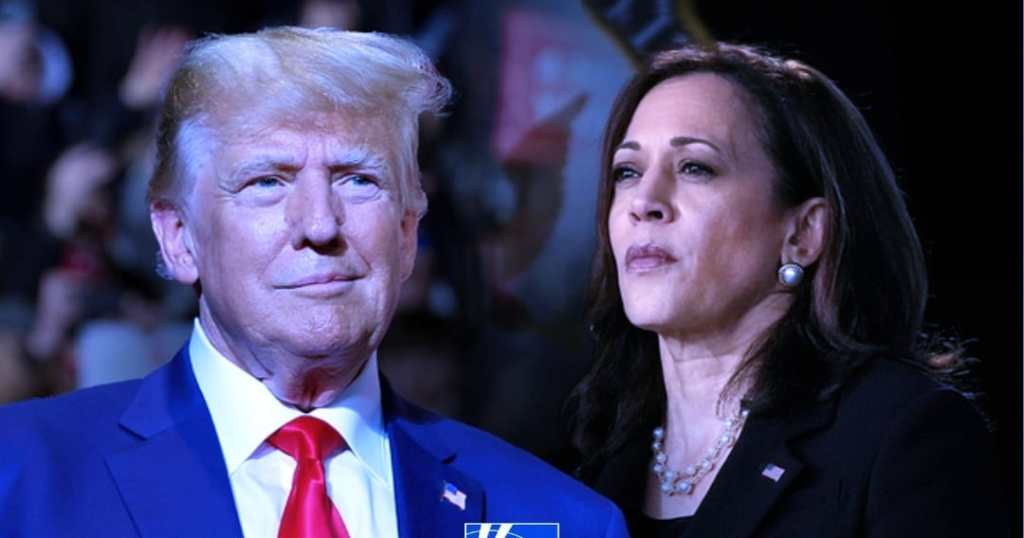
The implications of these promises are substantial. Trump’s economic incentives might drive short-term growth and provide immediate relief, but critics argue they may not address underlying issues of inequality and long-term stability. Harris’s focus on UBI and healthcare reform offers a broader approach, aiming for systemic change and long-term solutions to societal challenges.
As the election approaches, the impact of these promises will be a critical factor. Voters will need to weigh the immediate benefits of Trump’s proposals against the broader, more systemic goals of Harris’s plans. The election outcome will reflect the nation’s priorities and the direction Americans wish to take in addressing their most pressing issues.
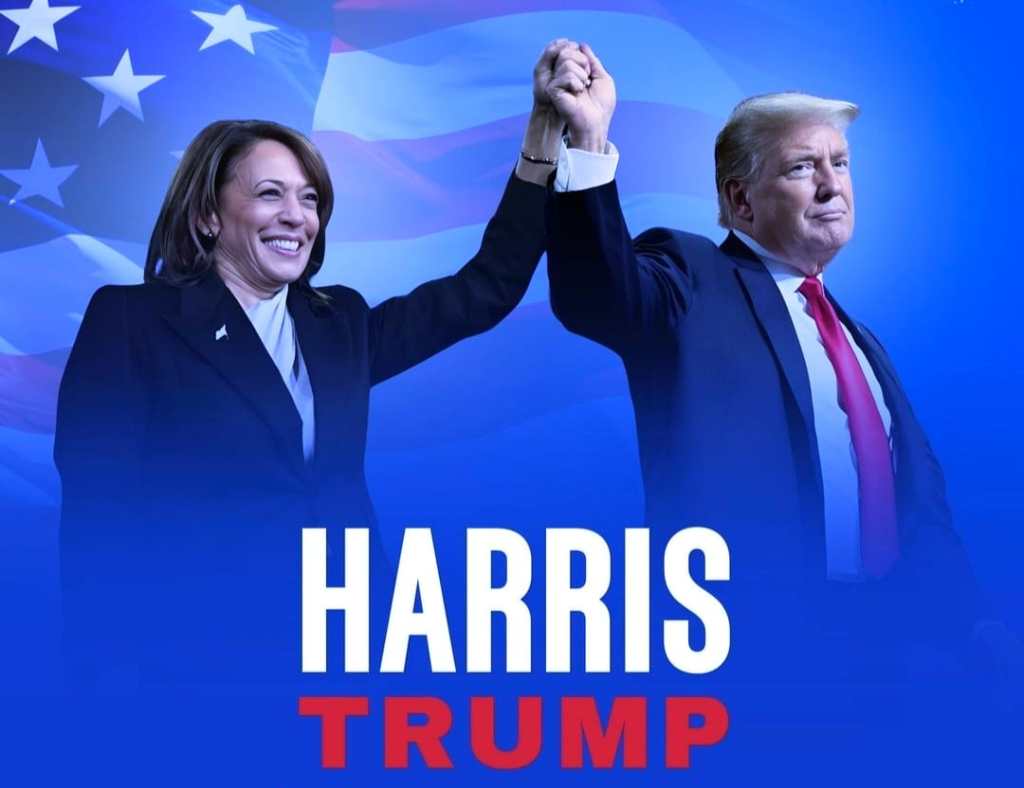
The 2024 presidential election is a defining moment for the United States, with Kamala Harris and Donald Trump offering starkly different visions for the nation’s future. Trump’s promises include tax cuts, direct payments, and support for businesses, aiming for immediate economic growth and financial relief. On the other hand, Harris’s progressive agenda emphasizes long-term solutions such as Universal Basic Income, student loan forgiveness, and expanded healthcare access, reflecting her commitment to social equity and systemic reform. These contrasting approaches highlight the broader debate on the nation’s direction, with Trump appealing to those who prioritize traditional values and short-term economic benefits, while Harris offers a transformative vision focused on long-term societal change. As voters consider their choices, the promises of both candidates will play a critical role in shaping the future policies and addressing fundamental issues within American society. This election, therefore, is not just about leadership but also about the values and priorities that will guide the country in the years to come.
VISIT ARJASRIKANTH.IN FOR MORE INSIGHTS
 SOCIAL PERSPECTIVES