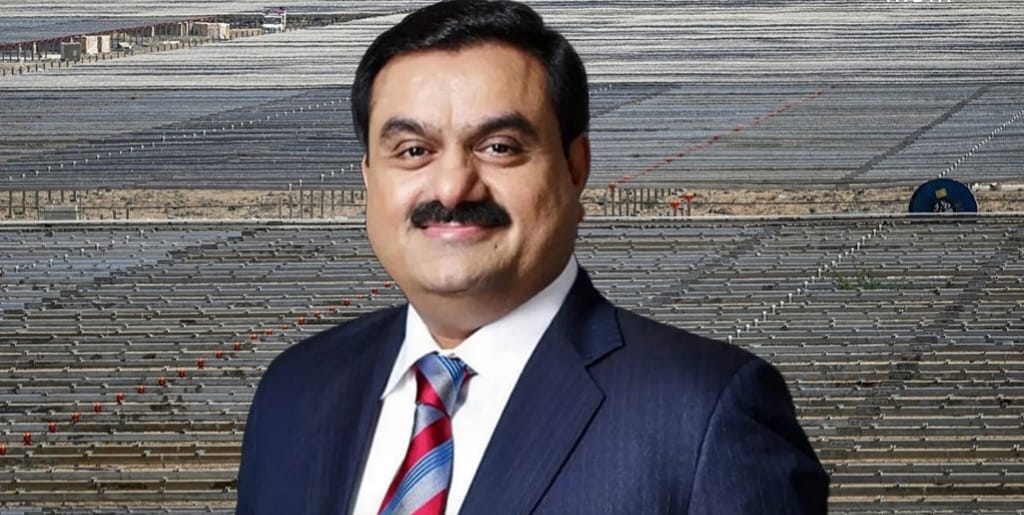
Gautam Adani’s ascent from a rejected college applicant to a global business magnate is a narrative of epic proportions, a saga of resilience and transformative vision. The story begins in the late 1970s, a period marked by youthful dreams and aspirations. At just 16, Gautam Adani, fuelled by his ambitions and inspired by his elder brother, applied to Jai Hind College in Mumbai. His goal was to pursue higher education in the vibrant city of Mumbai, a city that represented a realm of opportunities and success. However, his dreams faced a significant setback when the college denied him admission. This rejection, though initially devastating, became the unlikely catalyst for one of the most remarkable entrepreneurial journeys of the modern era.

Instead of succumbing to the disappointment, Adani embraced the challenge head-on. Rather than following a traditional path, he ventured into the unstructured and risk-laden world of business. His first significant foray was into the diamond trade in Mumbai, a decision that proved to be fortuitous. Sorting diamonds in Mumbai was more than a mere job; it was an immersive experience in business strategy and risk management. The bustling metropolis provided Adani with invaluable lessons, shaping his approach to business and laying the groundwork for future successes.

Adani’s experience in Mumbai was not just about learning the ropes of business but about redefining his trajectory. In his Teacher’s Day lecture delivered at Jai Hind College, the very institution that once turned him away, Adani shared a crucial insight from those formative days: “An entrepreneur must learn to act quickly. Mumbai taught me that to think big, you must first dare to dream beyond your boundaries.” This philosophy became the cornerstone of his career, guiding him through the unpredictable waters of entrepreneurship and paving the way for his subsequent achievements.
With his newfound skills and insights, Adani returned to Gujarat to support his brother’s packaging factory. This period marked a significant transition in his career. By 1981, at the age of 23, he launched his own trading firm. Specializing in the import of polymers, Adani catered to India’s small-scale industries, which were struggling with material shortages. His venture quickly gained momentum, showcasing Adani’s remarkable ability to identify and seize market opportunities. The early 1980s proved transformative for him, laying a solid foundation for future ambitions.
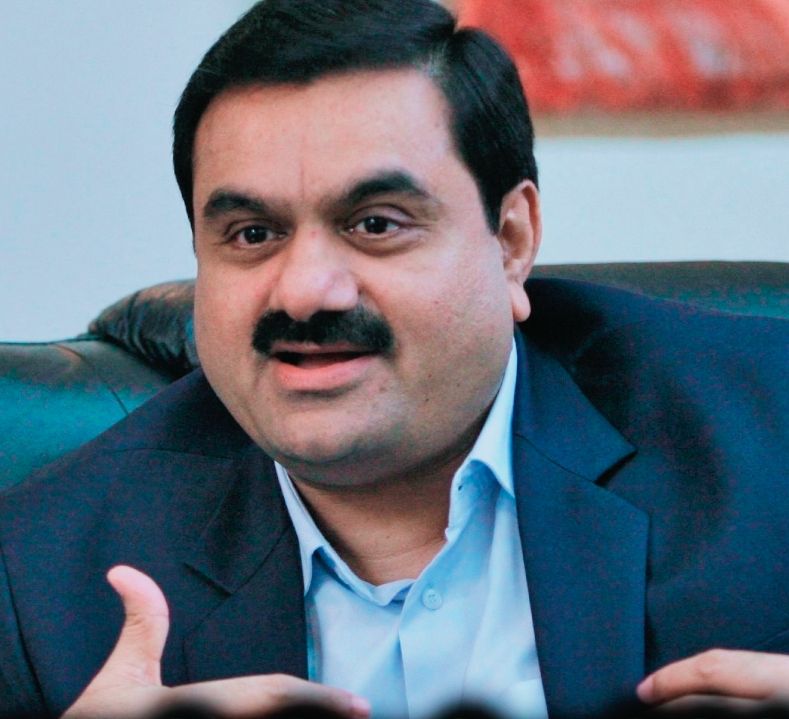
The opening of India’s markets to global trade in 1991 presented Adani with a golden opportunity. He expanded his trading house to include metals, textiles, and agricultural commodities, establishing a robust presence in international markets. By the age of 29, his company had become the largest of its kind in India, a testament to his visionary approach and strategic foresight.
The mid-1990s marked a pivotal moment in Adani’s career. He was approached by global commodities giant Cargill for a potential partnership to manufacture and source salt from the Kutch region of Gujarat. Although the partnership did not materialize, Adani was left with 40,000 acres of barren land and approval to build a small jetty for salt export. While many might have seen this as a failed opportunity, Adani viewed it as a blank canvas brimming with potential.
Adani’s vision for the land was audacious. He set out to transform Mundra into India’s largest port. His foresight and determination led him to invest heavily in the area, and today, Mundra is a thriving industrial hub. It boasts India’s largest container terminals, the largest industrial Special Economic Zone, and a range of other significant infrastructure projects. The success of Mundra is staggering, yet Adani remains focused on the future, seeing it as only a fraction of what it will eventually become.
Building on the success of Mundra, Adani diversified his interests across various sectors. The Adani Group now operates 13 seaports across India, making it the largest private player in the Indian port sector. However, Adani’s ambitions extended beyond ports. He ventured into aviation, becoming the largest operator of private airports in India. His investment strategy has consistently cantered on long-term growth and sectors critical to India’s development.
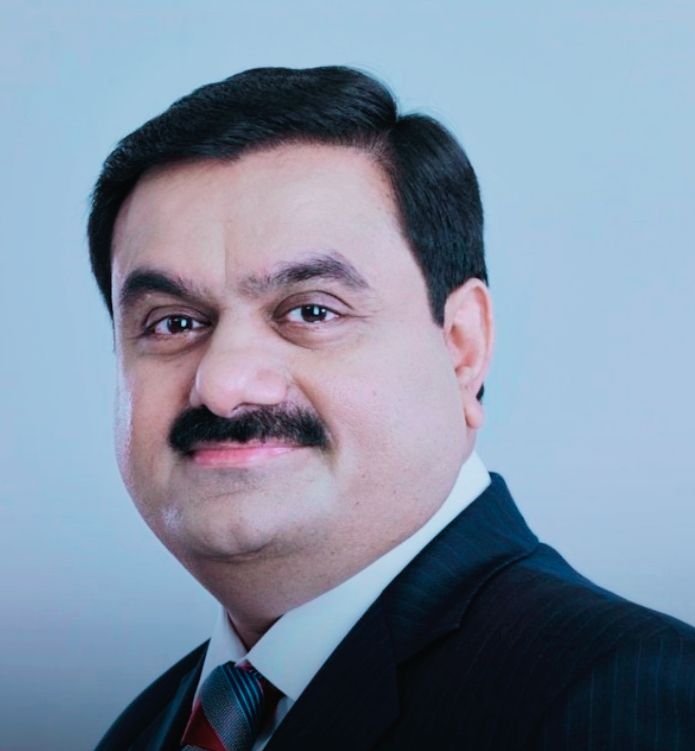
A key pillar of Adani’s empire is his commitment to renewable energy. As the global community shifts towards clean energy, Adani has positioned his group as a leader in this field. The Adani Group is in the process of constructing the world’s largest renewable energy park in Kutch. This ambitious project highlights Adani’s ability to transform challenges into opportunities and his leadership in the green energy sector. His focus on sustainable development underscores his forward-thinking approach and dedication to addressing global environmental challenges.
The journey to building a $220 billion empire was fraught with challenges. Adani faced financial hurdles, market volatility, and a range of other obstacles. Yet, his resilience and adaptability have been pivotal to his success. He frequently reflects on the nature of success, emphasizing that it is not defined by accolades but by the ability to overcome adversity. In his lecture at Jai Hind College, he remarked, “It is not the victories that define us. It is the mindset to take on and overcome challenges that have shaped the Adani Group’s journey.”
Adani’s story exemplifies the power of unconventional paths. His decision to forgo formal education in favour of a business career was bold, yet it proved to be the right choice. His willingness to take risks and think outside the box has driven his success. The lecture he delivered at Jai Hind College was not merely a recounting of his personal journey but also a broader message for aspiring entrepreneurs. His rise from a rejected college applicant to a global business magnate serves as an inspiring narrative of courage, vision, and the relentless pursuit of dreams.
The invitation to speak at Jai Hind College, the very institution that once turned him away, was a moment of poetic justice. Adani’s return to the college symbolized his journey from rejection to revolution. He acknowledged that while the rejection had initially seemed like a setback, it ultimately set him on a path to achieve far greater things.
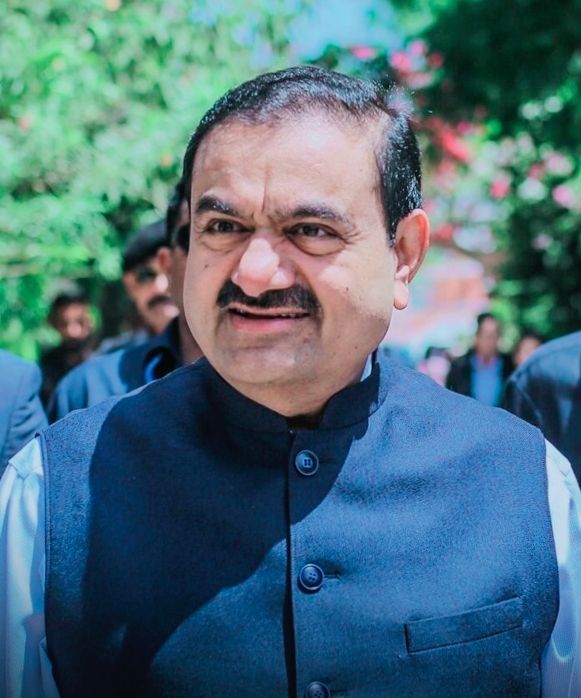
“In hindsight, being rejected from Jai Hind College was a blessing in disguise,” Adani reflected. “It set me on a different path, one that allowed me to take control of my destiny.” This sentiment resonates with many who feel constrained by traditional paths and societal expectations. Adani’s story serves as a powerful reminder that setbacks can often lead to extraordinary successes.
Today, Gautam Adani is not just a businessman; he embodies the entrepreneurial spirit of modern India. His impact extends beyond his companies and revenues. He has played a crucial role in reshaping infrastructure, improving connectivity, and driving India’s growth narrative. As he continues to push boundaries and tackle new challenges, his legacy will undoubtedly inspire future generations of entrepreneurs.
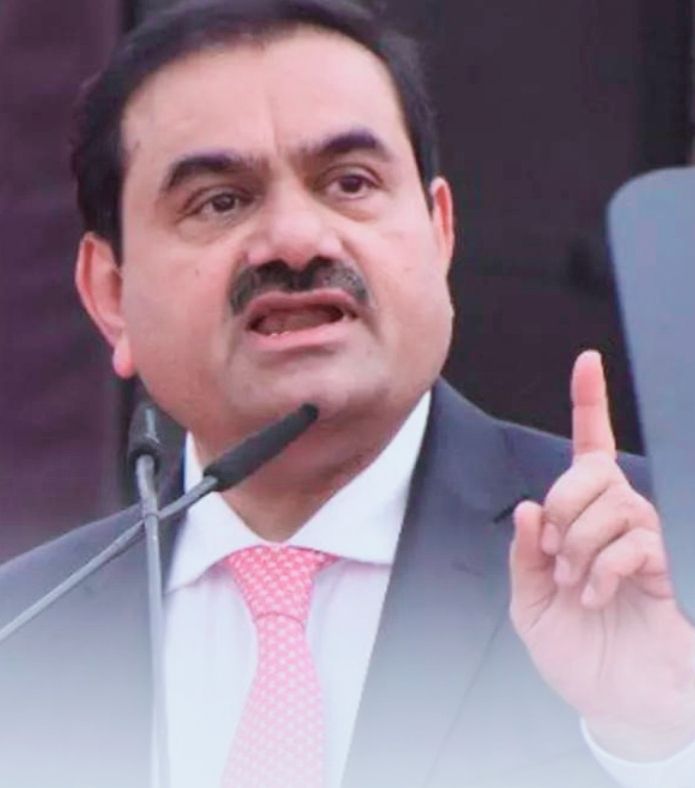
Adani’s rise from a rejected college applicant to a global business leader is a remarkable tale of perseverance and innovation. It underscores the notion that success often comes from defying conventional paths and embracing the unknown. In his own words, “To think big, you must first dare to dream beyond your boundaries.” Gautam Adani’s journey illustrates the transformative power of daring to dream and the extraordinary possibilities that await those who venture beyond the ordinary.

In the grand tapestry of business history, Gautam Adani’s story transcends the mere creation of a $220 billion empire. It is a powerful testament to the resilience of the human spirit, the clarity of vision, and the audacity to transform setbacks into stepping stones. His journey from a rejected college applicant to a global business magnate epitomizes how life’s rejections can often serve as the prelude to extraordinary success, showcasing the boundless potential that lies in daring to dream big and forging one’s own path.
VISIT ARJASRIKANTH.IN FOR MORE INSIGHTS
 SOCIAL PERSPECTIVES