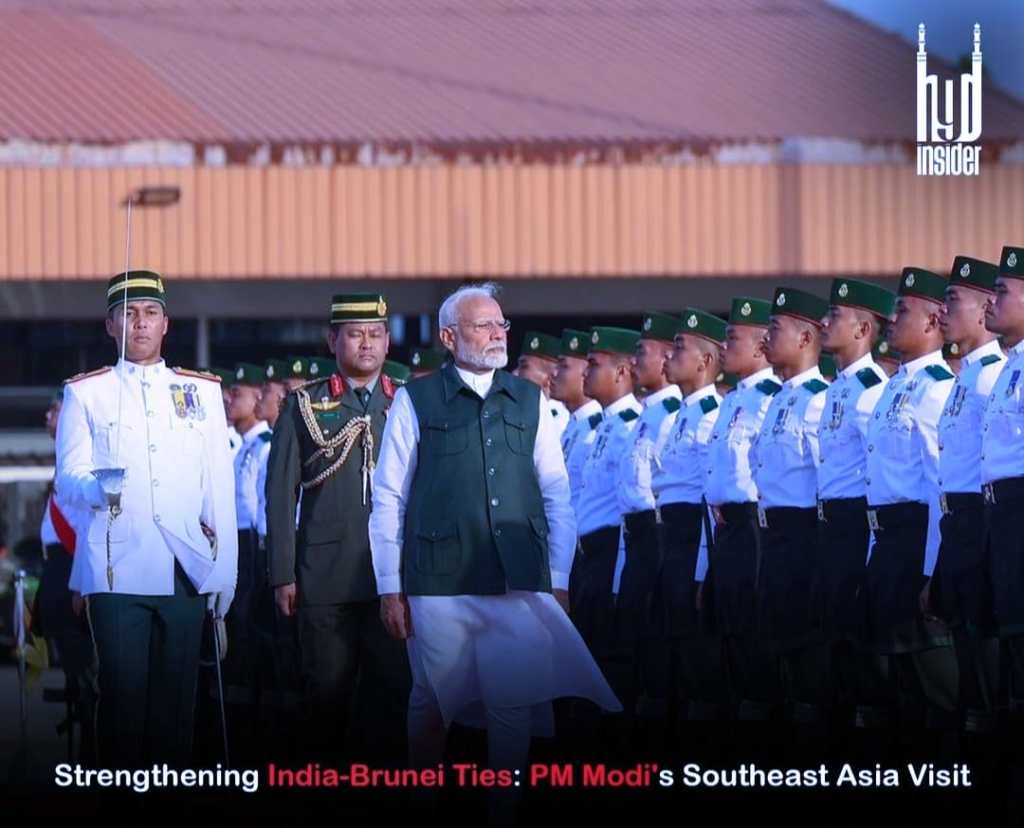
This week marked a defining moment in India’s diplomatic history as Prime Minister Narendra Modi embarked on a trailblazing official visit to Brunei, followed by a trip to Singapore. These visits underscored India’s growing engagement with Southeast Asia under its “Act East” policy, a vital element of the nation’s foreign strategy designed to strengthen political, economic, and strategic cooperation across the Asia-Pacific region. Modi’s visit to Brunei was especially historic, as it was the first time an Indian Prime Minister had visited the country. The timing couldn’t have been more symbolic, coinciding with the 40th anniversary of diplomatic relations between the two nations.
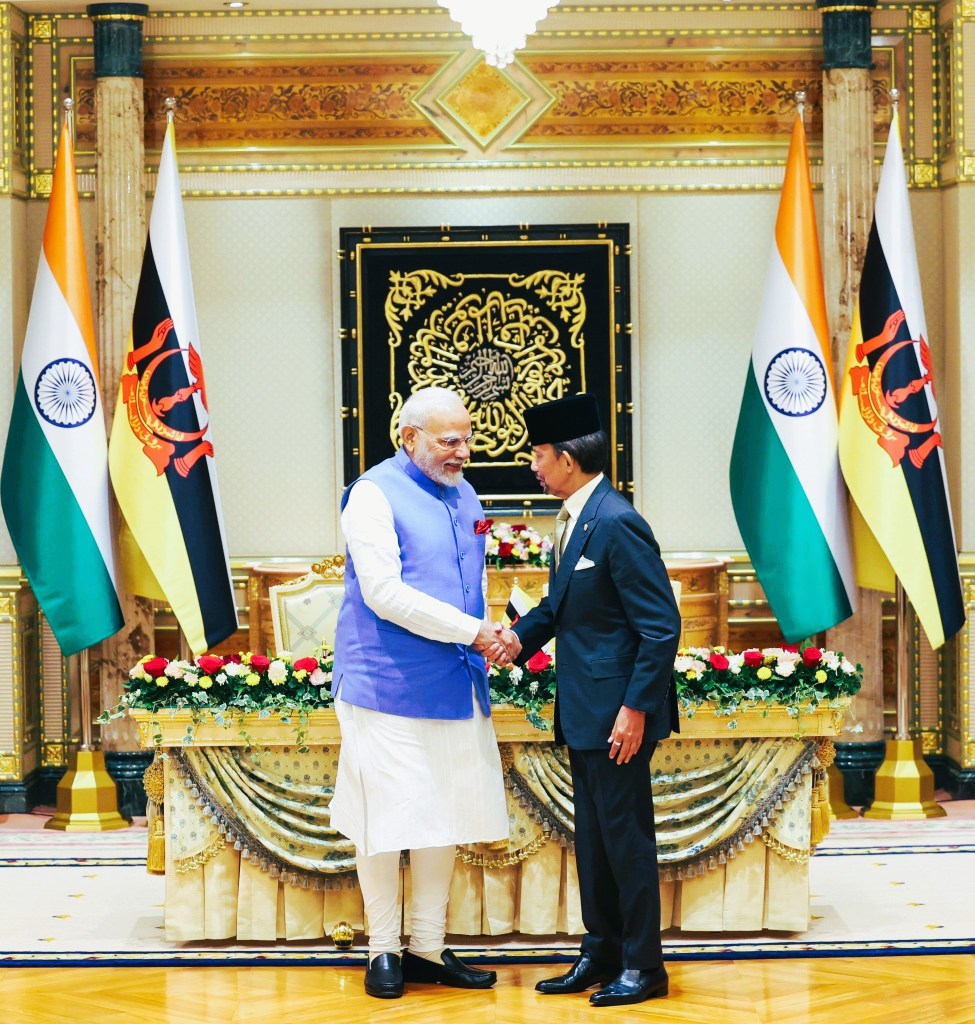
Upon arriving in Brunei, Prime Minister Modi was greeted with great warmth and hospitality by Sultan Haji Hassanal Bolkiah, setting the tone for a dialogue that emphasized cooperation in key areas such as trade, energy, and security. One of the primary topics of discussion was liquefied natural gas (LNG) procurement, an area where both countries stand to benefit immensely. Brunei’s abundant natural gas reserves align perfectly with India’s long-term energy security goals. India’s growing demand for energy, coupled with its intent to diversify energy sources, makes Brunei a crucial partner. This partnership promises not only to strengthen India’s energy security but also to bolster Brunei’s standing as a reliable energy supplier in the region.
The discussions between Modi and Sultan Bolkiah also covered emerging areas of cooperation, particularly in healthcare and technology. Brunei, like many countries in Southeast Asia, is keen to enhance its Healthcare infrastructure, while India’s advancements in healthcare technology and pharmaceuticals make it an ideal partner. Similarly, cooperation in technology sectors such as digital infrastructure and cybersecurity was highlighted, with both nations recognizing the importance of adapting to an increasingly digital and interconnected world.
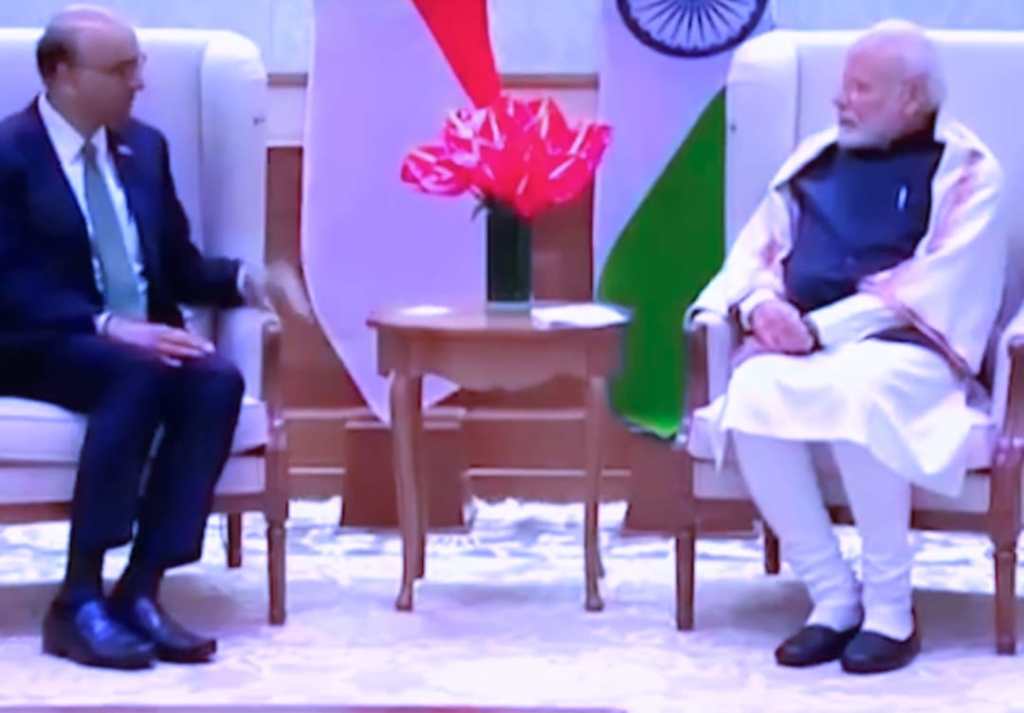
Following his successful visit to Brunei, Prime Minister Modi turned his attention to Singapore—a country that has long been considered a gateway to Southeast Asia for India. Singapore is India’s largest trading partner in ASEAN and a major source of foreign direct investment. Modi’s visit was timely, taking place during the early months of Prime Minister Lawrence Wong’s leadership, and it served as an opportunity to reaffirm the strong strategic and economic ties between the two nations.
Singapore’s significance in India’s geopolitical strategy cannot be overstated. As a major financial hub in the Asia-Pacific region, Singapore plays a critical role in India’s efforts to attract foreign investment and deepen economic ties with Southeast Asia. Modi’s visit included discussions on bilateral relations, trade, and regional security, with a particular focus on the South China Sea. Both India and Singapore are keenly aware of the geopolitical tensions in the South China Sea, a region where China’s increasing assertiveness has raised concerns about maritime security and freedom of navigation.
The South China Sea, one of the world’s most vital maritime routes, has become a flashpoint in regional geopolitics. India and Singapore have a vested interest in maintaining peace and stability in the region, as well as ensuring that the principles of international law, particularly the United Nations Convention on the Law of the Sea (UNCLOS), are respected. Modi and Wong’s discussions reinforced their shared commitment to resolving disputes through dialogue and maintaining a rules-based order in the Indo-Pacific.
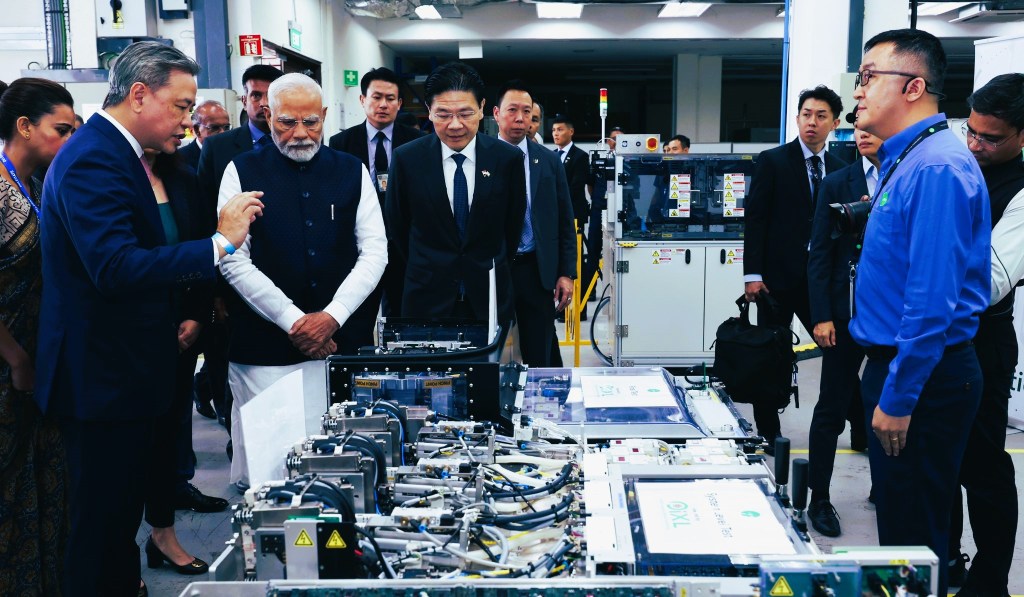
One of the most significant outcomes of Modi’s visit to Singapore was the signing of a Memorandum of Understanding (MoU) to enhance cooperation in the semiconductor sector. As the world increasingly relies on digital infrastructure and technology, semiconductors have emerged as a critical driver of economic growth and innovation. Singapore, with its established semiconductor industry, presents a valuable partner for India, which is working to bolster its own semiconductor ecosystem. This partnership promises to enhance supply chain resilience, promote technological innovation, and reduce both nations’ dependence on external sources.
Beyond economic partnerships, Prime Minister Modi’s visits also aimed to strengthen cultural and people-to-people ties between India and these two Southeast Asian nations. Both Brunei and Singapore are home to vibrant Indian diasporas, and Modi’s outreach to these communities during his visit emphasized the importance of mutual cultural understanding. Cultural exchanges, educational partnerships, and tourism initiatives were all part of the discussions, reflecting a comprehensive approach to diplomacy that goes beyond mere economic cooperation.

In his interactions with Brunei and Singapore, Prime Minister Modi highlighted India’s broader foreign policy goals, particularly its vision for the Indo-Pacific region. The visits are a testament to India’s commitment to strengthening its presence in Southeast Asia and addressing regional challenges through multilateral cooperation. This is particularly significant given the growing tensions and security concerns in the Indo-Pacific, a region that has become a focal point of global geopolitical attention.
India’s “Act East” policy, launched in 2014, represents a strategic shift from the earlier “Look East” policy, which focused primarily on economic engagement with Southeast Asia. The “Act East” policy broadens the scope to include political, strategic, and cultural cooperation, as well as economic collaboration. Prime Minister Modi’s visits to Brunei and Singapore epitomize the implementation of this policy, as they seek to deepen ties with key ASEAN nations while addressing regional security concerns.
In recent years, India has recognized the need to enhance its connectivity with Southeast Asia. Initiatives like the India-Myanmar-Thailand Trilateral Highway and the Kaladan Multi-Modal Transit Transport Project are part of a broader strategy to boost trade and economic ties with Southeast Asia by improving physical connectivity between India’s North-eastern states and ASEAN markets. These infrastructure projects will not only facilitate trade but also promote regional integration and economic growth.
At the heart of the “Act East” policy is ASEAN, which serves as the central pillar of India’s engagement with Southeast Asia. Modi’s visits to Brunei and Singapore highlight India’s ongoing commitment to ASEAN and its role in fostering regional cooperation. By strengthening ties with ASEAN member states, India aims to position itself as a key player in shaping the future of the Indo-Pacific region.
As part of its “Act East” policy, India has also focused on enhancing defense cooperation with Southeast Asian nations. Singapore, in particular, has been a long-standing defense partner of India. The two nations conduct regular military exercises, and Singapore’s strategic location in the Indo-Pacific region makes it a vital ally in India’s efforts to maintain regional security. Modi’s visit reaffirmed the importance of defense cooperation, with both countries expressing a desire to enhance collaboration in maritime security and defense technology.
Similarly, Brunei’s location in the South China Sea gives it strategic significance in India’s efforts to maintain a stable and secure maritime environment in the region. Defense cooperation with Brunei is relatively nascent but holds the potential for growth as both nations explore opportunities for collaboration in areas such as maritime security, counterterrorism, and defense technology.
Looking to the future, the outcomes of Prime Minister Modi’s visits to Brunei and Singapore are likely to have far-reaching implications for India’s foreign policy. The partnerships forged during these visits, particularly in energy, technology, and defense, promise to strengthen India’s position in the region and contribute to long-term regional stability. These visits are also a testament to India’s growing influence in the Asia-Pacific and its commitment to playing a proactive role in shaping the region’s future.
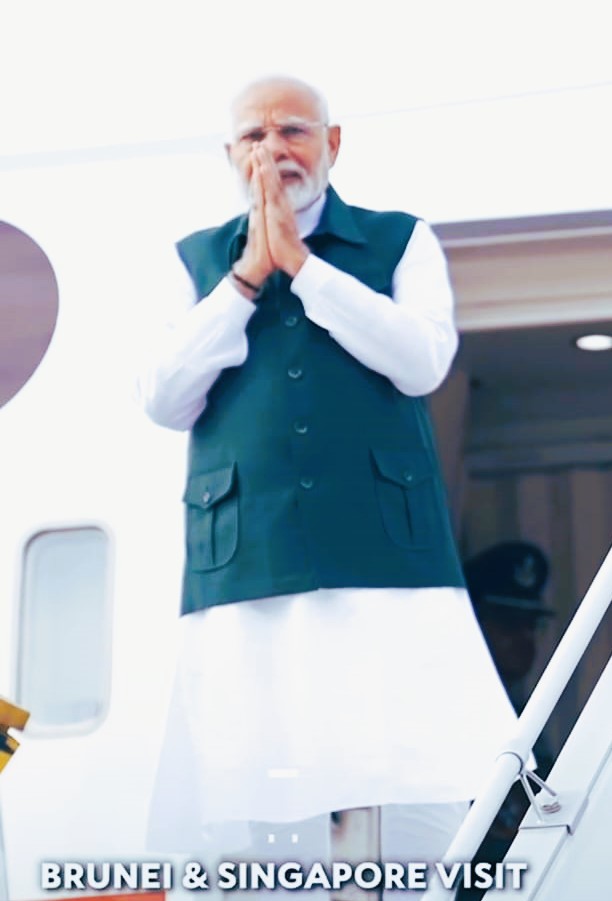
In conclusion, Prime Minister Narendra Modi’s visits to Brunei and Singapore represent a pivotal moment in India’s diplomatic efforts to strengthen its ties with Southeast Asia. These visits highlight India’s commitment to its “Act East” policy and its broader geopolitical objectives in the Indo-Pacific region. The focus on energy security, technological collaboration, and regional stability underscores a forward-looking approach that seeks to address the challenges of our time while fostering mutual prosperity. By enhancing its relationships with Brunei and Singapore, India is positioning itself as a key player in Southeast Asia’s evolving geopolitical landscape. The partnerships established during these visits will undoubtedly play a crucial role in shaping the future of India’s engagement with the world.
visit arjasrikanth.in for more insights
 SOCIAL PERSPECTIVES