
Northern Detour: Indian Migrants Swapping Mexico for Canada in Pursuit of the American Dream
In recent years, a fascinating and unconventional migration trend has emerged—one that defies traditional expectations and is even regarded as somewhat absurd. This trend involves Indian migrants abandoning the well-trodden U.S.-Mexico border route in favour of the northern U.S.-Canada border, a phenomenon that has left many observers, including U.S. border agents, puzzled. The northern border, often associated with calm, politeness, and cold weather, has become an unexpected entry point for thousands of Indian migrants in pursuit of their own version of the “American Dream.” This shift in migration patterns marks a dramatic departure from historical trends and has far-reaching implications for both the U.S. and Canada.
In the fiscal year 2023, U.S. border agents encountered more than 97,000 undocumented Indian migrants, a staggering 30,000 of whom attempted to enter the U.S. through its northern border with Canada. This sudden surge in Indian migrants crossing from Canada has grown exponentially compared to previous years. For instance, in 2019, only 16,000 Indian migrants attempted to cross from Canada into the U.S., but the numbers have since skyrocketed. Between October 2023 and February 2024, nearly 14,000 Indian migrants tried to enter the U.S. from Canada. These figures have left U.S. authorities scrambling to understand the reasons behind this peculiar migration pattern.
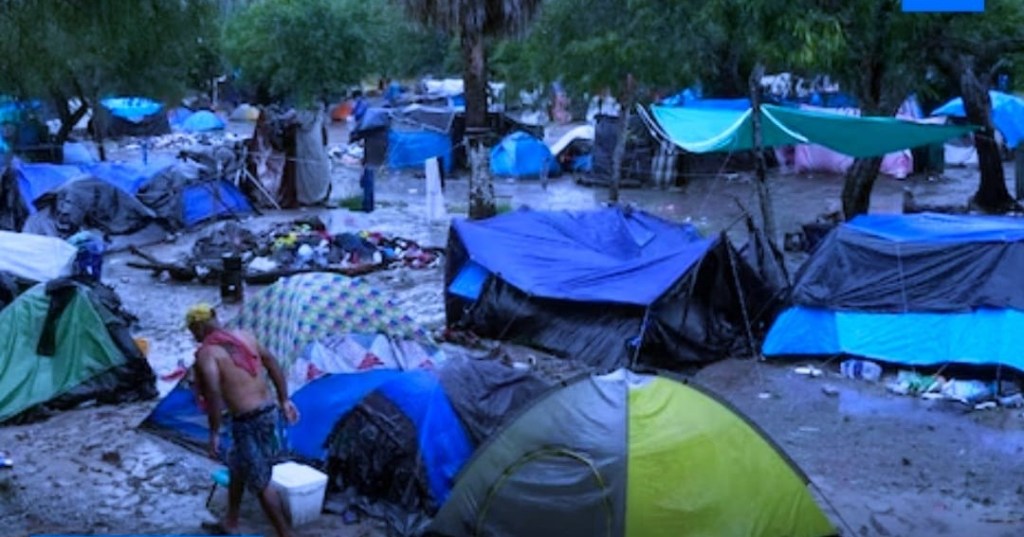
Traditionally, the U.S.-Mexico border has been the primary gateway for undocumented immigrants seeking entry into the United States. However, the recent increase in migration from Canada has disrupted this longstanding norm, catching U.S. states along the Canadian border off guard. These states, accustomed to dealing with winter snow and peaceful border activities, now find themselves facing an influx of Indian migrants—a challenge they were unprepared for.
But what has prompted this dramatic shift in migration routes? A complex combination of economic aspirations, legal challenges, and perceptions of immigration policies has contributed to this trend. The COVID-19 pandemic, which temporarily halted international migration, has given way to a resurgence of movement as the world reopens. For many Indian migrants, the U.S. remains the ultimate destination, a land of opportunity and economic prosperity. The perception of U.S. President Joe Biden’s administration as being more welcoming to asylum seekers has also played a role. While legal hurdles remain, many migrants believe that the U.S. asylum process under Biden’s leadership is more accessible than in previous years. With the 2024 presidential election looming, there is a sense of urgency among migrants to enter the U.S. before potential policy changes that could make entry more difficult.
However, the most puzzling aspect of this migration trend is the decision to enter the U.S. from Canada rather than from Mexico. Historically, the southern border with Mexico has been the most common route for undocumented immigrants due to its relatively porous nature and the established networks of smugglers and “coyotes” who facilitate the journey. As U.S. immigration policy tightened under previous administrations, particularly during the presidency of Donald Trump, Indian migrants began to explore alternative routes to enter the U.S., with the northern border emerging as an increasingly viable option.
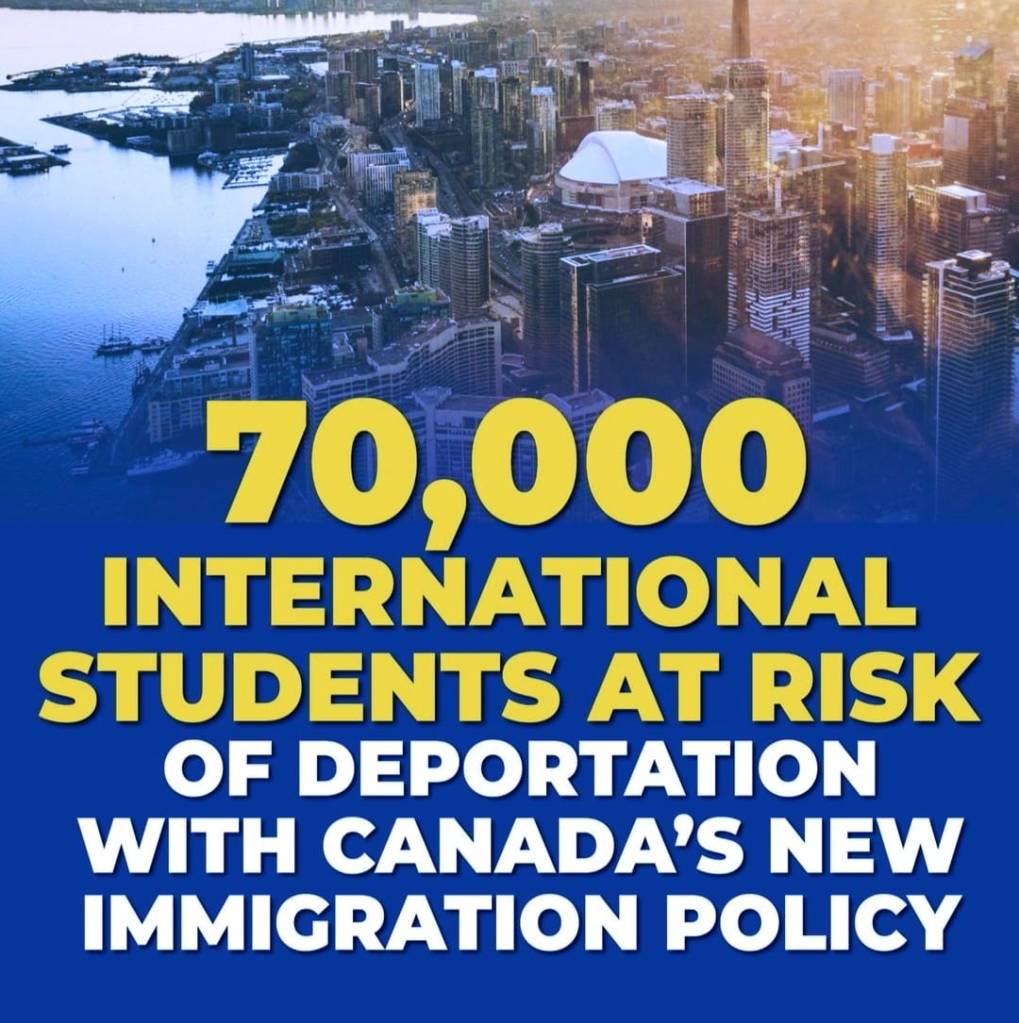
One significant factor driving Indian migration through Canada is Canadian immigration policy itself. Canada has long positioned itself as an attractive destination for international students and skilled workers, particularly from countries like India. The Canadian government’s efforts to attract talent from abroad have made it easier for Indian nationals to secure visas and enter Canada legally. However, many of these migrants view Canada as a mere stepping stone on their journey to the U.S. Once they enter Canada, they are not necessarily interested in staying; instead, they use Canada as a transit point to cross into the U.S., where they perceive greater economic opportunities and job prospects.
The differences in economic conditions between the U.S. and Canada also contribute to this phenomenon. While Canada offers many benefits, such as free healthcare and a generally high quality of life, it cannot compete with the U.S. in terms of economic opportunities and the potential for upward mobility. For many Indian migrants, the allure of the U.S. economy is too strong to ignore, and they are willing to brave the challenges of crossing the U.S.-Canada border to pursue their dreams.

Another key driver behind this migration pattern is the existence of smuggling networks that facilitate the journey for Indian migrants. These networks operate much like covert travel agencies, guiding migrants from Canada into the U.S., often through established connections with Indian-owned businesses in cities like Chicago. The Indian diaspora in the U.S., particularly in states like Gujarat and Punjab, plays a crucial role in assisting migrants once they arrive. Migrants often rely on family members, friends, and their broader community to help them find work, housing, and support as they navigate the complexities of life in a new country.
The financial aspect of migration also plays a significant role in shaping the decisions of Indian migrants. The cost of crossing the U.S.-Mexico border can be prohibitively expensive, with smuggling fees often reaching $50,000 or more. In contrast, crossing from Canada, while still risky, tends to be less expensive. For many migrants, the sale of a small plot of land in their home country can fund the entire journey. This relative affordability, coupled with the belief that crossing from Canada may be less dangerous than crossing from Mexico, has made the northern route increasingly attractive.

However, it is essential to note that crossing from Canada is by no means safe. The journey can be perilous, particularly during the harsh Canadian winters. Tragic incidents have occurred in recent years, highlighting the dangers faced by migrants attempting to cross the border. In January 2022, an Indian family of four froze to death in Manitoba just meters away from the U.S. border, a heart breaking reminder of the risks involved in such journeys. In March 2023, the bodies of eight migrants, including four Indians, were found in the St. Lawrence River, further underscoring the dangers associated with this migration route.
The desperation driving Indian migrants to undertake these dangerous journeys is a common theme in migration stories worldwide. As Canadian refugee and immigration lawyer Maureen Silcoff aptly points out, “People don’t simply pick up and leave their homes, families, and communities for the thrill of it. They leave because they’re desperate, and many face severe human rights abuses.” While some Indian migrants are fleeing political persecution or religious discrimination, many others are primarily motivated by economic factors. These “economic refugees” are not escaping violence or oppression but are seeking better job opportunities and economic security in the U.S.

This distinction between political and economic refugees adds another layer of complexity to the situation. The U.S. asylum system is designed to protect individuals fleeing persecution based on factors such as race, religion, nationality, or political opinion. However, many Indian migrants may not meet the strict legal definition of an asylum seeker, which complicates their ability to obtain legal status in the U.S. This legal uncertainty adds to the already difficult circumstances faced by these migrants.
As Indian migration through Canada continues to rise, both the U.S. and Canada find themselves grappling with the challenges posed by this new migration pattern. Canada, long known for its open and welcoming immigration policies, is facing increasing pressure on its asylum system. Migrants who enter Canada seeking asylum often encounter long waiting periods and procedural delays, prompting many to abandon their claims in favor of attempting to enter the U.S. The strain on Canada’s immigration system is evident, as the country struggles to keep pace with the growing number of asylum seekers.
The U.S., on the other hand, is contending with how to manage the surge in migration from its northern border. While the Biden administration has emphasized the need for immigration reform, it has also ramped up border security to address the influx of migrants. The northern border, typically a quiet and uneventful frontier, has become an unexpected flashpoint in the broader debate over U.S. immigration policy. Border agents, accustomed to dealing with relatively low levels of activity at the northern border, now find themselves processing thousands of Indian migrants seeking entry into the U.S.

Ultimately, the trend of illegal migration underscores the intricate dynamics of contemporary migration patterns and the multifaceted challenges encountered by both migrants and governments. For many Indian migrants, Canada often represents a preliminary entry point, with the U.S. being the ultimate destination. The journey is fraught with substantial risks, legal obstacles, and dangers, yet the allure of the “American Dream” persists as a powerful motivator, driving individuals to undertake these perilous routes. This narrative, though unconventional, highlights the enduring appeal of the U.S. as a land of opportunity and the lengths to which people will go to secure a better future for themselves and their families. The unexpected Northern detour in this migration saga reflects the unwavering determination of individuals striving for a brighter tomorrow, undeterred by the formidable obstacles they face along the way.
VISIT ARJASRIKANTH.IN FOR MORE INSIGHTS
 SOCIAL PERSPECTIVES