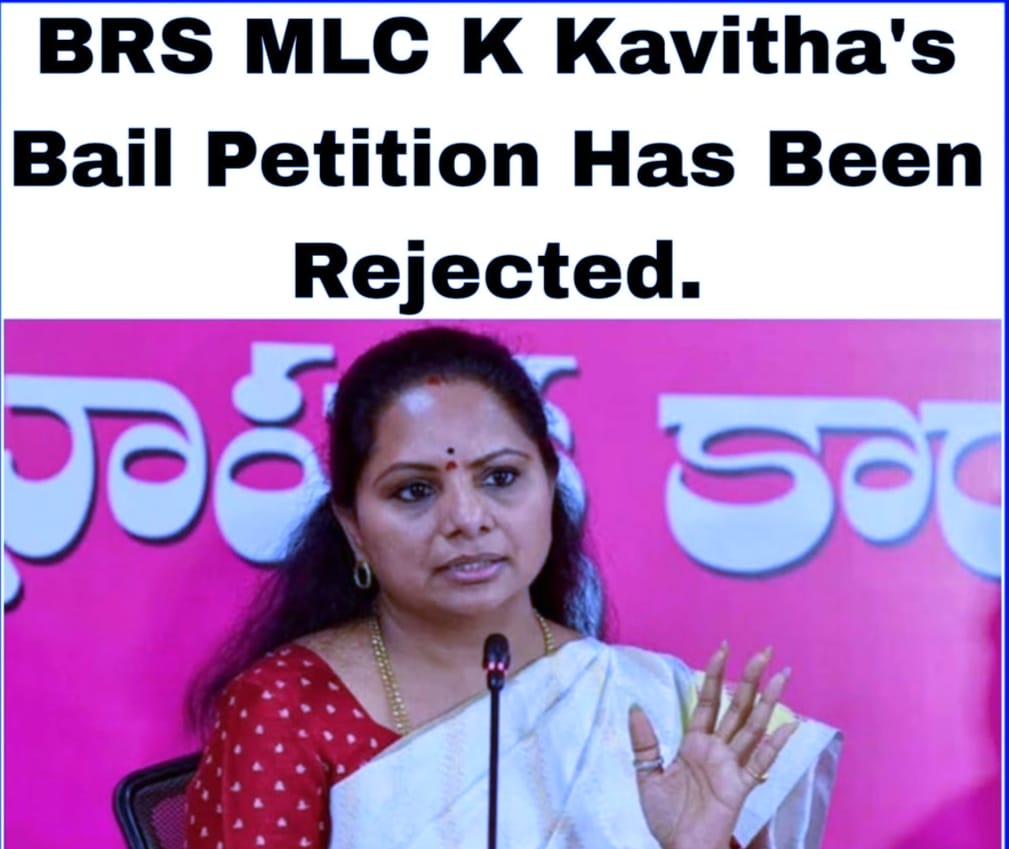
Balancing Justice: Supreme Court’s Observations on Bail and the Accountability of Investigating Agencies
In August 2024, the Supreme Court’s landmark decision to grant bail to Kavita, a prominent political figure entangled in high-profile corruption allegations, has sparked considerable debate and reflection within India’s legal and political spheres. This case, which has attracted significant media attention, underscores critical issues surrounding the role of investigating agencies, the judicial process, and the fundamental rights of individuals. The Court’s observations while granting bail reveal important aspects of the justice system’s functioning and its implications for the future of justice in India.
Kavita’s arrest by the Enforcement Directorate (ED) and the Central Bureau of Investigation (CBI) was linked to the Delhi excise policy case, which involves allegations of a massive corruption scheme. According to the ED, Kavita was a key figure in orchestrating illicit transactions that reportedly involved kickbacks exceeding 100 crores, aimed at financing political campaigns. The agency portrayed Kavita as the central figure in a scheme that compromised the integrity of the electoral process. However, as the case progressed through the legal system, the Supreme Court’s scrutiny of the investigating agencies and their methodologies became increasingly prominent.
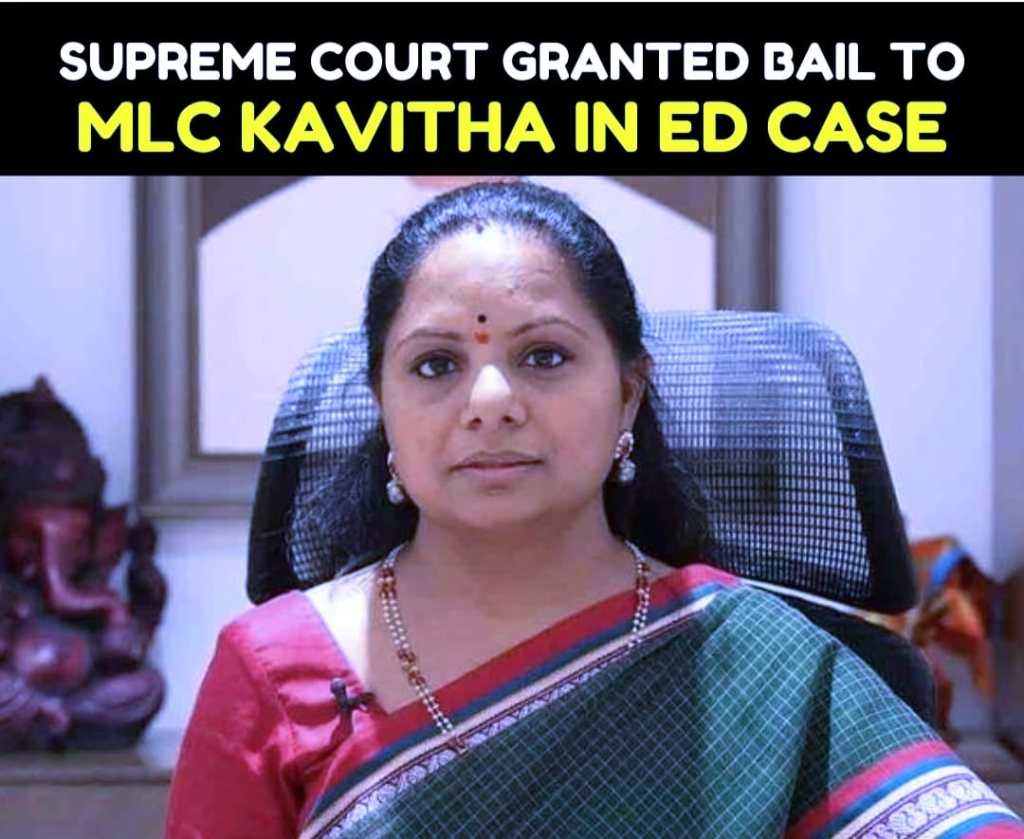
One of the Supreme Court’s key observations was the necessity for accountability from investigating agencies. The Court emphasized that these agencies must adhere to a timeline for filing charge sheets as, the fundamental rights are at stake. This observation highlights a crucial element of criminal justice: the presumption of innocence until proven guilty. By insisting on timely investigations, the Court underscored the importance of a fair legal process, essential for upholding the rule of law.
The Court’s criticism of the Delhi High Court’s previous denial of Kavita’s bail illuminated the complexities surrounding the Prevention of Money Laundering Act (PMLA). Section 45 of the PMLA places a heavy burden of proof on the accused, establishing a stringent framework for bail that often results in prolonged detention without trial. The Supreme Court’s intervention in Kavita’s case not only questioned the application of these stringent provisions but also scrutinized the underlying evidence presented by the investigating agencies. This intervention reflects a broader concern about the fairness and transparency of legal proceedings in high-profile cases.
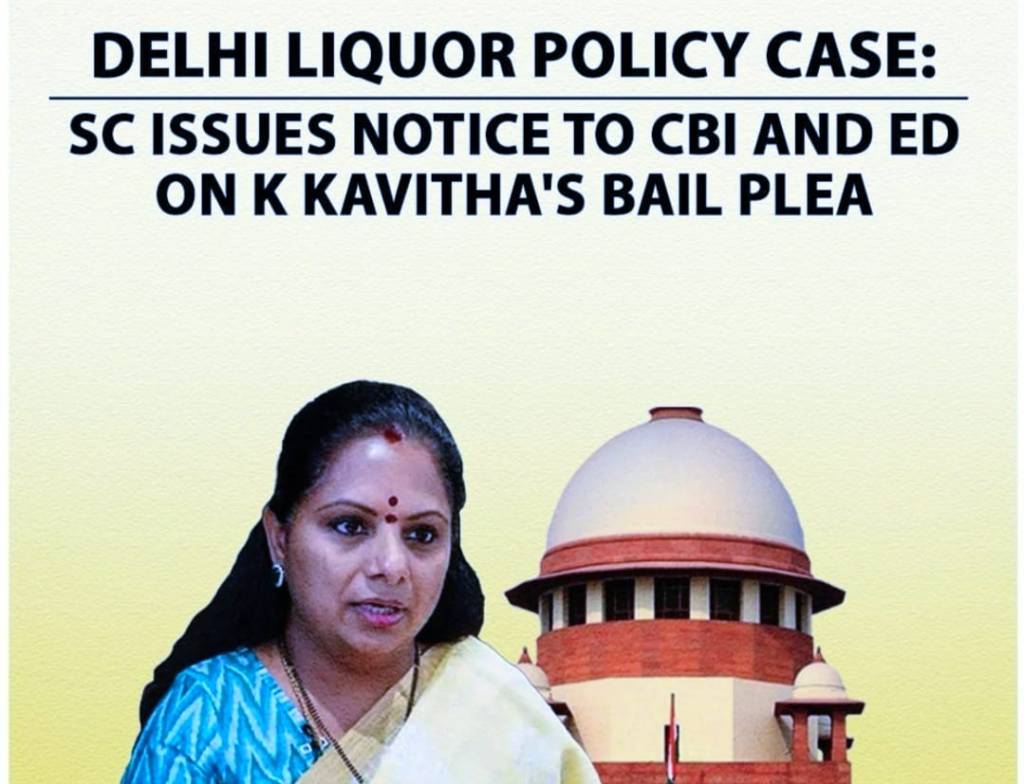
The Supreme Court’s observations regarding the credibility of the evidence presented by the ED were particularly noteworthy. The Court criticized the reliance on “statements of approvers,” individuals who were initially accused but later turned state witnesses. The Court raised important questions about the reliability of such statements, which can be influenced by coercion or promises of leniency. By insisting on substantive evidence beyond circumstantial claims, the Court reaffirmed its commitment to ensuring that justice is not only done but also seen to be done.
The implications of the Supreme Court’s judgment extend beyond Kavita’s case. They signal a potential shift in the legal landscape regarding the treatment of women within the judicial system. The Court’s commentary on the classification of women as “vulnerable” was particularly striking. Lower courts had previously labelled Kavita as “an educated politician” rather than a vulnerable woman, which raised broader questions about gender and the law. The Supreme Court’s rejection of this argument underscores the need for a more nuanced understanding of vulnerability that transcends educational and socio-political status.
Moreover, the ruling serves as a crucial reminder of the delicate balance between the powers of investigating agencies and the rights of individuals. The Court’s insistence that the burden of proof lies with the prosecution is a fundamental principle of criminal law, designed to prevent the misuse of power by state agencies. This aspect of the ruling emphasizes that while investigating agencies play a vital role in the pursuit of justice, they must operate within the legal framework and respect the rights of the accused.

The Court’s observations also reflect an increased awareness of the implications of prolonged pre-trial detention. In Kavita’s case, the Supreme Court noted that she had already spent five months in custody without a trial commencing. This situation raises critical questions about the efficiency of the current investigation and judicial process, especially in cases involving complex financial crimes where investigations can be lengthy. The Court’s intervention highlights the need for a legal framework that balances thorough investigations with the right to a prompt and fair trial.
As the legal proceedings continue, Kavita’s case serves as a significant marker in the ongoing discourse about accountability, justice, and the role of investigating agencies in India. The Supreme Court’s observations act as a call for reform, urging both the judiciary and investigating bodies to reassess their approaches to complex cases with far-reaching implications for individual rights and the integrity of the legal system.
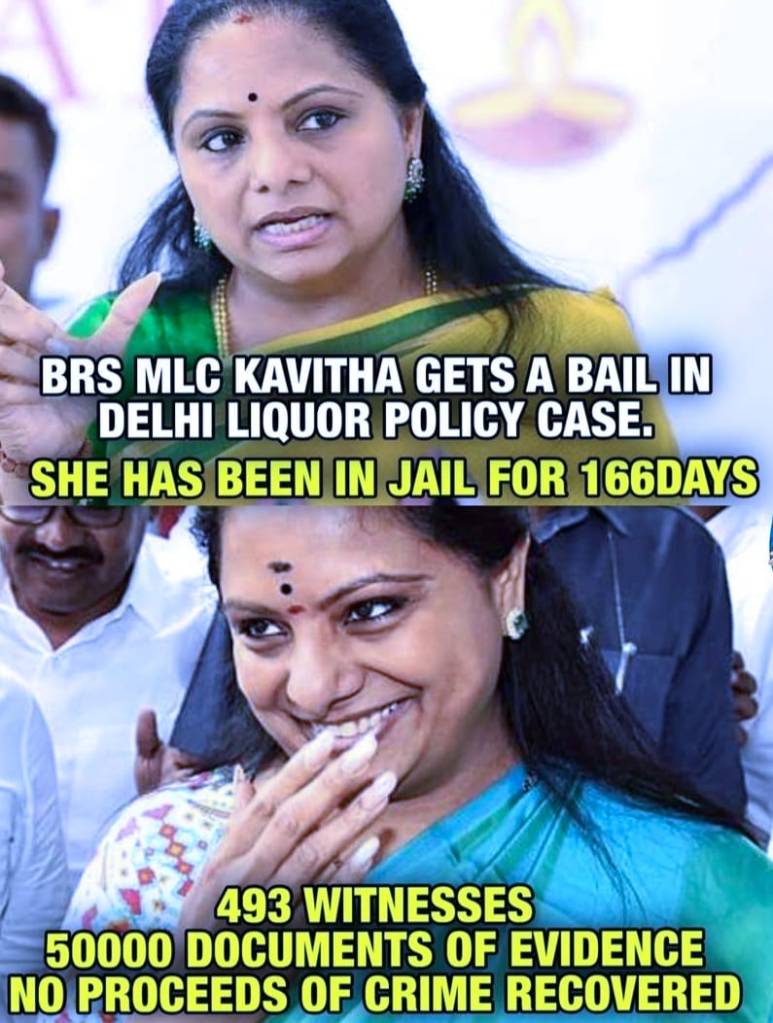
In conclusion, the Supreme Court’s recent judgment granting bail to Kavita, along with its incisive observations on the accountability of investigating agencies, marks a pivotal moment in India’s legal landscape. By emphasizing the need for timely investigations, credible evidence, and the protection of individual rights, the Court reinforces foundational principles of justice. This case not only highlights the intricate interplay between law and politics but also serves as a poignant reminder of the enduring quest for justice in a rapidly evolving society. As India navigates these challenges, the Supreme Court’s role as a guardian of rights and a check on state power remains crucial, underscoring the ongoing need for vigilance and reform in the pursuit of justice.
Visit arjasrikanth.in for more insights
 SOCIAL PERSPECTIVES