
From Memes to Means: The New Age of Digital Spin and Political Influencing in India
In the modern age, the quest for holistic good governance has moved to the forefront of public discourse, with citizens demanding not just policies but also visible and effective performance across all sectors. This shift in public expectation is deeply intertwined with the rise of social media, a platform that has transformed into a potent tool for activism, engagement, and, increasingly, a double-edged sword for governance. Social media has enabled a new era of transparency and direct communication between the government and the public. However, it has also created challenges in managing misinformation and public perception.
As of 2024, India has approximately 470.1 million active social media users, representing 33.4% of the addressable demographic. This figure highlights the significant reach of social media in India, where about 83% of internet users access these platforms daily. Facebook leads as the most widely used platform, boasting over 310 million users, while WhatsApp remains the most popular messaging app with 460 million users. Video-sharing platforms such as YouTube and TikTok have gained immense popularity, with more than half of internet users accessing them daily. Additionally, Instagram is the most popular platform among the 18-24 age group, underscoring the platform’s appeal to younger demographics.

Despite the extensive use of social media in India, its benefits have not been uniformly experienced across all states. While social media can amplify the voices of the public and serve as a powerful check on the government, it also poses risks, particularly in managing public perception and the spread of misinformation. In several Indian states, social media activism has provided citizens with a platform to voice their concerns and demand accountability. However, this digital engagement comes with challenges, especially regarding the authenticity and credibility of information shared online.
One state that has taken a unique approach to leveraging social media for governance is Uttar Pradesh. The Uttar Pradesh government’s recent decision to empanel social media influencers and content creators, offering them substantial monthly payments to promote state schemes and achievements, marks a new chapter in how governments engage with digital media. According to a newly introduced digital media policy, influencers can earn between ₹2 lakh and ₹8 lakh per month, depending on their reach and the platform they use. This policy, approved by the UP cabinet chaired by Chief Minister Yogi Adityanath, effectively extends the government’s media advertisement strategy to the digital realm, including platforms like X (formerly Twitter), Facebook, YouTube, and Instagram.

The draft policy outlines strict criteria for empanelment, requiring influencers to submit analytics reports for the past six months and affidavits confirming that no criminal cases have been registered against them. Furthermore, content deemed vulgar, obscene, anti-national, anti-social, or that misrepresents government schemes may lead to the suspension of payments or further punitive action. The policy also categorizes influencers into four tiers based on their subscriber or follower count, with corresponding payment structures and content regulations.
While some critics have raised concerns about this policy, arguing that it may amount to a form of “bribery” intended to secure favourable coverage for the ruling party while suppressing dissent, others see it as a necessary evolution of government communication in the digital age. The policy has sparked significant political controversy, with opposition leaders accusing the government of attempting to control the digital narrative in its favor. Some suggest that this move reflects the ruling party’s effort to compensate for perceived electoral weaknesses by leveraging digital influence to sway public opinion.
However, the policy is not without its defenders. Proponents argue that in a state like Uttar Pradesh, where a significant portion of the population resides outside the state or abroad, digital media offers a unique opportunity to communicate government achievements and schemes effectively. This approach is seen as a modern extension of traditional media strategies, tailored to a rapidly evolving digital landscape.

The policy also raises several critical issues concerning free speech, media integrity, and governance. By financially incentivizing influencers to promote state-sponsored narratives, there is a risk of eroding public trust in digital platforms and the content they disseminate. Influencers, by accepting payments to endorse government policies, may face questions about the authenticity and impartiality of their content. Moreover, the stringent guidelines that prohibit “anti-national” content add another layer of complexity, potentially stifling legitimate criticism and political discourse.
The Uttar Pradesh government’s move mirrors a broader trend across India, where states are increasingly recognizing the power of social media to shape public perception and influence political outcomes. However, this also comes with the challenge of managing the potential downsides of digital engagement, including the spread of misinformation, cyberbullying, and the risk of censorship. As social media becomes an increasingly integral part of political communication, the boundaries of acceptable speech and state intervention will continue to be contested.
Social media is undeniably a double-edged sword for governance. On one hand, it offers an unprecedented platform for government transparency and citizen engagement, allowing for real-time communication and feedback. On the other hand, it can also serve as a hotbed for misinformation, fake news, and polarized discourse, which can complicate governance and erode public trust. The Uttar Pradesh government’s policy highlights the delicate balance that governments must strike in the digital age: leveraging social media for effective governance while safeguarding democratic freedoms and maintaining public trust.
Moreover, the policy has significant implications for the broader digital economy and the role of influencers. By creating a structured payment system and regulating content, the government is effectively shaping the dynamics of social media engagement and influence. This move could set a precedent for other states and perhaps even national policies regarding the use of social media influencers for political communication. The Uttar Pradesh policy is a case study in this ongoing struggle, illustrating both the opportunities and challenges of governing in the digital age.
The debate surrounding this policy underscores a fundamental tension in democratic societies: the balance between state control and individual freedom. As social media becomes an increasingly integral part of political communication, the boundaries of acceptable speech and state intervention will continue to be contested. The Uttar Pradesh policy is a case study in this ongoing struggle, illustrating both the opportunities and challenges of governing in the digital age.
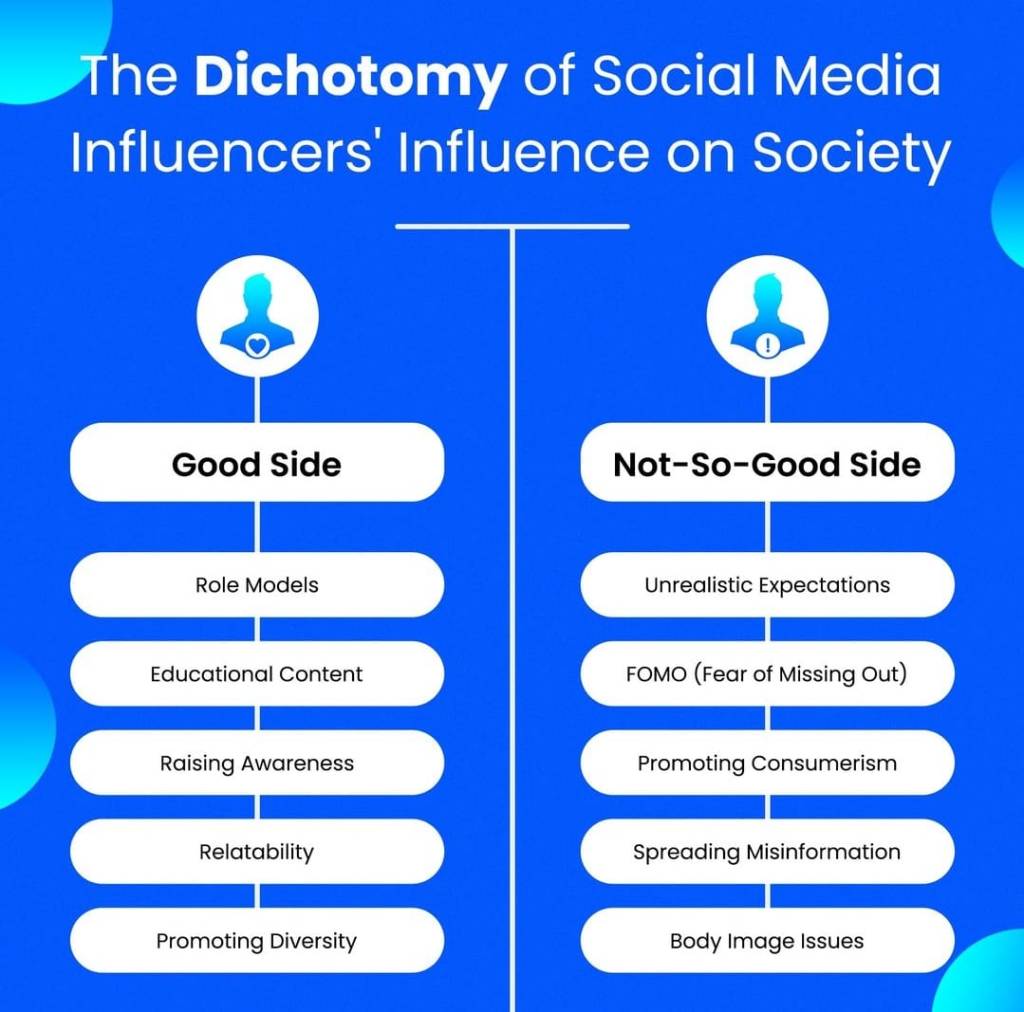
In conclusion, while social media offers governments a powerful tool for engagement and transparency, it also presents significant challenges. The Uttar Pradesh government’s policy on social media influencers is a bold experiment in managing these challenges, seeking to harness digital power while navigating the complexities of free speech, media integrity, and public trust. As this policy unfolds, its impact on governance, public discourse, and digital democracy will be closely watched, offering lessons for governments and citizens alike in the quest for good governance in the digital era. The effectiveness of such policies will depend on the ability of governments to balance their desire for control with the need to maintain public trust and uphold democratic values. In the digital age, the path to good governance is fraught with both opportunities and challenges, and how these are navigated will shape the future of governance in India and beyond.
visit arjasrikanth.in for more insights
 SOCIAL PERSPECTIVES