
From Parched Earth to Soggy Streets: Gujarat’s Unlikely Battle with Climate Change’s Wet Whims
Gujarat, a state historically defined by its arid landscapes and minimal rainfall, is now grappling with an unprecedented challenge: severe flooding. Over the past week, a deluge of heavy rains has transformed the state’s environment, leading to catastrophic conditions marked by overflowing rivers and reservoirs, extensive devastation, and a severe humanitarian crisis. The Ajwa and Pratappura Reservoirs have released large volumes of water into the Vishwamitri River, resulting in widespread inundation of low-lying areas and severe waterlogging. This disaster, striking a region not typically prone to such flooding, highlights the unpredictable nature of climate change and underscores the urgent need for enhanced preparedness and sustainable environmental practices.
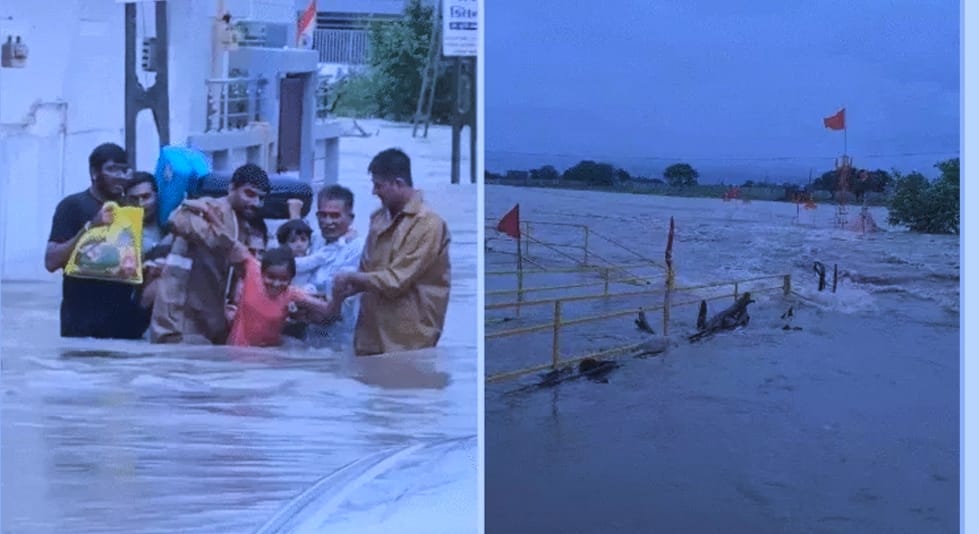
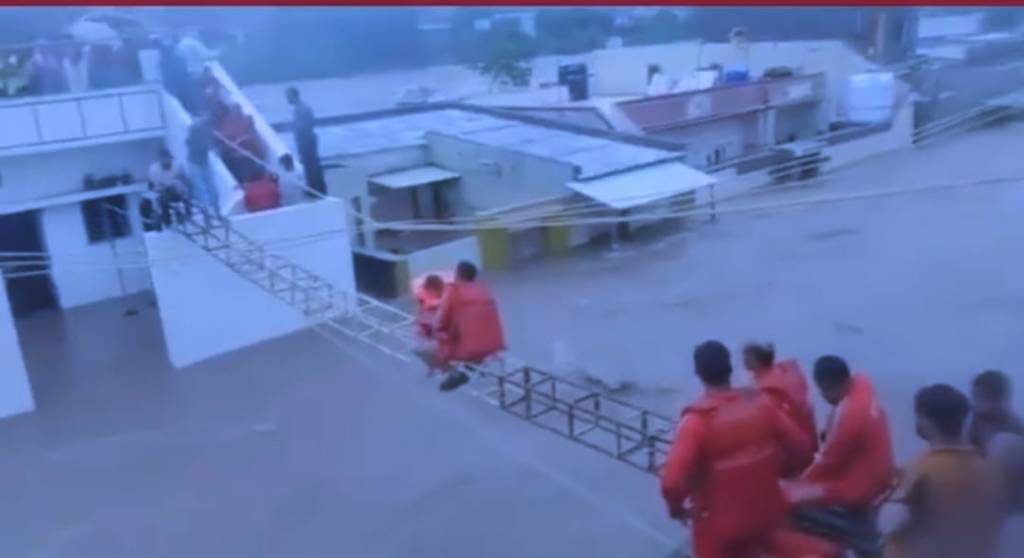
The human toll of the flooding has been both profound and tragic. Recent reports indicate that at least 35 people have died due to rain-related incidents, with nine additional fatalities recorded on a single Wednesday. More than 8,500 residents have been evacuated from flood-affected areas, with many others still stranded or missing. The India Meteorological Department (IMD) has issued a red alert for several districts, including Vadodara and Surat, as heavy rains persist for the fourth consecutive day. This relentless downpour has also disrupted Western Railway services, leading to the cancellation of multiple trains due to waterlogged tracks, complicating evacuation and rescue efforts.
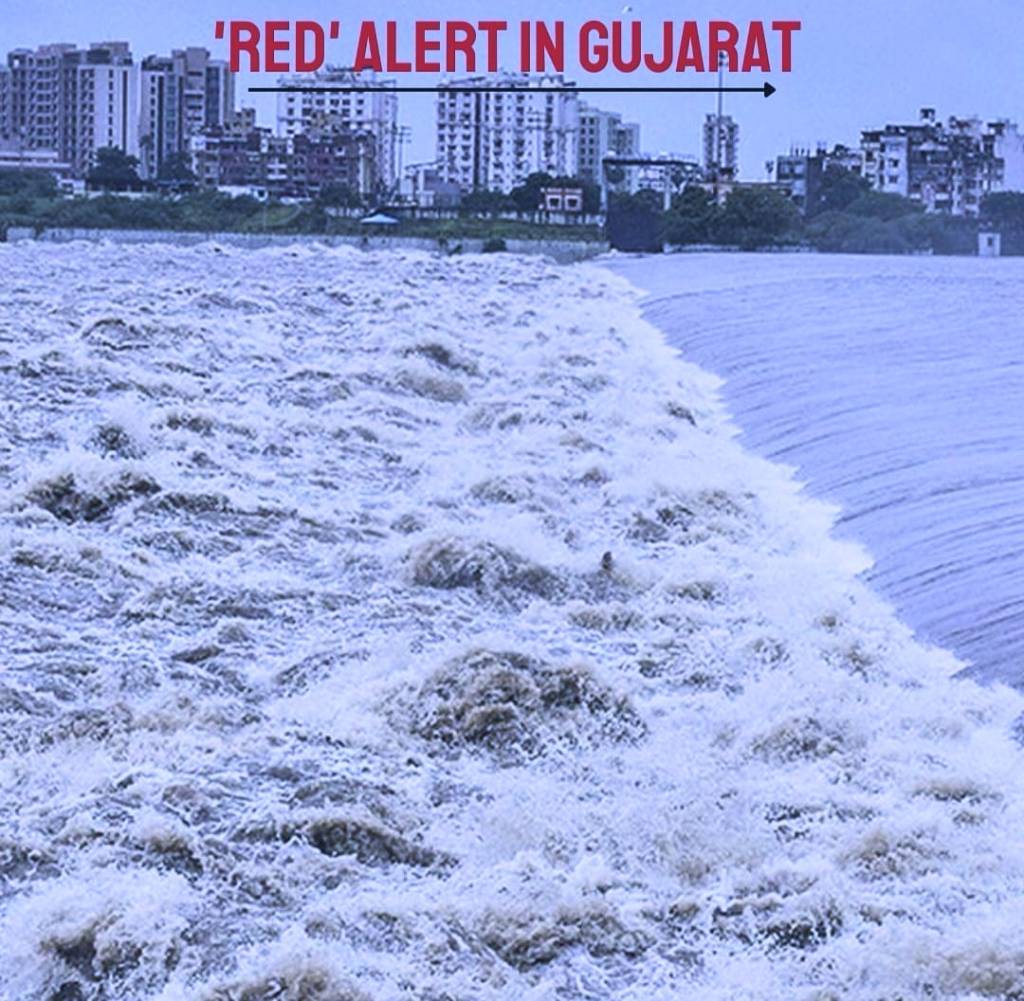
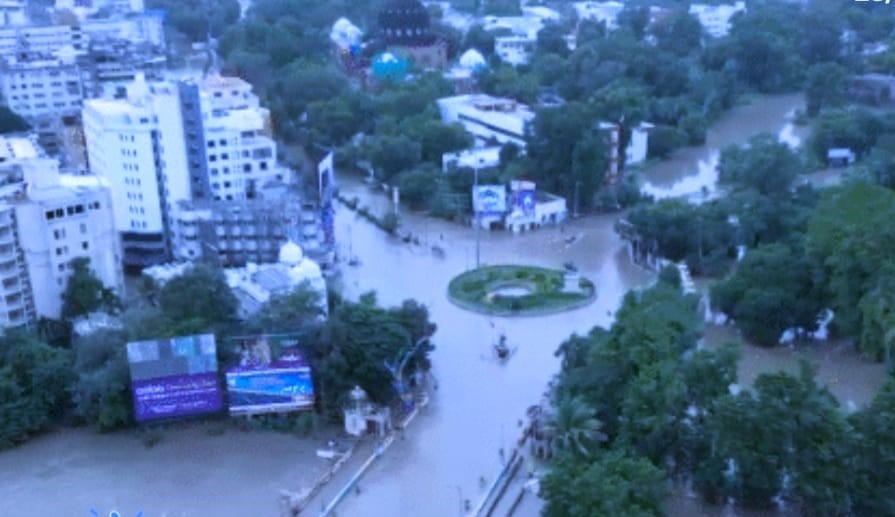
Beyond the immediate human cost, the flooding has caused extensive damage to property and infrastructure. Over 140 reservoirs and dams and 24 rivers are flowing above the danger mark. Traffic movement, train services, and flight operations have been severely disrupted across the state. In cities such as Vadodara, parts remain submerged under 10 to 12 feet of water, with some areas experiencing water levels up to four to five feet. Despite ongoing rescue efforts, the scale of the flooding has made it challenging to reach all those in need promptly, leaving many without essential services or shelter.
This flooding in Gujarat invites comparisons to previous devastating floods in other parts of India, such as those in Uttarakhand and Kerala. However, the situation in Gujarat is particularly striking given the state’s historical dryness and relative immunity to such natural calamities. The Kutch region, renowned for its arid climate, now faces an unprecedented natural disaster, underscoring that no region is immune to climate change impacts, regardless of its historical weather patterns.
The heavy rainfall that precipitated the flooding began around August 20, 2024, when a deep depression formed in the Bay of Bengal. This weather system, combined with a cyclone circulation from the Arabian Sea that had persisted for over a month, created a perfect storm of conditions leading to unprecedented rainfall in Gujarat. Although the state’s meteorological department had issued multiple warnings about potential heavy rains, the intensity and duration of the downpour exceeded all expectations. By August 27, Rajkot had recorded an astonishing 318 mm of rainfall within 24 hours, marking it as the wettest August day in a decade.
The immediate human toll of the flooding has been exacerbated by extensive damage to infrastructure. Roads have been washed away, vehicles submerged, and homes rendered uninhabitable. The economic impact of this disaster is expected to be severe, as agricultural fields have been inundated and crops destroyed. The flooding has disrupted the lives of residents and threatens the livelihoods of farmers and small business owners in the affected areas. The long-term economic repercussions will be felt for months, if not years, as the state struggles to recover and rebuild from the devastation.

The flooding in Gujarat has highlighted the urgent need for improved disaster preparedness and response strategies. While the state government has been commendable in its efforts to coordinate rescue and relief operations, the scale of the disaster has exposed gaps in the existing infrastructure and emergency response mechanisms. Moving forward, it is crucial for both the state and central governments to invest in improving these systems to better withstand the impacts of extreme weather events. This includes upgrading early warning systems, enhancing communication networks, and developing more robust infrastructure capable of withstanding severe flooding.
The experience of Gujarat’s residents during this crisis underscores the importance of community resilience and support. Local organizations, volunteers, and ordinary citizens have stepped up to provide food, shelter, and medical aid to those affected by the floods. This sense of solidarity and mutual aid will be crucial in the weeks and months ahead as communities work to rebuild and recover from the devastation. The involvement of civil society and community groups can significantly enhance the effectiveness of disaster response efforts, ensuring that aid reaches the most vulnerable and that recovery efforts are inclusive and equitable.
The recent floods in Gujarat serve as a stark wake-up call regarding the broader implications of climate change, highlighting the urgent need for proactive measures to mitigate the impact of such disasters. As weather patterns shift and extreme weather events become more frequent, governments, businesses, and individuals must collaborate to invest in sustainable infrastructure, enhance early warning systems, and foster community resilience to better withstand future challenges. An integrated approach to disaster management—one that considers environmental, social, and economic factors—is crucial. This holistic strategy should not only focus on immediate response efforts but also on long-term planning and investment in infrastructure, education, and community development to mitigate future disasters. The situation in Gujarat underscores the necessity for coordinated efforts across all sectors of society to build resilience against future shocks and ensure a more sustainable and secure future. As Gujarat embarks on the long road to recovery, prioritizing measures that address both immediate needs and long-term resilience will be vital. Strengthening infrastructure, enhancing emergency response mechanisms, and fostering a culture of preparedness and community support are essential steps. The resilience demonstrated by the people of Gujarat during this crisis will play a pivotal role in the state’s recovery and future preparedness against natural calamities.
In conclusion, the flooding in Gujarat serves as a powerful reminder that climate change is a global challenge demanding collective action. The devastating effects of extreme weather events worldwide underscore that no region is immune to climate change impacts. To ensure a safer and more sustainable future, we must undertake proactive measures, including international cooperation for climate mitigation and adaptation, as well as local efforts to enhance resilience and reduce vulnerability to extreme weather. The recent floods in Gujarat have revealed the susceptibility of even traditionally dry areas to extreme weather conditions. As Gujarat recovers, the resilience of its people highlights the critical need for disaster preparedness, community support, and proactive strategies to tackle climate change challenges. The path to recovery will be arduous, but with collective efforts and the lessons learned from this disaster, Gujarat can emerge stronger and more unified. By investing in resilience and preparedness, we can mitigate the impact of future disasters and better equip communities to handle the evolving challenges of a changing climate.
visit arjasrikanth.in for more insights
 SOCIAL PERSPECTIVES