Navigating Challenges and Celebrating Advances in Providing Comprehensive Coverage for the Elderly!!!
In the ever-evolving landscape of healthcare, India’s Ayushman Bharat scheme stands out as a landmark initiative with the potential to transform the nation’s healthcare system. Launched in September 2018, this ambitious scheme seeks to provide comprehensive health insurance coverage to millions of underprivileged families, aiming to alleviate the financial burden associated with medical expenses. Recently, a notable development within this scheme is the proposal to extend health coverage to all citizens aged 70 and above. This move not only highlights Ayushman Bharat’s potential to address the specific challenges faced by the elderly population but also underscores its broader significance in the quest for universal health coverage in India.
Senior citizens represent a particularly vulnerable segment of the population regarding healthcare needs. As individuals age, they become increasingly susceptible to chronic illnesses and other health complications. Statistics reveal that seniors account for a significant share of hospital admissions, with approximately 12% of all hospitalizations involving individuals aged 70 and above, despite this age group representing only around 10% of the total population. This disproportionate rate of hospitalization among the elderly underscores the critical need for comprehensive health coverage tailored to their unique requirements.

The financial burden of healthcare expenses on the elderly can be staggering. Many seniors face prohibitively high medical costs, which often result in significant financial strain. The cost of healthcare can erode savings and assets accumulated over a lifetime, pushing elderly individuals into economic hardship. By extending the Ayushman Bharat scheme to encompass all individuals over 70, the government can alleviate these financial pressures and ensure that elderly citizens have access to essential medical care without the fear of crippling expenses.
However, the commitment to include seniors in the Ayushman Bharat scheme brings with it several financial considerations for the government. Expanding coverage to this demographic is likely to lead to increased utilization of healthcare services, which could escalate overall costs. Older individuals generally experience more health complications and may require more frequent hospital visits, resulting in higher claims under the scheme. The government’s financial commitment is expected to rise significantly with the increasing number of seniors accessing healthcare services.
Over the past six years, the government has invested over ₹17,900 crores in hospitalizations and treatments under Ayushman Bharat. This substantial financial commitment highlights the scale of investment required to sustain the program, especially as it expands to cover additional demographics. The increasing burden on the government underscores the importance of effective resource allocation and management to ensure the continued success and sustainability of the scheme.
Recent data presented in Parliament provides insights into the rising trend of hospitalizations among senior citizens. Findings indicate that 14% of the government’s total healthcare expenditures have been allocated to treating individuals aged 70 and above. This statistic not only emphasizes the prevalence of health issues among the elderly but also suggests the potential financial implications of broadening the scheme. Addressing the specific needs of this age group requires targeted policies and resources to effectively manage and support their healthcare needs.
State-specific data reveals significant regional variations in hospital admissions among seniors. States such as Kerala, Karnataka, Andhra Pradesh, Gujarat, and Tamil Nadu exhibit high rates of hospital admissions among the elderly. In contrast, states like Maharashtra, Haryana, and Bihar have recorded higher proportions of hospitalizations among the elderly compared to the general population. These regional disparities highlight the need for targeted healthcare policies that address local variations in health outcomes and access to services.
The proposal to extend Ayushman Bharat’s coverage to all citizens aged 70 and above is a commendable step toward addressing the unique healthcare needs of the elderly. This expansion reflects a growing recognition of the importance of providing equitable healthcare access to all segments of the population. By including seniors in the scheme, the government demonstrates its commitment to ensuring that the most vulnerable members of society receive the medical care they need without facing financial hardship.
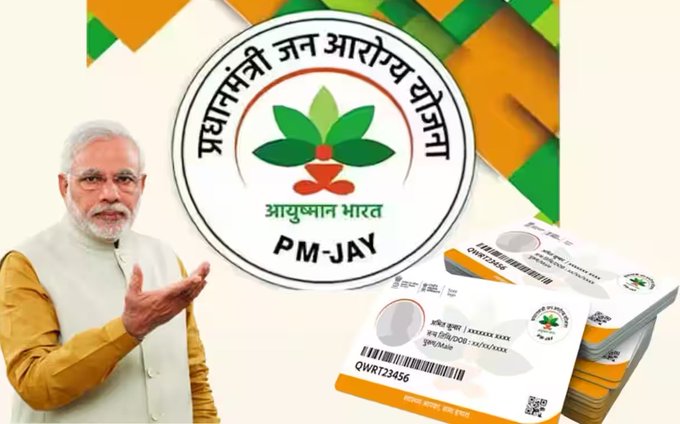
Ayushman Bharat, officially known as Pradhan Mantri Jan Arogya Yojana (PMJAY), represents a transformative vision for India’s healthcare system. The scheme is designed to provide insurance coverage for hospitalization and treatment to approximately 40% of the population. It encompasses a wide range of medical services, including surgeries, diagnostics, and hospital stays. By covering these essential treatments and hospitalization costs, Ayushman Bharat aims to reduce the economic strain on low-income families, thereby improving their overall well-being and ensuring that financial constraints do not hinder access to necessary medical care.

A critical component of Ayushman Bharat’s success is the Ayushman Bharat Digital Mission (ABDM). ABDM aims to create a robust digital infrastructure for healthcare delivery, enhancing the accessibility of medical records and facilitating personalized treatment. By enabling seamless access to patients’ medical histories, ABDM strives to improve healthcare outcomes. However, the implementation of ABDM faces several challenges that need to be addressed to fully realize its potential.
One of the primary challenges confronting ABDM is the inadequate digitization within the healthcare sector. Despite efforts to digitize health records and streamline processes, the adoption of digital health systems remains uneven. Building trust in these new technologies is essential, as both patients and healthcare providers must feel confident in the security and reliability of digital health systems to embrace them fully.
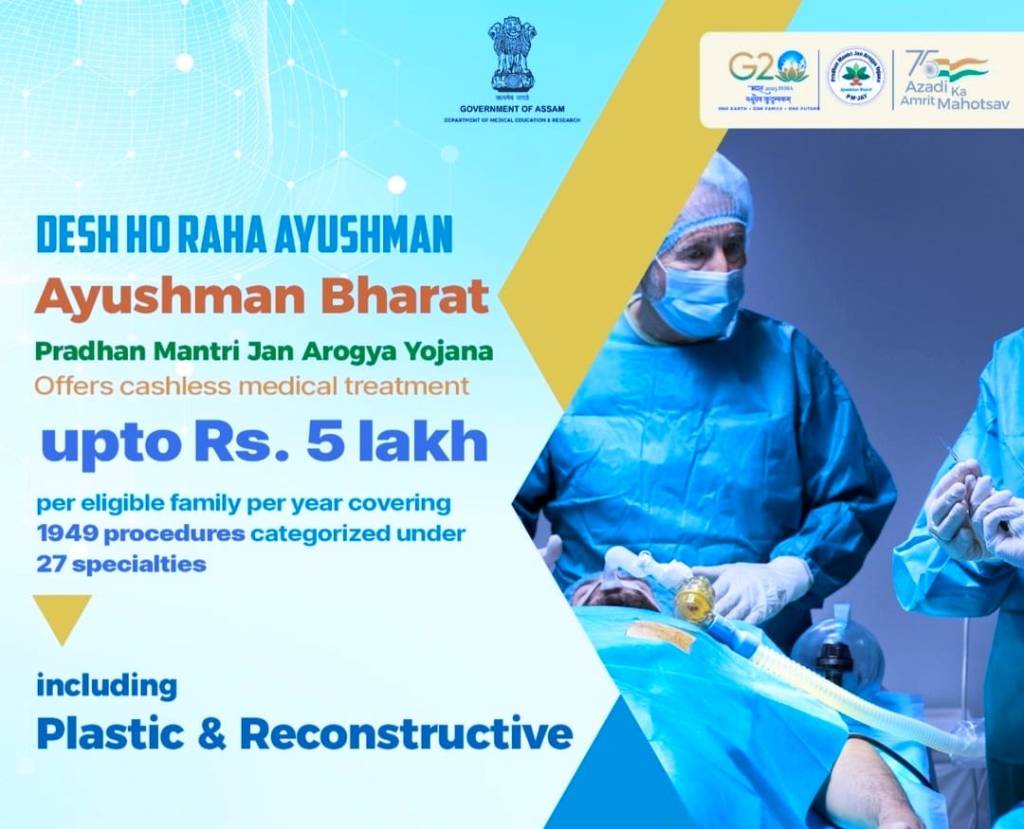
Another significant challenge is the delay in reimbursements reported by private hospitals participating in the Ayushman Bharat scheme. These delays can severely impact the cash flow and operational sustainability of hospitals, leading some to be reluctant to accept patients under the scheme. This reluctance can limit access to healthcare services for beneficiaries and affect the overall effectiveness of the scheme.
Ensuring the quality, privacy, and security of healthcare data is also a critical challenge. The National Health Authority (NHA) has identified several key areas that need attention, including the development of a secure architecture for storing, processing, and exchanging personal health records, creating national data repositories in a structured format, setting up a secure platform for data encryption and exchange, and ensuring the secure sharing of patient and claims data across various locations.
Ayushman Bharat – Pradhan Mantri Jan Arogya Yojana (AB-PMJAY) encounters its own set of challenges. A significant issue is the lack of awareness about the scheme, particularly in rural areas. Many potential beneficiaries are unaware of their eligibility or the benefits available to them, which limits the scheme’s reach and effectiveness. Supply-side constraints, such as a shortage of healthcare providers and facilities, further exacerbate the problem. These constraints lead to gaps in service delivery and can affect the quality of care provided. Additionally, fraudulent claims and misuse of the scheme pose risks to its integrity, making it crucial to ensure robust mechanisms to protect the scheme from such abuses.
Despite its ambitious goals, Ayushman Bharat has several limitations. The scheme covers only three days of pre-hospitalization and 15 days of post-hospitalization costs. It is available only as a family floater health insurance policy, excluding outpatient department (OPD) expenses. Furthermore, no tax benefits are available under Section 80D for beneficiaries, which could impact the scheme’s attractiveness to some individuals.
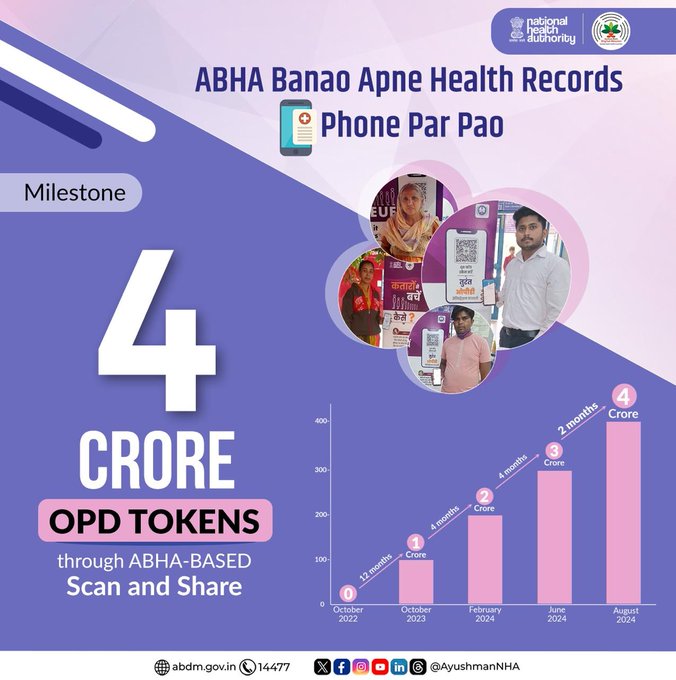
ABDM, while promising, also faces challenges related to digitization and building trust in digital health systems. The reluctance of private hospitals to accept Ayushman Bharat cards due to financial constraints and reimbursement delays can undermine the scheme’s effectiveness. Additionally, eligibility for Ayushman Bharat excludes individuals with certain assets or credit limits, such as those owning vehicles or mechanized farming equipment.
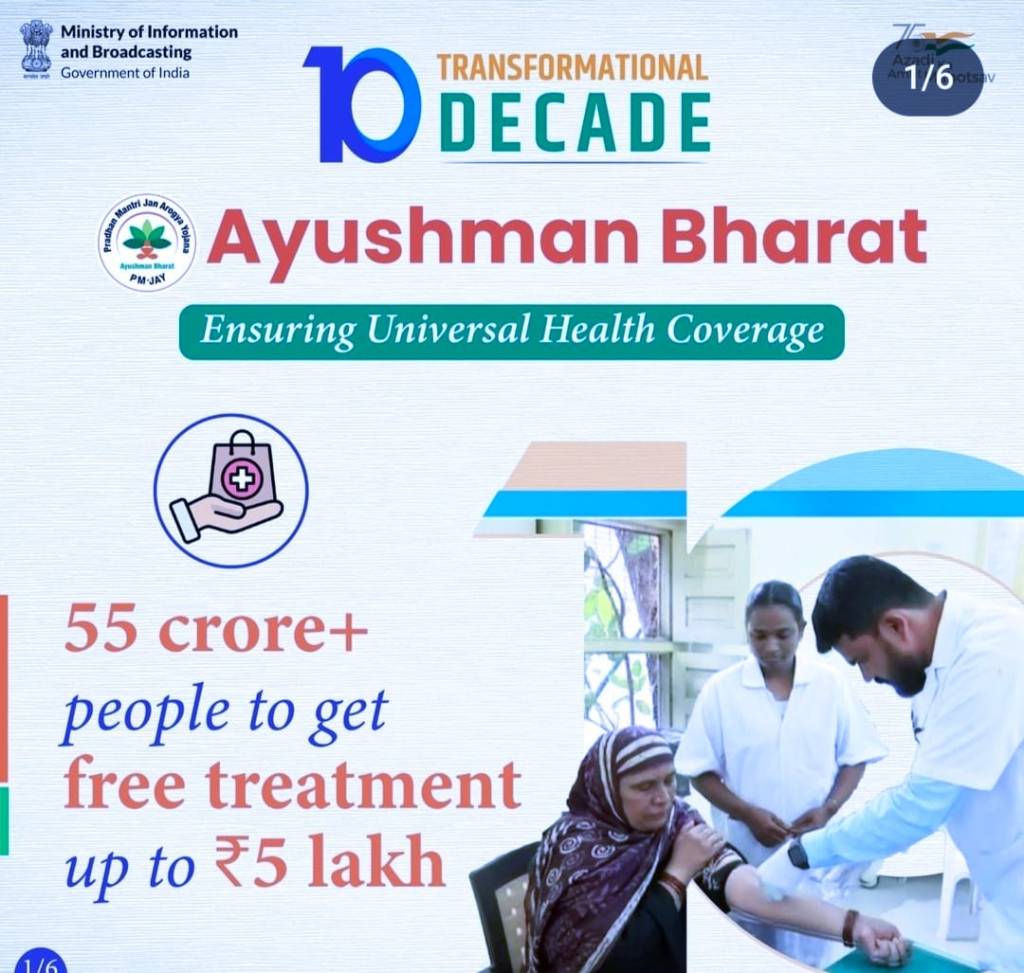
Despite these challenges, Ayushman Bharat covers a broad spectrum of medical treatments and procedures, including over 1,500 medical packages. This comprehensive coverage represents a significant step toward addressing the healthcare needs of India’s underprivileged populations. The scheme plays a vital role in enhancing healthcare access and reducing out-of-pocket expenditures, which is essential for the overall progress of India. By addressing key issues such as limited healthcare access, insufficient manpower, and high healthcare costs, Ayushman Bharat contributes significantly to India’s path toward Universal Health Coverage (UHC).
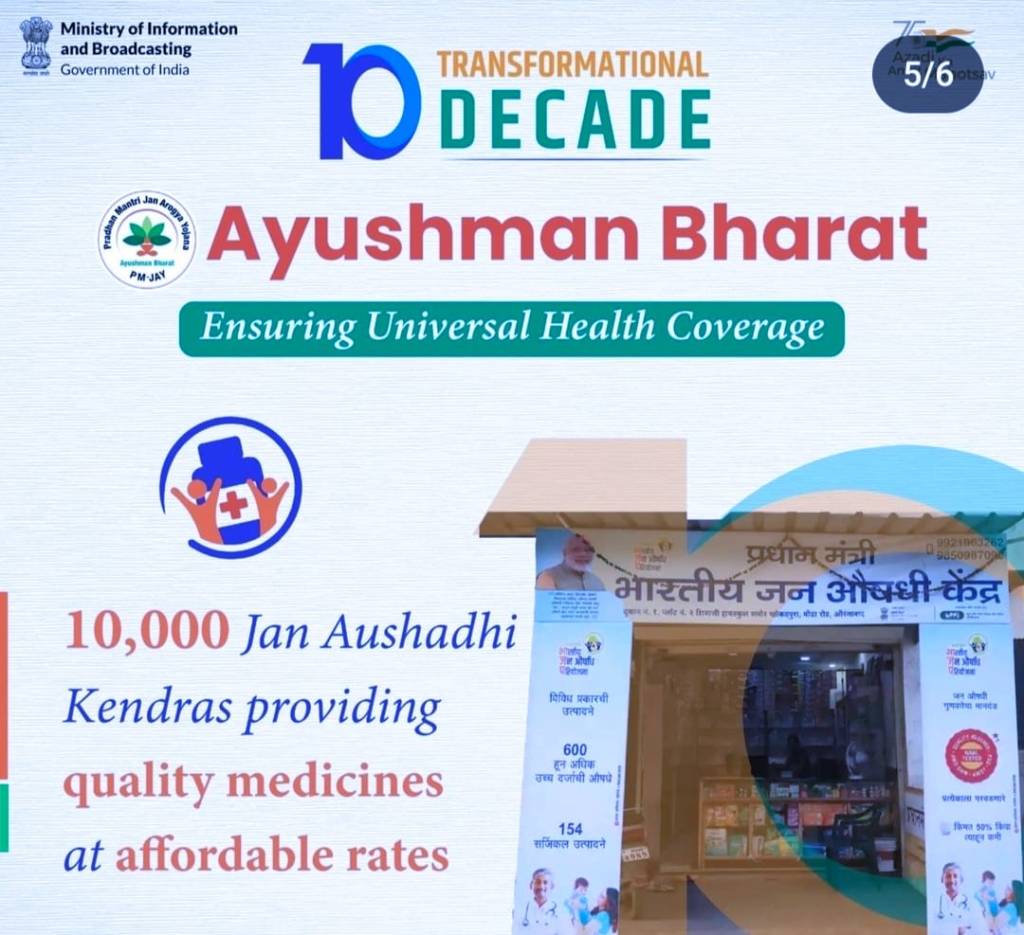
The effective implementation of Ayushman Bharat requires collaboration with private players in various areas, such as patient engagement, standardized care, hospital performance grading, and fraud mitigation. Building a collaborative forum between the government and the private sector is crucial for discussing challenges, developing effective strategies, and ensuring successful execution. Partnerships between the government and the private sector are vital for the rapid and effective implementation of Ayushman Bharat. These partnerships can help address challenges, enhance service delivery, and accelerate progress toward UHC. A synergistic relationship between the government and private sector will nurture the vision of ‘Health for All’ and make it a reality.
ABDM aims to create a comprehensive digital health infrastructure that connects all stakeholders, including healthcare providers, patients, and other entities. This initiative is crucial for improving healthcare delivery and ensuring that all Indian citizens have access to their health records. Over the past six years, Ayushman Bharat has strengthened the primary healthcare system, paving the way for a healthier India. The scheme’s expansion to cover all senior citizens is a significant step toward addressing the unique healthcare needs of the elderly population.
The central and state contributions to Ayushman Bharat reflect a growing commitment to inclusive healthcare. The increase in the number of beneficiaries from 67,776 in 2018 to 21,94,061 in 2022-2023 demonstrates the scheme’s expanding reach and impact. The Ayushman Bharat Digital Mission (ABDM) and its components, including Health and Wellness Centres and Pradhan Mantri Jan Arogya Yojana, are designed to provide comprehensive healthcare coverage. The mission’s goal is to ensure that every citizen has access to affordable and quality healthcare.
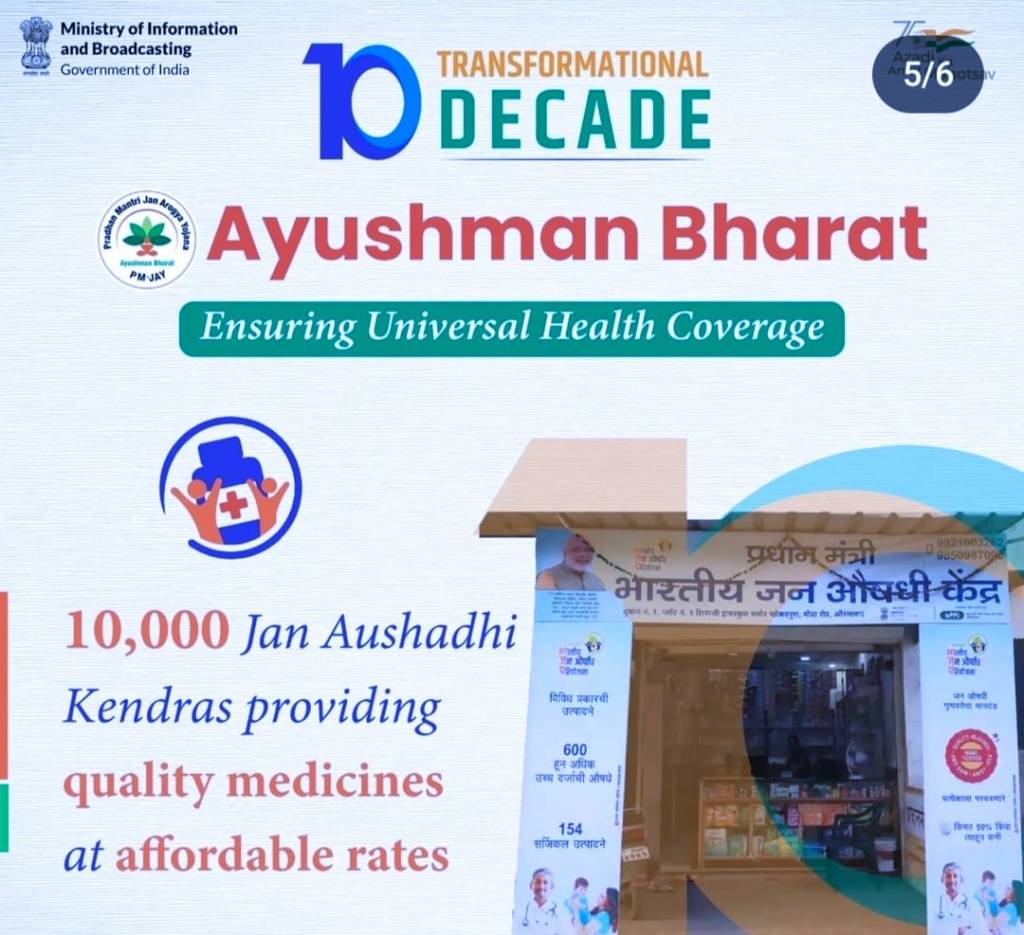
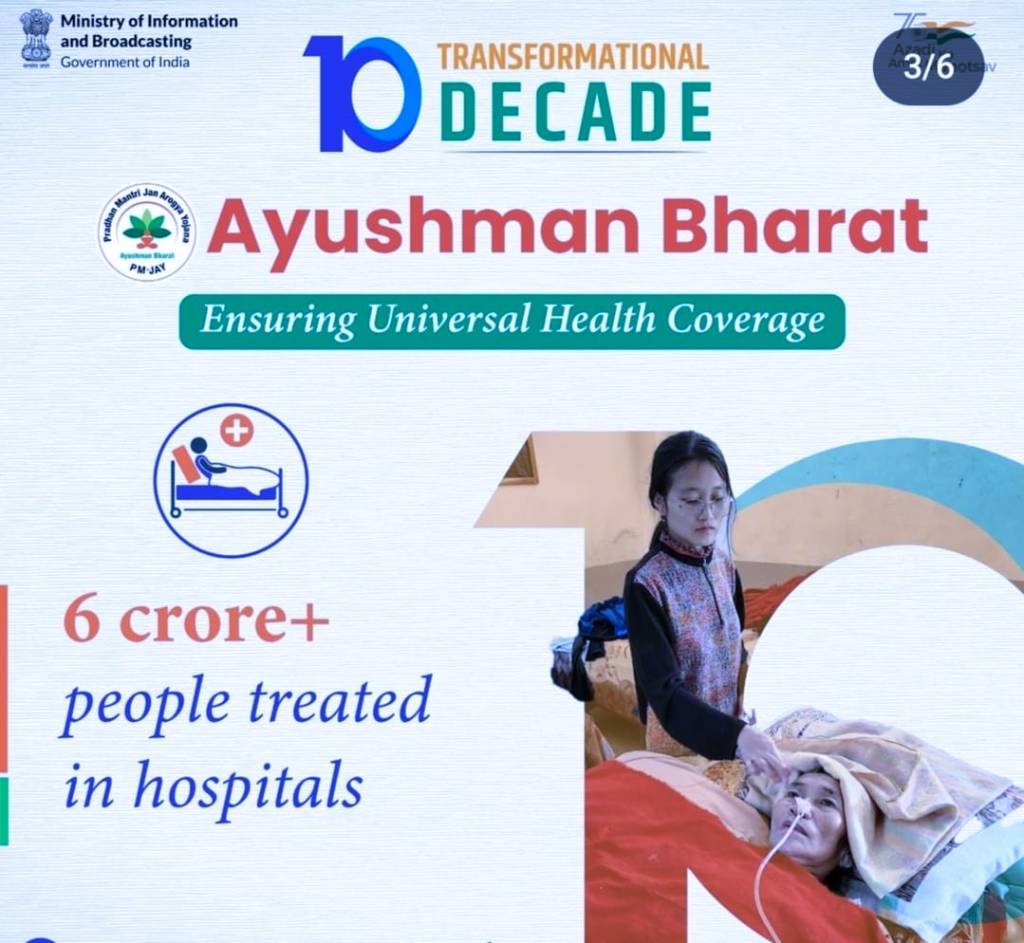
Ayushman Bharat Health Infrastructure Mission (PM-ABHIM) aims to develop health infrastructure with an outlay of Rs. 64,180 Crores from 2021-22 to 2025-26. The mission faces challenges such as creating awareness, reaching less-privileged populations, and ensuring data security. ABDM supports various healthcare facilities in adopting digital health systems, making benefits accessible to all citizens. Ayushman Bharat PM-JAY has successfully managed 6.2 crore hospital admissions worth more than Rs. 79,157 crores, showcasing its effectiveness and reach.
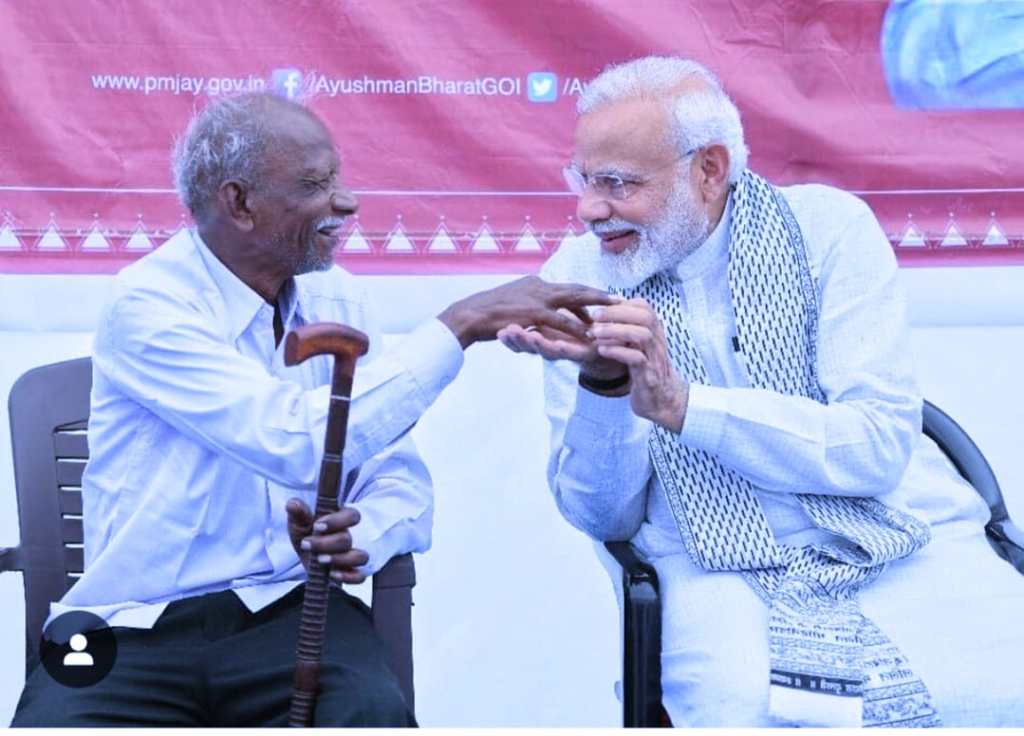
In conclusion, Ayushman Bharat has made significant strides in transforming India’s healthcare landscape by providing comprehensive coverage and improving access to medical services. The proposal to extend coverage to all citizens aged 70 and above underscores the government’s commitment to enhancing healthcare for the elderly, who face unique challenges. By addressing challenges such as digitization, reimbursement delays, and data security, and fostering collaboration between the public and private sectors, Ayushman Bharat can continue to make a meaningful impact on the health and well-being of India’s population.
visit arjasrikanth.in for more insights
 SOCIAL PERSPECTIVES