
Bridging Gaps, Building Futures: The Transformative Power of Indian Railways in a New India
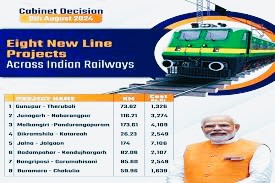
In recent days , Indian Railways has embarked on an ambitious journey to reshape the nation’s transportation landscape. This endeavour is not just about laying tracks or extending railway lines; it is a strategic mission aimed at connecting underserved regions, enhancing access to key religious and cultural sites, and driving economic growth and social development. The recent approval by the Union Cabinet of eight new railway projects across 14 districts in seven states is a significant milestone in this journey. With a massive investment of ₹24,657 crore, these projects are set to redefine India’s transportation network, making the nation more connected, inclusive, and prosperous.
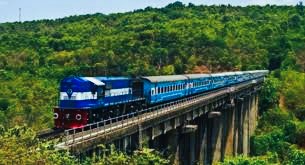
Union Railway Minister’s announcement underscores the importance of these projects in the broader vision of Prime Minister Narendra Modi’s government. The Union Cabinet Committee on Economic Affairs, chaired by Prime Minister, has greenlit these projects, which span across key states including Odisha, Maharashtra, Andhra Pradesh, Jharkhand, Bihar, Telangana, and West Bengal. The railway lines to be developed include the Gunupur-Therubali, Junagarh-Nabrangpur, Badampahar-Kandujhargarh, Bangriposi-Gorumahisani, Malkangiri-Pandurangapuram (via Bhadrachalam), Buramara-Chakulia, Jalna-Jalgaon, and Bikramshila-Katareah routes.
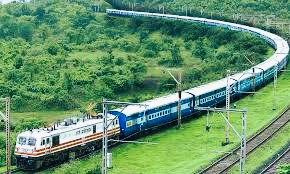
These new railway lines are not just about improving transportation; they are about enhancing connectivity, efficiency, and the reliability of Indian Railways. The projects align seamlessly with PM’s vision of a “New India,” a vision that prioritizes self-reliance and comprehensive development. By focusing on aspirational districts and tribal-dominated constituencies, these railway projects are set to become powerful catalysts for socio-economic transformation. The improved connectivity they bring is expected to generate significant economic benefits, create employment opportunities, and contribute to the overall development of the areas they serve.
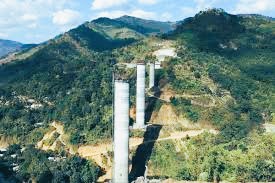
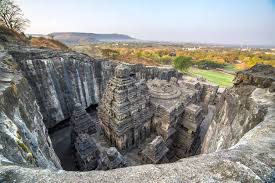
A key highlight of these projects is the construction of 64 new stations, which will directly benefit six aspirational districts: East Singhbhum, Bhadradri Kothagudem, Malkangiri, Kalahandi, Nabarangpur, and Rayagada. This expansion will not only enhance connectivity for approximately 510 villages and a population of about four million people but will also integrate important cultural and historical sites into the Indian Railways network. One of the most notable cultural integrations is the planned connection of the Ajanta Caves, a UNESCO World Heritage site, which will boost tourism and contribute to the local economy.
These railway routes are critical for the transportation of essential commodities such as agricultural products, fertilizers, coal, iron ore, steel, cement, bauxite, limestone, aluminium powder, granite, and containers. The capacity augmentation from these projects is expected to add an additional 143 million tonnes per annum (MTPA) of freight traffic. This boost in freight capacity will support India’s climate goals by reducing oil imports by 32.20 crore liters and lowering CO2 emissions by 0.87 million tonnes, which is equivalent to planting 3.5 crore trees.
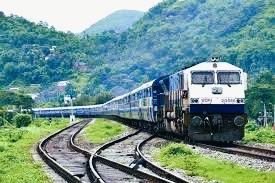
The potential economic impact of these railway projects cannot be overstated. By providing enhanced connectivity to mineral-rich regions such as Chhattisgarh, Jharkhand, and Odisha, and linking them with ports on the eastern coast, these projects will create new opportunities for trade and commerce. This improved infrastructure is expected to stimulate economic activity and generate substantial employment opportunities, especially in tribal regions that have faced economic challenges for decades. The railway network’s expansion will not only create jobs in construction and maintenance but also bolster sectors such as tourism, agriculture, and logistics.
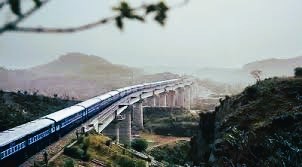
Environmental sustainability is also a central theme in these railway projects. The emphasis on eco-friendly transportation reflects the Indian Railways’ commitment to reducing its carbon footprint and aligning with global efforts to combat climate change. The projected reduction in CO2 emissions—equivalent to the planting of 3.5 crore trees—highlights the significant environmental benefits that these projects will bring.
The cultural and historical significance of these railway projects further adds to their value. By integrating key religious and cultural sites into the railway network, the government is ensuring that India’s rich heritage is preserved and accessible to future generations. The connection of the Ajanta Caves to the railway network, for instance, will not only make this important site more accessible to tourists but will also contribute to the economic development of the surrounding region.

Addressing the challenges faced by backward and underserved areas is another crucial aspect of these railway projects. The focus on districts affected by left-wing extremism and socio-economic neglect demonstrates a commitment to restoring peace and stimulating economic activity in these regions. By improving connectivity to tribal areas and districts such as Kalahandi, Nabarangpur, Koraput, Rayagada, and Malkangiri, the railways are playing a vital role in promoting inclusive development. The restoration of peace and economic activity in these areas underscores the potential impact of infrastructure development on addressing historical grievances and fostering economic participation.
Looking ahead, these ambitious railway projects represent a significant step toward achieving a fully integrated transport network across India. The promise of improved connectivity and hassle-free travel will enhance the quality of life for millions of people and facilitate the movement of goods and services throughout the country. The government’s commitment to expanding the railway network aligns with its broader vision of creating a self-reliant and economically vibrant nation.
The recent approval of these eight railway projects is a commendable effort by the Indian government to enhance connectivity and drive economic development across the country. By prioritizing economic, social, and environmental factors, these projects reflect a holistic approach to infrastructure development. As the railway network continues to expand, it will undoubtedly lead to transformative changes in the lives of countless citizens, fostering economic growth and cultural enrichment.

The Indian Railways’ focus on last-mile connectivity is not just about building tracks; it is about laying the foundation for a more connected, prosperous, and inclusive India. With continued commitment and innovation, the vision of hassle-free travel and equitable development for all can become a reality, ensuring that every corner of India is networked and accessible.
Prime Minister’s leadership in the approval of these railway projects, with a focus on development in Eastern states, represents a strategic move to reduce India’s dependence on oil imports and improve connectivity. The estimated outlay of ₹24,657 crore reflects the government’s dedication to creating a robust and inclusive transportation network. The projects cover key states such as Odisha, Maharashtra, Andhra Pradesh, Jharkhand, Bihar, Telangana, and West Bengal. By addressing the needs of aspirational districts and tribal areas, the Indian Railways is poised to drive meaningful development and economic growth across these regions.
The significance of these projects extends beyond mere transportation improvements. They represent a commitment to bridging gaps in development, promoting sustainable practices, and enhancing cultural access. As the railway network evolves, it will continue to play a critical role in shaping India’s economic landscape, fostering social progress, and preserving the nation’s rich heritage. Through a strategic focus on connectivity, the Indian Railways is paving the way for a brighter, more inclusive future for India, ensuring that the benefits of development reach every corner of the country.
The expansion of India’s railway network is a testament to the government’s vision of a more connected and prosperous nation. These projects are not just about improving transportation; they are about creating opportunities, fostering economic growth, and preserving cultural heritage. As the Indian Railways continues to expand, it will play an increasingly vital role in shaping the future of the nation, ensuring that every citizen benefits from the progress and development that connectivity brings. The journey of Indian Railways is one of bridging gaps, building futures, and driving India toward a brighter, more inclusive future.
visit arjasrikanth.in for more insights
 SOCIAL PERSPECTIVES